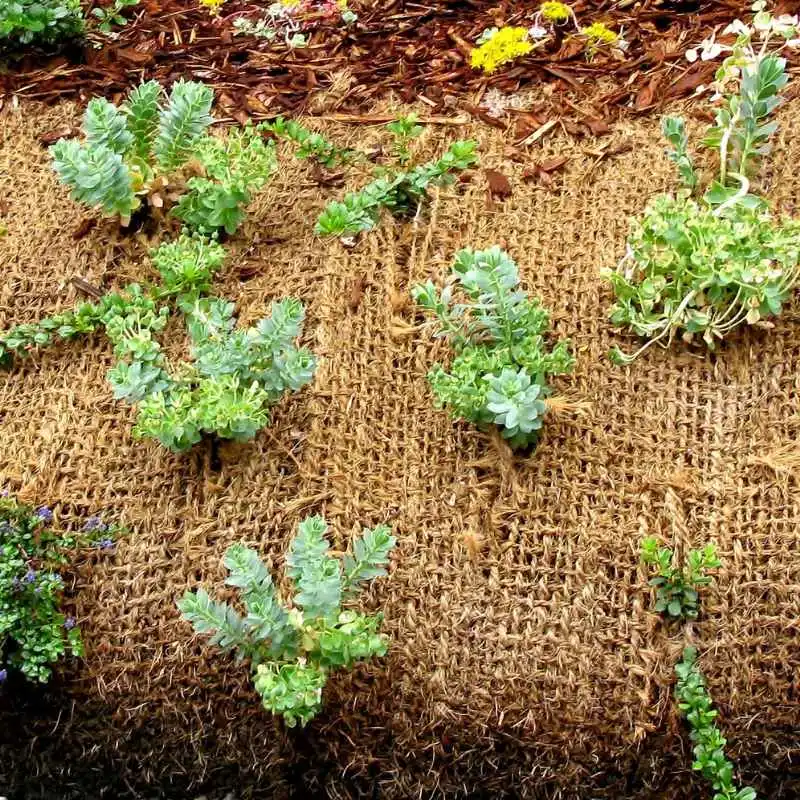
How To Stop Weeds From Growing Through Landscape Fabric
Landscape fabric is a great tool. It’s meant to block sunlight. This stops weed seeds in the soil from growing.
But it’s not a perfect shield. Several things can let weeds win. The fabric can get old.
Tiny holes might appear. Seeds can also land on top of the fabric. They can grow roots into the mulch or soil layer above it.
Sometimes, the fabric isn’t installed quite right. If there are gaps, weeds can push through from below. It’s a tricky balance, but understanding these issues helps a lot.
My Landscape Fabric Nightmare (And What I Learned)
I remember one summer vividly. I had just redone my flower beds. I used that heavy-duty, woven landscape fabric.
I was so proud of how neat it looked. I covered it with a thick layer of beautiful brown mulch. For a few weeks, it was perfection.
Then, I saw it. A tiny green sprout. Then another.
Soon, dandelions were staging a full-on invasion. It felt like a personal attack. I’d tug them out, but they’d just grow back.
I even added more mulch, thinking that would help. It didn’t. I started to feel defeated.
Was I doomed to a life of constant weeding? It made me question if I’d done something wrong from the start. That’s when I decided I needed to really understand this problem, not just fight its symptoms.
Common Reasons for Weed Breakthrough
Fabric Type Matters: Not all fabrics are the same. Some are more porous. They let water and air through but can also let tiny weed seeds sprout.
Installation Errors: If the fabric isn’t overlapped correctly, or if it’s not secured well, weeds can find their way through gaps.
Soil Layer Buildup: Over time, organic matter like leaves or decaying mulch can build up on top of the fabric. This creates a new growing medium for weed seeds.
Seed Deposition: Wind and birds carry weed seeds. If they land on top of your mulch and find moist soil, they can grow.

The Science of Weed Growth and Landscape Fabric
Weeds are tough plants. They need a few things to grow: sunlight, water, nutrients, and a place to anchor their roots. Landscape fabric works by blocking sunlight from reaching weed seeds already in the soil.
It also helps keep the soil from washing away. But weeds are clever. If seeds land on top of the fabric, they don’t need to go through it.
They can sprout right in the mulch or compost layer above. This layer can become rich in nutrients over time. This makes it a perfect spot for new weeds to start.
Also, as fabric ages, it can break down. Tiny holes or tears can form. These become little entry points for existing weeds or new seeds.
Real-World Scenarios Where Weeds Thrive
Think about a garden path. You might have put down landscape fabric, then gravel. Over time, dirt and leaves get trapped in the gravel.
This creates little pockets of soil. Weed seeds land there, get watered, and start to grow. It looks like they are growing through the fabric, but they are really growing in the new soil layer on top.
Another common spot is around trees and shrubs. The mulch layer can get quite deep. Rain and natural decomposition build up this layer.
If you’ve ever noticed weeds right at the edge of your lawn, trying to creep into your mulched beds, those seeds can easily land on top of the fabric. The fabric is there, but it’s the top layer that’s become the problem.
Spotting the Trouble Spots
High-Traffic Areas: Paths and patios collect debris. This builds soil on top of the fabric.
Windy Zones: Areas exposed to wind get more seeds blown onto them.
Near Lawns: Grass seeds and lawn weeds can easily spread into garden beds.
Watering Zones: Areas that get frequent watering can encourage seeds on the surface to sprout.
What This Means for Your Garden: When to Worry and When Not To
A few stray weeds here and there are normal. It’s part of gardening. Don’t let a couple of dandelions send you into a panic.
It happens. The real issue is when the weeds become a constant problem. If you’re spending more time pulling weeds than enjoying your yard, something needs a closer look.
This usually means the fabric is old, damaged, or the top layer has become too much like soil. It’s time to reassess your approach when the weeds start taking over your beds. Think of it as a signal to re-evaluate your garden’s defense system.
Don’t just pull the weeds; understand why they are growing.
Quick Checks for Your Garden
Fabric Integrity: Gently lift a corner. Is the fabric torn or brittle?
Mulch Depth: Is your mulch layer too thin or too thick (over 3-4 inches)?
Debris Buildup: Is there a thick layer of leaves or soil on top of the mulch?
Weed Type: Are they shallow weeds, or do they have deep taproots that might be finding cracks?
Effective Ways to Stop Weeds Through Landscape Fabric
So, how do we really stop this? It’s about a multi-pronged attack. First, make sure your fabric is good quality and installed well.
Overlap edges by at least 6 inches. Use landscape staples to keep it flat. Then, apply a good, thick layer of mulch.
Aim for 2-4 inches. This adds a buffer. It also helps keep the fabric in place.
The key is managing that top layer. Regularly rake away fallen leaves and debris. This prevents soil from building up.
If you see weeds starting, pull them right away. Don’t let them get established. For stubborn weeds, consider a light application of a pre-emergent herbicide.
Apply this to the mulch layer, not directly to the fabric. This stops weed seeds from germinating. Always read and follow product labels carefully.
Some people also use a layer of newspaper or cardboard under the mulch. This adds an extra barrier.
Top Strategies for Weed Control
Layering is Key: Use good fabric, then newspaper (optional), then 2-4 inches of mulch.
Secure Edges: Overlap fabric by 6 inches and use staples every foot.
Regular Maintenance: Rake away leaves and debris often.
Prompt Removal: Pull weeds as soon as you see them.
Pre-Emergent Use: Apply carefully to the mulch layer to prevent seed germination.
When to Consider Replacing Old Landscape Fabric
Landscape fabric doesn’t last forever. It can degrade over time. This is especially true for cheaper, thinner materials.
If your fabric is brittle, torn, or falling apart, it’s time for a change. Trying to patch it up often doesn’t work for long. It’s better to remove the old fabric.
Clear out any weeds and their roots. Then, install fresh, high-quality fabric. Make sure to lay it down correctly.
A good installation is crucial for long-term success. Replacing old fabric can feel like a big job, but it’s often the most effective solution for persistent weed problems.
Signs It’s Time for New Fabric
Brittle Texture: The fabric feels stiff and cracks easily.
Visible Tears: Large rips or holes that can’t be easily repaired.
Soil Penetration: Roots from large weeds are growing deep into or through the fabric.
Excessive Weed Growth: Despite maintenance, weeds are a constant, overwhelming issue.
Alternatives to Traditional Landscape Fabric
While landscape fabric is popular, it’s not the only option. Many gardeners are turning to organic mulches. Thick layers of wood chips, shredded bark, or compost can suppress weeds effectively.
They also break down over time, adding nutrients to the soil. This is great for soil health. Another method is using natural ground covers.
Plants like creeping thyme or vinca can fill in spaces and outcompete weeds. For vegetable gardens, black plastic mulch is sometimes used. It warms the soil and blocks weeds, but it’s not breathable like fabric.
Exploring Other Weed Barriers
Organic Mulches: Wood chips, bark, straw, pine needles. These suppress weeds and improve soil.
Cardboard/Newspaper: A thick layer can smother weeds. It breaks down over time.
Living Mulches: Low-growing, dense plants that cover the soil.
Permeable Paving: For patios and paths, materials that allow water to drain.
Expert Tips for Long-Term Weed Prevention
The best approach is proactive. Start with healthy soil. Healthy plants are better at competing with weeds.
Choose plants that are well-suited to your climate and soil type. This makes them stronger. Regular garden checks are essential.
Spend a few minutes each week walking through your garden. Look for new weeds or signs of trouble. Pull any weeds when they are small.
This is much easier than dealing with mature, established plants. Keep your mulch layer consistent, between 2 and 4 inches. Don’t let it get too thin or too thick.
If you use gravel, make sure it’s deep enough to prevent soil from collecting.
Proactive Garden Care
Healthy Plants: Choose the right plants for your space.
Soil Health: Amend soil with compost to encourage strong plant growth.
Consistent Mulch: Maintain a 2-4 inch layer of mulch.
Early Intervention: Pull weeds when they are tiny and new.
Observation: Make regular walks through your garden a habit.
Frequently Asked Questions About Landscape Fabric and Weeds
Can I just put more mulch over the weeds growing through my landscape fabric?
Adding more mulch can help for a little while. It might bury shallow weeds. But if weed seeds are already on top, they can grow in the new mulch.
It’s often better to remove the weeds first. Then, make sure your mulch layer is correct, about 2-4 inches deep.
Is landscape fabric bad for my soil?
Some types of landscape fabric can reduce air and water flow to the soil. This can impact soil health over time. Woven fabrics are usually more breathable than solid plastic ones.
Organic mulches are generally better for soil health as they decompose and feed beneficial microbes.
How often should I replace my landscape fabric?
High-quality landscape fabric can last 5 to 10 years or even longer. Cheaper varieties might only last 1 to 3 years. It depends on the material, the weather, and how much you expose it to things like UV rays or digging.
What’s the best type of mulch to use with landscape fabric?
Organic mulches like wood chips, shredded bark, or compost are good choices. They suppress weeds, retain moisture, and eventually break down to improve soil. Avoid very fine mulches that can wash away easily.
Ensure the mulch is spread evenly and not piled up against plant stems.
Can I use a weed killer on my landscape fabric?
You should never spray weed killer directly onto the landscape fabric itself. Some herbicides can degrade the fabric over time. If you need to use a pre-emergent herbicide, apply it to the mulch layer on top of the fabric according to the product instructions.
Always ensure it’s safe for your plants.
Why do weeds grow through the fabric even when I installed it perfectly?
Even with perfect installation, weeds can still grow. Seeds can land on the mulch layer above the fabric. Over time, this layer can build up soil and organic matter, creating a new growing medium.
Also, older fabric can become brittle and develop small holes, allowing weeds to emerge.
Putting It All Together for a Weed-Free Garden
Dealing with weeds that grow through landscape fabric can be a real headache. But by understanding why it happens, you can take steps to prevent it. It’s about more than just laying down fabric.
It involves proper installation, consistent maintenance of your mulch layer, and regular checks of your garden. Think of your landscape fabric as part of a larger system. By layering effectively and staying on top of basic garden care, you can enjoy a much tidier, more enjoyable outdoor space.
You’ve got this!