Which Climate Type Is Most Beneficial To Soil Formation? Revealed
Ever wonder why some places have rich, dark dirt while others have mostly rocks or sand? Soil is amazing. It feeds our plants and homes.

Brand: East Bay Municipal Utility District
Plants And Landscapes For Summer-dry Climates Of…
- Used Book in Good Condition
As an Amazon Associate I earn from qualifying purchases.
But how does it get made? It all comes down to our planet’s weather patterns, also called climates. Different climates help build soil in different ways.
Some climates are like a super-fast food factory for soil. Others move at a snail’s pace. We’ll look at the best climate type for making healthy soil.
We will also explore why this matters so much. You’ll learn about the building blocks of good soil and how weather helps shape them. Get ready to dig into the science of soil creation!
The climate type most beneficial to soil formation is a humid, temperate climate with moderate temperatures and plentiful rainfall. This combination promotes rapid weathering of rocks, abundant plant growth, and sufficient moisture for decomposition, all crucial for developing deep, fertile soils over time.
The Heart of Soil: How It Forms
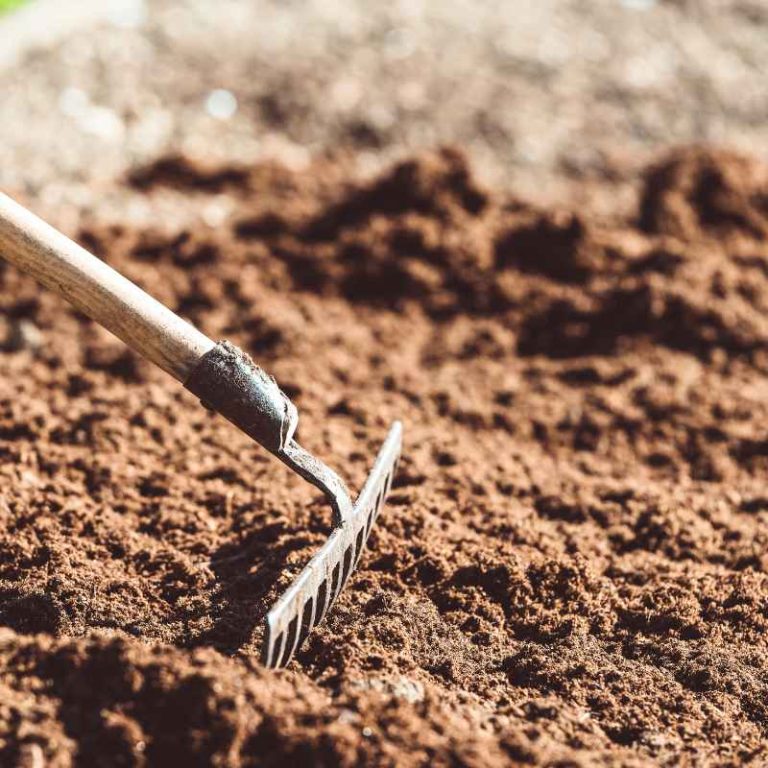
Soil isn’t just dirt. It’s a living thing. It’s a mix of broken-down rocks, dead plants and animals, water, and air.
This mix happens very slowly. Think of it like a very, very slow recipe. Rocks are the base.
Weather breaks them down into smaller pieces. This is called weathering. It can be from rain, wind, or ice.
Then, plants and tiny creatures come into play. Plants grow and die. Their roots break rocks further.
When they decompose, they add stuff to the soil. This stuff is called organic matter. It makes the soil rich and dark.
Water is key too. It helps move minerals around. It also helps living things do their job.
Air is needed for roots to breathe.

What is a Climate Type?
A climate type describes the typical weather in a place. It looks at things like temperature and how much rain or snow falls. It also checks wind patterns and sunshine.
Scientists use different systems to group climates. Some common types are tropical, dry, temperate, continental, and polar. Each type has unique features.
Tropical climates are hot and wet. Dry climates get very little rain. Temperate climates have mild weather.
Continental climates have cold winters and warm summers. Polar climates are very cold.
These big weather patterns shape everything on Earth. They affect what plants can grow. They also affect what animals can live there.
And, importantly, they control how soil is made.
The Champion Climate for Soil: Humid Temperate
So, which climate type is the best soil builder? It’s the humid temperate climate. This climate has mild temperatures.
It also gets plenty of rain spread out over the year. Think of places with four distinct seasons, but where winter isn’t super harsh and summers aren’t scorching dry.
Why is this so good? First, the rock weathering is efficient. Rain is a constant partner.
It washes over rocks. This slowly breaks them apart. Temperatures that aren’t extreme also help.
Freezing and thawing can break rocks. But extreme heat can also affect rock types.
Second, plant life thrives. Moderate temperatures and steady water mean lots of plants can grow. They grow big and fast.
This means more dead plant material. This adds lots of organic matter to the soil. It becomes food for worms and microbes.
Third, decomposition happens well. The right mix of moisture and warmth lets tiny bugs and fungi work their magic. They break down dead plants and animals.
This creates humus. Humus is the dark, rich stuff in soil. It holds water and nutrients.
In these climates, soil can get deep. It has all the right ingredients. This leads to very fertile land.
It’s why many farming regions are in these areas. The combination of steady rain, moderate heat, and great plant growth makes perfect soil-building conditions. It’s a gentle but persistent process.
Over hundreds or even thousands of years, thick, rich soil layers form.
A Real-Life Story: My Visit to the Midwest
I remember visiting friends in the American Midwest once. It was late summer. Everything was green and lush.
The corn fields seemed to stretch forever. My friend, Sarah, a farmer, took me out to her land. She scooped up a handful of soil.
It was dark, almost black. It felt soft and crumbly.
She explained how the soil there was so good for growing. She talked about the rain they got. It wasn’t usually a flood, but a steady soaking.
The summers were warm, perfect for crops. The winters were cold but not deadly. This cycle helped break down old plants each year.
New plants grew on the rich ground.
She told me stories her grandfather told her. He remembered when the land was mostly prairie. Tall grasses grew everywhere.
When they died, they fed the soil. It took a long time. She said the soil was deep, maybe three feet of rich topsoil.
That felt amazing to hear. It showed me how much time and good weather build up great soil.
I had always lived on the coast. Our soil was sandy and thin. Seeing that dark, rich earth made me understand.
It wasn’t magic. It was the climate. It was the plants.
It was the water. All working together, year after year, to create something valuable.
Factors in Humid Temperate Soil Building
Temperature: Mild and consistent. Avoids extremes that can damage soil life or slow down processes.
Rainfall: Steady and sufficient. Keeps rocks moist for weathering and plants alive for growth. Avoids floods or droughts.
Plant Life: Abundant and diverse. Adds lots of organic matter when they die and decompose.
Decomposition: Active. Microbes and fungi break down organic matter efficiently, creating humus.
Other Climates: What Happens There?
While humid temperate climates are best, other climates still make soil. They just do it differently, or much slower. Let’s peek at a few.
Tropical Climates
These are hot and very wet. Rain is usually heavy. This sounds good for soil, right?
Well, it’s a mixed bag. The heat speeds up weathering and decomposition. Plant growth is also huge.
But the heavy rain can be a problem.
Constant rain can wash away valuable nutrients and organic matter. This process is called leaching. It can make the soil less fertile.
Tropical soils can sometimes be old and weathered. They might look red or yellow. This is because minerals like iron and aluminum stick around.
Other nutrients get washed away.
So, while tropical climates support lush forests, the soil itself might not be as deep or rich in nutrients as we expect. It’s fertile for the plants that are there, but harder to farm without careful management.
Tropical Soil: A Quick Look
Pros: Fast weathering, high plant growth, rapid decomposition.
Cons: Heavy rain leaches nutrients and organic matter. Can be old and depleted.
Appearance: Often red or yellow due to iron/aluminum.
Dry Climates (Arid and Semi-Arid)
These places get very little rain. It’s the opposite of tropical. Weathering happens slowly because there’s not enough water.
Plant life is sparse. Not much grows and dies to add organic matter. Decomposition is also very slow because it’s dry.
The soil that forms here is often thin. It’s mostly made of mineral particles. It has very little organic matter.
Think deserts. The soil is sandy or rocky. It can be salty if water evaporates quickly, leaving salts behind.
These soils are not good for farming without irrigation and lots of added nutrients.
However, in some semi-arid areas with good management, soil can be decent. But it’s a constant challenge to build and keep organic matter. It takes a lot of effort to keep these soils productive.
Dry Climate Soil: What to Expect
Pros: Slow erosion (less water to move things). Minerals don’t leach easily.
Cons: Very slow weathering, little plant growth, minimal organic matter, slow decomposition, often salty.
Appearance: Sandy, rocky, light-colored, low in nutrients.
Continental Climates
These climates have cold winters and warm summers. There’s usually decent rainfall. Plant growth is good during the warm months.
Decomposition happens in the summer too.
The cold winters can slow things down. Freezing and thawing can break rocks. But decomposition of dead plant material is much slower in the cold.
Organic matter can build up. This is because it doesn’t break down as fast as it’s added.
Many of these soils can be quite fertile. They often have a good amount of organic matter. Grasslands in these climates are famous for their rich soils.
Think of the steppes. These soils are productive for farming. They have a good balance of minerals and organic material.
The weather provides enough water and warmth for growth, but the cold seasons help conserve organic matter.
Continental Climate Soil: A Closer Look
Pros: Good plant growth in summers, cold seasons preserve organic matter, decent rainfall.
Cons: Cold winters slow decomposition. Can be less active than temperate climates.
Appearance: Often dark, rich, and deep, especially in grassland areas.
Polar Climates
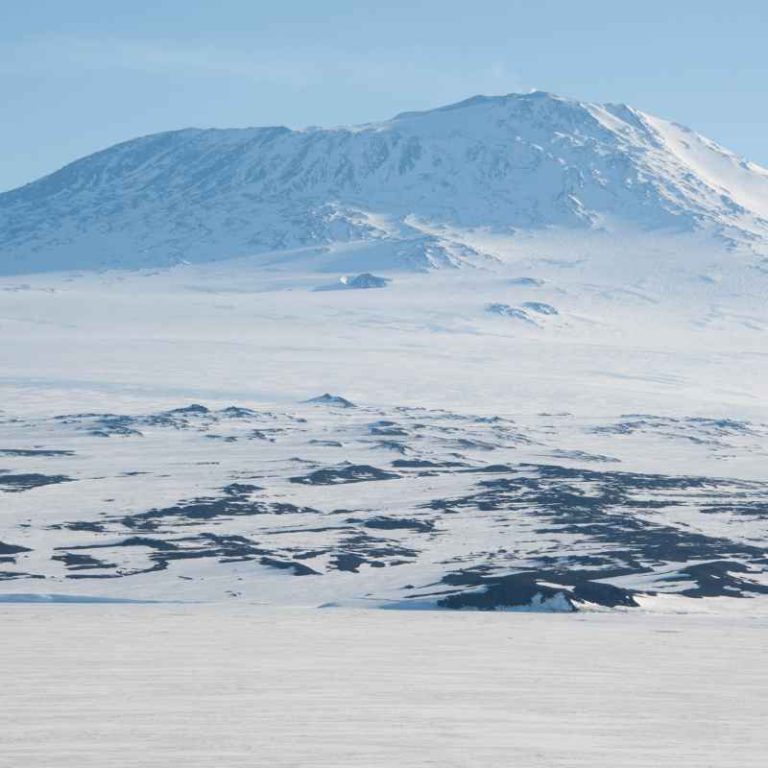
These are the coldest climates. Very little grows here. There’s lots of ice and snow.
Temperatures are almost always below freezing. Rock weathering is slow. Decomposition is almost non-existent.
The soils here are very thin. They have almost no organic matter. They are often frozen for most of the year.
This is called permafrost. Life is very hard for soil organisms in these conditions. The soil that does form is usually sandy or stony.
It’s not fertile at all.
These areas are not suitable for growing crops. The extreme cold limits all the processes that build good soil. It’s a very harsh environment for soil formation.
Polar Climate Soil: The Story So Far
Pros: Very little erosion from wind and water.
Cons: Extremely slow weathering, minimal plant growth, virtually no decomposition, frozen ground (permafrost), very thin and infertile.
Appearance: Rocky, stony, or sandy; very low organic content.
Why Soil Formation Matters So Much
Understanding soil formation isn’t just an academic exercise. It directly impacts our lives. Healthy soil is the foundation of our food systems.
It supports plant life, which we eat directly or indirectly.
Good soil also filters water. It holds onto rain. This helps prevent floods.
It also keeps rivers and lakes cleaner. Healthy soil is a carbon sink. Plants take carbon dioxide from the air.
When they die, this carbon goes into the soil. This helps fight climate change.
The type of soil we have also affects what can grow in a region. If a climate doesn’t support good soil formation, it limits agriculture. This can affect local economies and food security.
For example, regions with thin, dry soils might struggle to grow staple crops. They might rely on imports.
In places with rich, deep soils formed over centuries in humid temperate climates, farming can be very productive. This leads to abundance. It allows for specialized crops and a strong agricultural sector.
The difference is stark and has real-world consequences for people.
Real-World Context: Farming in Different Regions
Think about the vast grain belts of North America and Europe. These areas are famous for their fertile soils. They often sit within humid temperate or continental climate zones.
The consistent rainfall and moderate temperatures allow for abundant crop growth. The resulting organic matter builds deep, nutrient-rich topsoil.
Farmers in these regions can grow large amounts of wheat, corn, and soybeans. This supports not just their local populations but also exports worldwide. The soil is a direct asset, cultivated and protected.
Now, consider parts of Australia or the Middle East. These regions often have dry or semi-arid climates. Soil formation is much slower.
There’s less organic matter. Farming is challenging. It requires different techniques.
Often, crops are limited to drought-resistant types. Or, irrigation becomes essential, which can lead to other soil issues like salinization.
The story is the same in many tropical regions. While there’s lots of plant life, the constant heavy rain can lead to nutrient-poor soils. Farmers often have to add a lot of fertilizer to grow crops successfully.
Deforestation can quickly lead to soil erosion because the soil isn’t built to withstand heavy rains without the protective canopy.
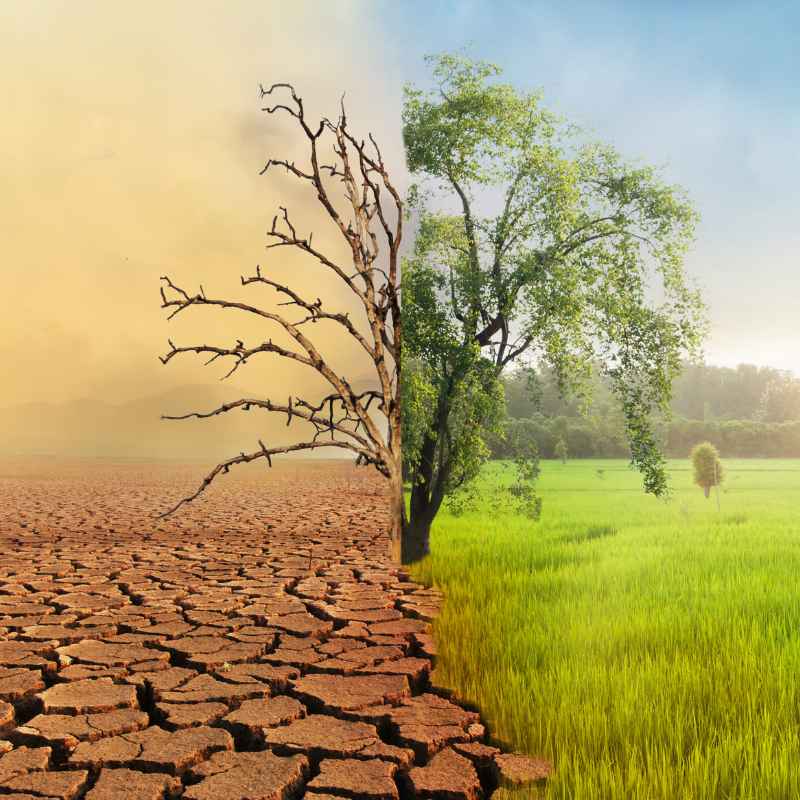
These differences show how critical climate is. It sets the stage for the soil we have. It dictates what we can grow and how we must manage our land.
What This Means for You
So, what’s the takeaway? Understanding climate’s role in soil formation helps us appreciate our environment.
When Soil Formation is “Normal”
If you live in a region with moderate rainfall and temperatures that change through the year, you likely have soil that is forming at a good pace. You’ll see a decent amount of plant life. You’ll notice soil that is dark and crumbly if you dig into it.
This is the kind of soil that supports gardens and farms well.
This “normal” soil formation is a sign of a healthy ecosystem. It means rocks are breaking down. Plants are growing and dying.
Microbes are doing their job. It’s a slow, steady process that builds a vital resource.
When to Worry About Soil
You might worry if your soil is very thin. Maybe it’s mostly sand or rocks with no dark, crumbly bits. If you live in a very dry area, this might be normal.
But if you have low rainfall and your soil is still not improving, that’s a concern.
Another worry is soil erosion. If you see soil washing away when it rains heavily, or blowing away in the wind, that’s a sign the soil isn’t healthy. This often happens when there isn’t enough plant cover.
Or, the soil itself is weak.
Extreme climates, like very hot and dry or very cold and dry, naturally lead to slower soil formation. But even in these areas, human actions can make things worse. Overgrazing or cutting down too many trees can speed up soil loss.
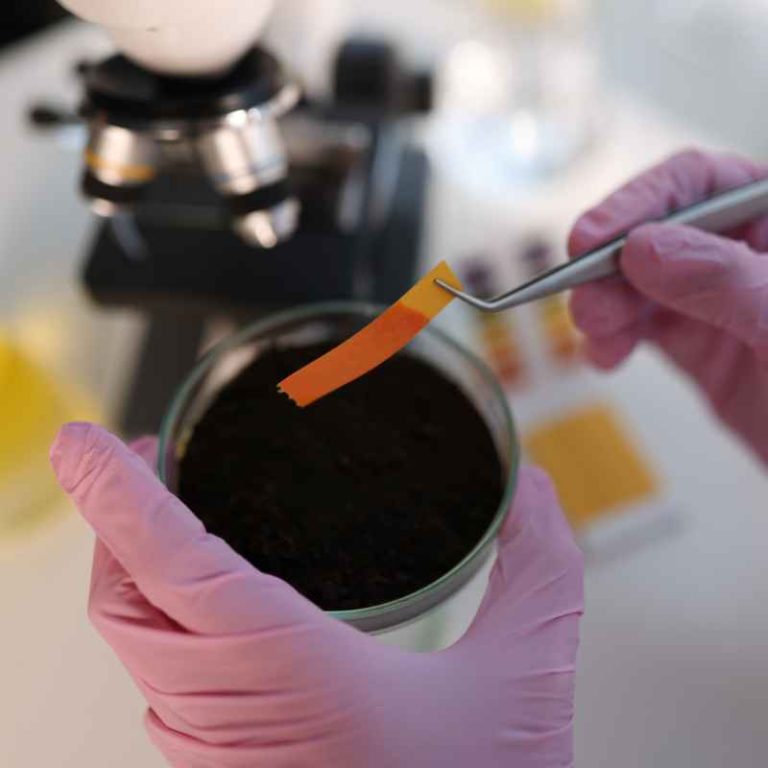
Simple Soil Checks
You can do a few simple checks. Grab a handful of soil. Is it dark and does it hold its shape a little when squeezed, but then crumble?
That’s a good sign. Is it mostly loose sand or clay? That might mean less organic matter.
Smell your soil. Does it smell earthy and alive? Or does it smell musty or chemical?
An earthy smell is good. It means microbes are active.
Observe the plant life around you. Are plants growing well? Are there many different kinds?
A healthy ecosystem often means healthy soil underneath.
Quick Tips for Soil Health
Even if your climate isn’t ideal for rapid soil formation, you can help your soil. These tips are more about maintaining and improving existing soil than changing the climate.
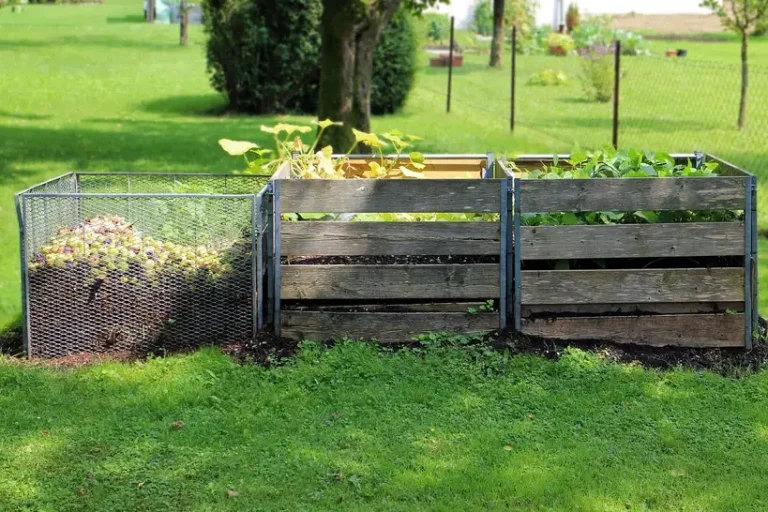
- Add Compost: This is like giving your soil a nutrient boost. Compost is decomposed organic matter. It adds richness and improves soil structure.
- Mulch Your Garden: Cover bare soil with wood chips, straw, or leaves. Mulch keeps moisture in. It protects soil from erosion. It also slowly breaks down to feed the soil.
- Avoid Compacting Soil: Don’t walk on garden beds. Use paths. Heavy feet crush soil particles. This makes it hard for air and water to get in.
- Plant Cover Crops: In vegetable gardens, plant crops like clover or rye in the off-season. They protect the soil. Their roots help break it up. When tilled in, they add organic matter.
- Reduce Tilling: Plowing and tilling can break up soil structure. It can also harm beneficial soil organisms. Consider no-till or minimum-till gardening.
- Choose Native Plants: Plants that evolved in your area are best adapted. Their root systems are suited to your soil. They require less water and care.

Frequently Asked Questions About Soil Formation and Climate
Which specific climate factors are most important for rapid soil formation?
The most important factors are abundant moisture and moderate temperatures. Plenty of rain keeps rocks moist for weathering and supports plant growth. Moderate temperatures encourage microbial activity for decomposition without being so extreme that they damage soil life or slow down processes too much.
Can a humid temperate climate always produce fertile soil?
While humid temperate climates offer the best conditions, fertility also depends on the parent material (the type of rock it forms from) and the time elapsed. Steep slopes can lead to erosion, and poor management can deplete nutrients. However, these climates provide the most favorable environment for fertile soil to develop naturally over time.
How does a lack of rainfall affect soil development?
A lack of rainfall (dry climates) severely slows down soil formation. There’s not enough water for significant rock weathering. Plant growth is limited, meaning less organic matter is added.
Decomposition is also very slow in dry conditions, resulting in thin, mineral-heavy soils with little fertility.
Is rapid soil formation always good?
Rapid soil formation, like in some humid temperate zones, generally leads to fertile soil good for agriculture. However, extremely rapid processes, such as those on steep slopes with heavy rain, can lead to excessive erosion. It’s the balance of formation and stability that matters most.
How long does it take for good soil to form?
Soil formation is a very slow process. It can take hundreds to thousands of years to form just one inch of topsoil. The exact time depends heavily on the climate, the parent material, the slope of the land, and the presence of living organisms.
Why are tropical soils often less fertile than temperate soils, despite high rainfall and plant growth?
In tropical climates, the heavy and frequent rainfall can wash away (leach) essential nutrients and organic matter from the soil. While plant growth is abundant, the constant rain can lead to nutrient depletion faster than the soil can replenish itself, making the soil less fertile for sustained agriculture compared to temperate soils where leaching is less severe.
Wrapping Up: The Earth’s Slow Artistry
It’s clear that climate plays a huge role in making soil. Humid temperate regions are like the master artists. They paint the land with rich, deep soil.
This soil feeds us and keeps our planet healthy.
Understanding this helps us. It shows us why some places are great for farming. It also shows us why others need special care.
Soil is a treasure. It’s built by time, weather, and life itself.
Related pick: Check today's price on Amazon