Why Does Antarctica’S Soil Have Little Organic Content? Explained
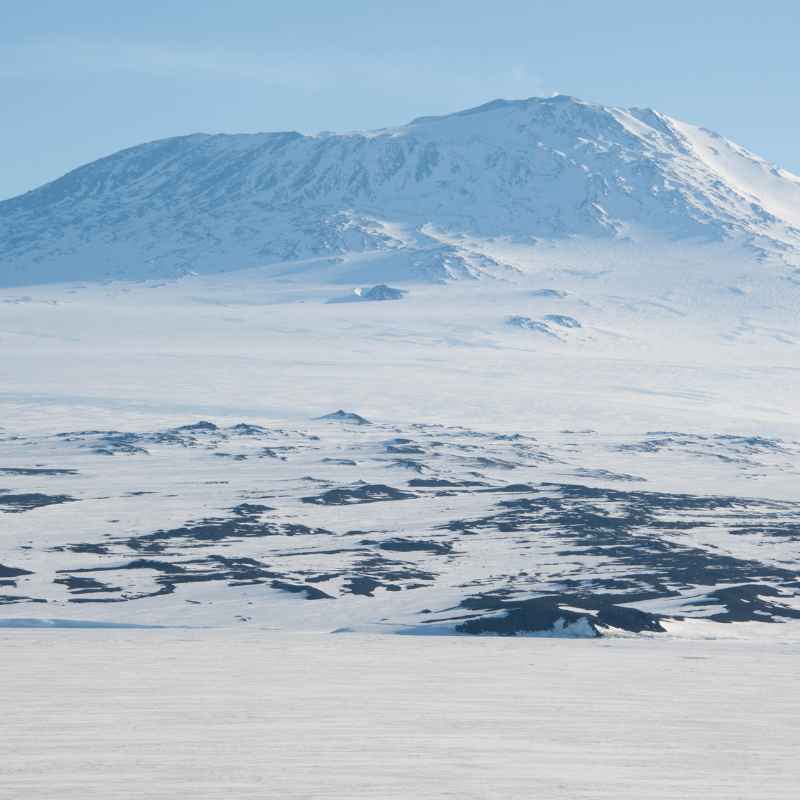
It might seem odd to talk about soil when you think of Antarctica. You probably picture endless ice and snow. But even in this frozen land, there’s soil.
For a related follow-up, A Device Used To Differentiate The Several Classes Of Soil Explained gives readers a useful next step.
And if you look closely, you’ll notice something really striking. This soil doesn’t have much in it. It’s very bare.
Many people wonder why. This article will explain it all.
Antarctica’s soil has very little organic content because of its extremely cold climate, low biodiversity, and limited plant and microbial activity. These factors severely restrict the growth of plants and the decomposition of organic matter, leading to nutrient-poor, mineral-dominant soils.
Understanding Antarctic Soil
Antarctic soil is a curious thing. It’s not like the rich, dark soil you find in a garden. It’s mostly rocks and minerals.
Think sand and dust. There are very few bits of dead plants or animals mixed in. This is what we call “organic content.” It’s the stuff that makes soil healthy and fertile for growing things.
Why is this organic content so low? Several big reasons stand out. The biggest is the weather.
Antarctica is the coldest place on Earth. Temperatures are almost always below freezing. This makes it hard for anything to grow.
It also makes it hard for dead things to break down.
Another key reason is the lack of life. You don’t see many plants or animals roaming around Antarctica. There are no trees, no big forests.
The life that does exist is mostly in the oceans. On land, it’s mostly small things like mosses, lichens, and tiny insects. This limited life means less material to add to the soil.
The actual processes that build soil are also very slow. Decomposition, where dead things turn back into soil nutrients, takes ages in the cold. So, what’s there doesn’t break down easily.
This creates a cycle of very little organic matter being added or formed.

The Harsh Antarctic Environment
Let’s dive deeper into the environment. It’s truly extreme. The average temperature in the interior of Antarctica is about -57 degrees Celsius (-70 degrees Fahrenheit).
Even on the coast, it’s cold. Summers are short and cool. This means a very short growing season for any plants that might try to take hold.
Water is also a big issue. Most of the water in Antarctica is frozen. It’s locked up in ice sheets and glaciers.
Even when it’s not frozen, it might be unavailable because it’s too cold for plants to use. This lack of liquid water limits growth. Plants need water to live and grow.
Without it, they can’t survive.
Wind is another factor. Antarctica is a very windy place. The strong winds can blow away any loose soil or organic material.
This prevents it from building up. It’s like trying to build a sandcastle on a beach with a constant strong breeze. Things just get scattered.
Sunlight is also tricky. During the Antarctic winter, there’s no sunlight for months. This darkness is tough for any life.
While there’s 24-hour sunlight in summer, it’s still not very warm. So, the cold and the lack of liquid water are the main environmental hurdles.
Limited Biodiversity on Land
When we talk about biodiversity, we mean the variety of living things in a place. Antarctica’s land biodiversity is extremely low. It’s one of the least diverse continents on Earth.
The harsh conditions mean only the toughest life forms can survive.
On land, you won’t find any native land mammals, reptiles, or amphibians. There are no trees, shrubs, or flowering plants. The plant life is very basic.
It includes things like mosses, lichens, and a few types of grasses and flowering plants. These usually grow only in the warmer, coastal areas. These areas are often called the “Antarctic oases.”
Insects are also few. You might find some springtails, mites, and midges. These are very small.
They live in the soil or on the plants. They are tough and adapted to the cold. But their numbers are small compared to other places.
The real hub of Antarctic life is the ocean. Marine animals like penguins, seals, and whales thrive there. They rely on the sea for food.
When these animals die, their bodies can wash ashore. This can add some organic material to the coastal soils. But it’s not a constant or widespread source.
This lack of diverse and abundant plant and animal life on land means there’s simply less material available to become organic matter in the soil. No lush forests mean no fallen leaves. No large animal populations mean fewer droppings or decaying bodies.
Life in the Antarctic Soil
What lives in the soil? Tiny creatures. Things like bacteria, fungi, and algae are present. They are crucial for any decomposition that does happen.
Microscopic invertebrates like nematodes also live there. These are like tiny worms.
Role of microbes: These microbes are often slow-acting. They work at very low temperatures. Their job is to break down dead organic matter.
They return nutrients to the soil. But the cold slows them down a lot.
Why they matter: Even though the amount of organic matter is small, these microbes are vital. They are the main drivers of nutrient cycling. They help make the few nutrients available usable for plants.
The Slow Process of Decomposition
Decomposition is the natural process where dead organic material breaks down. This releases nutrients back into the soil. It’s a vital part of any healthy ecosystem.
In most places, bacteria and fungi do this work quickly. Especially in warmer, moist environments.
But in Antarctica, this process is incredibly slow. The main reason is the extreme cold. Low temperatures greatly slow down the activity of microbes.
Bacteria and fungi are cold-blooded. Their life processes depend on the temperature. When it’s very cold, they become dormant or work very, very slowly.
Another factor is the lack of moisture. Even if it’s not frozen, water can be hard for microbes to access. It might be locked up in ice.
Or it might be too cold for it to be in a liquid state for long. Water is needed for microbial life and activity.
Oxygen availability can also be an issue in some Antarctic soils. While many soils are airy, compacted soils or those with a lot of ice can limit oxygen. This can affect the types of decomposition that occur.
Anaerobic decomposition (without oxygen) is slower and produces different byproducts.
Because decomposition is so slow, any organic matter that does get added to the soil doesn’t break down quickly. It can sit there for a long time. This means nutrients are locked up.
They aren’t released to feed new plant growth. This creates a cycle where soil remains poor in organic matter.
Think of it like putting a leaf in your freezer. It doesn’t rot away. It just stays there, frozen.
Antarctic soil is like a giant, slow-motion freezer for organic material. The processes that would normally make it disappear and become part of the soil happen at a snail’s pace.
Types of Antarctic Soils
Antarctic soils are not all the same. They vary depending on where you are. You can find a few main types.
Common Antarctic Soil Types
Polar Desert Soils: These are the most common. They cover vast areas. They are very dry.
They have little to no vegetation. They are mostly mineral and rock fragments. They are very low in organic matter.
Sub-Antarctic Tundra Soils: Found on the Antarctic Peninsula and islands. These areas are a bit warmer and wetter. They support more vegetation like mosses and lichens.
These soils have slightly more organic matter. They can be peaty in places.
Glaciated Soils: Found near glaciers. These are often recently exposed rock or till. They have almost no organic matter.
They are very young soils. They are still developing.
The soils in the drier, colder interior are the most mineral-like. They are often called “cold deserts.” They are largely inert. They don’t support much life.
This is where the organic content is at its absolute lowest.
Near the coast and on islands, things can be different. If marine life washes ashore, it adds nutrients. If mosses and lichens grow and die, they slowly build up a thin layer of organic material.
These soils are richer, but still very poor compared to soils in other continents.
Human Impact and Soil Development
For a long time, human impact on Antarctic soil was very small. Humans have only been present for research. But even research stations can affect the local environment.
This is especially true for soil.
Now, there are more research stations. And more tourists visit. This increases the risk of introducing non-native species.
These could be seeds or microbes. They might compete with native life. Or they could change soil processes.
There’s also the risk of physical disturbance. Vehicles driving around can compact soil. They can damage fragile vegetation.
Construction for stations can also disturb large areas.
Scientists are very careful. They try to minimize their footprint. They follow strict rules.
These rules help protect the unique Antarctic environment. This includes the soil.
The development of soil itself is a very slow process in Antarctica. It takes thousands of years for soil to form. This is because of the cold.
It’s also because of the lack of organic matter to start with.
Even where soil exists, it’s often very thin. It’s not deep like the soils found in temperate climates. This thinness makes it vulnerable.
It can be easily eroded by wind or water.
Soil Formation in Antarctica
- Weathering: Rocks break down over long periods. This is called weathering. It happens very slowly in the cold.
- Organic Input: Dead plants and microbes add organic matter. This is scarce in Antarctica.
- Microbial Action: Microbes slowly break down material. This releases nutrients. Their activity is very low.
- Time: Soil formation is a process that takes centuries or millennia. Antarctica’s soils are often very young.
Why This Matters for the Ecosystem
The lack of organic matter in Antarctic soil has big consequences. It directly affects the life that can survive there. Plants need nutrients from the soil to grow.
If the soil is poor, plant growth is limited.
Limited plant growth means less food for any animals that eat plants. While there are few land animals, the ones that exist depend on these basic plants. This limits their numbers and diversity.
The soil also plays a role in water retention. Healthy soils with organic matter can hold water. This helps plants survive dry spells.
Antarctic soils are often dry and sandy. They can’t hold water well. This makes it harder for plants to get the moisture they need.
The stability of the land is also affected. Organic matter helps bind soil particles together. This prevents erosion.
In areas with very little organic matter, the soil is easily blown away by wind. Or it can be washed away by meltwater.
Even though the soil is a small part of the Antarctic story, it’s important. It’s the foundation for the terrestrial ecosystems that do exist. Understanding why it’s so poor in organic content helps us understand the limits of life in such extreme places.
It also highlights the fragility of these ecosystems. Any small change can have a big impact. The low organic content means these soils are not very resilient.
They can’t bounce back easily from damage.
Comparing Antarctic Soil to Other Places
To really grasp why Antarctic soil is so bare, it helps to compare it. Think about a forest floor in the United States. Or a farmer’s field in the Midwest.
These soils are rich. They have plenty of organic matter. This comes from fallen leaves, dead roots, and animal waste.
Decomposition happens quickly. This constant cycle of life and death builds up deep, fertile soil.
These soils are dark brown or black. They feel rich and crumbly. They hold moisture well.
They are full of worms, insects, and microbes. They can support lush plant growth.
Now picture the soil in Antarctica. It’s often light brown, gray, or even reddish-brown. It looks more like sand or gravel.
It might be dusty. It doesn’t feel crumbly. It can be very dry.
The organic content in a typical temperate forest soil can be 5-10% or even more. In many Antarctic soils, it’s less than 1%. Sometimes it’s almost zero.
This is a massive difference.
The key differences are:
- Temperature: Much warmer in temperate zones.
- Water: More liquid water available.
- Biodiversity: Far more plants and animals.
- Decomposition Rate: Much faster.
These factors combine to create soils that are fundamentally different. One supports abundant life. The other is a sparse, mineral-based substrate.
This comparison really drives home the impact of Antarctica’s unique environment.
What This Means for You
If you’re not planning a trip to Antarctica, why does this matter? It helps us appreciate the diversity of our planet. It shows how life adapts to extreme conditions.
It also serves as a stark reminder of the delicate balance of ecosystems. Antarctica is often called a “last frontier.” It’s a place that has been less touched by human activity. But its systems are still sensitive.
Understanding why Antarctic soil is the way it is can inform how we view other fragile environments. It teaches us about the conditions needed for life to thrive. And how easily those conditions can be disrupted.
For anyone interested in science, it’s a fascinating case study. It demonstrates basic principles of soil science, ecology, and climate. It shows how geology, biology, and climate all interact.
It can also make you think about the soil in your own backyard. The dark, rich soil you might take for granted is a treasure. It’s the result of millions of years of life and decomposition.
Cherishing and protecting that soil is important.
When is Antarctic Soil “Normal”?
The concept of “normal” is relative here. For Antarctica, “normal” means very little organic content. It’s normal for it to be mineral-dominated.
When is it not normal for Antarctic soil?
- Unexpectedly High Organic Matter: If you find a spot with a thick layer of dark, peaty soil without a clear source (like a penguin colony or seabird rookery), that would be unusual.
- Abundant Vegetation: Seeing large areas of grass or flowering plants growing without a clear reason (like a geothermal vent or a very sheltered spot) would be abnormal.
- Rapid Decomposition: If you saw signs of rapid decay of organic material, like composting smells or active breakdown of plant matter, that would be highly unusual for the climate.
In most of the continent, the soil is indeed very poor. It’s composed mostly of weathered rock and mineral fragments. Any organic matter is usually scarce and found in specific, sheltered locations.
These are often areas where life is slightly more abundant, like coastal regions or near research stations that might introduce small amounts of organic material.
The extreme cold, lack of liquid water, and limited life forms are the defining characteristics of the Antarctic terrestrial environment. Therefore, soils that reflect these conditions are considered “normal” for Antarctica.
Quick Tips for Understanding Antarctic Soil
Here are a few simple takeaways:
- Cold is Key: The biggest reason for low organic content is the extreme cold.
- Life is Scarce: Not many plants or animals live on land.
- Decomposition is Slow: Dead things break down very, very slowly.
- Mostly Minerals: The soil is mostly made of rocks and dust.
- It’s Unique: Antarctic soil is unlike soil anywhere else on Earth.

Frequently Asked Questions about Antarctic Soil
Is there any soil in Antarctica at all?
Yes, there is soil in Antarctica. It’s not like the soil you find in gardens or farms. It’s mostly made of rocks, sand, and dust.
There is very little organic material mixed in. It’s found in areas that are not covered by ice.
Why are there no trees in Antarctica?
Trees need a lot of things to survive. They need warmth, lots of liquid water, and good soil with nutrients. Antarctica is too cold.
It has very little liquid water. The soil is very poor. These conditions make it impossible for trees to grow.
What is “organic content” in soil?
Organic content means the remains of living things in the soil. This includes dead plants, dead animals, and their waste. It’s what makes soil fertile and healthy.
It helps soil hold water and nutrients. This is very scarce in Antarctica.
Can anything grow in Antarctic soil?
Yes, some very tough plants can grow. These include mosses, lichens, and a few small grasses and flowering plants. They usually grow only in warmer, coastal areas.
They are adapted to the cold and short growing seasons.
How long does it take for soil to form in Antarctica?
Soil formation is a very slow process. In Antarctica, it’s even slower because of the cold. It can take thousands of years for even a thin layer of soil to develop.
This is much longer than in warmer climates.
Are Antarctic soils dangerous?
Antarctic soils themselves are generally not dangerous. They are mostly mineral and lack the organic matter to support harmful bacteria easily. However, the extreme environment of Antarctica itself is very dangerous due to cold, wind, and ice.
What is the main composition of Antarctic soil?
The main composition of Antarctic soil is mineral material. This includes weathered rock fragments, sand, silt, and clay. Organic matter, which is derived from dead plants and animals, makes up a very small percentage of the total composition.
The Frozen Foundation of Life
So, there you have it. The mystery of Antarctica’s bare soil is solved. It all comes down to the extreme cold.
It’s also about the very little life that can survive there. And the slow pace of nature’s recycling system.
This frozen continent is a unique place. Its soils are a testament to life’s struggle and adaptation. Understanding them helps us appreciate the incredible diversity of our planet.
Even in the harshest places, life finds a way. But it shapes the very ground beneath its feet.