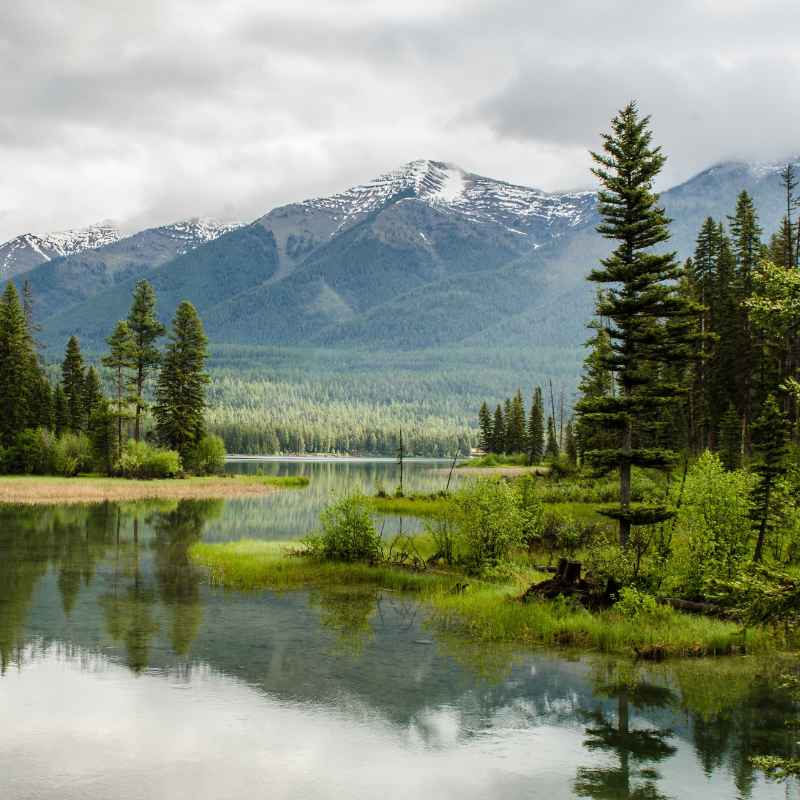

The American West. It’s a place of wide-open spaces, rugged mountains, and a history deeply tied to the land. For many, this region conjures images of cowboys and vast ranches.
For a related plant-care question, Banana Plant Rhizomes: What They Are And How They Work gives readers a more focused follow-up.
But the story of the West is also a story of great change. Especially during a time when the country faced a huge crisis.
Franklin D. Roosevelt’s policies, part of his New Deal, didn’t just try to fix the economy. They also dramatically changed how we interact with the natural world.
This article dives deep into that transformation. We’ll explore how these programs worked. We’ll see what happened to the land.
And we’ll find out what it all means for us today. Get ready to learn about a fascinating and often overlooked chapter in American history.
The New Deal policies under President Franklin D. Roosevelt significantly transformed the Western landscape. Programs like the Civilian Conservation Corps (CCC) and the Works Progress Administration (WPA) led to vast infrastructure projects. They also addressed environmental issues like soil erosion and conservation. These efforts shaped parks, dams, and water systems still vital today.
The West Before the New Deal: A Land in Crisis
Imagine the American West in the early 1930s. It was a land of promise for some. For others, it was a place of hardship.
Many people had moved west seeking opportunity. They found farming and ranching challenging. The weather was often unforgiving.
Rainfall could be scarce.
Then came the Dust Bowl. This was a terrible time. A severe drought hit the Great Plains.
Strong winds picked up the dry soil. This created massive dust storms. These storms buried farms and homes.
They choked the air. People lost their farms. Many had to leave their homes.
They became known as “Okies,” even if they weren’t from Oklahoma. This environmental disaster was a wake-up call. It showed how fragile the land could be.
At the same time, forests in the West were struggling. Logging practices were not always careful. Fires were common.
Many areas faced soil erosion. This meant the rich topsoil was washing away. This made it hard for plants to grow.
It also meant rivers and streams got muddy. The natural beauty and resources of the West were under threat.
The economy was also in ruins. The Great Depression meant fewer jobs. People had little money.
Many lived in poverty. This made fixing the land and building new things seem impossible. The West needed help.
It needed a new vision. It needed a way to heal the land and its people.
The Civilian Conservation Corps (CCC): Planting Seeds of Change
One of the most visible and impactful New Deal programs was the Civilian Conservation Corps, or CCC. President Roosevelt launched it in 1933. The goal was clear: give young men jobs.
These jobs would help the environment. It was a win-win. Young men got paid and learned skills.
The country got much-needed conservation work done.
The CCC was open to men aged 17 to 28. They had to be unemployed and from families on relief. They were organized into camps.
These camps were like small towns. Workers lived there. They ate there.
They also worked from there. They built roads. They planted trees.
They fought forest fires. They built trails in national parks. They worked on soil conservation projects.
The impact in the West was huge. Think about national parks. Places like Yosemite, Yellowstone, and the Grand Canyon got a major facelift.
CCC workers built many of the roads and trails we still use. They constructed visitor centers and campgrounds. They helped preserve the beauty of these iconic places for future generations.
This work helped make these parks accessible. It allowed more Americans to enjoy the natural wonders of the West.
Beyond the parks, the CCC tackled serious environmental problems. Soil erosion was a big one. In the Dust Bowl regions, they planted millions of trees.
These trees acted as windbreaks. They helped hold the soil in place. This stopped the dust storms from being as bad.
They also worked on controlling gullies. These are deep ditches formed by water runoff.
The CCC also focused on wildlife. They built birdhouses. They helped control animal populations that harmed forests.
They worked on restoring habitats. This helped many species that were struggling. The work of the CCC was not just about labor.
It was about fostering a new respect for nature. It taught young men the value of hard work and the importance of protecting natural resources.
Many of these young men came from cities. They had never seen so much nature before. They learned to work with their hands.
They learned to live outdoors. They sent much of their paychecks home to their families. This money helped keep many families afloat during tough times.
The CCC was more than just a job program. It was a lifeline. It helped rebuild lives and reshape the American landscape.
CCC in Action: Quick Facts
What they did: Planted 2 billion trees. Fought forest fires. Built 800 miles of fire breaks.
Improved 3,000 miles of roads. Built 97 new state parks. Restored 1 million acres of land.
The Soil Conservation Service: Fighting the Dust Bowl
The Dust Bowl was a national tragedy. It showed that the way people farmed was not working. Dry farming techniques, combined with drought, turned fertile land into dust.
The wind did the rest. The government knew it had to do something. It needed a new approach to farming.
This led to the creation of the Soil Conservation Service (SCS) in 1935. Now it’s known as the Natural Resources Conservation Service.
The SCS worked with farmers. They taught them better ways to farm. This included techniques like contour plowing.
Instead of plowing up and down hills, farmers plowed across them. This created small ridges that caught water. It stopped soil from washing away.
They also promoted strip cropping. This involves planting different crops in alternating strips. One crop would protect the other.
Terracing was another important technique. Farmers built flat steps on hillsides. This slowed down water.
It prevented erosion. They also worked on planting grasses and trees. These helped hold the soil together.
They acted as natural barriers against the wind. The SCS provided technical advice. They also gave farmers tools and resources.
The work was slow and difficult. But it made a difference. Farmers who adopted these methods saw their land start to recover.
The dust storms became less frequent and less severe. The SCS also worked on rebuilding the natural grasslands. These areas had been overgrazed.
Restoring them was crucial for the ecosystem.
The impact of the SCS extended beyond just farming. It helped protect water sources. Less soil in the rivers meant cleaner water.
It also helped improve the health of the land for wildlife. This program was a major shift. It moved from simply using the land to actively caring for it.
It recognized that the health of the land was tied to the health of the nation.
Many farmers were skeptical at first. They were used to doing things their old way. But as they saw the results, more and more adopted the new practices.
This collaboration between government experts and farmers was key. It was about sharing knowledge. It was about building trust.
The SCS helped change the relationship between Americans and their land. It laid the groundwork for modern conservation efforts. The fight against the Dust Bowl was a harsh lesson.
But it led to lasting, positive change.
Contrast Matrix: Dust Bowl Farming
| Myth (Old Way) | Reality (SCS Approach) |
| Plowing up and down hills. | Contour plowing across hills. |
| Planting large, open fields. | Strip cropping with different plants. |
| Ignoring wind and water flow. | Using terraces and windbreaks. |
| Overgrazing native grasses. | Restoring and protecting grasslands. |
The Bureau of Reclamation: Taming Rivers and Creating Oases
The West is often dry. Water is life. But getting water where it was needed was a huge challenge.
Rivers flowed, but often far from farmland. The growing population needed water for drinking and farming. President Roosevelt’s New Deal also tackled this.
The Bureau of Reclamation, a government agency, became very active.
The Bureau of Reclamation started building large dams. These dams did several things. They stored water from rain and snowmelt.
This stored water could be released slowly. It could be sent through canals to farms. It could also supply cities with drinking water.
Dams also generated electricity. This was a new and vital resource for the growing West.
Some of the most famous projects happened during this time. The Hoover Dam on the Colorado River is a prime example. Construction began in 1931, before the New Deal, but Roosevelt’s administration oversaw its completion.
It was an engineering marvel. It created Lake Mead. This massive lake stores water for millions of people in California, Arizona, and Nevada.
It also provides power.
The Grand Coulee Dam on the Columbia River in Washington was another massive undertaking. It became the largest power producer in the U.S. It also allowed for extensive irrigation projects.
This turned dry land into fertile farmland. Millions of acres in the Pacific Northwest now rely on its water.
These projects were not without their challenges. They involved moving tons of earth and rock. They required new construction techniques.
They created jobs for thousands of people. These workers faced tough conditions. But they were building something for the future.
They were creating new possibilities for life in the arid West.
The dams and canals changed the landscape dramatically. They created reservoirs. They redirected rivers.
They opened up new areas for farming. This led to population growth in many Western states. It supported the development of agriculture and industry.
It made the West a more habitable place.
However, these projects also had environmental consequences. They changed river flows. They affected fish migration.
They altered ecosystems downstream. The creation of large dams is a complex issue. It involves balancing human needs with environmental concerns.
The New Deal’s approach was to build. It aimed to solve immediate problems. It focused on harnessing nature’s power for human benefit.
These projects represent a massive investment in the West. They are a testament to what can be achieved with large-scale planning and labor. The water and power they provide are still essential.
They shaped the economic and social development of the region. They truly transformed the Western landscape, making it bloom in ways never before possible.
Stacked Micro-Sections: Water Projects
Hoover Dam: Created Lake Mead. Supplies water and power to Southwest states.
Grand Coulee Dam: Largest U.S. power producer. Enabled irrigation in Washington.
Central Valley Project (started later): Aimed to manage water in California’s fertile valley.
Impact: Turned deserts into farms. Supported population growth. Provided crucial electricity.
The Works Progress Administration (WPA): Building for Communities
While the CCC focused on nature and the Bureau of Reclamation on water, the Works Progress Administration, or WPA, had a broader mission. It was created in 1935. Its goal was to put millions of unemployed people to work on public projects.
This included a vast array of construction and cultural endeavors across the nation, and especially in the West.
The WPA built and improved public buildings. Think schools, libraries, post offices, and hospitals. Many Western towns and cities got new infrastructure thanks to the WPA.
They built roads, bridges, and sidewalks. They created parks and playgrounds. They even built airports.
In the West, these projects were vital. Many communities were growing. They needed better facilities.
The WPA provided the labor and the funding. For example, in small Western towns, a new WPA-built school might be the only modern building around. A WPA park could be the only green space for families.
The WPA also supported the arts. It employed artists, musicians, writers, and actors. They created murals for public buildings.
They put on free concerts and plays. They documented local history. This had a cultural impact.
It helped preserve the stories and traditions of the West. It brought art and culture to people who might not have had access otherwise.
The scale of the WPA’s work is hard to overstate. It touched nearly every aspect of public life. It provided a sense of purpose and dignity for millions of workers.
It helped communities feel hopeful. It built lasting structures that are still in use today. The WPA infrastructure projects in the West helped connect isolated areas.
They improved public services. They built the foundations for future growth.
The workers on WPA projects were diverse. They included skilled tradespeople and unskilled laborers. They were men and women.
The projects were designed to be useful and to last. They weren’t just make-work jobs. They were about building and improving.
This focus on tangible results made the WPA very popular. It left a physical legacy across the American West.
I remember visiting a small town in Montana a few years back. I saw an old post office. The stone work was beautiful.
A plaque on the wall said it was built by the WPA. It felt like a direct connection to that era. You could see the care that went into it.
It wasn’t just a building. It was a symbol of hope and hard work during a very dark time. That’s the kind of lasting impact these projects had.
WPA Projects in the West: A Snapshot
Infrastructure: Roads, bridges, dams, airports, irrigation canals.
Public Buildings: Schools, libraries, courthouses, hospitals, post offices.
Recreation: Parks, playgrounds, swimming pools, athletic fields.
Conservation: Erosion control, reforestation, wildlife refuges.
Arts & Culture: Murals, concerts, plays, historical records.
Real-World Impact: How the West Was Reshaped
The New Deal programs didn’t just change the land. They changed the lives of people living on it. They changed the economy.
They changed how the government interacted with its citizens and the environment.
Farming and Agriculture: The fight against the Dust Bowl and the creation of irrigation systems transformed agriculture. The West became a breadbasket. Farmers could grow crops in areas that were once too dry.
This led to new towns and industries. It supported a larger population.
National Parks and Recreation: The work of the CCC and other groups made national parks more accessible and beautiful. More Americans could enjoy these natural treasures. This fostered a sense of national pride in the landscape.
It laid the foundation for modern tourism and outdoor recreation.
Infrastructure Development: Dams, roads, bridges, and public buildings improved the quality of life. They connected communities. They provided essential services.
They supported economic growth. Many of these structures are still in use today, a testament to their quality and the vision behind them.
Job Creation and Social Change: The New Deal programs provided jobs for millions. This was crucial during the Great Depression. It gave people hope and a sense of purpose.
It also helped change the relationship between the government and its people. The government was seen as a force that could help solve major problems.
Environmental Awareness: The Dust Bowl and the conservation efforts of the CCC and SCS raised public awareness about environmental issues. People began to understand the importance of managing natural resources wisely. This was a new way of thinking for many.
It planted the seeds for future environmental movements.
I remember driving through parts of Arizona recently. The landscape is stunning, but also arid. I saw vast fields of alfalfa and cotton.
It struck me how much water and effort it takes to make that happen. It’s a direct result of those New Deal water projects. It’s easy to forget the history behind the bounty.
This transformation wasn’t just about planting trees or building a dam. It was about building a future for a region that was struggling.
Observational Flow: New Deal West
1930s: Dust Bowl devastation. Economic depression. Land degradation.
New Deal Programs Launch: CCC, SCS, WPA, Bureau of Reclamation.
Action: Tree planting. Soil conservation methods. Dam construction.
Road building. Park development.
Results: Reduced erosion. Water for farms and cities. New infrastructure.
Jobs for millions. Protected natural areas.
Today: Thriving farms. Accessible parks. Essential water and power.
Lasting infrastructure.
What This Means For You Today: A Lasting Legacy
The New Deal’s impact on the Western landscape is not just history. It’s something we live with every day. The parks we visit, the water we drink, the food we eat – much of it is shaped by these past efforts.
Understanding our Water: When you turn on a faucet in Los Angeles or Phoenix, you are likely using water that was stored by a New Deal-era dam. These systems are vital. They support millions of people.
Understanding where our water comes from helps us appreciate conservation efforts today.
Visiting Our Parks: The roads, trails, and visitor centers in many Western national parks were built or improved by the CCC. When you hike in Yosemite or drive through the Tetons, you are experiencing a landscape that the New Deal helped preserve and make accessible.
Appreciating Our Food: The irrigation projects made large-scale agriculture possible in many parts of the West. The crops grown in places like California’s Central Valley feed much of the nation. This agricultural bounty is directly linked to those New Deal water projects.
The Importance of Conservation: The Dust Bowl was a stark lesson. It taught us that we must care for our land. The conservation practices promoted by the SCS are still the basis for modern sustainable farming.
These programs showed that conservation is an investment.
It’s easy to take these things for granted. We see the dams, the parks, the farms. But behind them is a story of a nation in crisis.
It’s a story of people working together to solve big problems. It’s a story of transforming a struggling landscape into one that could support prosperity.
I often think about the young men in the CCC camps. They were working hard, often in remote areas. They were building things they might never see finished.
They were doing it for their families and for the country. That spirit of dedication is a huge part of the legacy. It’s a reminder that we can overcome challenges with effort and a shared vision.
Quick Fixes & Tips: Conserving What Was Built
While the New Deal built big things, today we focus on preserving and conserving. Here are some simple ideas:
- Water Conservation: Use water wisely at home. Fix leaky faucets. Take shorter showers. Water your lawn efficiently, if you have one. Every drop counts, especially in the West.
- Support Parks: Visit national and state parks. Respect the trails. Pack out what you pack in. Your visits help fund park maintenance.
- Learn Local History: Many towns have buildings or landmarks from the New Deal era. Learn about them. They tell a story of community effort.
- Support Sustainable Farms: When possible, buy food from farms that use conservation practices. Look for local farmers who are stewards of the land.
- Reduce Waste: Less waste means less strain on resources. Recycle. Compost. Avoid single-use items.
Frequently Asked Questions
What was the main goal of the New Deal in the West?
The main goals were to provide jobs, conserve natural resources, build essential infrastructure, and help the economy recover from the Great Depression. It aimed to transform a struggling landscape into one that could support growth and well-being.
How did the CCC help the environment in the West?
The CCC planted billions of trees to stop soil erosion, fought forest fires, built roads and trails in parks, and worked on soil conservation projects. They helped restore and protect natural areas across the West.
Were New Deal dams only for electricity?
No, New Deal dams like Hoover Dam and Grand Coulee Dam served multiple purposes. They stored water for irrigation and drinking, controlled floods, and generated hydroelectric power. This made life and farming possible in arid regions.
What is the Soil Conservation Service (SCS) and what did it do?
The SCS, now the Natural Resources Conservation Service, was created to help farmers adopt better farming methods. It taught techniques like contour plowing and terracing to prevent soil erosion, especially during the Dust Bowl era.
Did the WPA only build roads and bridges?
No, the WPA built a wide variety of public works, including schools, libraries, hospitals, parks, and airports. It also supported arts and cultural projects, employing writers, artists, and musicians.
What lasting effects did New Deal programs have on the Western landscape?
The programs left a legacy of infrastructure like dams and roads, preserved natural beauty in national parks, enabled large-scale agriculture through irrigation, and fostered a greater awareness of conservation. These developments continue to shape the West today.
A Transformed Landscape: Looking Back and Moving Forward
The New Deal was a period of immense change for the American West. It was a time of crisis, but also a time of bold action. From planting trees to building massive dams, the government and its people worked to heal the land and build a stronger future.
The impact of these efforts is still felt today. It’s in the water we use, the parks we enjoy, and the farms that feed us. This transformation is a powerful story of resilience and vision.