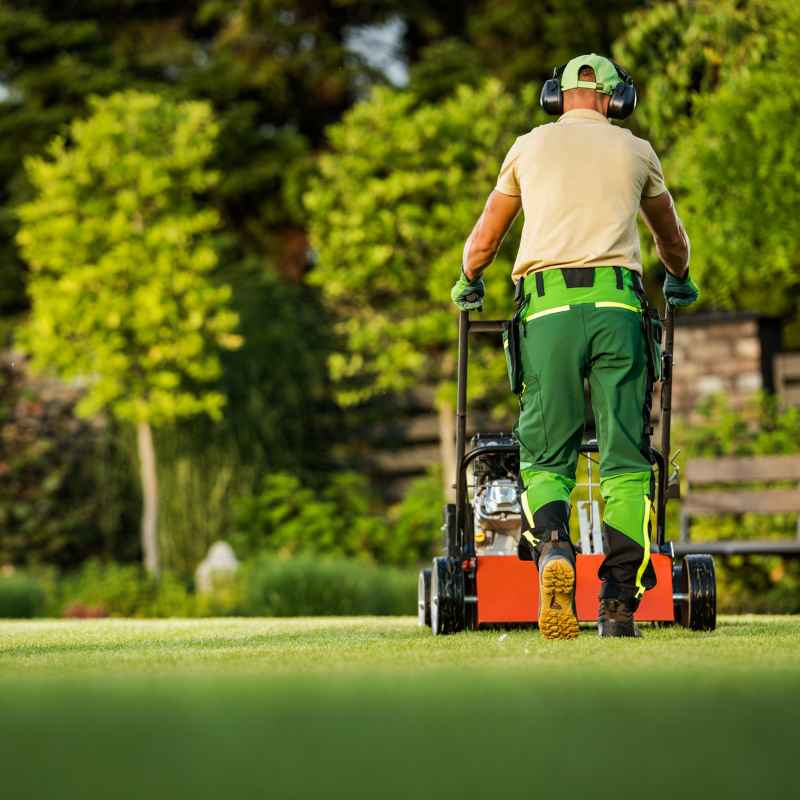
What Is The Difference Between A Gardener And A Landscaper?
Think of it this way: a gardener is like a plant doctor. A landscaper is more like an outdoor architect or designer. They have different skills.

MonkeyVan
Personalized Lawnmower Ornaments 2025 Custom Lawn Mower…
- Personalized Christmas Ornaments – Celebrate the most magical time of the year with a unique touch! Click Customize Now to add you…
- High-Quality Craftsmanship – Our engraved personalized Christmas ornaments are meticulously crafted from durable plywood, ensuring…
- Ready to Hang – Each ornament comes with three different hanging options: a red ribbon, yellow ribbon, and a vintage string, makin…
As an Amazon Associate I earn from qualifying purchases.
Readers comparing bonsai options may also find Is Bonsai Driftwood Safe For A Russian Tortoise Terrarium? useful before choosing a tree or pot.
They focus on different parts of your outdoor space. Understanding this helps you hire the right person for what you need done.
What Does a Gardener Do?
A gardener’s main job is to care for plants. They focus on keeping plants healthy and looking good. This means they spend a lot of time with individual plants.
They know what each plant needs to thrive. Gardeners are plant experts. They nurture growth.
Their work often involves:
- Planting flowers, shrubs, and trees.
- Watering plants properly.
- Feeding plants with the right nutrients.
- Weeding gardens to remove unwanted plants.
- Pruning plants to shape them or encourage growth.
- Pest and disease control for plants.
- Soil health management.
- Harvesting fruits and vegetables from gardens.
A gardener loves to get their hands dirty. They understand the life cycle of plants. They know when to plant, when to trim, and what signs show a plant is unhappy.
They often work in smaller areas. Think of flower beds, vegetable patches, or specific garden areas.
Gardening is also about the ongoing care. It’s a daily or weekly task for many. It requires consistent attention to detail.
A good gardener can make a small garden burst with color. They can ensure your vegetable patch gives you a great harvest. They bring life and beauty through plant care.
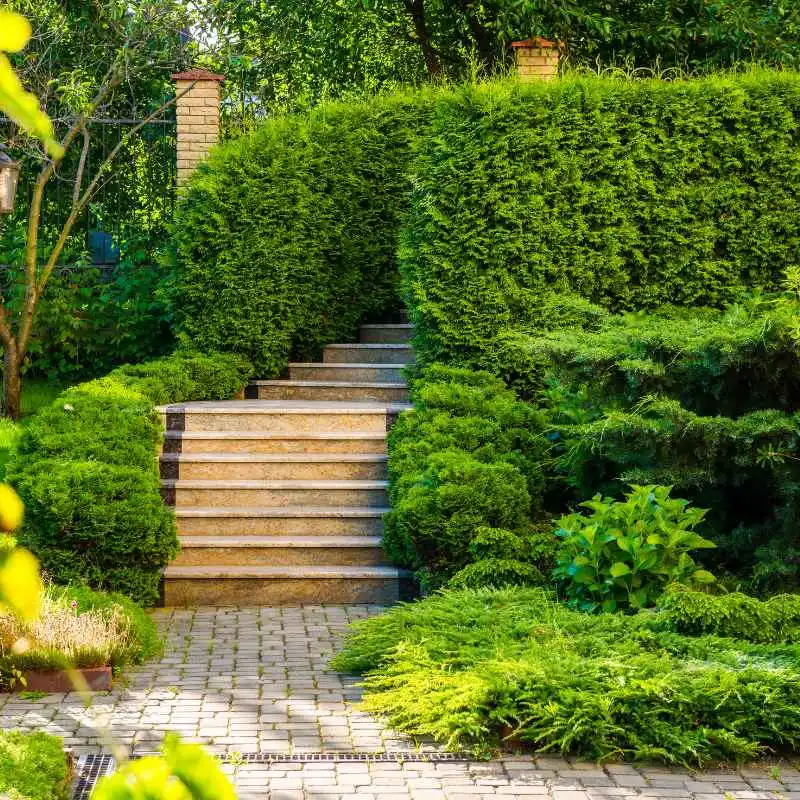
What Does a Landscaper Do?
A landscaper has a much bigger scope. They design, create, and maintain entire outdoor environments. This involves more than just plants.
It includes hardscaping, structures, and the overall layout of your yard. Landscapers think about the big picture.
Their work often includes:
- Designing the overall layout of a yard.
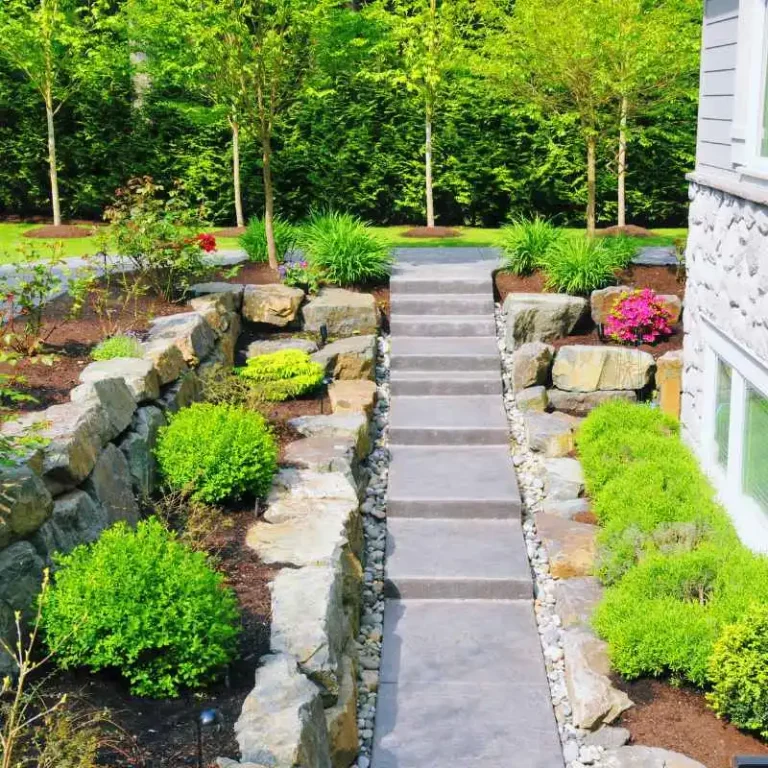
- Installing patios, walkways, and retaining walls.
- Building decks and pergolas.
- Creating water features like ponds or fountains.
- Laying sod or seeding lawns.
- Installing irrigation systems.
- Grading land for proper drainage.
- Planting trees, shrubs, and flowers as part of a design.
- Long-term maintenance plans for the entire outdoor space.
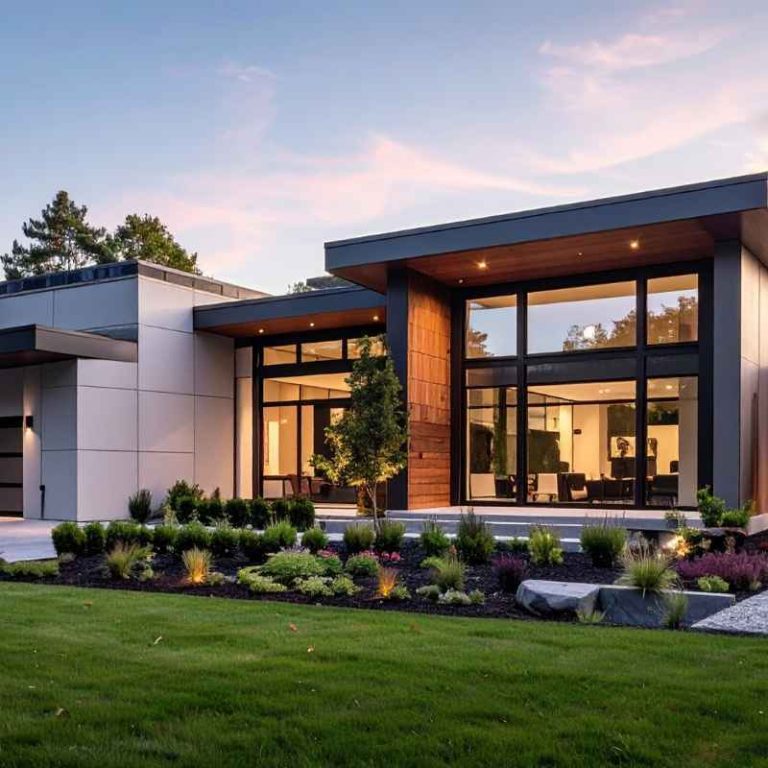
Landscaping is about shaping the land. It’s about creating functional and beautiful outdoor living spaces. Landscapers consider how people will use the space.
They think about aesthetics, flow, and integration with the home. They often work with architects or builders.
When you hire a landscaper, you’re often looking for a transformation. You might want a new backyard for entertaining. Or you might need to fix drainage issues that are ruining your lawn.
They use tools and heavy equipment. They can move earth and build structures.
Key Differences at a Glance
Gardener Focus: Plant health, growth, and individual plant care.
Landscaper Focus: Overall outdoor design, hardscaping, and big-picture yard transformation.
Gardener Tools: Hand trowels, pruners, watering cans, shovels.
Landscaper Tools: Excavators, mowers, power tools, design software.
Gardener Outcome: Healthy, vibrant plants; beautiful flower beds.
Landscaper Outcome: Functional outdoor rooms, cohesive yard design, improved property appeal.
My Own Experience: The “Oops” Moment
I remember a few years ago. I bought my first home. It had a decent-sized backyard.
But it was a mess. Overgrown bushes hid the fence. Weeds choked out any signs of life.
I wanted it to look nice, like the magazines. So, I called someone. I told them I needed my yard fixed up.
They showed up with a team. They had big machines. They ripped out bushes I actually liked.
They hauled away tons of dirt. Then they put down a lot of sod. It looked okay for a while.
But they also told me they couldn’t plant the flower bed I envisioned. They said that wasn’t part of the “landscaping” package. I was confused.
They had just reshaped my whole yard!
Turns out, I had hired a landscaper for a project that needed a gardener’s touch too. The sod died in patches because it wasn’t watered right. The new bushes they planted weren’t getting enough sun.
I had paid a lot for them to do the “big stuff.” But now I needed someone else to actually make the plants grow and look pretty. That was a costly lesson in understanding the roles.
When to Hire a Gardener
You should call a gardener when your focus is on the living, breathing parts of your yard. Are you passionate about growing your own vegetables? Do you dream of a spectacular flower garden that changes with the seasons?
Is your lawn looking a bit sad, and you want it to be lush and green again?
A gardener is perfect for:
- Maintaining existing flower beds and gardens.
- Starting a new vegetable garden or herb garden.
- Regular lawn care like mowing, fertilizing, and aeration.
- Seasonal planting of annuals and perennials.
- Pruning and shaping shrubs and small trees.
- Diagnosing and treating plant diseases or pest problems.
- Improving soil quality for better plant growth.
Think of them as your plant’s best friend. They ensure your green spaces are vibrant and healthy. They are skilled in the art and science of horticulture.
They know the specific needs of different plant species. This knowledge helps them create beautiful, thriving environments for your plants.
Gardener’s Checklist
Your Goal: Beautiful, healthy plants; bountiful harvests; vibrant flower beds.
Your Yard Needs: Plant care, weeding, pruning, soil improvement, pest control.
What They Do: Nurture plants, manage garden beds, maintain lawns, diagnose issues.
Key Skill: Horticulture and plant science.
When to Hire a Landscaper
You need a landscaper when you’re thinking about the structure and overall design of your outdoor space. Do you want to create a new patio for entertaining? Are you looking to add a walkway through your garden?
Do you need to re-grade your yard for better water drainage? This is their specialty.
A landscaper is ideal for:
- Designing and installing new yards from scratch.
- Creating outdoor living areas like patios and decks.
- Building hardscape features like walls, paths, and fire pits.
- Installing sprinkler and irrigation systems.
- Major grading and earthmoving projects.
- Adding or renovating water features.
- Overseeing large-scale projects with multiple components.
They are problem-solvers for your property’s exterior. They can take a neglected space and turn it into something amazing. Landscapers blend aesthetics with functionality.
They ensure your yard is not only beautiful but also practical for your lifestyle. They understand construction and design principles.
Hiring a landscaper is often for a significant project. It’s about reshaping the land itself. It’s about building elements that last.
They can manage the entire process. This includes planning, material selection, and construction. They bring a vision to life on a larger scale.
Landscaper’s Checklist
Your Goal: Transform your yard’s overall look and functionality; build structures; improve drainage.
Your Yard Needs: Design, construction, hardscaping, grading, major renovations.
What They Do: Design and build outdoor spaces, install hardscapes, manage large projects.
Key Skill: Landscape architecture and construction.
The Overlap and Collaboration
It’s important to note that there’s often an overlap. Some landscapers offer gardening services. Some gardeners can do basic planting.
But their core expertise lies in different areas. For the best results, it’s usually clear which professional to call.
Sometimes, a project needs both. A landscaper might build a beautiful patio and install new garden beds. Then, a gardener comes in to fill those beds with stunning plants and maintain them.
They can work together. This ensures your entire outdoor space is well-designed and well-cared for.
I’ve seen some landscapers who are excellent at plant selection. They can create a cohesive planting scheme. On the other hand, some gardeners have a great eye for design.
They can offer advice on the overall look of your garden areas. It really depends on the individual and the company.
But if you need a new deck and a stone pathway, you need a landscaper. If your prize roses are wilting and you don’t know why, you need a gardener. Don’t be afraid to ask potential hires about their specific services and expertise.
Ask them what they specialize in.
Myth vs. Reality
Myth: All yard workers do the same thing.
Reality: Gardeners focus on plants; landscapers focus on design and construction.
Myth: A landscaper will just plant flowers.
Reality: Landscapers build structures and shape the land; planting is often secondary or part of a larger design.
Myth: You only need one type of professional for your yard.
Reality: Complex projects might benefit from the expertise of both.
Skills and Training
The skills needed for these roles are quite different. Gardeners often have formal training in horticulture. They might have degrees or certificates in plant science.
They learn about botany, soil science, entomology (insects), and plant pathology (diseases).
Their training focuses on the biological needs of plants. They understand how to optimize growth conditions. This includes sunlight, water, nutrients, and soil pH.
They can identify different plant species. They also know their specific care requirements. This expertise is deep and specific to plant life.
Landscapers, on the other hand, need a blend of skills. They need to understand design principles. This includes color theory, form, and texture.
They also need knowledge of construction. They learn about materials like stone, wood, and concrete. They need to understand drainage and grading.
Many landscapers have backgrounds in landscape architecture or design. They use software to create plans. They need to understand structural integrity for built elements.
They also need project management skills. This is to oversee large teams and complex schedules. It’s a mix of art and engineering.
Skill Breakdown
Gardener’s Expertise:
- Plant identification and care
- Soil science and amendment
- Pest and disease management
- Pruning techniques
- Horticultural practices
Landscaper’s Expertise:
- Design principles and aesthetics
- Hardscape construction
- Site planning and grading
- Irrigation system design
- Project management
Cost and When to Expect It
The cost of hiring a gardener versus a landscaper can vary greatly. It depends on the scope of work. It also depends on the complexity and the experience of the professional.
Generally, ongoing garden maintenance from a gardener might be charged by the hour or a regular service fee. This could range from $30 to $80 per hour, or a monthly fee for weekly visits. For specific planting projects, they might quote a job price based on the plants and labor involved.
Landscaping projects are usually much more expensive. This is because they involve design, materials, and significant labor. A simple patio installation could cost several thousand dollars.
A full yard renovation with new hardscaping, planting, and grading can easily run into tens of thousands of dollars.
When you’re getting quotes, make sure you understand exactly what is included. Ask for a detailed breakdown of costs. For landscaping, this might include design fees, material costs, labor, and permits.
For gardening, it might be hourly rates, plant costs, and fertilizer expenses.
Cost Comparison Snapshot
Gardener (Maintenance): Hourly rate or monthly service fee.
Gardener (Planting Project): Job-based quote (labor + plants).
Landscaper (Small Project like Patio): Thousands of dollars.
Landscaper (Full Renovation): Tens of thousands of dollars.
Key Factor: Scope of work, materials, and labor hours.
What This Means For Your Yard
Knowing the difference helps you make smart choices for your property. If your goal is a vibrant, healthy garden that blooms beautifully, hire a gardener. They will focus on the plant health and beauty you desire.
They can advise on the best plants for your climate and soil.
If you dream of a functional outdoor living space, or need to solve a major yard problem like drainage, hire a landscaper. They can design and build the structures and layout you need. They can transform your entire outdoor experience.
They make the big-picture changes happen.
Sometimes, the best approach is to hire both. You might hire a landscaper to build a beautiful new deck and plant beds. Then, you hire a gardener to fill those beds with stunning flowers and keep them looking perfect season after season.
This ensures all your outdoor needs are met.
Don’t be afraid to ask for examples of their work. Look at portfolios. Read reviews.
A good professional will be happy to explain their process and show you what they can do. This helps you feel confident in your choice.
When Is It Okay to Do It Yourself?
Many basic gardening tasks can be done by homeowners. Planting annuals, weeding, watering, and mowing your lawn are common DIY activities. If you enjoy these tasks and have the time, you can save money.
You also get the satisfaction of doing it yourself.
However, larger landscaping projects often require specialized skills and equipment. Building a retaining wall, for example, needs knowledge of proper construction techniques to ensure it’s safe and stable. Installing an irrigation system requires understanding water pressure and pipe layouts.
Pest and disease control can also be tricky. Misidentifying a problem can lead to using the wrong treatment. This could harm your plants or the environment.
A professional gardener can accurately diagnose issues. They will recommend the safest and most effective solutions.
DIY vs. Professional
DIY Friendly: Basic watering, weeding, planting flowers, mowing, simple pruning.
Professional Recommended: Major construction (patios, walls), complex irrigation, pest/disease diagnosis, large-scale design, grading issues.
Considerations: Time, skill level, available tools, complexity of the task, safety concerns.
Quick Tips for Hiring
When you’re ready to hire, here are a few tips:
- Get Multiple Quotes: Always get at least three quotes from different professionals.
- Check References: Ask for references and follow up with them.
- Look at Portfolios: See examples of their past work. Do you like their style?
- Ask About Insurance: Make sure they are insured for liability and worker’s compensation.
- Get a Written Contract: Clearly outline the scope of work, costs, and timeline.
- Understand Their Specialty: Confirm they offer the specific services you need.
Don’t rush the decision. Finding the right person is key to a successful outcome. A good professional will communicate clearly.
They will respect your property and your budget. They will deliver on their promises.
Frequently Asked Questions
What if I want a new lawn? Should I call a gardener or a landscaper?
If you need a brand new lawn from scratch, including grading the soil and installing sod or seed, that’s typically a job for a landscaper. If your existing lawn just needs regular care, like mowing, fertilizing, and aerating, a gardener can handle that.
Can a gardener help me design my flower beds?
Yes, many gardeners have a good eye for design and can help you plan your flower beds. They understand which plants will thrive together and create beautiful color combinations. For more complex design elements or larger garden structures, a landscaper might be more suitable.
What’s the difference between landscaping and hardscaping?
Landscaping is the broader term for designing and managing your outdoor space. Hardscaping refers to the non-living elements you add. This includes things like patios, walkways, walls, decks, and water features.
Landscapers often design and build both softscape (plants) and hardscape elements.
Do landscapers also do garden maintenance?
Some landscaping companies offer ongoing maintenance services, which can include garden care. However, their primary focus is usually on design, installation, and major projects. For dedicated, detailed garden care, a specialist gardener might be a better choice.
How do I know if my plants have a disease or pest problem?
Signs include yellowing leaves, spots, wilting, holes in leaves, or visible insects. A professional gardener has the expertise to diagnose these issues accurately and recommend the correct treatment to save your plants.
If I’m building a new house, who should I talk to first about the yard?
For the initial outdoor space planning, including grading, drainage, and overall layout, you should work with a landscaper or landscape architect. They can help integrate the yard design with the house plans from the beginning.
Conclusion
So, the next time you look at your yard, think about what you want. Do you need a plant expert to bring your flowers to life? Or a designer to reshape your entire outdoor world?
Knowing the distinct roles of a gardener and a landscaper helps you find the right help. It ensures your outdoor space becomes everything you hope for.
Related pick: Check today's price on Amazon