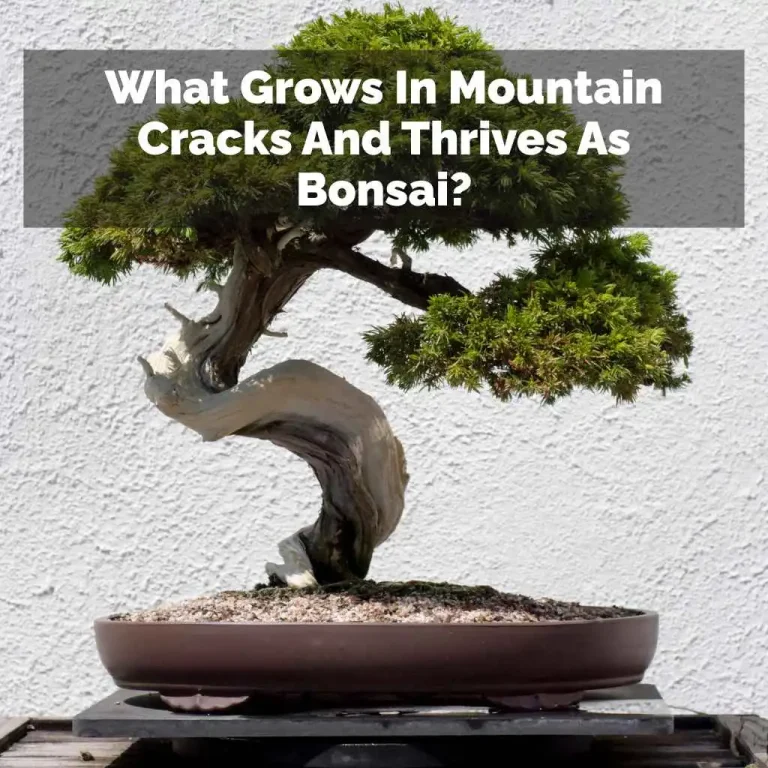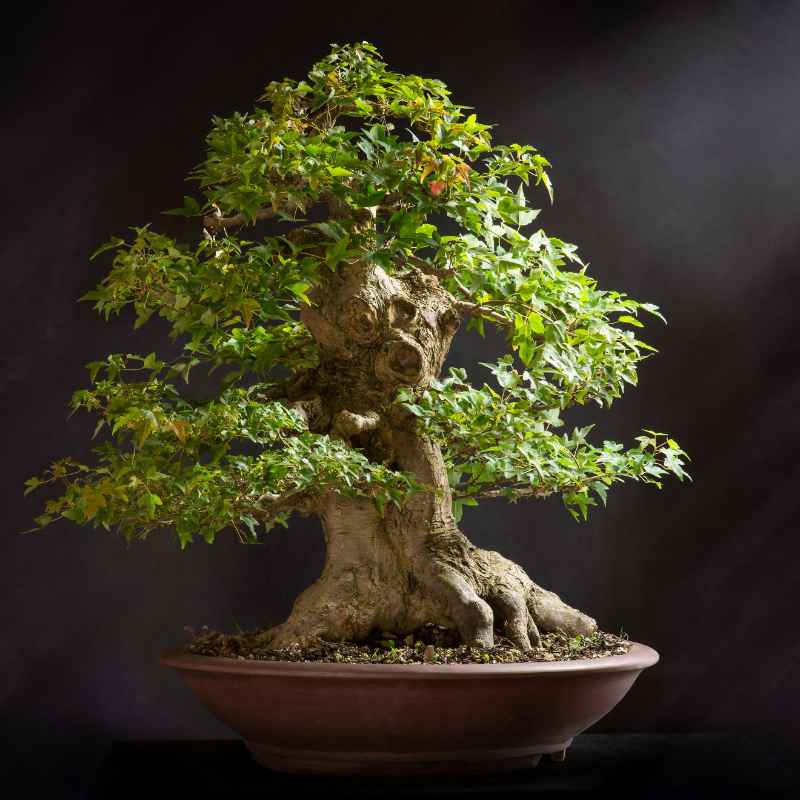
Can Severely Damaged Small Trees Be Converted To Bonsai?
This is a common worry for tree lovers. We want to save every plant we can. We imagine giving them new life.
For another bonsai-specific follow-up, What Causes A Bonsai Money Tree'S Leaves To Turn Brown? gives readers a related care or selection angle.
For another bonsai-specific follow-up, What Is the Ideal Container for Growing Bonsai Trees? Answered gives readers a related care or selection angle.
For another bonsai-specific follow-up, How To Grow Bonsai Trees From Seed Like A Pro Gardener gives readers a related care or selection angle.
The idea of turning a damaged tree into a tiny work of art is very appealing. It’s a hopeful thought.
In this article, we’ll explore this question deeply. We’ll look at what’s really possible. We’ll talk about the signs to watch for.
You’ll learn what makes a tree a good candidate for bonsai. You’ll also learn when it’s better to let go. This will help you make the best choice for your trees.
The possibility of turning a damaged small tree into a bonsai depends heavily on the type and extent of damage. While some trees can recover and be shaped, severe root loss or trunk damage often makes conversion impossible. Focus on the tree’s health and potential for growth.
What Makes a Tree Suitable for Bonsai?
Bonsai is an art form. It’s about growing trees in small pots. These trees look like mature, full-sized trees.
But they are tiny. Many things make a tree good for bonsai. It needs to be able to live in a pot for a long time.
It should have small leaves or needles. It should also grow slowly.
The trunk is very important. A good bonsai often has a thick, interesting trunk. It shows age.
The branches should also look natural. They should be well-placed. The roots are key too.
They should look good when seen in the pot. This is called nebari.
Bonsai trees need to respond well to pruning. They should also tolerate root pruning. This helps keep them small.
Not all trees are built for this. Some just don’t do well when kept small. They might grow too fast.
Or they might simply not survive pot life.
Understanding Tree Damage: The Big Picture
Tree damage can happen in many ways. Some damage is minor. It’s like a small scratch on your arm.
The tree can heal from it. Other damage is major. It’s like a broken leg.
The tree might not recover fully.
Common damage includes physical breaks. Branches can snap off. The trunk might get scored or split.
Sometimes, things like animals chew on the bark. Or heavy snow can bend and break limbs. Even poor care can cause damage.
Too much water or not enough water can harm roots.
We need to look at where the damage is. Is it on the trunk? Is it the roots?
Are the leaves or needles affected? The age of the tree also matters. Young trees often bounce back better.
Older trees might be more fragile.
The type of tree is also a big factor. Some trees are very tough. Others are delicate.
Knowing your tree type is the first step. Then, you can assess the damage more wisely. It helps to see the problem clearly.
Signs of Serious Tree Damage
Root Damage: This is often the hardest to see. If the roots are mostly gone or mushy, the tree will struggle. Look for wilting even when watered.
Trunk Damage: Deep wounds that go all the way around the trunk are bad. This can cut off the tree’s food and water flow. Girdling is a big problem.
Branch Loss: Losing many large branches can weaken the tree. It might not be able to produce new growth.
Disease or Pests: If the damage is from sickness or bugs, that adds another layer of worry. These can spread.
Lack of New Growth: A healthy tree shows new buds and leaves. If there’s nothing happening, it’s a bad sign.
My Own Tree Scare: A Lesson in Hope and Reality
I remember one spring, a late frost hit my little maple. It was just starting to bud. I went out the next morning, and it looked terrible.
All the tiny green leaves were brown and shriveled. The tiny branches looked blackened.
My heart sank. This was my prize specimen. I had been nurturing it for years.
I thought it was a goner. I pictured it broken and sad. I felt a mix of panic and deep sadness.
What had I done wrong? Or what had the weather done?
I did some research. I read that maples can be tough. Sometimes, frost damage looks worse than it is.
I decided to wait. I kept watering it. I didn’t prune anything.
I just hoped.
Weeks went by. Nothing happened. I saw other trees around me leafing out.
Mine just sat there, looking like a dead stick. I almost gave up. But then, one day, I noticed a tiny speck of green.
It was a new bud, pushing through the brown.
Slowly, very slowly, new leaves unfurled. The tree looked awful for a while. It was sparse and uneven.
But it was alive! It took that whole year to recover. The next year, it looked much better.
It eventually became a lovely bonsai. That taught me patience. It also taught me that sometimes, trees are stronger than we think.
What Kinds of Damage Can Bonsai Potentially Survive?
Not all damage spells doom for a bonsai dream. Some issues can be worked with. Minor scrapes on the bark might heal.
A few broken branches can be pruned away cleanly. If the main trunk is intact, there’s often hope.
Trees that lose some leaves can regrow them. Trees with temporary pest problems can be treated. Sometimes, a tree might look bad because it was stressed.
For example, it might have been moved to a new spot. Or it went through a dry spell.
The key is if the tree’s core system is okay. This means the main trunk is solid. The main roots are still strong.
There’s enough healthy green tissue left to support new growth. If the tree can still take up water and nutrients, it has a chance.
You want to see signs of life. Look for swelling buds. Check for green cambium under scraped bark.
Even a few healthy leaves or needles are a good sign. This shows the tree is fighting back.
Types of Damage to Watch For:
- Surface Scratches: These are often fine. The bark will grow over them.
- Minor Branch Breaks: If a branch snaps but isn’t completely gone, it might heal. You can prune it back neatly.
- Leaf/Needle Loss: Temporary loss due to stress or shock can often be recovered from.
- Mild Wilting: If it recovers with water, it might just be thirst.
When Is a Tree Too Damaged for Bonsai?
There are clear signs that a tree has suffered too much. Trying to force a severely damaged tree into bonsai is often just prolonging its suffering. It’s also a waste of your time and effort.
Complete Trunk Girdling: If damage goes all the way around the trunk, it’s usually fatal. This cuts off the tree’s life support. No water or food can move past the damaged area.
Extensive Root Rot: If most of the roots are brown, mushy, or missing, the tree cannot anchor itself. It also can’t absorb water and nutrients. This is very hard to fix.
Dead Cambium Layer: The cambium is a thin layer just under the bark. It’s where growth happens. If this layer is dead and dry all over, the tree cannot heal or grow.
Lack of Any New Growth: After a reasonable recovery period, if there are no signs of new buds or leaves, the tree may be too weak. This can happen after a harsh winter or severe transplant shock.
Disease That Won’t Stop: Some diseases or pest infestations are too aggressive. If they have spread widely and can’t be controlled, the tree might need to be removed. You don’t want to spread it to other plants.
The “No-Go” Signs:
- Trunk completely broken or split.
- Roots are dried out, brittle, or mushy.
- No green cambium found anywhere under the bark.
- No signs of life for months after the damage.
- Widespread, untreatable disease or pest infestation.
Assessing Your Damaged Tree: A Step-by-Step Guide
So, you have a small tree that looks rough. How do you figure out if it has bonsai potential? You need to be a good detective.
Look closely at every part of the tree.
Step 1: Examine the Trunk. Gently scrape a tiny bit of bark with your fingernail or a clean knife. Look for green underneath. If it’s brown and dry, that section is dead.
Check the whole trunk. Is there any living tissue left? Is the damage all the way around?
Step 2: Inspect the Roots. If the tree is in a pot, you might be able to carefully lift it out. Look at the root ball. Are there firm, white or light brown roots?
Or are they dark, mushy, and falling apart? Are there any roots at all? If the roots are mostly gone, this is a big problem.
Step 3: Check the Branches and Twigs. Bend a few small twigs. Do they snap easily and feel dry? Or do they have some flexibility?
Again, try to find a little bit of green tissue if you scratch the bark on branches.
Step 4: Look for Buds and Leaves. Are there any signs of new buds forming? Are there any green leaves or needles, even if they look a bit sad? This shows the tree is still trying to grow.
Step 5: Consider the Tree Type. Some trees, like pines and junipers, are very resilient. Others, like delicate flowering trees, might be more sensitive to damage.
Step 6: Give it Time. Sometimes, you just have to wait. Keep the tree in a safe place. Water it properly.
See what happens over a few weeks or months. New growth is the best sign.
Quick Tree Health Check:
Trunk: Any green cambium? No girdling?
Roots: Firm and white/light brown? Some present?
Branches: Slightly flexible? Some green tissue?
Growth: Any swelling buds or new leaves?
Species: Is it a tough or sensitive type?
The Process of Converting a Damaged Tree to Bonsai
If your assessment shows potential, the conversion process begins. It’s a slow path. You need to be patient.
The goal is to help the tree heal and then shape it.
Step 1: Stabilize and Heal. First, focus on recovery. Place the tree in a protected spot. Avoid direct sun if it’s stressed.
Ensure it gets the right amount of water. Don’t fertilize too much at first.
You might need to prune away dead or broken branches. Do this cleanly. This helps the tree focus energy on living parts.
This phase can take months or even a year.
Step 2: Root Pruning (Carefully). Once the tree shows good signs of recovery, you might consider repotting. This is a good time to do root work. Gently trim away any dead or rotten roots.
Try not to disturb the healthy roots too much.
You will likely put it in a training pot. This is a pot that allows roots to spread a bit more. It’s not the final decorative bonsai pot yet.
Step 3: Trunk and Branch Shaping. As the tree gets stronger, you can start thinking about shape. You might use wire to gently guide branches. You’ll prune to encourage ramification (more small branches).
With a damaged trunk, you might embrace the damage. A scar can add character. You might choose to hide it with moss or soil over time.
Or you can let it be part of the tree’s story.
Step 4: Ongoing Care. Bonsai care is a lifelong commitment. You’ll continue to prune, wire, and repot. You’ll water and fertilize as needed.
You’ll watch for pests and diseases.
The key is to work with the damage. Don’t try to make it look perfect. Instead, let the tree’s history be part of its beauty.
A tree that survived hardship can have a unique charm.
Bonsai Conversion Timeline (General Idea):
Phase 1 (Healing): 6 months to 1 year. Focus on root and trunk recovery.
Phase 2 (Training Pot): 1-3 years. Gentle root pruning and initial branch selection.
Phase 3 (Styling): 3-5+ years. Wiring, shaping, and developing foliage pads.
Phase 4 (Refinement): Ongoing. Continued care, minor adjustments, and display.
Common Tree Species and Their Resilience
Different trees have different abilities to withstand damage. Some species are naturally tough. Others are quite delicate.
Knowing this helps you assess your tree.
Very Resilient Species:
- Elms (Chinese Elm): These trees are incredibly tough. They heal fast and grow readily. They tolerate a lot of pruning. They are excellent for beginners and forgiving of mistakes.
- Ficus: Many ficus varieties are robust. They can grow indoors and outdoors. They tolerate poor watering more than some other trees. They also bud back well from old wood.
- Pines (Japanese Black Pine, Scots Pine): Pines are hardy. While they can suffer damage, their woody structure helps them survive. They have strong root systems.
- Junipers: Similar to pines, junipers are very tough. They have woody branches and can recover from significant pruning.
Moderately Resilient Species:
- Maples (Japanese Maple, Trident Maple): Maples are popular for bonsai. They can recover from damage, but might take longer. Frost damage, as I experienced, can be overcome with patience. They need consistent care.
- Hornbeams: These trees are strong growers. They can handle pruning and wiring. They recover well if not too severely damaged.
- Oaks: Oaks are strong trees. They can be trained into bonsai. They are known for their longevity and resilience.
Less Resilient Species (Handle with More Care):
- Flowering Trees (Cherry, Apple, Azalea): These trees are beautiful but can be more sensitive. Damage to their flowering wood or roots can be harder to overcome. They often require more specific care.
- Certain Conifers (Spruce, Fir): While hardy, some spruce and fir varieties can be slow to recover from major branch loss. They don’t always bud back from old wood.
- Tropical Species (less common in temperate zones): While some tropicals like Ficus are tough, others can be very sensitive to temperature changes and root disturbance.
The species is a big clue. A damaged Chinese Elm has a much better chance than a damaged flowering cherry tree. Even within a species, individual trees vary.
Some are just naturally stronger.
Species Resilience Quick Guide:
Tough Guys: Chinese Elm, Ficus, Pine, Juniper.
Medium Strength: Maple, Hornbeam, Oak.
Delicate Flowers: Cherry, Apple, Azalea.
Careful Conifers: Spruce, Fir (some types).
When to Call It Quits: Letting Go with Grace
This is the hardest part. Sometimes, the best thing you can do for yourself and the tree is to accept that it won’t become a bonsai. It’s okay to let go.
It’s a sign of respect for the tree’s limits.
If you’ve done your best assessment and the signs are bad, it might be time. If the trunk is dead all around. If the roots are mush.
If there’s no hint of new life after a long time. It’s probably not going to make it.
Trying to force it can be stressful for you. It’s also not fair to the tree. Instead, you can use this experience to learn.
What can you do differently next time? What lessons did you learn about tree care or damage?
Sometimes, a tree’s final act is to provide nutrients for the soil. Or perhaps it can be composted. It’s sad, but it’s part of the cycle of nature.
You can then move on to a healthier tree.
Don’t feel like a failure. Every gardener has plants that don’t make it. It’s a part of the journey.
Focus on the successes and the knowledge gained. The goal is to have thriving plants. Sometimes, that means saying goodbye.
Signs It’s Time to Say Goodbye:
- No Growth: Months of no new buds or leaves.
- Root System: Severely rotted or completely gone.
- Trunk Damage: Complete girdling or a split trunk that won’t heal.
- Uncontrolled Disease: Widespread and untreatable infection.
- Tree’s Condition: The tree looks weak and offers no hope of recovery.
The Beauty of Imperfection in Bonsai
What if your tree can be saved, but it will always have scars? That’s where the art of bonsai really shines. Bonsai isn’t about creating a perfect, flawless miniature tree.
It’s about capturing the essence of age and resilience in nature.
A scar on the trunk can tell a story. It can show that the tree has lived through tough times. It adds character.
Think of old, weathered trees in the wild. They often have interesting twists, healed wounds, or missing branches. This is what makes them beautiful.
As a bonsai artist, you learn to work with these imperfections. You can prune branches to draw the eye away from a scar. Or you can position the tree in the pot so the scar is a focal point.
You might cover a wound with moss or jin and shari (deadwood techniques).
The goal is to create a sense of age and drama. A tree that looks like it has endured storms and seasons. A tree that has survived.
This is often more compelling than a perfectly symmetrical, faultless specimen.
So, even if your damaged tree can’t be a picture-perfect bonsai, it might still be a wonderful one. It will have a unique personality. It will have a story.
And that’s what makes bonsai truly special.
Embracing Imperfection:
- Scars Tell Stories: A healed wound adds character and age.
- Uneven Growth: Can create natural, windswept looks.
- Missing Branches: Can lead to interesting negative space and design.
- Focus on Essence: Capture the feeling of an old tree, not just its flawless form.
- Artist’s Touch: Use techniques to highlight or minimize damage as needed.
Can Severely Damaged Small Trees Be Converted to Bonsai?
Let’s circle back to the main question. Can severely damaged small trees be converted to bonsai? The answer is: sometimes, but it depends entirely on the damage and the tree’s ability to recover.
If the damage is catastrophic – like a completely broken trunk or total root rot – then no. The tree simply doesn’t have the basic life support systems to survive, let alone thrive as a bonsai. In these cases, it’s kinder to let the tree go.
However, if the damage is significant but leaves some core healthy tissue, there’s a chance. A tree that lost many branches but has a solid trunk and roots might recover. A tree with a deep wound that doesn’t girdle the trunk might also be a candidate.
The key is signs of life and potential for recovery. You must assess the cambium layer, the root health, and the presence of new buds or leaves. Patience is crucial.
It might take a year or more just for the tree to stabilize and show it wants to live.
If it does show promise, the conversion process is slow. It involves healing, careful repotting, root pruning, and then gentle shaping. The goal is not to erase the damage but to integrate it into a beautiful, aged design.
So, while not every severely damaged tree can become a bonsai, many can be given a second chance. It requires careful observation, realistic expectations, and a lot of patience. The resulting tree, with its history of survival, can be even more compelling.
Frequently Asked Questions About Damaged Bonsai Trees
What is the most common type of damage that affects small trees?
The most common types of damage include physical injuries like broken branches or scraped bark from storms, animals, or accidents. Environmental stress, such as extreme temperatures, drought, or over/underwatering, also causes significant harm, particularly to root systems and foliage.
How long does it take for a damaged tree to show signs of recovery?
Recovery time varies greatly. Minor damage might show improvement in weeks. More severe issues, especially those affecting the roots or trunk, can take many months to over a year.
Patience is key; look for new bud formation or unfurling leaves as good signs.
Can I use fertilizer on a damaged tree to help it recover faster?
It’s generally best to avoid heavy fertilization on a damaged tree. The tree’s system is already stressed. Too much fertilizer can burn roots or encourage weak growth.
Focus on providing adequate water and good light first. Once it shows consistent new growth, light feeding can begin.
What does it mean if the bark is scraped, but there is green underneath?
If you scrape away bark and see green underneath, it means the cambium layer, which is vital for growth and transporting nutrients, is still alive in that spot. This is a very good sign that the tree can heal and is a strong candidate for recovery and bonsai training.
Is it worth it to try and save a tree with significant root damage?
Significant root damage is one of the hardest things for a tree to overcome. If a large portion of the roots are rotten, dried out, or missing, the tree will struggle to absorb water and nutrients. While some trees are very resilient, extensive root loss often makes conversion to bonsai impossible.
Can I convert a tree that has been struck by lightning into a bonsai?
Lightning strikes are often severe and can cause internal damage that isn’t immediately visible. If the strike has girdled the trunk or severely damaged the root system, it’s unlikely the tree can be saved. However, if the strike was minor and only affected a small area, and the tree shows signs of life elsewhere, there’s a slim possibility.
Conclusion: A New Beginning or A Peaceful End
The journey of a damaged tree is often uncertain. But understanding its potential is the first step. You’ve learned what makes a tree a good bonsai candidate.
You know the signs of severe damage.
You also know how to assess your own struggling tree. Remember to be patient. Observe carefully.
Sometimes, a tree’s story of survival can make it an even more beautiful bonsai. Other times, the kindest action is a peaceful end.