Is Bonsai Driftwood Safe For A Russian Tortoise Terrarium?
You’re probably wondering if that beautiful piece of wood you saw is safe to put in their enclosure. Will it harm them? Could it make them sick?
For the broader gardening context, Does A Botanical Gardens Pass Work For The San Antonio Zoo? gives readers a useful next step on the same topic.
These are important questions. Let’s explore this together so you can make a confident choice for your tortoise’s well-being.
Bonsai driftwood can be a visually appealing addition to a reptile enclosure, but its safety for a Russian tortoise requires careful consideration. While some types of wood are generally safe, others can pose risks due to tannins, mold, or the presence of harmful substances. It’s crucial to select wood that is properly prepared and known to be non-toxic to reptiles.
Understanding Bonsai Driftwood
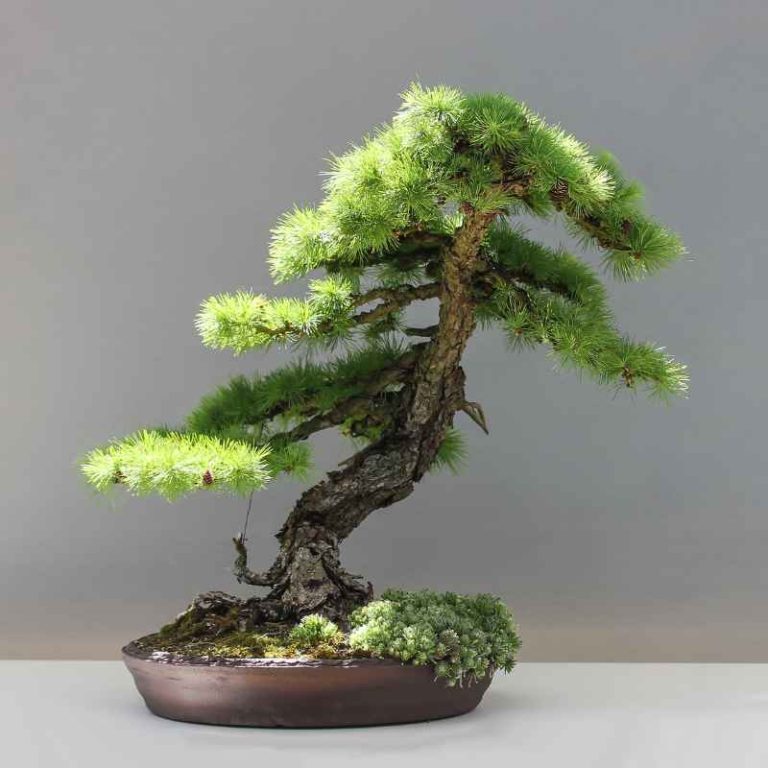
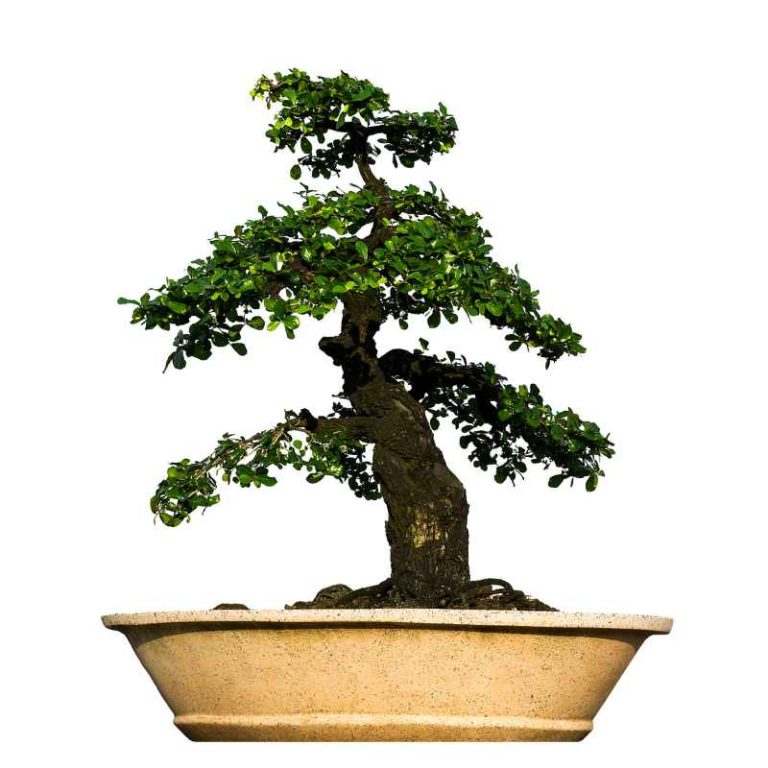
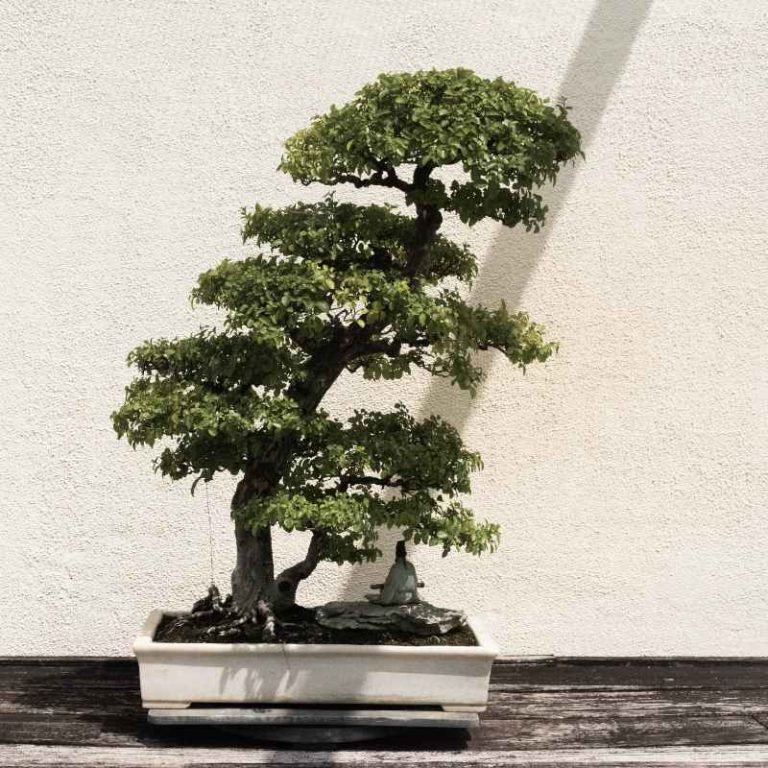
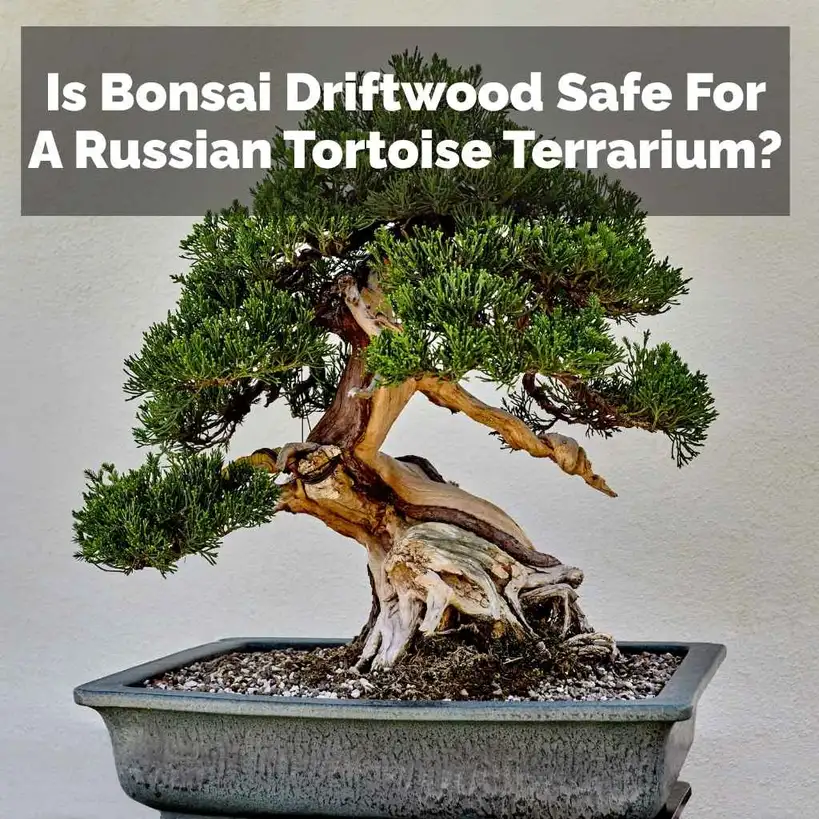
Bonsai driftwood is wood that has been shaped or treated for use in bonsai trees. This means it often has a distinctive look. It might be twisted, carved, or have specific textures.
The goal in bonsai is often aesthetics. This can involve making the wood look ancient or dramatic.
The term “driftwood” itself means wood that has been washed onto a shore or beach by the action of winds, tides, or waves. This implies it has spent time in water. This water could be fresh or salt water.
The exact origin and history of the wood matter a lot. What kind of tree was it? How long was it in the water?
Was it exposed to pollution?
For a Russian tortoise, the focus needs to be on safety and enrichment. We need to know if this wood is just pretty or if it’s also healthy for them. The same wood that looks great in a decorative bonsai pot might not be safe for a tortoise to chew on or burrow near.
We need to look beyond just looks.

Why Wood Choices Matter for Tortoises
Tortoises, especially Russian tortoises, explore their world with their mouths and through their environment. They might nibble on things. They definitely walk on them and burrow around them.
So, anything you put in their terrarium needs to be safe for them to interact with. This is true for their substrate, their food dishes, and any decorations.
Certain types of wood can leach chemicals into the enclosure. Some woods contain natural compounds called tannins. Tannins are often harmless in small amounts.
But too much can affect the water pH. It can also make the water look dark. For a tortoise, this isn’t ideal.
It’s not what their natural habitat would be like.
Other woods can rot or grow mold. Mold spores are bad for any animal’s lungs. Tortoises have delicate respiratory systems.
If they breathe in mold, it can cause serious health problems. We want to avoid this at all costs. It’s about creating a healthy, natural-feeling space.
Bonsai Driftwood and Potential Risks
When you look at bonsai driftwood, you see artistry. But we need to see potential hazards too. The main concerns are:
- Chemical Treatments: Sometimes, wood used for decorative purposes might be treated. This could be to preserve it or to achieve a certain look. These treatments can involve glues, varnishes, or preservatives. These are absolutely not safe for animals to ingest or inhale.
- Mold and Mildew: Driftwood, by its nature, has been wet. If not dried and prepared properly, it can still harbor mold. Even dry-looking wood can have dormant mold spores. Russian tortoises need dry environments. Mold in their enclosure can lead to respiratory infections.
- Tannins and pH Levels: As mentioned, many woods contain tannins. While some are mild, others can significantly lower the pH of the soil or water in the enclosure. This can create an unhealthy environment for your tortoise.
- Sharp Edges or Splinters: Sometimes, the shaping process for bonsai can leave sharp bits. Tortoises have delicate skin. They can also injure their mouths or eyes on sharp pieces of wood.
- Unknown Tree Species: If you don’t know what kind of tree the driftwood came from, you can’t be sure if it’s safe. Some tree species are toxic to reptiles. Even common trees can have parts that are harmful.
The “bonsai” aspect adds another layer. Bonsai artists often manipulate wood. They might drill holes, carve it, or secure it with wire.
These processes could introduce new risks. Glue is often used. Wire can be left behind.
These are not things you want in your tortoise’s home.
Assessing the Safety of Driftwood
So, how do you figure out if a specific piece of driftwood is safe? It takes some detective work. The best approach is to:
- Know the Source: Where did you get it? If it’s from a reputable reptile supply store, it’s more likely to be safe. They often sell wood specifically prepared for terrariums. If it’s just something you found, be extra cautious.
- Identify the Wood Type: If possible, try to find out what kind of tree the wood is from. This is often hard with driftwood. But if you can, research that specific wood type’s safety for reptiles.
- Look for “Reptile Safe” Labels: Many wood products intended for pet enclosures will state if they are safe. This is a good starting point.
- Inspect Thoroughly: Before putting any wood in the enclosure, check it carefully. Look for any signs of mold, loose wires, glue residue, or sharp points.
Even if a wood type is generally safe, its preparation is key. Proper curing and drying are essential. This removes moisture and helps kill mold spores.
It also helps reduce the amount of tannins released.
My Own Driftwood Scare
I remember when I first got into keeping reptiles. I wanted their enclosures to look like a mini-jungle. I found a beautiful piece of driftwood at a craft store.
It looked so natural and had great texture. I cleaned it up as best I could and put it in my gecko’s tank. He was a nocturnal gecko, so I didn’t see him much during the day.
A few weeks later, I noticed a white, fuzzy growth on the wood. It looked like mold. I immediately removed the wood.
I was so worried. I started researching. I learned that even dry-looking wood can harbor mold.
I had to deep-clean the entire tank. It was a stressful experience. I realized then that “looks good” isn’t enough.
“Is it safe?” is the most important question.
That experience taught me a lot. It made me much more careful about what I add to my pets’ homes. I learned to buy from trusted sources.
I also learned to prepare any new items very carefully. For Russian tortoises, who are a bit more prone to respiratory issues, this lesson is even more critical.
Safe Alternatives to Bonsai Driftwood
If bonsai driftwood is too risky, what else can you use to make your Russian tortoise’s habitat interesting and natural? Luckily, there are several safe and great options:
Cork Bark: This is a fantastic choice. Cork bark is lightweight and easy to work with. It comes in sheets, tubes, or rounds.
It doesn’t rot easily. It also provides great climbing surfaces and hiding spots. Tortoises love to explore its textures.
It’s widely available from reptile supply stores.
Natural Wood Branches (Prepared): You can use branches from safe trees. However, you MUST prepare them correctly. This involves thorough cleaning and baking.
You want to kill any bugs, mold, or bacteria. Safe woods include oak, maple, and apple. Avoid pine, cedar, or any fruit woods with stones.
Always research the specific tree first.
Reptile-Safe Decorations: Many pet stores sell artificial hides and decor. Some are made to look like natural wood or rocks. Ensure they are specifically labeled as safe for reptiles.
Avoid anything with small, detachable parts that could be a choking hazard.
Coconut Hides and Fiber: Coconut shells make great natural hides. Coconut fiber substrate is also common. These are generally safe and add a natural feel.
Just ensure the coconut fiber is the type meant for reptiles and not treated with anything.
Mopani Wood or Spider Wood: These are often sold in pet stores for aquariums but can be used in terrariums too. They are usually safe and provide interesting shapes. However, like all wood, they should be rinsed and dried before use.
Some types can leach tannins, making the substrate slightly damp or discolored.
Preparing Wood for Your Tortoise
Clean Thoroughly: Scrub all wood with hot water. Avoid soaps or chemicals. If it’s very dirty, a very diluted vinegar solution can be used, but rinse extensively.
Then dry it completely.
Bake It: The best way to sanitize wood is to bake it. Place it in an oven at around 200-250°F (93-121°C) for a few hours. This kills mold, bacteria, and parasites.
Let it cool completely before use.
Avoid Treated Woods: Never use wood that has been painted, varnished, stained, or treated with any chemicals. This is crucial for your tortoise’s health.
Real-World Context: Russian Tortoise Habitats
Russian tortoises (Testudo horsfieldii) come from arid and semi-arid regions of Central Asia. Think steppes and desert edges. Their natural environment is dry, with sparse vegetation, rocks, and sandy or gravelly soil.
They often burrow to escape heat or cold.
In their natural habitat, they encounter naturally weathered wood, rocks, and sparse plant life. They don’t typically live in forests with lots of damp, decaying wood. This means we should try to replicate a dry, arid environment in their enclosure.
This is why mold and excessive moisture are particularly concerning for them.
Their enclosure should have a dry substrate that they can dig in. Things like a mix of topsoil and sand are common. They need places to hide and feel secure.
This can be achieved with cork flats, half-logs, or commercial reptile hides. The goal is to mimic their native dry, open spaces, with secure, dry hiding spots.
Adding large, bulky items like a heavily treated or damp piece of bonsai driftwood could disrupt this balance. It could create pockets of humidity. It might not be something they naturally encounter in their native environment in a way that’s beneficial for their health.
Their natural world has sun-baked wood, not damp, artfully arranged pieces.
Key Considerations for Russian Tortoise Enclosures
Substrate: Dry, deep substrate like a topsoil/sand mix. Allows for burrowing.
Temperature Gradient: Hot basking spot and cooler areas. Essential for thermoregulation.
Humidity: Low humidity is key. Avoid stagnant air and damp decorations.
Lighting: Proper UVB lighting is vital for calcium metabolism and overall health.
Decor: Provide hides, ramps, and basking surfaces that are safe and dry.
What This Means for Your Tortoise
When it comes to your Russian tortoise, the primary concern is always their health. While aesthetics are nice, safety comes first. If you’re unsure about a piece of bonsai driftwood, it’s always better to err on the side of caution.
When it’s potentially okay (with extreme caution): If the bonsai driftwood is absolutely confirmed to be from a reptile-safe wood species, has been thoroughly cleaned, dried, and baked, and shows no signs of mold, glue, or sharp edges, it might be usable. However, this requires absolute certainty and rigorous preparation.
When to avoid it: If you have any doubt about the wood’s origin, treatment, or if it shows any signs of moisture, mold, or damage, do not use it. Any wood that has been varnished, glued, or painted is a definite no-go. Also, avoid woods known to be toxic to reptiles.
Simple checks: Before introducing any new item, give it a good sniff. Does it smell musty or chemical? If so, avoid it.
Does it feel damp? Avoid it. Does it have small, loose pieces or sharp points?
Avoid it.
Remember, your Russian tortoise relies on you to create a safe and healthy environment. Choosing safe decorations is a big part of that responsibility. There are many beautiful and safe options available.
Quick-Scan Table: Driftwood Safety Checklist
| Feature | Check | Action |
|---|---|---|
| Wood Type | Unknown / Potentially Toxic | Avoid |
| Mold / Mildew | Present | Discard Immediately |
| Chemical Treatments (Glue, Varnish, Paint) | Present | Discard Immediately |
| Sharp Edges / Splinters | Present | Sand Down or Discard |
| Moisture / Dampness | Present | Dry Thoroughly (Bake if possible) |
| Reputable Source | Yes (Pet store for reptiles) | Proceed with caution & prep |
| Reputable Source | No (Craft store, found item) | Extreme caution, best to avoid |
Quick Fixes and Tips for Decor
If you’re looking to add natural-looking decor to your Russian tortoise’s enclosure, here are some quick tips:
Prioritize Natural Hides: Tortoises need to feel secure. Cork bark rounds or half-logs are excellent for this. They offer a dry, dark space.
Ensure they are large enough for your tortoise to turn around in.
Use Rocks Safely: Smooth, large rocks can be good additions. Make sure they are stable and won’t roll. Avoid rough or porous rocks that could harbor bacteria or mold.
Slate or river stones, if cleaned well, are often good choices.
Live Plants: Some non-toxic live plants can add beauty and enrichment. Research specific plants carefully to ensure they are safe for tortoises to nibble on or brush against. Edible plants like dandelion or hibiscus are great options.
DIY Decor: You can create simple decor using safe materials. For example, you can arrange baked branches or large, smooth stones. Just ensure everything is stable and easy to clean.
Steer Clear of Anything Small: Avoid small pebbles or decorative items that could be mistaken for food. Russian tortoises can accidentally ingest these, leading to impaction. Opt for larger, solid pieces.
Observe Your Tortoise: Pay attention to how your tortoise interacts with its environment. Do they try to eat the decor? Do they burrow under it?
Their behavior can tell you if something is working well or causing stress.

Frequently Asked Questions
Is all driftwood bad for Russian tortoises?
Not necessarily. Some types of wood, when properly prepared, can be safe. The main issues are unknown wood types, chemical treatments, and potential for mold.
If you can confirm the wood is safe and prepare it meticulously (cleaning, baking), it might be okay. However, many safer alternatives exist.
What kind of wood is definitely safe for my tortoise?
Generally safe woods, when properly prepared, include oak, maple, and apple branches. Reptile-specific woods like cork bark, Mopani wood, and Spider wood sold by reputable pet stores are also good choices. Always research the specific wood type and prepare it thoroughly.
How do I clean and prepare driftwood I found outside?
First, scrub it thoroughly with hot water and a stiff brush. Avoid any soaps or chemicals. Then, bake it in an oven at 200-250°F (93-121°C) for several hours to kill mold and parasites.
Let it cool completely. Inspect for sharp edges or loose pieces.
Can bonsai driftwood cause respiratory problems?
Yes, if the driftwood is moldy or has been treated with chemicals. Mold spores can be inhaled and cause serious lung infections in tortoises. Chemical residues can also be irritating or toxic.
This is why proper preparation and choosing safe wood is so important.
What should I do if my tortoise eats some of the driftwood?
If your tortoise nibbles on a small piece and it’s from a safe wood type, it’s likely not a major concern. However, if they ingest a large amount, or if the wood is treated or toxic, monitor them closely. Watch for signs of blockage, lethargy, or illness.
If you notice anything unusual, contact your veterinarian.
Are there any specific types of bonsai driftwood I should absolutely avoid?
You should absolutely avoid any driftwood that has been painted, varnished, glued, or treated with any artificial substances. Also, avoid unknown wood types that could be toxic. Woods like cedar, pine, or redwood are often not recommended due to their oils and potential irritants.
Conclusion
Creating a safe and enriching environment for your Russian tortoise is a rewarding journey. When considering decorative items like bonsai driftwood, always prioritize your pet’s health and safety above all else. While the natural look is appealing, the potential risks associated with untreated or improperly prepared wood are significant.
Opting for reptile-safe alternatives and ensuring all decor is thoroughly cleaned and sanitized will provide your tortoise with a healthy, happy home.