What Bonsai Activities Should You Be Doing Right Now?
The most important bonsai activities to be doing right now involve assessing your tree’s current condition and the season. Key tasks include checking for pests, watering needs, and planning for upcoming styling or care. Understanding your tree’s species and its growth cycle is vital for timely and effective bonsai work.
Understanding Your Bonsai’s Needs Right Now
Your bonsai tree is not just a tiny decoration. It’s a living thing. It has needs that change.
These changes depend on the time of year. They also depend on where you live. What you should do right now depends on these factors.
Think of it like this. A baby needs different care than a teenager. Your bonsai is similar.
It has stages. Each stage needs specific attention. We need to look at the tree.
We need to feel its soil. We need to see its leaves. This tells us what it wants.
It tells us what it needs from us at this moment.
The goal is always a healthy, beautiful tree. This comes from consistent, correct care. It’s not about one big fix.
It’s about many small, right actions. Doing the right thing at the right time is key. It makes a huge difference.

Seasonal Rhythms and Your Bonsai
Bonsai trees follow the seasons. This is true for outdoor trees. It’s also true for indoor trees.
Their needs shift. Spring brings new growth. Summer means more water and sun.
Fall sees colors change. Winter is for rest.
Knowing your local climate is important. It helps you understand these cycles. A tree in Florida has different needs than one in Maine.
But even within a region, microclimates matter. Your backyard is different from a neighbor’s. Your windowsill is a whole world for your indoor bonsai.
We will explore what general activities fit into these seasonal shifts. This gives you a solid starting point. Then, we’ll talk about how to look at your tree to know what it needs right now.
It’s about being a good observer. It’s about listening to your tree.
The Core Bonsai Activities: What Matters Most Now
There are a few main jobs for bonsai. They are watering, feeding, pruning, wiring, and repotting. Pest and disease checks are also vital.
What you do right now depends on which of these are most pressing.
Let’s break them down. Each has a time when it’s most important. Doing it at the right time helps the tree.
Doing it at the wrong time can hurt it. We’ll look at how to tell when each is needed.
Watering: This is the most common need. Over or under watering is a big problem. The soil should be moist, not soaked.
It should not be bone dry. You need to check the soil daily. The top inch should feel dry before you water again.
Use your finger to check. This is a constant task. It’s always needed.
But how much and when changes.
Feeding (Fertilizing): Bonsai in small pots don’t have much soil. They use up nutrients fast. Feeding helps them grow strong.
Most feeding happens during the growing season. This is usually spring through fall. In winter, most trees don’t need food.
They are resting.
Pruning: This shapes the tree. It keeps it small. It encourages ramification (bushier growth).
There are two main types: maintenance pruning and structural pruning. Maintenance pruning is done often to keep the shape. Structural pruning is done less often.
It involves cutting larger branches to create the tree’s main form. The best time for heavy pruning is often when the tree is dormant or just starting new growth.
Wiring: This bends branches and the trunk into shape. It’s a way to style the tree. You wrap wire around the branch.
Then you gently bend it. Wire needs to be removed before it bites into the bark. This can happen as the branch grows thicker.
The timing for wiring depends on the species. Some trees can be wired almost any time. Others are best wired when they are less sappy.
Repotting: This gives the tree fresh soil. It also lets you trim the roots. Roots grow too big for the pot.
They become root-bound. This stops the tree from taking up water and food. Repotting is usually done every 1-5 years.
The best time is early spring. This is just as the tree starts to wake up. It allows the roots to heal and grow before the hot summer.
Pest and Disease Checks: This is crucial. Tiny bugs can harm your tree. Or a fungus can spread.
Catching these early is key. You should look for them often. Check leaves, stems, and the soil surface.
A keen eye now can save your tree later.
My Own “Oh No!” Moment with Overwatering
I remember when I first got into bonsai. I had this beautiful little Juniper. It was my pride and joy.
I thought the more water, the better. It was always going to be thirsty, right? So, I’d water it every single day.
Sometimes twice a day if it felt warm.
One morning, I noticed the needles looked a bit yellow. Not all of them, just a few. Then more started to droop.
I panicked. Was it bugs? Was it a disease?
I started misting it even more, thinking it was too dry. That’s when things got really bad. The soil stayed soggy.
It smelled… funky. The needles started falling off in clumps.
It hit me. I had drowned my poor Juniper. I was killing it with kindness.
The soil was waterlogged. The roots couldn’t breathe. They were starting to rot.
It was a moment of pure dread. I felt so stupid. I had made a very common mistake.
I learned a hard lesson about checking the soil. Not just assuming. That day, I learned to use my finger.
I learned to feel the moisture. I learned that overwatering is a silent killer. It’s one of the biggest problems for beginners.
And it was my biggest problem too. It took a lot of effort to bring that Juniper back from the brink. It taught me to pay close attention to what the tree actually needs, not what I think it needs.
Quick Bonsai Health Check Checklist
When to Check:
- Daily: Soil moisture, leaf color
- Weekly: Look for bugs or spots on leaves/stems
- Monthly: Inspect trunk base, soil surface for mold
- Seasonally: Repotting needs, pruning plan
What to Look For:
- Yellowing or browning leaves (not seasonal change)
- Wilting that doesn’t recover after watering
- Visible insects (aphids, scale, spider mites)
- White, powdery spots (fungus)
- Sticky residue on leaves
Seasonal Activities: What to Prioritize Now
What should you be doing right now? This depends heavily on the season. Let’s break down general priorities by season.
Remember to adapt this to your specific tree species and location.
Spring: The Time for Awakening
Spring is a super busy time for bonsai. The trees are waking up. New growth is starting.
This is the prime time for many tasks.
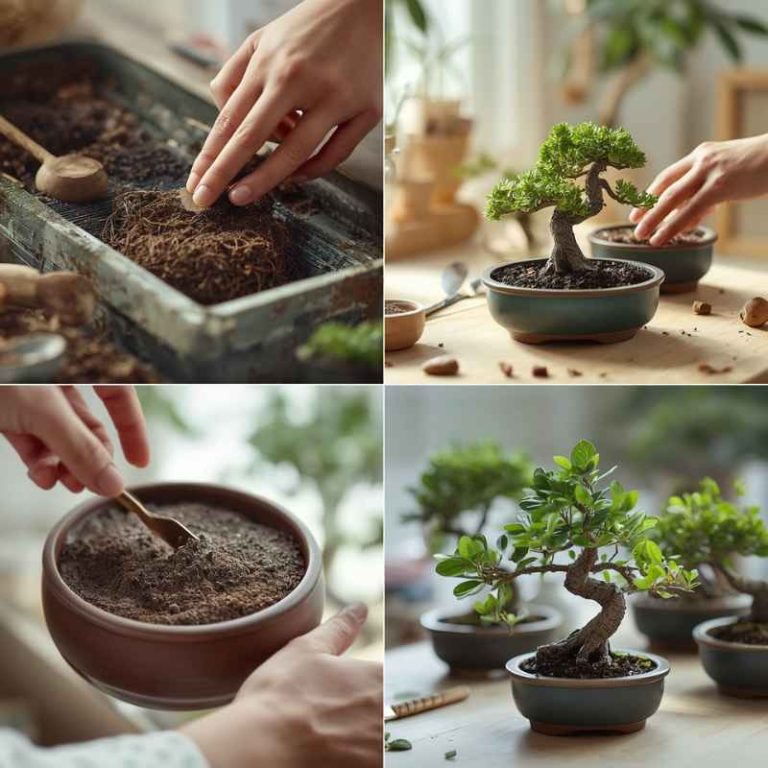
Repotting: If your tree is due, now is the time. For most temperate species, repotting in early spring is best. This is before buds swell significantly.
You want the roots to recover and grow. This means taking it out of the pot. Gently untangling the roots.
Pruning away about a third of the roots. Then putting it back in a pot with fresh, well-draining soil.
Pruning: Spring is great for structural pruning. You can remove unwanted branches. You can also start to trim back new shoots.
This helps build ramification. For flowering trees, prune after they finish blooming. Pruning before can remove flower buds.
Fertilizing: Start feeding your tree. Use a balanced bonsai fertilizer. This helps fuel the new growth.
Follow the product’s instructions. Do not over-fertilize. Too much can burn the roots.
Pest Control: New growth is tender. It can attract pests like aphids. Keep a close watch.
Treat any infestations early.
Spring Bonsai To-Do List
- Repotting: If due (every 1-5 years).
- Structural Pruning: To define shape.
- Maintenance Pruning: Trim new shoots to encourage density.
- Fertilizing: Begin with a balanced food.
- Pest Watch: Aphids and new growth pests.
- Wiring: Can be done, but be gentle around new buds.
Summer: Growth and Maintenance
Summer is about sustained growth. Your focus shifts to keeping the tree healthy and in shape.
Watering: This is your biggest job in summer. Trees use a lot of water. The sun is strong.
Soil can dry out fast. Check soil moisture at least once a day. Water thoroughly when the top layer feels dry.
Consider watering in the morning. This lets the leaves dry before night. This helps prevent fungal issues.
Pruning: Continue maintenance pruning. Pinch back new shoots. This keeps the tree compact.
It encourages back-budding. Remove any branches that are growing in bad directions. Or ones that are too long.
Fertilizing: Keep feeding your tree. Use a fertilizer with a bit more phosphorus. This helps with root and flower development.
But a balanced fertilizer is usually fine.
Pest and Disease: Summer heat can stress trees. This makes them more prone to problems. Keep checking for pests and diseases.
Good air circulation helps. Don’t let leaves stay wet overnight.
Wiring: Be careful with wiring in summer. The sap is flowing. Branches can thicken quickly.
Wire can bite into the bark. If you wire, check it often. Remove it as soon as it starts to tighten.
Summer Bonsai Focus: Sustaining Growth
Primary Tasks:
- Watering: Daily checks, thorough watering.
- Pinching/Pruning: Maintain shape, encourage ramification.
- Fertilizing: Continue regular feeding.
- Pest/Disease Control: Vigilance against common summer issues.
Things to Watch For:
- Sunburn on leaves (move to less intense sun if needed).
- Soil drying out too quickly.
- Wire cutting into bark.
Fall: Preparing for Rest
Fall is a transition. The energy shifts from growth to preparation for dormancy.
Watering: As temperatures cool, watering needs decrease. Still check daily. But you likely won’t need to water as often.
Let the soil dry out a little more between waterings.
Fertilizing: Stop fertilizing by late fall. This allows the tree to harden off for winter. It needs to prepare for dormancy.
Fertilizing too late can encourage weak new growth.
Pruning: Fall is a good time for some light pruning. You can remove dead or crossing branches. For deciduous trees, you can see their structure clearly.
This makes it a good time for some structural work. But avoid heavy pruning.
Leaf Drop: For deciduous trees, enjoy the colors! Once leaves drop, it’s easier to see the branch structure. This is perfect for planning future pruning or wiring.
Pest Control: Keep an eye out for late-season pests. Some can overwinter on the tree.
Protection: For outdoor trees, start thinking about winter protection. This depends on your climate and species. Some need to be moved indoors or sheltered.
Fall Bonsai Priorities: Winding Down
- Reduce Watering: As temps drop.
- Stop Fertilizing: Allow tree to prepare for winter.
- Light Pruning: Clean up dead or crossing branches.
- Observe Structure: Plan for winter work.
- Prepare for Winter: Assess protection needs.
Winter: Rest and Planning
Winter is a time of rest for most bonsai. Especially outdoor ones. Indoor bonsai may keep growing slowly.
Watering: Indoor bonsai still need water. But less often. Outdoor dormant trees need very little.
The soil should stay slightly moist. But not wet. Protect outdoor pots from freezing solid.
This can crack them.
No Fertilizing: This is a time to rest. Do not fertilize. It will not be used.
It can harm the tree.
Pruning/Wiring: Winter is an excellent time for heavy structural pruning. Especially for deciduous trees. You can see the bare branches.
You can also do wiring. The tree is not actively growing. It is less likely to be damaged.
This is also a good time for root work if you couldn’t do it in spring.
Pest and Disease: Indoor trees can still get pests. Look for mealybugs or scale. Outdoor trees are usually dormant and less susceptible.
Planning: Use the quiet time to plan. Study your trees. Read books.
Watch videos. Plan your styling goals for the next year. Clean your tools.
Winter Bonsai: The Dormant Season
For Outdoor Dormant Trees:
- Watering: Sparingly, check soil moisture. Protect pots from extreme cold.
- No Fertilizing.
- Pruning & Wiring: Ideal time for structural work.
For Indoor (Slower Growing) Trees:
- Watering: Less often, but still needed.
- Fertilizing: Very light or none, depending on growth.
- Pest Watch: Indoor pests can still appear.
All Trees: Plan for the year ahead. Clean tools. Study techniques.
Species-Specific Needs: It’s Not One-Size-Fits-All
This is a crucial point. The general advice is helpful. But your specific bonsai species matters a lot.
What works for a Japanese Maple will not work for a Ficus.
Temperate Trees (Maples, Elms, Pines): These trees need a cold dormant period. They must go outside in winter. They need sun and protection from harsh winds and extreme cold.
If you live in a very cold area, they might need to be placed in a cold frame or unheated garage. They generally do not do well as indoor bonsai year-round.
Tropical/Subtropical Trees (Ficus, Jade, Serissa): These trees do not need a cold dormancy. They can often be kept indoors year-round. They need bright light and consistent temperatures.
They are more sensitive to cold drafts. Their watering and feeding schedules are more constant. They don’t have as distinct a dormant period.
Flowering and Fruiting Trees (Azaleas, Cherries, Apple): These have specific needs related to their blooms and fruits. Pruning times are critical. They often need a dormant period too.
They may require specific soil mixes to support flowering.
What this means for “doing it right now”: If you have a Ficus that looks a bit sad, you are not going to plunge it into a cold dormancy. You are going to check its light, water, and humidity. If you have a Pine that’s been inside all winter, it’s probably not healthy.
It needs to experience the seasons.
So, when you ask “what should I be doing right now?”, the first question should be: “What kind of tree is it, and where does it usually live?”
Species Spotlight: Common Bonsai Needs
Ficus (Indoor):
- Light: Bright, indirect light.
- Water: Let top soil dry slightly.
- Temp: Warm, avoid drafts.
- Fertilize: Year-round, reduced in winter.
Japanese Maple (Outdoor):
- Light: Partial sun, afternoon shade in hot climates.
- Water: Keep moist, but not soggy.
- Temp: Needs winter dormancy.
- Fertilize: Spring through late summer.
Juniper (Outdoor):
- Light: Full sun.
- Water: Let soil dry slightly between waterings.
- Temp: Needs winter dormancy.
- Fertilize: Spring through late summer.
The “Why” Behind the Activities
Each activity has a purpose. Understanding this helps you make better decisions. It helps you know when something is truly necessary.
Why repot? To prevent root-bound conditions. This improves drainage and aeration. It gives access to fresh nutrients.
It allows you to prune weak or circling roots. A healthy root system is the foundation of a healthy tree.
Why prune? To maintain scale. To encourage denser foliage. To develop fine branching (ramification).
To create and maintain the tree’s shape. It also removes dead or diseased parts.
Why wire? To guide the growth of branches and the trunk. It allows you to set the tree’s form. It gives you artistic control.
The wire holds the branch in place as it hardens off.
Why fertilize? To provide essential nutrients. The small pot and limited soil can’t hold enough. Fertilizing supports healthy leaf and root development.
It helps the tree recover from pruning and styling.
Why check for pests? To prevent damage. Small infestations are easy to treat. Large ones can kill a tree.
Early detection saves time, effort, and your tree.
Knowing the “why” makes these tasks less like chores. They become essential steps in caring for a living work of art. You’re not just going through motions.
You’re actively supporting the tree’s life and its aesthetic.
Observing Your Tree: The Most Important “Right Now” Task
Honestly, the single most important thing you should be doing right now for your bonsai is observing it. Really looking at it.
What does that mean?
It means getting close. Looking at the leaves. Are they a good color?
Are they firm? Are they droopy? Is there any spotting or discoloration?
It means feeling the soil. Not just looking at the surface. Stick your finger in an inch or two.
Is it wet? Is it dry? Is it hard and crusty?
Or is it loose and airy?
It means checking the trunk and branches. Look for any signs of damage. Are there any tiny bugs crawling on the bark?
Is there any sticky residue? Is the wire biting in?
It means looking at the soil surface. Is anything growing there? Is it dry and cracked?
Is there a green algae film?
This observation tells you what is needed right now. Does the soil tell you it needs water? Or does it tell you it’s been overwatered and needs to dry out?
Do you see tiny green bugs on the new shoots? That means it’s time to act on pest control. Are the leaves looking a bit pale and leggy?
Maybe it needs more light or some fertilizer.
This constant, gentle observation is your best tool. It’s more important than any calendar. It’s more important than following a strict schedule blindly.
Your tree will tell you what it needs if you take the time to look and listen.
When to Worry: Red Flags for Your Bonsai
While many things are normal fluctuations, some signs mean you need to pay closer attention. These are times to act quickly.
Sudden Leaf Drop: If your tree suddenly drops a lot of leaves, and it’s not fall for a deciduous tree, something is wrong. This could be overwatering, underwatering, or a change in environment.
Wilting That Doesn’t Recover: If you water a wilting tree and it still doesn’t perk up after a few hours, this is a serious sign. It often means root damage or disease. The roots can’t take up water anymore.
Visible Pests in Large Numbers: A few aphids are one thing. An infestation covering branches is another. These need immediate, thorough treatment.
Fungal Spots or Powdery Mildew: These can spread rapidly. They weaken the tree. Act fast to remove affected parts and apply a fungicide if needed.
Soggy, Smelly Soil: This is a sure sign of root rot from overwatering. You need to act fast to dry out the soil and potentially repot to deal with damaged roots.
Wire Cutting Deeply into Bark: If you haven’t removed wire and it’s starting to dig into the branch, you need to remove it immediately. Leaving it can cause permanent scarring and damage the branch.
These are indicators that your tree is under significant stress. Don’t ignore them. Take action based on your observations and research for that specific issue.
Quick Tips for Right Now
Here are a few actionable things you can do right now, regardless of the season, if you’re unsure:
- Check Soil Moisture: Always the first step.
- Look for Pests: A quick visual scan.
- Clear Debris: Remove dead leaves or debris from the soil surface. This helps air flow and reduces disease risk.
- Rotate the Pot: If it’s an indoor tree, rotate it 1/4 turn. This ensures all sides get even light.
- Clean Your Tools: If you plan to do any pruning or styling, make sure your tools are clean and sharp.
Frequently Asked Questions About Current Bonsai Activities
What is the most important thing to do for my bonsai right now?
The most important thing is to observe your tree. Check the soil moisture, look at the leaves for color and health, and scan for any signs of pests or diseases. This observation will tell you what your tree needs most urgently.
Should I be repotting my bonsai in the fall?
Generally, no. The best time to repot most bonsai is in early spring, just as the tree is waking up. Repotting in fall can stress a tree that is preparing for winter dormancy.
Some specific species might have different needs, but spring is the standard.
My bonsai’s leaves are turning yellow. What should I do now?
Yellowing leaves can mean several things. Check the soil moisture first. Are you overwatering or underwatering?
If the soil is correct, consider if the tree is getting enough light. For indoor trees, it could also be a lack of nutrients, so consider fertilizing if it’s the growing season. Seasonal leaf drop is normal for deciduous trees in the fall.
How often should I water my bonsai right now?
This depends entirely on your tree, its species, the pot size, the soil, and the environment. There’s no set schedule. The best practice is to check the soil moisture daily by sticking your finger into the top inch or two.
Water only when the soil feels slightly dry.
Can I prune my bonsai at any time?
You can do light pruning (like pinching back new shoots) almost any time during the growing season. However, heavier structural pruning is best done when the tree is dormant (winter) or just starting to grow vigorously (early spring). Pruning flowering trees should be done after they bloom.
I see tiny white bugs on my bonsai. What should I do now?
Those are likely aphids or mealybugs. You should act quickly. For small infestations, you can try wiping them off with a damp cloth or cotton swab dipped in rubbing alcohol.
You can also spray the tree with a gentle insecticidal soap or neem oil solution. Ensure good air circulation and monitor the tree closely.
Conclusion: Your Bonsai’s Immediate Needs
Knowing what to do for your bonsai right now comes down to two main things. First, understanding your tree’s species and its seasonal needs. Second, and most importantly, observing your tree closely every day.
It will tell you what it requires. Focus on these simple steps. They will help your tree stay healthy and beautiful for years to come.