What Is The Difference Between Bonsai Soil And Cactus Soil?
Understanding Bonsai Soil
Bonsai soil isn’t just dirt from your yard. It’s a special mix. The main goal is to give the tiny trees in pots great drainage.
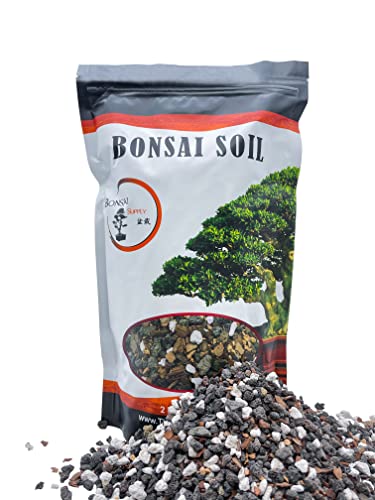
JK Global Imports
Bonsai Soil All Purpose Mix | Fast…
- 🌱【Ready-to-use Pre-mix】: Simplify repotting your Bonsai and other plants with our premium, fast-draining Bonsai potting soil mix.…
- 🌱【Optimal Blend for Perfect Results】: Experience Bonsai bliss! Our specially crafted Bonsai plant mix provides ideal drainage, pH…
- 🌱【Versatile for All Plants】: Enjoy a harmonious blend of nature that caters to all Bonsai and container-grown plants. From herbs a…
As an Amazon Associate I earn from qualifying purchases.
It also needs to hold a little bit of water. Plus, it should let air get to the roots easily. This helps the tree stay healthy and grow strong in its small container.
Think about a real tree in the ground. Its roots spread out and get air. Rainwater flows through the soil.
Bonsai soil tries to copy this in a pot. It’s not made of fine potting soil like you might use for a houseplant. Instead, it uses larger particles.
What’s in Bonsai Soil?
A good bonsai soil mix usually has a few key things. These are often called amendments or components. They are mixed together to get the right balance for the plant.
- Akadama: This is a hard-baked clay from Japan. It looks like small brown balls. It’s famous for holding water and nutrients. It also breaks down over time, which helps feed the tree.
- Pumice: This is a volcanic rock. It’s light and full of holes. Pumice helps with drainage and aeration. It doesn’t break down easily.
- Lava Rock: Similar to pumice, lava rock is porous. It adds drainage and air pockets. It’s a bit harder than pumice.
- Organic Matter: Some mixes use a small amount of compost or bark. This adds some nutrients and helps hold a bit of moisture. But there isn’t a lot of it in a typical bonsai mix. Too much organic stuff can hold too much water.
The exact recipe for bonsai soil can change. It depends on the type of tree. It also depends on where you live.
A tree that likes more water might get a mix with a bit more akadama. A tree that needs to dry out more might have more pumice and lava rock.

Understanding Cactus Soil
Cactus soil has a similar goal: good drainage. Cacti and succulents are desert plants. They do not like wet feet.
If their roots sit in soggy soil, they can rot very quickly. Cactus soil is made to let water pass through fast.
Most people buy cactus soil from a store. It’s usually a lighter color than regular potting soil. It often feels gritty.
This grittiness comes from the minerals and rocks mixed into it. It’s designed to mimic the sandy, rocky soils found in deserts.
What’s in Cactus Soil?
Cactus soil is typically simpler than bonsai soil. It focuses on fast drainage above all else. It might look like it has fewer ingredients, but those ingredients do a big job.
- Sand: Coarse sand is often added. This is not fine sand like you find at a beach. It’s a larger grain that helps water drain.
- Perlite: This is a volcanic glass that’s heated up. It puffs up into white, super light balls. Perlite is great for drainage and air. It’s very porous.
- Pumice: Sometimes pumice is used in cactus soil too. It serves the same purpose as in bonsai soil: drainage and aeration.
- Potting Soil: There is usually some potting soil mixed in. This provides a small amount of nutrients. But it’s a smaller portion than in regular potting mixes.
The key idea behind cactus soil is to prevent water from staying around the roots for too long. This is why it feels so light and airy. It doesn’t hold onto much moisture.
This is perfect for plants that evolved to store water and survive long dry spells.
Key Differences Explained
Now, let’s put them side-by-side. While both soils aim for good drainage, the way they achieve it and their other properties are quite different. This makes a big impact on what plants thrive in them.
Drainage and Water Retention
Bonsai Soil: It has good drainage, but it also needs to hold some water. Bonsai trees are in small pots. They can dry out fast.
The soil needs to give them a drink when they need it. Akadama helps hold water. But the pumice and lava rock ensure it doesn’t get waterlogged.
Cactus Soil: This soil drains much faster. It holds very little water. The goal is to let water run right through.
This is because cacti and succulents store water in their leaves or stems. They can survive with less frequent watering. Too much moisture is their enemy.
The sand and perlite help water escape quickly.
Aeration
Bonsai Soil: Excellent aeration is crucial. The roots of bonsai trees need to breathe. The mix of akadama, pumice, and lava rock creates many air pockets.
This prevents the soil from becoming compact. Compact soil means no air for the roots.
Cactus Soil: Cactus soil is also very airy. The perlite and sand create space. This also helps prevent compaction.
Good airflow stops roots from suffocating, especially in hot conditions. It allows the soil to dry out fast.
Nutrient Content
Bonsai Soil: Bonsai soil aims to provide some nutrients. The akadama breaks down slowly, releasing minerals. Some organic matter also adds nutrients.
Bonsai growers often fertilize their trees. But the soil itself provides a slow release of food. This helps the tree grow slowly and develop.
It’s about controlled growth.
Cactus Soil: Cactus soil is generally low in nutrients. It focuses on drainage, not feeding. Cacti and succulents are adapted to poor soils in the wild.
They get nutrients from occasional rain flushing through rocky ground. Most cactus growers use a specific cactus fertilizer. The soil is more of a stable base.
Particle Size and Composition
Bonsai Soil: The particles in bonsai soil are usually larger and more uniform in size. Think of small pebbles and hard clay balls. This larger structure helps prevent compaction and ensures good drainage.
The components are chosen for their longevity in a pot.
Cactus Soil: Cactus soil can have a wider range of particle sizes. It often contains finer elements like sand along with larger perlite. The texture is often gritty.
The main thing is that it’s not fine and dense like regular potting soil. It’s designed to be loose.
pH Level
Bonsai Soil: Bonsai soil tends to be slightly acidic to neutral. This is good for most trees. The components used, like akadama, often contribute to this pH range.
This helps plants absorb nutrients efficiently.
Cactus Soil: Cactus soil is typically neutral to slightly alkaline. This matches the conditions where most cacti grow in nature. It’s a more forgiving pH for desert plants.
When to Use Which Soil
This is where it all comes together. Knowing the differences helps you make the best choice for your plants. Using the wrong soil can lead to problems.
Bonsai Soil is Best For
As the name suggests, bonsai soil is perfect for bonsai trees. These are miniature trees that are carefully shaped and grown in small containers. They require a special soil mix to stay healthy.
- Bonsai trees: This is their primary purpose. The soil helps control growth and maintain the health of these miniature trees.
- Other plants needing sharp drainage and some moisture retention: Some people find that certain small shrubs or woody plants that struggle with wet feet might do well in a bonsai mix if they need a bit more water than a cactus.
The slow breakdown of akadama in bonsai soil also adds a nutritional element over time. This controlled release is key for bonsai growth. It helps maintain the intricate root system without over-fertilizing.
Cactus Soil is Best For
Cactus soil is designed for plants that store water and hate sitting in moisture. This includes all types of cacti and succulents.
- Cacti: All varieties, from prickly pear to barrel cacti.
- Succulents: This includes plants like Echeverias, Sedums, Aloes, Haworthias, and Sempervivums.
- Air Plants (Tillandsia) in certain setups: While air plants don’t typically need soil, sometimes they are mounted on wood or in terrariums with a very airy base. A cactus mix can sometimes be a component of this.
- Orchids (in specific mixes): Some orchid growers use mixes that are very similar to cactus soil, focusing on extreme aeration and drainage.
The fast-draining nature of cactus soil is essential for these plants. It mimics their natural arid environments. It prevents the root rot that can quickly kill these desert dwellers.
Can You Mix Them?
Sometimes you might wonder if you can use bonsai soil for your succulents, or cactus soil for your bonsai. It’s generally not a good idea. They are formulated for very different needs.
Using bonsai soil for a cactus might lead to too much water retention. The akadama could hold on to moisture for too long. This could cause root rot.
Your cactus would be unhappy.
Using cactus soil for a bonsai tree might not provide enough consistent moisture. The cactus soil drains so fast that the bonsai might dry out too quickly. This can stress the tree.
It might also lack the slow-release nutrients that bonsai trees need for controlled growth.
However, if you are in a pinch, you can make a DIY mix that borrows from both. For example, if you need a slightly more draining mix for a succulent that likes a bit more moisture than usual, you could add some perlite to bonsai soil. Or, if your bonsai seems to dry out too fast in its current mix, you could add a bit of compost to cactus soil, but be very careful not to overdo it.
DIY Soil Mixes
If you want to get really into your plant care, making your own soil mixes can be very rewarding. You can tailor them precisely to your plants’ needs. Here are some basic ideas.
DIY Bonsai Soil Idea
You can create a good bonsai mix by combining equal parts of the main components. Many growers use a 1:1:1 ratio or similar.
- 1 part Pumice
- 1 part Lava Rock
- 1 part Akadama (or coarse horticultural grit if akadama is unavailable)
- Optional: A small amount (10%) of compost or coco coir for moisture retention.
The key is to have a good balance of drainage and water holding capacity. You want the mix to feel gritty and airy.
DIY Cactus Soil Idea
Making your own cactus soil is often simpler and more cost-effective.
- 2 parts Coarse Sand (horticultural sand, not play sand)
- 2 parts Perlite
- 1 part Potting Soil (a light, peat-free one is good)
This mix is very gritty and drains quickly. You can adjust the amounts based on how much drainage your specific plant needs. Some plants might benefit from more sand or perlite, while others might tolerate a little more potting soil.
Quick Comparison: Bonsai Soil vs. Cactus Soil
Bonsai Soil
Primary Goal: Balanced drainage and moisture retention for controlled growth.
Key Ingredients: Akadama, Pumice, Lava Rock, small amount of organic matter.
Texture: Gritty, airy, holds some water.
Nutrients: Slow release from akadama.
Best For: Bonsai trees, woody plants needing controlled growth.
Cactus Soil
Primary Goal: Rapid drainage to prevent root rot.
Key Ingredients: Sand, Perlite, Pumice, some potting soil.
Texture: Very gritty, airy, drains very fast.
Nutrients: Low; requires fertilization.
Best For: Cacti and succulents.
Real-World Context: Why This Matters in Your Home
I remember when I first started with plants. I got a cute little cactus and a tiny maple sapling. I grabbed the same bag of potting soil for both.
Within weeks, the cactus’s roots were mushy. The maple’s leaves started to yellow. It was a mess.
I felt so bad!
That was my first hard lesson. Plants are not all the same. They have different needs.
For the cactus, the potting soil held way too much water. It was like a swamp. For the maple, which I was trying to eventually style as a bonsai, the soil was too dense.
It didn’t let enough air reach its roots, and it dried out too fast in its small pot.
After that, I learned to research. I found out about specialized soils. Using cactus soil for my cactus made a huge difference.
It drained perfectly. My cactus thrived. Then, when I got serious about the maple, I researched bonsai soil.
The gritty, airy mix was perfect. It allowed me to control its growth and keep its roots healthy in a small pot.
The environment in your home also plays a part. If you live in a humid climate, your soil will stay wet longer. You might need even faster-draining soil.
If you live in a dry desert climate, your soil will dry out quickly. You might need a mix that holds a little more moisture, but still drains well. This is why knowing the properties of each soil is so important.
What This Means for Your Plants
The soil you use is like the foundation of a house for your plants. If the foundation is weak or wrong for the house, problems will eventually show up.
When it’s normal for soil to be gritty and drain fast: This is totally normal for cacti and succulents. If water runs through the pot quickly after you water, and the soil dries out in a few days, that’s exactly what they need.
When to worry about your soil: If your soil stays soggy for days, even after a week or more, that’s a problem. If your soil feels dense and heavy, it’s likely not draining well. If your plant’s leaves are turning yellow and mushy, especially near the base, that’s a strong sign of overwatering and poor drainage, likely due to the soil.
Simple checks: You can do a few things to check your soil. Stick your finger about an inch or two into the soil. If it feels wet and heavy, it’s not drying out.
You can also lift the pot. A pot with wet soil feels much heavier than one with dry soil. If the soil looks like a solid brick at the bottom of the pot, it’s too compact.
Quick Tips for Soil Success
Choosing the right soil is a big step. Here are some quick tips to help you get it right.
- Read the label: Always check what the bag says. Does it say “Cactus & Succulent Mix” or “Bonsai Soil”?
- Feel the texture: Open the bag if you can. Does it feel light and gritty, or more like damp dirt?
- Consider your plant: Does your plant come from a desert environment, or a forest floor? This is a good clue.
- Don’t be afraid to mix: If you can’t find the perfect mix, buy basic components like perlite, coarse sand, and good potting soil. You can create your own.
- Repot when needed: Plants outgrow their pots. When you repot, use fresh soil appropriate for that plant.
Using the correct soil helps prevent many common plant problems. It saves you stress and helps your plants live longer and healthier lives. It’s one of the most important things you can do for your green companions.

Frequently Asked Questions
Can I use regular potting soil for my bonsai tree?
No, it is not recommended. Regular potting soil is too dense and holds too much moisture. This can lead to root rot and poor aeration for bonsai trees, which require a very specific gritty, fast-draining mix.
Will my cactus die if I use bonsai soil?
It is likely to cause problems. Bonsai soil retains more moisture than cactus soil. This can lead to root rot in cacti and succulents, as they prefer their soil to dry out very quickly.
It’s best to use a dedicated cactus or succulent mix.
What is the main difference in texture between bonsai soil and cactus soil?
Bonsai soil is generally made of larger, harder particles like akadama, pumice, and lava rock, creating good drainage but also some water retention. Cactus soil is often grittier, with sand and perlite, designed to drain extremely fast and hold very little water.
Can I add perlite to my cactus soil to make it drain better?
Yes, you can! Adding more perlite or coarse sand to cactus soil will increase its drainage even further. This is a common practice for succulents that are very prone to rot.
Is akadama essential for bonsai soil?
While akadama is a traditional and excellent component, it is not strictly essential if you cannot find it. You can create a good bonsai mix using other gritty materials like pumice, lava rock, and coarse horticultural grit, aiming for a similar balance of drainage and aeration.
How often should I water a plant in cactus soil?
You should water when the soil is completely dry. This can range from once a week to once a month or even less, depending on the plant, pot size, light, and temperature. Always check the soil moisture before watering.
Can I use compost in my cactus soil mix?
Use compost very sparingly, if at all, in cactus soil. Cacti and succulents prefer lean, mineral-rich soil. Too much compost can hold excess moisture and lead to root rot.
A tiny amount might be okay in a very large mix, but it’s usually best avoided.
What happens if my bonsai tree dries out too much?
If your bonsai tree dries out too much, its leaves may wilt, turn brown, or fall off. The roots can also become damaged. This is why it’s important for bonsai soil to retain some moisture, not just drain freely.
Conclusion
So, there you have it! Bonsai soil and cactus soil are not interchangeable. They are made for very different plant needs.
One provides balanced moisture and nutrients for controlled growth. The other ensures rapid drying to prevent rot for desert dwellers. Knowing these differences will help you give your plants the best possible home, leading to happier, healthier greenery in your life.
Related pick: Check today's price on Amazon