Do Landscape Architects Work For Engineering Firms Too?
Understanding how different professionals team up is key. This helps us see the whole picture. We’ll explore how landscape architects and engineers often partner.
We will look at what each brings to the table. We will also see why their combined efforts make projects shine.
Yes, landscape architects can and often do work for or with engineering firms. They bring a crucial design and environmental perspective to projects. This partnership ensures that functional engineering solutions are also aesthetically pleasing, environmentally sound, and socially beneficial.
The Essential Blend: Landscape Architects and Engineering
Landscape architecture is more than just pretty plants. It’s a thoughtful practice. It shapes outdoor spaces.
This includes parks, campuses, and entire communities. Landscape architects think about how people use spaces. They also consider the land itself.
This means looking at water, soil, and plants. They balance beauty with practical needs.
Engineering firms focus on the technical side. They build the structures and systems. This could be roads, bridges, or complex water management systems.
Engineers use math and science. They make sure things are safe and work well. They solve tough problems with data.
The magic happens when these two worlds meet. A project needs a new park. Engineers might design the drainage and grading.
They make sure water flows correctly. They ensure the ground is stable. Landscape architects then step in.
They plan where paths go. They choose the right trees and flowers. They think about where people will sit and play.
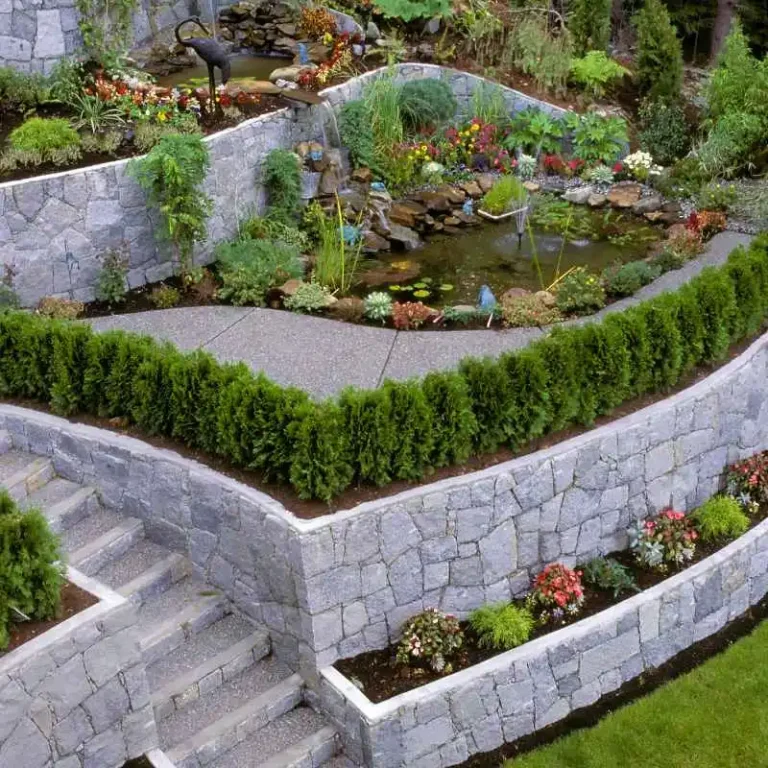
This collaboration is vital. It prevents problems later. For example, engineers might plan a large retaining wall.
A landscape architect can then soften its look. They can plant vines or add seating. This makes the wall blend into the park better.
It feels less like a harsh barrier.
The partnership can work in several ways. Sometimes, landscape architects are part of a large, multi-disciplinary engineering firm. Other times, an engineering firm hires a landscape architecture firm.
They might work together as consultants on a specific project. Each setup has its own flow.

My Own “Aha!” Moment with Design and Data
I remember a project early in my career. It was a community center expansion. The engineers had done amazing work on the site.
They figured out the parking lots. They designed the storm drains. Everything was technically perfect.
The plans looked like a maze of pipes and asphalt.
But something felt off. It was cold. It lacked life.
The open space felt empty. I looked at the blueprints. I could see where the engineers had drawn in some trees.
They were just dots on a page. They didn’t consider how shade would fall. They didn’t think about native plants that would attract birds.
That’s when it hit me. The engineering was solid. But the feeling of the place was missing.
I talked to the lead engineer. He was brilliant with numbers. He admitted that the human touch, the soft edges, wasn’t his strong suit.
He welcomed my ideas.
We spent hours looking at the site together. I showed him how winding paths could create discovery. I explained how planting a grove of trees could create a cozy gathering spot.
I pointed out how a gentle slope could help water drain and create a natural amphitheater. He started to see it. His eyes lit up.
He saw how design could enhance his functional solutions. It was a powerful moment of understanding. This wasn’t about one skill being better.
It was about both skills working together.
Key Roles in a Joint Project
Landscape Architect
Focus: Aesthetics, user experience, ecology, site planning. They design the look and feel of spaces.
Civil Engineer
Focus: Infrastructure, grading, drainage, utilities, structural stability. They ensure projects are safe and functional.
Environmental Engineer
Focus: Water quality, soil health, ecological impact, sustainable practices. They protect natural resources.
Urban Planner
Focus: Community needs, zoning, land use, long-term development. They shape how cities grow.
Where Design Meets the Ground: Real-World Scenarios
Think about a new downtown plaza. Engineers will handle the underground utilities. This includes water, sewer, and power lines.
They will ensure the pavement can support heavy loads. They will design the storm drainage system. This keeps the plaza from flooding.
The landscape architect’s role is different but just as crucial. They decide where benches go. They plan for shade trees.
They select plants that can survive city pollution. They think about how people will walk through the space. They create seating areas.
They might even design a small water feature. This adds visual interest and sound.
Consider a new housing development. Civil engineers plan the roads and sewer lines. They manage the grading of the land.
This prevents erosion. Landscape architects work on the streetscapes. They choose trees for the sidewalks.
They design neighborhood parks. They think about buffer zones between homes and busy roads. They might also plan for community gardens or playgrounds.
Another example is a large industrial site. Engineers ensure the buildings are structurally sound. They design loading docks and access roads.
Landscape architects might focus on reducing the visual impact of the facility. They can use berms and trees to screen it from view. They may also plan for bioswales.
These help manage rainwater runoff from large paved areas. They filter pollutants before water reaches local streams.
These collaborations show how integrated design is. It’s not just about one discipline. It’s about many working together.
The environment benefits too. Landscape architects often advocate for green infrastructure. This can include rain gardens and permeable pavements.
These solutions help manage water naturally. They reduce the need for massive concrete structures.
Landscape Architect vs. Engineer: A Quick Look
Myth: Engineers just build ugly, functional things.
Reality: Engineers build what is safe and works. They rely on landscape architects to make it beautiful and inviting.
Myth: Landscape architects only care about flowers. Reality: Landscape architects deeply understand ecology, drainage, and how people use spaces. They integrate these needs with beauty.
When Nature Needs a Helping Hand: Environmental Considerations
Modern projects cannot ignore the environment. This is where landscape architects and environmental engineers often cross paths. Landscape architects are trained to understand ecosystems.
They know about native plants. They understand soil health. They can design spaces that support local wildlife.
They might propose a living roof on a new building. This roof has plants. It helps insulate the building.
It also manages rainwater. It can even create a small habitat. Engineers might need to calculate the roof’s load-bearing capacity.
They ensure the structure can support the soil and plants.
Consider waterfront development. Engineers design seawalls and bulkheads. These protect against flooding.
Landscape architects can design living shorelines. These use natural materials like oyster beds and native marsh grasses. These help absorb wave energy.
They also create habitat. They can be more resilient than hard structures.
The goal is often sustainability. This means building in a way that lasts. It also means minimizing harm to the planet.
Landscape architects help achieve this. They can design for water conservation. They choose drought-tolerant plants.
They can also incorporate renewable energy sources into site design.
Engineering firms that have landscape architects on staff are often ahead of the curve. They can offer clients a full package. This package addresses both the technical needs and the environmental impact.
This holistic approach is becoming the standard. It’s what clients expect.
Project Flow: How Teams Might Work
- Initial Concept: Both architects and engineers provide input.
- Site Analysis: Engineers assess soil, topography, and utilities. Landscape architects assess ecological features and views.
- Schematic Design: Engineers draft basic site plans and grading. Landscape architects sketch conceptual layouts and planting zones.
- Design Development: Engineers detail drainage, roads, and structures. Landscape architects refine planting plans and material selections.
- Construction Documents: Both produce detailed drawings and specifications.
- Construction Administration: Both teams oversee building to ensure plans are followed.
What This Means for Your Projects (And Your Career!)
If you are a homeowner, understanding this partnership is useful. When you see a project happening in your town, you can appreciate the different skills involved. You can see how a beautiful park is more than just grass and benches.
It’s a result of careful planning by many experts.
For students or young professionals, this is important too. If you are interested in design, don’t limit yourself. Landscape architecture and engineering are closely linked.
Many universities offer joint programs or encourage cross-disciplinary studies. Working on projects that involve both fields gives you a broader understanding.
If you are a developer, hiring a firm that offers both services can be a big plus. It streamlines the process. It can also lead to more integrated and successful projects.
You get a site that functions perfectly and looks amazing. It also respects the environment.
The trend is clear. Complex projects need complex teams. The days of silos are fading.
Collaboration is key. Landscape architects bring an essential human and environmental focus. They ensure that engineered solutions serve people and the planet well.
This blend of skills is not just nice to have. It’s often necessary. It leads to better outcomes.
It creates spaces that people love. It also ensures that these spaces last for a long time. They are built with both brains and heart.
Quick Tips for Understanding Site Plans
When you look at site plans, try to spot the different elements. Look for lines indicating roads or paths. These are often engineered.
Look for areas marked for planting or green space. These are likely from the landscape architect.
Pay attention to symbols. Engineers use symbols for pipes and manholes. Landscape architects might use symbols for trees, shrubs, or seating areas.
These visual cues can help you see how different disciplines have contributed.
Sometimes, plans show grading contours. These lines show the elevation of the land. Engineers use these to plan drainage.
Landscape architects use them to design usable spaces.
Don’t be afraid to ask questions. If you see a public project, many municipalities have public information sessions. You can ask representatives about the design process.
You can inquire about the roles of different professionals involved.
Understanding these roles helps you appreciate the complexity. It also helps you evaluate projects better. You can see if a project has a good balance of function and form.
You can judge if it respects the natural environment.
Benefits of Collaboration
- Holistic Design: Projects consider both function and aesthetics.
- Environmental Integration: Natural systems are respected and enhanced.
- Efficiency: Streamlined communication reduces delays.
- Cost Savings: Early problem-solving prevents costly mistakes.
- Innovation: Diverse perspectives spark creative solutions.

Frequently Asked Questions
Can a landscape architect design roads?
Landscape architects typically do not design the structural engineering of roads. That is the job of civil engineers. However, landscape architects influence road design.
They plan streetscapes. This includes sidewalks, planting strips, and pedestrian crossings. They ensure roads fit well into the surrounding environment.
What’s the difference between a landscape architect and a landscape designer?
A landscape architect is a licensed professional. They have extensive education and training. They can handle complex site planning and environmental design.
A landscape designer often focuses on softer aspects like planting plans and garden layouts. Licensing requirements vary by state, but landscape architects have a higher level of certification.
Do engineering firms need landscape architects?
Many large engineering firms do employ landscape architects. This allows them to offer a full suite of services. For smaller firms or specific projects, they might hire landscape architects as consultants.
It depends on the project’s scope and needs. It is increasingly common and beneficial for firms to have this expertise.
How does landscape architecture help with water management?
Landscape architects use techniques like rain gardens, bioswales, and permeable paving. These are often called green infrastructure. They help water soak into the ground.
This reduces runoff and filters pollutants. This works alongside traditional engineering solutions like pipes and detention ponds.
Can landscape architects work on private homes?
Yes, absolutely. Landscape architects design beautiful and functional outdoor spaces for homes. This can include patios, gardens, pools, and outdoor kitchens.
They consider the home’s architecture. They also think about how the family will use the space. They ensure it fits the client’s lifestyle and the local climate.
Is it expensive to hire a landscape architect?
The cost varies greatly based on the project’s size and complexity. For large public works or commercial projects, the fees are part of the overall budget. For homeowners, it can be an investment.
However, good landscape architecture can increase property value. It also ensures a functional and beautiful space that is easier to maintain.
The Future of Integrated Design
The way we build and shape our world is changing. We need smarter, more sustainable solutions. This means professionals must work together.
Landscape architects and engineers are natural partners. Their skills complement each other perfectly.
As technology advances, so does the potential for collaboration. Digital tools allow for seamless sharing of plans. This helps teams visualize projects together.
It makes problem-solving faster and more effective. The future is about creating spaces that are beautiful, functional, and kind to our planet. This future relies on the combined expertise of many disciplines.