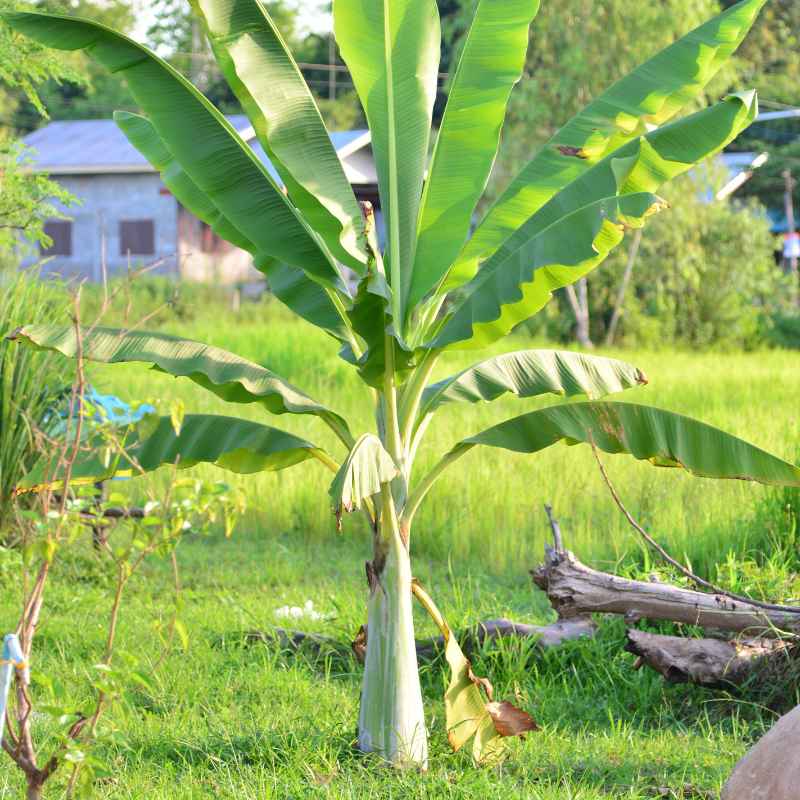
Banana Plant Rhizomes: What They Are And How They Work
It can feel really confusing when you see strange lumps or roots growing on your banana plants. You might wonder if something is wrong. It’s common to worry about plant health.
When safety around edible beds matters, Is Scotts Black Mulch Safe For Vegetable Gardens? Reviewed adds another practical check before using materials or treatments near vegetables.
But most of the time, what you’re seeing is totally normal and even a good sign. These are likely banana plant rhizomes. They are a key part of how banana plants grow and spread.
Let’s clear up the mystery around these underground wonders. Understanding them can help you care for your banana plants better. You’ll learn what they look like, what they do, and how they help your plants thrive.
Banana plant rhizomes are the swollen, underground stems of the banana plant. They serve as storage organs for food and water. They also produce new shoots, allowing the plant to propagate and spread.
These structures are vital for the banana plant’s survival and reproduction.
What Are Banana Plant Rhizomes?
Imagine the base of your banana plant, where it meets the soil. Below the surface, there’s more going on than just roots. Banana plants have a unique underground stem called a rhizome.
Think of it like a thickened, horizontal root, but it’s actually a stem. This is where the plant stores energy. It’s also where all the new growth begins.
These rhizomes are often lumpy and a bit irregular in shape. They can range in size from small bumps to quite large, solid masses. They are usually a pale color, sometimes with hints of pink or brown.
From these rhizomes, two very important things grow. First, the roots emerge to anchor the plant and draw up water and nutrients. Second, new shoots, called suckers, push up through the soil.
These suckers are essentially baby banana plants. They grow from buds on the rhizome. This is how banana plants spread and create more plants.
It’s a natural process. The older, main plant (called the corm or pseudostem) gets energy from the rhizome. The rhizome itself is a living part of the plant.
It’s not just dead tissue.
It’s important to know that the thick, “trunk-like” part of a banana plant above ground isn’t a true stem. It’s made of rolled-up leaf sheaths. The real stem is mostly underground, forming that crucial rhizome.
This structure is common in many plants like ginger and irises. They use rhizomes to survive through different seasons.

How Do Banana Plant Rhizomes Work?
The rhizome is the power center for a banana plant. It works in a few key ways. It’s a storage hub.
It holds reserves of food, mainly starches, that the plant makes through its leaves. This stored energy is super important. It helps the plant grow new leaves and fruit.
It also helps it recover if it gets damaged.
When conditions are right, the rhizome kicks into action. It sends out new buds. These buds can develop into several things.
Some become more roots, going deeper into the soil. Others become the shoots we see above ground. These shoots are called suckers.
They can eventually grow into new, independent banana plants.
This propagation method is very effective for bananas. It means a single plant can quickly turn into a small patch of plants. Each new sucker gets its energy from the parent rhizome initially.
As it grows, it develops its own roots. It also starts to form its own rhizome system. This creates a connected network underground.
The rhizome also plays a role in the plant’s life cycle. After a banana plant produces fruit, the main pseudostem usually dies back. However, the rhizome survives.
It then uses its stored energy to send up new suckers. These new shoots will eventually mature and bear fruit themselves. This ensures the plant’s lineage continues.
The size and health of the rhizome directly impact the plant’s ability to produce. A strong, well-developed rhizome means more energy. This can lead to larger leaves, a stronger pseudostem, and ultimately, more and bigger bunches of bananas.
Rhizome Quick Facts
What it is: A modified underground stem.
What it does: Stores food and water.
What it produces: Roots and new shoots (suckers).
Why it’s important: Enables plant growth and propagation.
My Own Banana Rhizome Surprise
I remember the first time I really noticed banana rhizomes. I had planted a dwarf Cavendish banana in my backyard in Florida. It was doing pretty well.
Then, one spring, I saw these strange, rounded lumps pushing up through the mulch near the base of the plant. They weren’t exactly like rocks, and they didn’t look like weeds.
At first, I got a little worried. Were they some kind of pest? Was the soil diseased?
I gently dug around one of them. I could feel it was firm and attached to the main plant’s root system. It felt dense, not soft or rotten.
It had a pale, almost white color. I saw tiny little buds forming on its surface.
A quick search online showed me pictures of banana rhizomes. It was exactly what I was seeing! I felt a huge wave of relief wash over me.
It was actually a sign that my banana plant was healthy and happy. It was actively growing and getting ready to produce new shoots. I had been feeding it well and giving it enough sun.
That experience taught me a lot. It showed me that sometimes the things that look a bit unusual on a plant are actually its normal, amazing features. I learned to look closer and understand what was happening beneath the surface.
Now, when I see those lumps, I just smile. They are a sign of good things to come for my banana plant.
Rhizome Growth and Development
The journey of a banana rhizome starts small. When a banana plant is young, its rhizome is tiny. It’s just beginning to form from the seedling’s base.
As the plant matures, the rhizome grows. It expands horizontally under the soil. This is where it builds up its reserves.
The rhizome has nodes and internodes, just like a stem above ground. These are key points for growth. From the nodes, roots emerge downwards.
Also from the nodes, buds form. These buds are the beginnings of new life for the banana plant.
Some buds stay dormant. They remain as potential growth points for the future. Others start to develop actively.
They push upwards towards the light. These become the suckers. A healthy rhizome can produce many suckers over time.
This is how a single banana plant can become a grove.
The speed at which a rhizome grows depends on several factors. These include the variety of banana, soil quality, temperature, and moisture. In tropical climates with good care, rhizomes can expand quite a bit each year.
They become larger and more complex structures.
It’s interesting to note that the rhizome is perennial. This means it lives for many years. While the above-ground pseudostem might die after fruiting, the rhizome continues to live.
It will then send up new shoots. This is the plant’s way of ensuring its survival and reproduction.
Sucker Development Stages
Stage 1: Budding Tiny buds form on the rhizome surface.
Stage 2: Sprouting Buds push upwards, becoming small shoots.
Stage 3: Young Sucker A small pseudostem emerges from the soil.
Stage 4: Maturing Sucker The sucker develops its own roots and leaves.
Stage 5: Independent Plant The sucker can be separated and grows on its own.
Rhizomes and Banana Propagation
One of the most common ways to grow new banana plants is by using their rhizomes. Gardeners and farmers often separate the suckers that grow from the parent rhizome. This is a form of asexual reproduction.
It means the new plant will be genetically identical to the parent.
To propagate, you typically wait until a sucker is a good size. It should have its own set of roots and be at least a foot or two tall. You carefully dig around the sucker.
You want to cut it away from the main rhizome. It’s best to use a clean, sharp tool like a shovel or a large knife.
When you separate a sucker, you are essentially taking a piece of the rhizome along with it. This piece contains the buds and stored energy. It needs this to get started.
After separating, you can plant the sucker in a new spot. With proper care, it will grow into a new, full-sized banana plant.
Sometimes, people also divide the main rhizome itself. This is a more involved process. You might dig up the entire plant.
Then, you can cut the rhizome into sections. Each section must have at least one healthy bud or shoot. These pieces are then planted.
It’s important to let the cut surfaces dry out a bit. This helps prevent rot.
This method of using rhizomes or suckers is very efficient. It allows for rapid multiplication of desirable banana varieties. It’s also why bananas are grown commercially on such a large scale.
They can quickly establish new plantations.
It’s a bit like having a natural cloning machine. The rhizome ensures that the plant can keep making more of itself. This makes bananas a very resilient and abundant crop in the right climates.
What Does a Healthy Rhizome Look Like?
When you’re checking on your banana plants, taking a peek at the rhizome can tell you a lot. A healthy rhizome is usually firm to the touch. It should feel solid, not mushy or soft.
The color is typically creamy white to light tan. It might have some pinkish or brownish streaks, which is normal.
You’ll likely see active buds on the surface. These might look like small bumps or little points. They are the starting points for new growth.
If the rhizome looks clean and is producing these buds, it’s a good sign. The plant is actively growing and has energy reserves.
Roots should also be emerging from the rhizome. These should look healthy, usually white or light tan. They should not be dark, slimy, or brittle, which can indicate problems.
What you want to avoid is a rhizome that is dark brown or black. If it’s soft, mushy, or smells bad, that’s a strong indicator of rot or disease. This can happen if the rhizome stays too wet for too long.
It can also be caused by certain fungal infections.
Sometimes, you might see small tunnels or holes in the rhizome. These could be from insects or grubs. While not ideal, minor damage might not kill the plant.
But extensive tunneling can weaken it.
Overall, a healthy rhizome is a sign of a healthy plant. It’s the engine that drives growth. If the rhizome looks good, your plant likely has a strong foundation.
Rhizome Health Check
- Texture: Firm and solid.
- Color: White to light tan, maybe with pink/brown streaks.
- Buds: Visible, small bumps or points for new growth.
- Roots: White or tan, not slimy or brittle.
- Avoid: Mushy texture, dark/black color, bad smell.
Rhizome Pests and Diseases
While rhizomes are tough, they aren’t immune to problems. Pests and diseases can affect them. This can weaken the plant or even kill it.
Knowing what to look for is key to preventing serious issues.
One common problem is root-knot nematodes. These are tiny worms that live in the soil. They can attack the roots and the rhizome.
They cause small swellings or galls to form. This interferes with water and nutrient uptake. Infected plants may show stunted growth and yellowing leaves.
Fungal diseases are also a concern. For instance, Panama disease (Fusarium wilt) is a devastating disease that affects the vascular system of the banana plant, including the rhizome. It blocks the flow of water.
Another issue is Pythium, a water mold that can cause rot in the rhizome and roots, especially in wet conditions.
Insects can also be a problem. Grubs, which are the larvae of beetles, can feed on the rhizome. Banana weevils are another pest.
Their larvae tunnel into the pseudostem and rhizome. This weakens the plant and can lead to its collapse.
The best defense is good cultural practice. This means planting in well-draining soil. Avoid overwatering.
Proper spacing between plants helps with air circulation. Inspecting new plants for signs of disease or pests before planting is also crucial. If you notice signs of trouble, it’s important to act quickly.
Sometimes removing and destroying infected plants is necessary to stop spread.
Using healthy, disease-free planting material is the first line of defense. Always try to source your banana plants or rhizome pieces from reputable suppliers.
Rhizome Size and Fruiting
There’s a direct link between the size of a banana plant’s rhizome and its ability to produce fruit. A large, well-developed rhizome means the plant has a substantial energy reserve. This energy is what fuels the entire process of producing a flower stalk and then developing a bunch of bananas.
Think of it like this: the rhizome is the pantry. A bigger pantry can store more food. When the plant decides it’s time to reproduce by making fruit, it needs a lot of energy.
It draws this energy from the stored food in the rhizome.
A small, weak rhizome might not have enough stored energy. This could result in the plant failing to flower. Or, it might produce a very small bunch of bananas.
Sometimes, the fruit might not develop properly.
In commercial banana growing, this is why managing the plant’s nutrition and health is so important. Healthy soil, proper watering, and sunlight all contribute to a strong rhizome. This, in turn, leads to better fruit production.
Farmers often manage the number of suckers left around the main plant. This is to ensure the parent plant has enough resources to produce a good bunch.
If you’re growing bananas for fruit, focus on building that underground strength. The bigger and healthier your rhizome is, the better your chances of a good harvest.
Rhizome to Fruit Connection
Healthy Rhizome = Strong Energy Stores
Energy Fuels:
- New Leaf Growth
- Flower Bud Development
- Fruit Formation
- Fruit Maturation
Consequence: Larger rhizome typically means more, larger, and better-quality bananas.
Rhizomes in Different Banana Varieties
While the basic function of a rhizome is the same across all banana varieties, there can be some differences. These differences might relate to size, shape, or how aggressively they produce suckers.
For example, large commercial varieties like Cavendish bananas are bred for high yield. They tend to have robust rhizomes that can support massive pseudostems and heavy bunches of fruit. They also produce suckers that are often used for propagation.
Smaller, ornamental bananas might have less impressive rhizomes. They may not produce as many suckers, or their rhizomes might not grow as large. Their main purpose might be ornamental, not fruit production, so the energy allocation is different.
Dwarf varieties, like the Dwarf Cavendish, still have significant rhizomes. However, the overall size of the plant, including the rhizome, is scaled down. This allows them to be grown in smaller spaces.
Some wild banana species might have rhizomes that are more adapted to specific environments. They might be more drought-tolerant or better at surviving challenging soil conditions.
When you’re choosing a banana plant, understanding its variety can give you clues about its rhizome and its growth habits. This can help you provide the right care.
When to Leave Rhizomes Alone
Often, the best thing you can do for your banana plant’s rhizome is simply leave it be. If your plant looks healthy, is growing well, and has a strong pseudostem, its rhizome is probably doing its job perfectly. You don’t need to dig it up or disturb it.
Disturbing the rhizome unnecessarily can cause stress to the plant. It can damage emerging roots or buds. It can also expose the rhizome to potential infections if the soil isn’t clean.
You only need to dig around or divide the rhizome if you want to propagate the plant. Or, if you suspect a serious problem like rot or extensive pest infestation. Otherwise, let the underground network do its work.
The plant knows how to manage its own resources. By providing good soil, water, and sunlight, you are helping the rhizome thrive indirectly. It will then use its stored energy to produce healthy leaves, flowers, and fruit.
Trust the process. The signs of a healthy rhizome are usually visible above ground: strong, green leaves and a sturdy pseudostem.
What This Means for Your Banana Plant Care
Understanding banana plant rhizomes changes how you might approach caring for them. It shifts your focus a bit. Instead of just thinking about the leaves and the “trunk,” you realize the importance of the underground health.
Soil Matters: Since the rhizome lives in the soil, good soil drainage is crucial. If the soil stays waterlogged, the rhizome can rot. Use potting mixes that drain well if you’re growing in pots.
If planting in the ground, amend heavy clay soils with compost or sand.
Feeding the Rhizome: Fertilizing helps the plant create more energy through photosynthesis. This energy is stored in the rhizome. So, regular feeding during the growing season directly supports rhizome development.
Use a balanced fertilizer. A little extra potassium can be beneficial for fruiting plants.
Water Wisely: Banana plants are thirsty. But overwatering is a rhizome killer. Let the top inch or two of soil dry out between waterings.
This is especially important in cooler weather or for potted plants.
Protect from Frost: In areas with cold winters, the rhizome is the part of the plant that survives. Even if the top dies back, a healthy rhizome can resprout when warm weather returns. Protect the base of the plant from hard freezes with mulch.
Observe Suckers: Decide if you want more plants or if you want the main plant to focus its energy on fruiting. If you want more plants, you can let suckers grow and separate them. If you want bigger fruit, you might remove most suckers, leaving just one or two very strong ones to replace the mother plant after it fruits.
Knowing about the rhizome helps you make better decisions. It turns guesswork into informed action. Your banana plants will thank you for it with better growth and bigger harvests.
When to Be Concerned About Your Rhizome
While rhizomes are robust, there are times when you should be concerned. If you see any of these signs, it’s worth investigating further:
Mushy or Soft Spots: If you gently probe the area around the base and feel soft, mushy tissue, this is a serious concern. It often means rot has set in. This can be due to overwatering or a fungal infection.
Foul Odor: A bad, rotten smell coming from the soil around the base of the plant is another red flag. Healthy soil smells earthy. Rotting rhizome smells awful.
Dark, Slimy Roots: When you do expose the roots, if they are black, slimy, and fall off easily, this indicates root rot. This is often linked to problems with the rhizome.
Severe Stunting: If a plant that was growing well suddenly stops growing. Or, if new leaves are very small and distorted. This could mean the rhizome is not functioning properly.
It might be diseased or damaged.
Extensive Tunneling: If you dig up a damaged plant and find the rhizome riddled with tunnels. This points to insect damage that has severely compromised the rhizome’s integrity.
If you observe these issues, it’s important to act. You may need to carefully excavate the plant. Inspect the rhizome closely.
Decide if it’s salvageable. Sometimes, if the rot is extensive, the best course of action is to remove and destroy the plant. This prevents the problem from spreading to other plants.
However, if only a small section is affected, you might be able to cut away the rot. Ensure you remove all of the diseased tissue. Treat the area with a fungicide.
Then, replant the healthy part in fresh, well-draining soil. Always use clean tools.
Frequently Asked Questions About Banana Plant Rhizomes
What is the main job of a banana rhizome?
The main jobs of a banana rhizome are to store food (starches) and water for the plant. It also produces new shoots, called suckers, which grow into new banana plants. It is the true underground stem of the banana plant.
Can you eat banana rhizomes?
Banana rhizomes are generally not eaten. While some related plants have edible rhizomes (like ginger), banana rhizomes are typically fibrous and not palatable. Their primary role is for plant growth and reproduction.
How do I know if my banana rhizome is rotting?
Signs of a rotting rhizome include a mushy or soft texture when touched, a foul, rotten smell from the soil around the plant’s base, and dark, slimy roots. The plant may also show severe stunting or yellowing leaves.
How large can a banana rhizome get?
The size of a banana rhizome can vary greatly depending on the variety of banana, age of the plant, and growing conditions. They can range from a few inches across to over a foot in diameter for very mature, large plants. They spread horizontally under the soil.
Is a banana sucker the same as a rhizome?
No, a banana sucker is a new shoot that grows from the rhizome. The rhizome is the underground stem itself. The sucker is a new plant that emerges from buds on the rhizome.
Suckers will eventually develop their own roots and their own smaller rhizome system.
What does it mean when I see lumps around my banana plant’s base?
Seeing rounded lumps or bumps around the base of your banana plant is usually a sign of a healthy, growing rhizome. These are often new buds or developing suckers pushing up through the soil. It’s a sign that your plant is actively growing and has energy reserves.
How can I encourage my banana rhizome to produce more suckers?
To encourage more suckers, ensure the plant is healthy and well-fed. Provide ample sunlight and consistent moisture. A healthy, established plant with a strong rhizome will naturally produce more suckers.
Avoid over-trimming or damaging the main rhizome itself.
Final Thoughts on Banana Rhizomes
Understanding banana plant rhizomes demystifies a crucial part of these amazing plants. They are the hidden engines that power growth and create new life. By recognizing what they are and how they work, you can better care for your banana plants.
Pay attention to the soil, water wisely, and feed them well. This will help build strong rhizomes. Strong rhizomes mean healthier plants and the promise of delicious bananas or beautiful foliage.
So next time you see those intriguing lumps, you’ll know it’s a sign of nature’s remarkable power at work.