How Close Can You Plant Trees To Underground Utilities?
Planting trees too close to underground utilities is a common mistake. It can lead to expensive repairs, service disruptions, and even safety hazards. Knowing the safe distances ensures your trees and buried lines can coexist without conflict, protecting both your landscape and your home’s essential services.
For another seed or bulb question, How To Plant Black Walnut Trees From Seeds With Husks helps compare the next planting choice.
For a related plant or gardening question, Can You Plant Different Fruit Trees Next to Each Other? Answered gives readers a focused next step.
Understanding the Risks of Planting Trees Near Utilities
Underground utilities are like the veins of your home. They bring water, gas, and power. They also take away waste.
These lines run all around your property. They are often buried just a few feet down. This is important to remember.
Trees have roots. These roots grow. They need space to spread out.
Tree roots can be very strong. They search for water and nutrients. Sometimes, they find underground pipes.
This is where the trouble starts. Roots can wrap around pipes. They can squeeze them.
Over time, roots can even break pipes.
This can cause leaks. Leaks can damage your pipes. They can also cause leaks in your yard.
This wastes water. It can also make your soil wet. Wet soil can shift.
This can put more pressure on pipes. It can also damage the tree’s support.
Gas lines are especially dangerous. If roots break a gas line, gas can escape. This can cause a fire or an explosion.
This is a very serious risk. Electric lines can also be damaged. This can cause power outages.
It can also be a shock hazard.
Water and sewer lines can also be affected. Roots can clog them. This stops water from flowing.
It can cause backups in your home. This is messy and costly to fix.
The distance you plant a tree matters. It’s not just about the trunk. It’s about the entire root system.
Some trees have shallow roots. Others have deep roots. The mature size of the tree is also key.
A small sapling might seem fine now. But it will grow much larger.

How Far Do Tree Roots Really Grow?
This is a big question for many people. Tree roots can spread much wider than the branches. This is often a surprise.
The main part of the root system can spread out about 2 to 3 times the width of the tree’s canopy. Think about a tree with a wide spread. Its roots could go very far.
Some roots grow deep. They go down to find water. Other roots spread out just below the surface.
These surface roots are often the biggest problem. They are more likely to bump into shallow utility lines. Many lines are not buried very deep.
For example, a common water line might be 3 to 5 feet down. A sewer line might be 4 to 6 feet down. Power lines can vary.
Some are deep. Others are shallow. Gas lines are often at similar depths to water lines, around 3 to 5 feet.
The type of soil matters too. Sandy soil lets roots grow more easily. Clay soil can be harder for roots.
It can also hold more water. This might attract roots. But it can also make digging harder for the roots.
The age of the tree is also a factor. Young trees have smaller root systems. Older, established trees have much larger and deeper roots.
So, a tree that is fine now could become a problem later.
It’s important to think about the mature size of the tree. A large oak tree can have a root system that spreads 50 to 100 feet. That’s a huge area.
Even a smaller tree like a maple can have roots spreading 20 to 30 feet.
What’s interesting is that roots often grow towards water. If there’s a leaky pipe, roots might grow directly towards it. They see it as a water source.
This makes the risk even higher.
So, when you think about planting, don’t just look up at the branches. Look down at the ground. And imagine how big that tree will be in 10, 20, or 30 years.
The roots will be there too.
Root Spread vs. Canopy Size
Common Rule of Thumb: A tree’s root system can spread 2 to 3 times the width of its leafy top (canopy).
Example: If a tree’s branches spread 15 feet wide, its roots might reach 30 to 45 feet out from the trunk.
Why it Matters: This means roots often extend far beyond the visible tree, potentially reaching buried utility lines you didn’t even know were there.
What Are the Safe Distances for Planting Trees?
This is the million-dollar question. There isn’t one single number that fits all trees and all utilities. It depends on a few things.
The size of the tree is a big one. The type of utility line is another. And the specific tree species plays a role.
Here’s a general guide to help you think about it. This is based on common recommendations from arborists and utility companies.
For large shade trees (like Oaks, Maples, Sycamores):
- Near water or sewer lines: Aim for at least 10 to 20 feet away. For very large trees, sometimes 25 feet is recommended.
- Near gas lines: This is crucial. Gas lines often need more space. At least 10 to 15 feet is a good start. Some recommend more for larger trees.
- Near underground power lines: Again, 10 to 15 feet is a common suggestion.
- Near telecommunication lines (cable TV, internet, phone): These are often in conduits. They might be slightly less sensitive. But still, 5 to 10 feet is wise.
For medium-sized trees (like some fruit trees, ornamental trees):
- Near water or sewer lines: 8 to 15 feet.
- Near gas lines: 8 to 12 feet.
- Near underground power lines: 8 to 12 feet.
- Near telecommunication lines: 5 to 8 feet.
For small trees or shrubs (like ornamental pears, serviceberries, large shrubs):
- Near water or sewer lines: 5 to 10 feet.
- Near gas lines: 5 to 10 feet.
- Near underground power lines: 5 to 10 feet.
- Near telecommunication lines: 3 to 5 feet.
Important Note: These are general guidelines. Always check with your local utility companies and city planning department. They often have specific rules and recommendations for your area.
Why are gas lines sometimes listed with wider spacing? Because a leak in a gas line is very dangerous. It can cause explosions.
Utility companies are often very strict about this. They want to prevent damage that could be deadly.
Telecommunication lines, like fiber optic cables, are often buried in protective conduits. This makes them a bit more resistant to root intrusion. But it’s still best to give them some space.
Damage to these lines can mean no internet or phone service. That’s a big modern inconvenience.
What about surface utilities? Some pipes or cables are not buried deep at all. They might be just a foot or two down.
For these, you need to be much more careful. The distance will be much larger. It’s like planting in a whole different zone.
Always remember the mature size of the tree. A tree that is small now will grow. Its roots will spread.
So, plant it where it will be safe for its entire life. This is a long-term investment in your yard.
How to Find Out Where Utilities Are Located
This is perhaps the most critical step. You cannot guess. You need to know for sure.
The best way to do this is to call a utility locating service. In the U.S., this is usually done by dialing 811.
Call 811 Before You Dig
This is a free service. It’s also the law in most places. When you call 811, you tell them where you plan to dig or plant.
They will then schedule a professional to come to your property.
These professionals use special equipment. They can detect underground lines. They will mark the approximate location of gas, electric, water, sewer, and telecommunication lines.
They usually use flags and spray paint.
It’s important to understand that 811 marks the approximate location. They are not always perfectly precise. For example, a gas line might be marked with a red line.
But the actual line could be a foot or two to the left or right. This is why you still need to maintain a safe distance.
Do not rely solely on the marks. Use them as a guide. And always err on the side of caution.
Give yourself plenty of room.
What if you have old, forgotten lines? Sometimes, properties have lines that are no longer in use. They might be abandoned.
These can still cause problems. Roots can still grow around them. They can also be confusing.
Utility companies usually mark active lines. They might not mark abandoned ones.
Another way to get information is to check your property survey. Your property survey might show the location of utility easements. Easements are areas of land where utilities have the right to run their lines.
Planting trees in easements is often restricted.
You can also contact your local water, gas, and electric companies directly. They might have old maps of your property. However, these maps might not be up-to-date.
Calling 811 is usually the most reliable first step.
I remember when we bought our first house. The previous owner had planted a huge maple tree right near the driveway. We didn’t think much of it.
A few years later, we had a problem with our main sewer line. It turned out the roots from that maple had grown into the line. The plumber told us the tree was way too close.
We had to pay thousands to fix it and even had to consider removing the tree. That was a hard lesson. Now, I always call 811 and measure carefully.
Key Steps for Locating Utilities
- Dial 811: Contact your local one-call center at least 2-3 business days before you plan to plant or dig.
- Get Marked: A professional will come to your property and mark the approximate location of underground utility lines.
- Respect the Marks: Keep your planting area a safe distance away from the marked lines.
- Dig Safely: If you must dig near marked lines, do so with extreme caution. Use hand tools and inform the utility owner if you suspect you’ve hit a line.
Choosing the Right Trees for Your Yard
Not all trees are created equal when it comes to roots and utilities. Some trees are known for aggressive, widespread root systems. Others are more contained.
Choosing wisely can save you a lot of trouble down the road.
Trees to Be Cautious Of Near Utilities:
- Weeping Willow: These trees love water. Their roots can aggressively seek out moisture, making them a risk for leaky pipes.
- Poplar, Aspen, Cottonwood: These grow very fast. Their roots can spread quickly and widely.
- Silver Maple: Known for surface roots that can buckle sidewalks and damage shallow pipes.
- Some types of Oak: While beautiful, large oaks have massive root systems that can span a great distance.
- Birch: Many birch varieties have fibrous, spreading root systems that can be invasive.
Better Tree Choices for Areas Near Utilities (when planted at a safe distance):
- Japanese Maple: Generally has a more compact root system.
- Serviceberry: A smaller ornamental tree with a less aggressive root spread.
- Dogwood: Most dogwood varieties have moderate root systems.
- Hawthorn: Typically has a more confined root structure.
- Certain Dwarf Fruit Trees: If you want fruit trees, choose smaller, grafted varieties that stay compact.
It’s always a good idea to consult with a local arborist or a reputable nursery. They can recommend trees that are well-suited to your climate and soil. They can also tell you about the typical root behavior of different species.
When you are at the nursery, look at the tags. They often give information about the mature size of the tree. This includes its height and spread.
While they rarely mention root systems directly, a larger mature spread often implies a larger root system.
Think about your overall landscape design. Where do you want shade? Where do you want ornamental value?
Sometimes, a smaller tree placed at a greater distance is a better choice than a large tree squeezed into a tight spot.
Consider planting smaller trees or shrubs directly over utility easements if allowed. These are less likely to cause problems due to their size and root structure. Always check local regulations regarding planting in easements.
Tree Selection Quick Guide
Avoid Near Lines: Willows, Poplars, Silver Maples, fast-growing trees.
Consider for Safer Planting (at distance): Japanese Maple, Serviceberry, Dogwood, Hawthorn.
Always: Consult local experts, check mature size, and verify utility locations.
When Is It Safe to Plant Closer?
There are situations where planting closer might seem tempting. But is it ever truly safe? Let’s break it down.
1. Very Small or Shallow Lines: If you know for certain that a specific utility line is buried very deep (say, 8 feet or more) and it’s a smaller line like a telecom cable, you might have a bit more flexibility. However, you still need to account for the root spread of the mature tree.
2. Non-Invasive Root Systems: Some trees naturally have more fibrous and less aggressive root systems. If you’ve chosen one of these and are planting it at a safe distance from the known depth of the utility, you might be okay.
3. Over Utilities That Are Protected: Some utilities are buried in very strong conduits or are designed to be resistant to root intrusion. However, assuming this without confirmation from the utility company is risky.
The Big Caveat: Even in these scenarios, it’s crucial to know exactly where the utility line is. You absolutely must call 811. And you must consider the mature size of the tree.
A tree can start small but grow into a problem.
I’ve seen people plant small ornamental trees that look lovely. But 15 years later, those trees have grown larger than expected. Their roots then start to interfere with a water line that was only 4 feet deep.
It’s a slow problem that sneaks up on you.
What if you have a very small yard? This is a common challenge. In small yards, you might have utilities running closer than ideal.
In such cases, your best bet is often to:
- Choose very small trees or large shrubs.
- Plant trees in containers that can be moved.
- Opt for ground cover or flower beds instead of trees.
- Consult with an arborist for specialized advice on managing root systems or choosing appropriate species for tight spaces.
It’s also worth noting that some utility companies have specific requirements for planting around their infrastructure. For example, they might require no planting within a certain radius of a main valve or access point.
The safest approach is almost always to maintain the recommended distances. This is especially true for gas and water lines. The potential cost and danger of damaging these utilities far outweigh the aesthetic benefit of planting a tree closer than recommended.
Planting Closer? Ask These Questions First:
- What is the exact depth of the utility line?
- What type of utility line is it (gas, water, electric, telecom)?
- What is the mature size and root system type of the tree I want to plant?
- Are there any local regulations or utility company rules about planting near this line?
- Have I called 811 and received professional markings?
What Happens If Roots Damage a Utility Line?
This is the consequence nobody wants to face. If tree roots damage an underground utility line, the situation can range from a minor inconvenience to a major emergency. Here’s what typically happens:
1. You Notice a Problem:
- Water/Sewer: Slow drains, gurgling sounds, water pooling in your yard, low water pressure, or sewage backups into your home.
- Gas: A rotten egg smell, hissing sounds near the ground, or dead vegetation in a specific area. If you smell gas, leave the area immediately and call 911.
- Electric: Power outages, flickering lights, or strange smells from underground junction boxes.
- Telecom: Loss of internet, phone, or cable TV service.
2. You Call for Help:
- For gas leaks, electric issues, or major water/sewer problems: Call your utility company immediately. They have emergency crews.
- For telecom issues: Call your internet or cable provider.
- For less urgent water/sewer concerns: You might need to call a plumber or a drain cleaning service. They can often diagnose if tree roots are the cause.
3. The Repair Process:
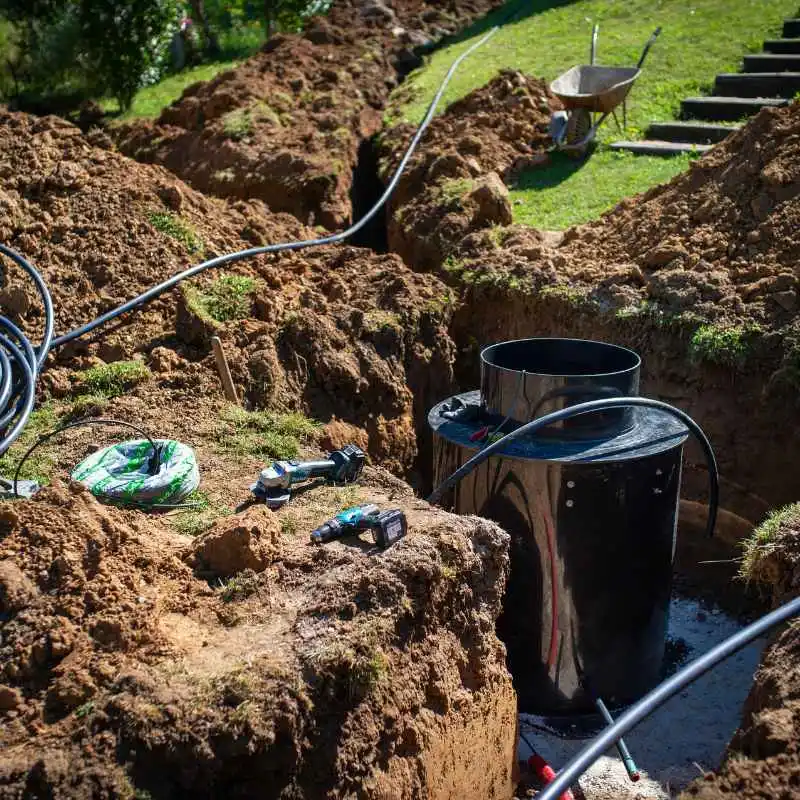
A professional will likely need to excavate the area. They will locate the damaged line. They will then repair or replace the damaged section.
This often involves digging up part of your yard.
4. Who Pays? The Big Question.
This is where it gets tricky. In most cases, you are responsible for the cost of repairing utility lines on your private property. This includes damage caused by your trees.
Utility companies are usually responsible for lines up to the meter or the point where the line enters your property. Anything beyond that is typically your responsibility.
So, if a tree you planted causes damage to your water line, you’ll likely pay for the repair of that water line. You might also have to pay for damage inside your home if sewage backs up.
If the damage is to a gas line and causes an explosion or fire, the costs could be astronomical. This is why respecting safe planting distances for gas lines is so critical.
In some rare cases, if a utility company failed to properly mark lines or if there was negligence on their part, there might be shared responsibility. But typically, the homeowner bears the burden of damage caused by their landscaping choices.
That’s why prevention is so important. Understanding the risks and taking the right steps upfront saves a lot of headaches and money later on. It’s an investment in peace of mind.
Emergency Actions for Utility Damage
Smell Gas? Leave the area, do not use electronics, call 911 and your gas company from a safe distance.
Power Outage? Check if neighbors have power. If not, call your electric company.
Water/Sewer Backup? Turn off water if possible. Call a plumber and your utility company.
Call 811 First: Always before any digging, even for small projects.
Preventing Future Problems: Long-Term Tree Care
Planting a tree is a long-term commitment. Caring for it properly helps ensure it stays healthy. It also helps minimize potential conflicts with underground utilities.
Regular Tree Inspections:
Periodically check your trees. Look for signs of stress, disease, or unusual growth. A healthy tree is less likely to have weak roots that cause problems.
If a tree is dying or diseased, its roots might become brittle or more aggressive in seeking nutrients.
Proper Watering and Fertilizing:
Follow best practices for watering your trees. Overwatering can lead to shallow root growth. Underwatering can stress the tree, causing it to seek water aggressively.
Fertilizing appropriately helps keep the tree healthy.
Pruning:
Proper pruning can help manage a tree’s size and shape. While pruning the canopy doesn’t directly affect roots, it can influence overall tree health and vigor. Sometimes, aggressive root pruning can be done, but this is a specialized technique and should be done by an arborist, as it can damage the tree.
Monitoring Root Growth:
Keep an eye on surface roots. If you see roots starting to heave the ground near utility access points, it’s a sign that you need to monitor the situation closely. In some cases, roots might need to be managed, but this is best done by a professional.
Educate Your Family:
Make sure everyone in your household knows about the importance of underground utilities. Teach children not to dig in the yard without adult supervision and to report any unusual smells or sounds.
Consider Underground Barriers (with caution):
In some situations, specialized root barriers can be installed. These are physical barriers placed in the soil to redirect root growth. However, these are not foolproof.
They can be expensive to install. And they require careful planning to ensure they don’t create other drainage issues. They are best considered for high-risk areas and used with professional advice.
What I’ve learned over the years is that proactive measures are always better than reactive fixes. Taking a few extra steps when planting a tree can prevent major headaches down the line. It’s about respecting the underground infrastructure that serves our homes.
The goal is a beautiful, healthy tree and a safe, functional home. With a little planning and knowledge, you can achieve both. Don’t let the fear of utilities stop you from planting.
Just plant smart.
Long-Term Tree Health & Utility Safety Checklist
Annual Check: Inspect trees for health and visible root issues.
Water Wisely: Avoid over or under-watering.
Know Your Neighbors: Be aware of where utilities are marked.
Consult Experts: Talk to arborists about tree health and root management.
Educate All: Ensure family members understand utility safety.

Frequent Questions About Trees and Utilities
Can tree roots damage plastic water pipes?
Yes, tree roots can damage plastic water pipes. While plastic pipes are more flexible than metal ones, aggressive roots can still exert pressure. Roots can also find small cracks or joints in plastic pipes and grow into them, eventually causing blockages or leaks. It is always best to plant trees at a safe distance from all types of water pipes.
How close can I plant a tree to my septic tank?
Septic systems, including tanks and drain fields, are also susceptible to tree root damage. It is generally recommended to plant trees at least 10 to 20 feet away from septic tanks and drain fields. Some experts suggest even more distance, especially for larger trees, as roots can clog the drain field pipes and cause system failure. Always consult your local health department or septic professional for specific guidelines.
What is the difference between tree roots and utility lines?
Tree roots are the natural, living parts of a tree that grow underground to anchor the tree and absorb water and nutrients. Utility lines are man-made structures buried underground to provide essential services like water, gas, electricity, and telecommunications. Tree roots can grow into, wrap around, or break utility lines, causing damage.
Do all trees have aggressive roots?
No, not all trees have aggressive roots. Some trees, like Japanese Maples or Serviceberries, tend to have more contained and less invasive root systems. Other trees, such as Weeping Willows or Silver Maples, are known for their aggressive, widespread, and surface-level root growth, making them riskier near utilities. The species of the tree greatly influences its root behavior.
What if I already planted a tree too close to utilities?
If you suspect you’ve planted a tree too close to utilities, the best course of action is to monitor the situation closely. Look for any signs of utility problems like leaks or service interruptions. You might consider consulting a certified arborist to assess the tree’s root system and its potential impact. In severe cases, you may need to consider relocating the tree or having it removed, or contacting the utility company about potential risks.
Does planting in a utility easement mean I can’t plant trees?
Utility easements often have restrictions on what you can plant. Generally, planting large trees in utility easements is discouraged or prohibited because their root systems could interfere with the utility lines or access points. Smaller, non-invasive shrubs or ground cover might be permissible, but it is essential to check the specific regulations for your property’s easements with your local planning department or the utility company itself.
Putting It All Together: A Beautiful Yard and Safe Utilities
Creating a beautiful and functional yard involves balancing aesthetics with practical needs. When it comes to planting trees, understanding their relationship with underground utilities is crucial. It’s not about avoiding trees altogether.
It’s about making informed choices.
Always remember to call 811 before you plant or dig. This simple step can prevent costly repairs and dangerous situations. Choose tree species wisely, considering their mature size and root habits.
Maintain safe distances based on utility types and tree species.
By taking these precautions, you ensure your trees can thrive. You also protect the essential services that run beneath your feet. A little planning now means a lot less worry later.
Enjoy your lovely new tree and your safe, well-functioning home!