How Landscaping Services Reduce Yard Maintenance
The fastest way to cut yard work is to replace high-maintenance turf, dense annual beds, and frequent edging with mulch, drip irrigation, slow-growing plants, and simple hardscape. Done badly, those changes can shift work into pruning, leaks, weeds, and seasonal cleanups instead of removing it. This guide shows which landscaping services actually reduce recurring chores and which ones mostly move the labor around.
Why landscaping can cut yard work
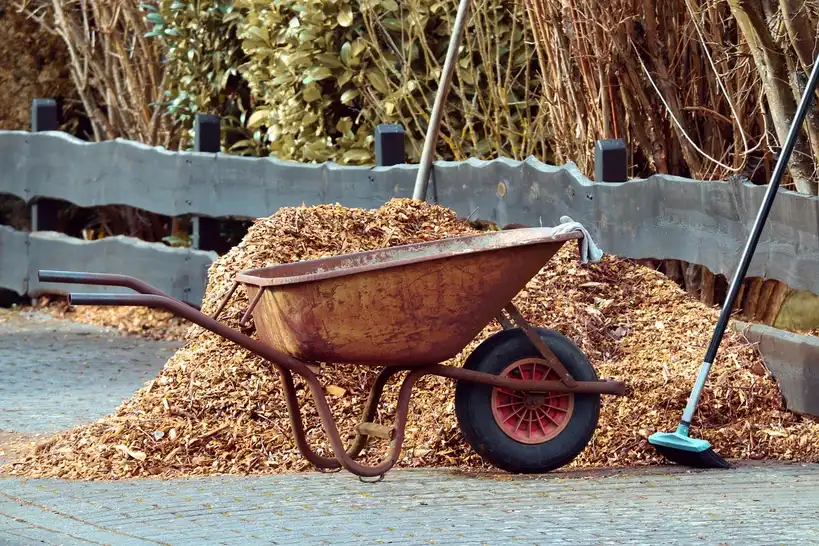
Landscaping lowers maintenance when it removes a repeated task instead of shifting it to another one. Good changes cut mowing, watering, weeding, trimming, leaf cleanup, and repair work. Poor changes often move the effort into pruning, irrigation tuning, or bed cleanup.
Design matters before installation. A well-planned yard puts plants where they fit the sun, soil, and slope, and it keeps access clear for routine care. The real test is simple: fewer repeat chores, not just a different set of chores.
What you’ll need for a low-maintenance plan
- Photos of the yard in full sun, part shade, and wet spots
- A list of the chores that take the most time now
- Soil and drainage notes, especially where water pools
- A rough budget for first-phase work and later add-ons
- A sketch of beds, turf, paths, and hardscape you want to keep
- A quote request that asks for maintenance reduction by task, not just by area
- List the repeat chores. Write down mowing, edging, watering, weeding, leaf pickup, trimming, and repairs that happen every week or every season. The goal is to replace the most frequent labor first, because that is where landscaping saves the most time.
- Mark problem areas. Flag soggy spots, bare slopes, shaded turf, and beds that need constant cleanup. These are the places where drainage, grading, mulch, or plant replacement can remove recurring work instead of adding more of it.
- Rank the cuts. Start with turf reduction, drainage fixes, and irrigation changes, then move to beds, shrubs, and hardscape. Those changes usually cut the biggest recurring chores before you spend money on details that mostly improve appearance.
- Ask for maintenance terms. Request a plan that names the chore removed, the upkeep still needed, and the seasonal schedule. That keeps a contractor from selling a design that looks easier but still needs frequent pruning, reseeding, or watering.
Which landscaping services reduce weekly chores most?
The strongest maintenance reducers are the services that remove a recurring task entirely or make it happen less often. Irrigation cuts manual watering. Mulch cuts weeding and bed cleanup. Hardscaping cuts mowing area. Drainage and grading cut repair work tied to water problems.
Some services still need care, but they shift the workload from weekly labor to occasional inspection or seasonal service. That is usually a good trade if the yard is busy, uneven, or hard to keep up with.
| Service | Chore it replaces | Upkeep it still requires | Best yard type | Priority score |
|---|---|---|---|---|
| Irrigation systems | Manual watering | Nozzle checks, seasonal adjustment, leak repair | Sunny yards, new plantings, mixed turf and beds | 5 |
| Drainage solutions | Repeat mud cleanup, erosion repair, soggy-spot patching | Outlet checks and occasional clearing | Low spots, clay soil, runoff trouble zones | 5 |
| Grading | Pool repair, washout repair, turf damage repairs | Usually little after installation, but drainage should stay open | Uneven yards, standing-water areas, sloped lots | 4 |
| Mulch | Frequent weeding and bed cleanup | Top-up and occasional edge repair | Foundation beds, tree rings, narrow planting strips | 4 |
| Planting beds | Extra turf mowing and full-lawn edging | Weeding, seasonal cutback, edging, mulch refresh | Large lawns that need lower-care zones | 4 |
| Hardscaping | Mowing, trimming around turf edges | Sweeping, joint care, weed control in gaps | Patios, side yards, gathering spaces | 4 |
| Shrubs and hedges | Expansive lawn area | Pruning intervals, pest checks, irrigation tuning | Yards that need structure and lower-water planting | 3 |
| Seasonal cleanup | Leaf buildup, debris accumulation, spring catch-up work | Repeat visits in fall and after storms | Tree-heavy yards and beds that trap debris | 3 |
Irrigation systems
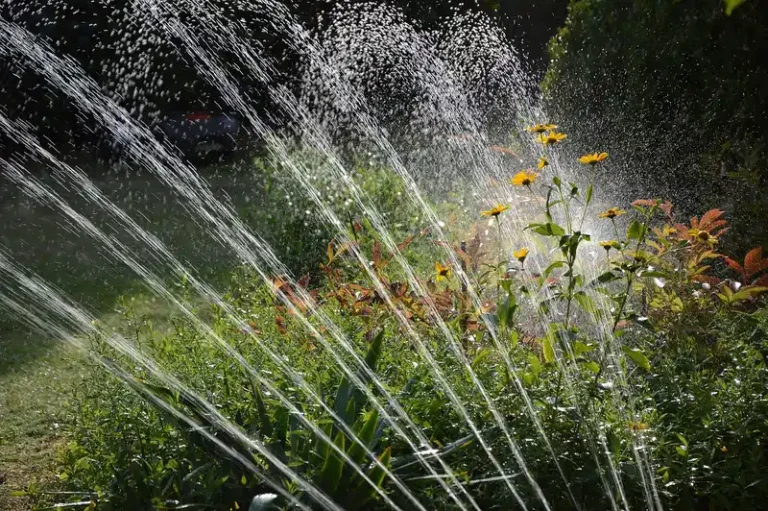
Irrigation reduces the chore of dragging hoses and guessing when to water. It works best when heads, drip lines, and timers are checked regularly, because neglected systems can waste water or leave dry spots that create more repair work later. In dry periods, a steady setup helps plants and lawns avoid stress that can lead to patchy recovery work.
Drainage solutions
Drainage moves water away from problem areas. That helps prevent erosion, soggy spots, and the repeated patching that follows standing water. If the yard already has washouts or mud paths, drainage often cuts more future labor than any decorative upgrade.
Grading
Grading reshapes yard slope so runoff moves away instead of pooling. That reduces turf damage, root stress, and the cycle of re-sodding the same spots. It is a one-time fix only if the drainage path stays open.
Mulch
Mulch suppresses weeds, holds soil moisture, and reduces bed cleanup frequency. It does not erase maintenance, though. You still need to top it up and pull weeds that seed on top of it.
Planting beds
Planting beds define manageable garden zones and can replace high-maintenance turf. Edging and mulch make them easier to keep tidy, but beds are a win only when the plant count stays controlled. Thin, simple beds are easier to maintain than crowded ones.
Shrubs and hedges
Shrubs and hedges can lower watering compared with broad lawn areas, but they still require pruning intervals. They work best when matched to site conditions so they do not outgrow the space and create more cutting later. If a hedge has to be shaped often to stay in bounds, it can shift work rather than reduce it.
Seasonal cleanup
Seasonal cleanup removes leaves and debris before they mat down and feed spring work. In tree-heavy yards, that service keeps beds and turf from getting buried in a layer that blocks air, light, and easy raking. It can also create seasonal spikes, especially under deciduous trees.
Hardscaping
Hardscaping replaces turf with pavers, patio areas, or other low-care surface space. It cuts mowing area and usually needs less routine care than lawn, though joints and edges still need attention. Weed growth in joints is one of the main tradeoffs to plan for.
Tree work
Tree work trims branches, clears deadwood, and removes debris. That can reduce shade-related lawn decline and lower limb hazards, which also reduces the patch-and-clean cycle around tree lines. It can also increase cleanup needs during leaf season if the canopy is heavy.
How to choose the right services first
Start with the work that repeats most often. For many homeowners, that means watering, mowing, edging, and cleanup before it means decorative planting. The best plan cuts the weekly chores first, then adds appearance upgrades only if they do not create more pruning or bed care.
Suppose your front yard has a narrow strip of turf by the driveway that needs edging every week and mowing in tight turns. Replacing that strip with a simple bed, mulch, and a few well-spaced shrubs cuts the edging burden, but only if the bed is not packed so full that it needs constant trimming.
If the back yard has a low corner that stays wet after rain, grading plus drainage comes first, not more plants. Without that fix, new beds or sod can fail and turn into repeat repair work.
- Remove the highest-frequency chore. If you water by hand several times a week, ask about irrigation first. If you mow around tight borders every weekend, ask about turf reduction and hardscape next. Priority score 5 services are often among the quickest ways to reduce labor the most.
- Fix water before planting. Add drainage or grading before you install beds in wet soil. That prevents plant loss, turf decline, and the cycle of rework that makes a low-maintenance yard become a high-maintenance one.
- Use mulch as a control layer. Add mulch after bed layout is final so you are not re-cutting edges later. A common first-timer mistake is installing shrubs first and then trying to squeeze mulch and edging around them, which creates more cleanup later.
- Limit plant count. Choose fewer plants with clear spacing, especially in narrow beds. Overplanting often looks full at first, then turns into pruning, deadheading, and crowding that erase the maintenance savings.
- Add hardscape where traffic is constant. Use pavers or patio space where people walk, gather, or haul tools. That keeps turf from wearing out and reduces the repair patches that happen in high-use paths.
What should you ask for in a low-maintenance landscaping plan?
- Which chores are removed entirely
- Which chores still remain after installation
- How often the remaining work happens
- Whether the plan reduces watering, mowing, edging, weeding, pruning, cleanup, or repairs
- How drainage, grading, irrigation, and access are handled before plants go in
- Where the plan shifts work instead of reducing it, especially in shrubs, hedges, hardscape joints, and seasonal leaf cleanup
- What part of the yard is the first priority if the budget only covers one phase
What should you avoid in a low-maintenance plan?
A low-maintenance plan fails when it shifts work instead of reducing it. Overplanting, bad grading, and poorly set irrigation are the main traps. Each can make the yard look finished while quietly creating more pruning, runoff, weeds, or water waste.
Landscaping can also move maintenance into seasonal spikes. A yard full of deciduous trees, for example, may need less summer mowing but much more fall cleanup. That can still be a smart trade, but only if the owner wants fewer weekly chores and accepts more seasonal work.
Common mistakes to avoid
- Too many plants. Dense planting looks full at first, then turns into trimming, airflow problems, and more leaf litter.
- Wrong-grade installation. If water still flows toward the house or low beds, you will keep paying for repairs.
- Uncontrolled irrigation. Too much water can feed weeds, root rot, and runoff, while too little dries out new plants.
- Wide lawn in the wrong place. Turf in full shade or narrow strips often becomes a mowing and repair burden.
- Skipping edge control. Beds without clear borders spread cleanup into the lawn and make trimming slower.
Before requesting quotes, ask each contractor to name the chore removed, the upkeep left behind, and the season when the service matters most. A project that combines irrigation, drainage, grading, and concrete work can cut several kinds of yard work if the pieces are planned in the right order.
Frequently asked questions
How do landscaping services reduce yard maintenance?
They reduce maintenance by removing repeat chores such as hand watering, frequent edging, turf repairs, and leaf cleanup. The best services change the job from weekly labor to occasional inspection or seasonal care. Design and placement matter first, because a poor layout can create more work than it removes.
What landscaping services make a yard easier to care for?
The biggest helpers are irrigation, drainage, grading, mulch, hardscaping, and well-planned planting beds. Those services cut the tasks that repeat the most. Shrubs, hedges, and tree work help too, but only when they are matched to the site and trimmed on a realistic schedule.
Which yard upgrades cut down on mowing and weeding?
Hardscaping and planting beds cut mowing by replacing turf, while mulch cuts weeding inside the bed. The best result comes from combining those changes with clear edging so grass does not creep back into the bed. Too many small beds can raise weeding time, so keep the layout simple.
Is landscaping better than lawn care if I want low maintenance?
Not always. Lawn care can be the right choice if the yard is open, flat, and already healthy. Landscaping becomes the better choice when the goal is to replace recurring mowing, watering, and repair work with beds, hardscape, or drainage that lowers the total chore count.
How do drainage and grading reduce yard work over time?
Drainage moves water away from problem spots, while grading reshapes slope so water runs off instead of pooling. That reduces mud, erosion, turf damage, and the repeated patching that follows. These are among the highest-value changes because they prevent recurring repairs rather than just hiding them.
Do mulch, shrubs, and irrigation really lower maintenance needs?
Yes, but only when they are set up well. Mulch cuts weeds and cleanup, shrubs can replace some turf, and irrigation cuts hand watering. Poor spacing, wrong settings, or overplanting can erase those gains and create more pruning, leaks, and seasonal cleanup instead.
What landscaping services are worth it for a busy homeowner?
Start with the services that remove the most frequent chores: irrigation, drainage, grading, mulch, and turf reduction through beds or hardscape. Add shrubs, hedge work, and seasonal cleanup after the core problems are fixed. That order usually delivers the biggest drop in weekly yard work for the money spent.