What Landscaping Services Include for Homeowners Today
Landscaping work for homeowners usually falls into three buckets: maintenance, installation, and problem-solving. The right quote names only the work you actually need. Pick the wrong scope and you pay twice, first for the wrong job and again to fix missed drainage, plant loss, or recurring yard work. This guide breaks down what each service includes, what a fair quote should list, and what to skip before you sign.
This guide is part of our Landscaping services guide series.
What landscaping services include for homeowners
The three buckets: maintenance, installation, and problem-solving
Maintenance keeps an existing yard looking healthy. Installation adds new plants, turf, mulch, stone, irrigation, or lighting. Problem-solving addresses site issues that stop the rest from working, such as pooling water, slope, erosion, or poor access. A good contractor should tell you which bucket your property belongs in before quoting the work.
How landscaping differs from lawn care
Lawn care is the turf-focused piece. Landscaping is wider and may include plant beds, design, hardscape, drainage, and lighting. A mowing crew can keep grass tidy without planning a planting layout or fixing runoff. That split matters because homeowners often ask for “landscaping” when they really need lawn care, or the reverse.
What a homeowner quote should spell out
A useful quote lists what is included, how often it happens, and what is excluded. It should name mowing frequency, trimming scope, bed cleanup, materials, plant counts, irrigation work, and whether disposal is part of the price. If drainage, grading, or hardscaping are involved, the quote should separate those lines so comparisons stay clean.
According to lawnstarter.com — One service page says customers can choose from over 50 landscaping services.
Do landscaping services include mowing and trimming?
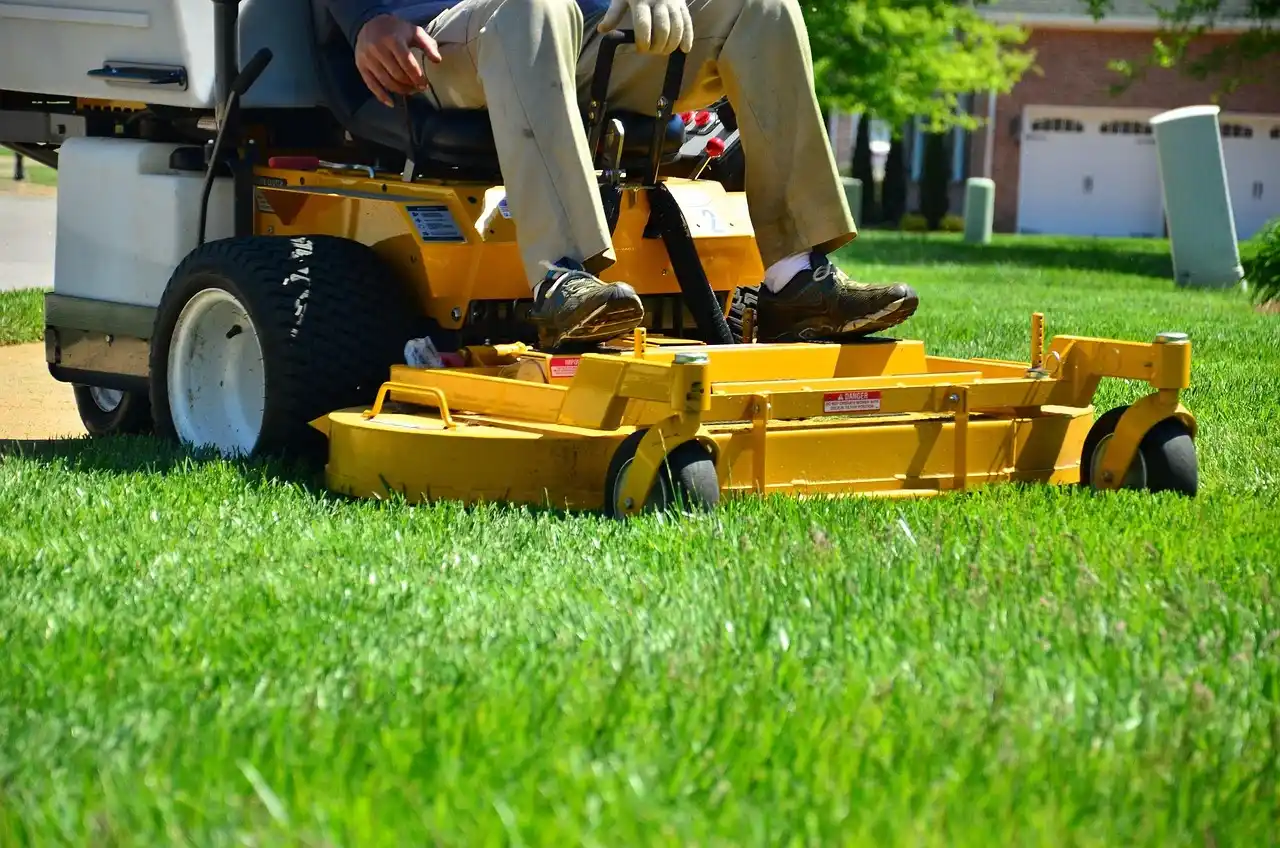
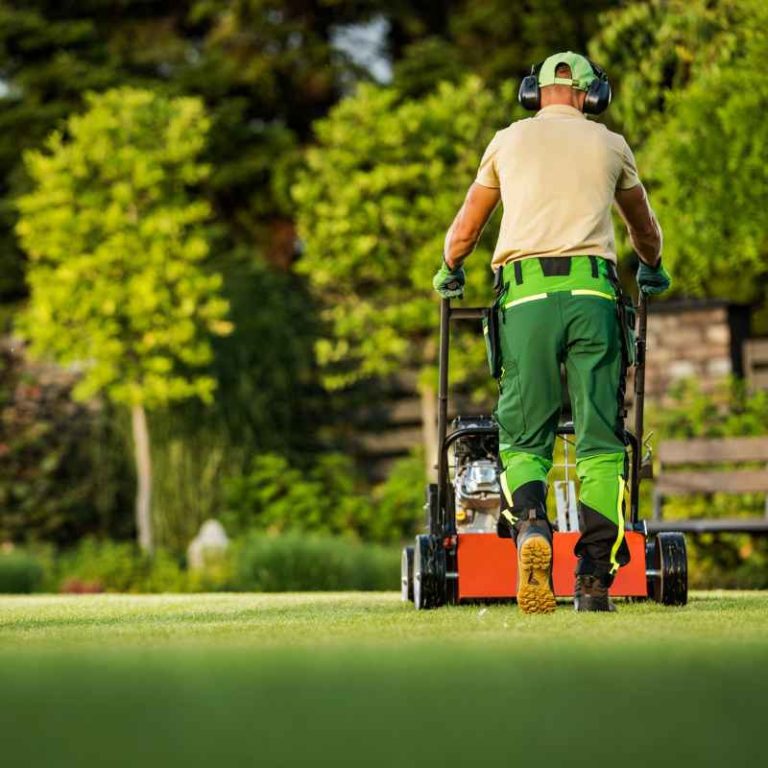
Yes, but usually under lawn maintenance rather than installation or design. Mowing, edging, trimming, and blowing are the recurring service layer that keeps turf neat and beds clear. On many properties, these items are the starting point, and they make sense only after the yard has been graded and planted correctly.
What lawn maintenance usually covers
Typical lawn maintenance includes mowing, edging, trimming around obstacles, and blowing clippings from hard surfaces. It may also include routine checks for turf stress, thinning, or weeds. A service listing may start from $51 for lawn mowing, $29 for bush trimming, and $121 for lawn treatment, but the key issue is scope, not the headline number.
Weekly versus bi-weekly service
Weekly scheduling fits fast-growing turf, active front yards, and properties that need a crisp appearance. Bi-weekly service can work for slower growth, larger back lots, or homeowners who want lower frequency and do not mind more visible growth between visits. The right cadence depends on grass type, season, irrigation, and how formal the yard is.
When turf care stops and yard care starts
Turf care ends where plant beds, shrubs, and site structure begin. If the quote mentions mulching, tree pruning, irrigation repairs, or bed redesign, that is landscaping work, not mowing alone. Homeowners should watch for crews who treat everything as grass work, because shrubs, beds, and drainage need different timing and methods.
What is included in design and installation?
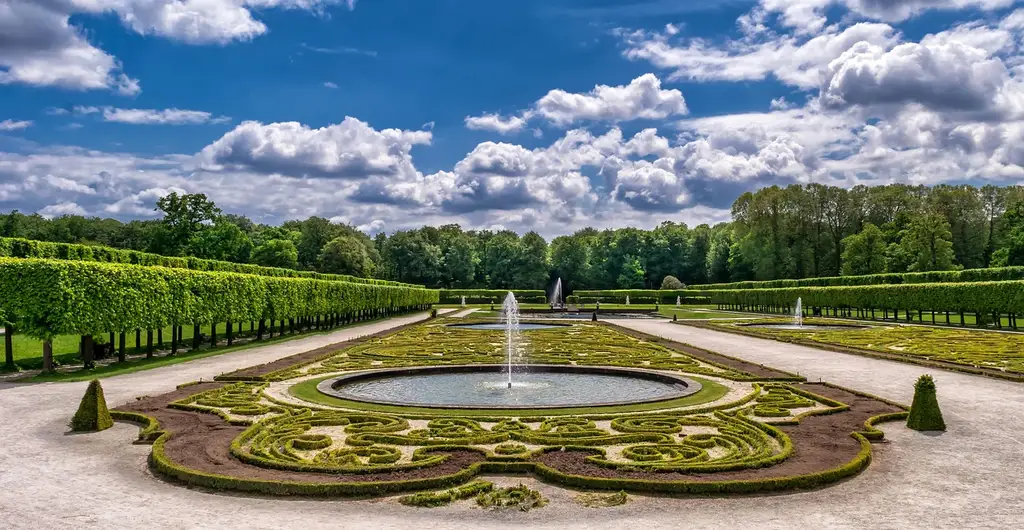
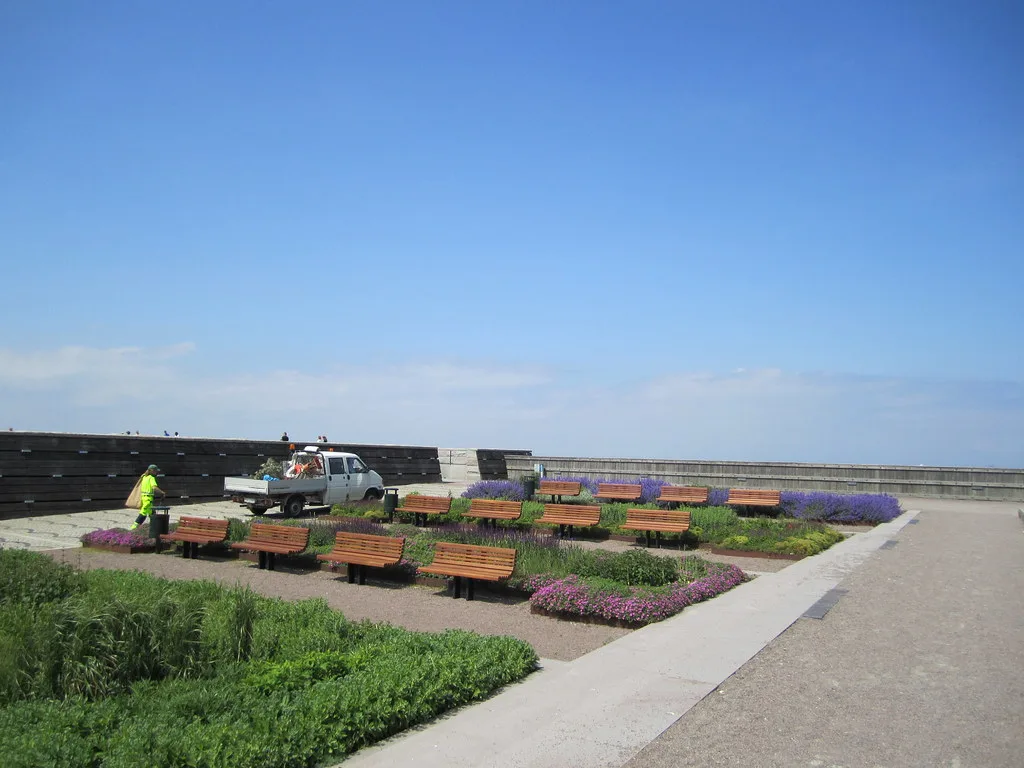
Design is planning before installation, and installation is the physical buildout that follows. Good design considers property size and shape, slopes, drainage, sun exposure, and maintenance needs. Good installation places the right plants and materials in the right soil, with spacing and root health handled correctly so the new work survives.
Why design comes before installation
Design prevents wasted plant material and bad layouts. A small yard needs tighter spacing and simpler circulation than a large lot. A sloped property needs drainage and access planning before anyone sets plants in the ground. If a contractor skips design, the result can look fine for a month and then fail when water, shade, or traffic patterns show up.
Plants, sod, mulch, stone, irrigation, and ground cover
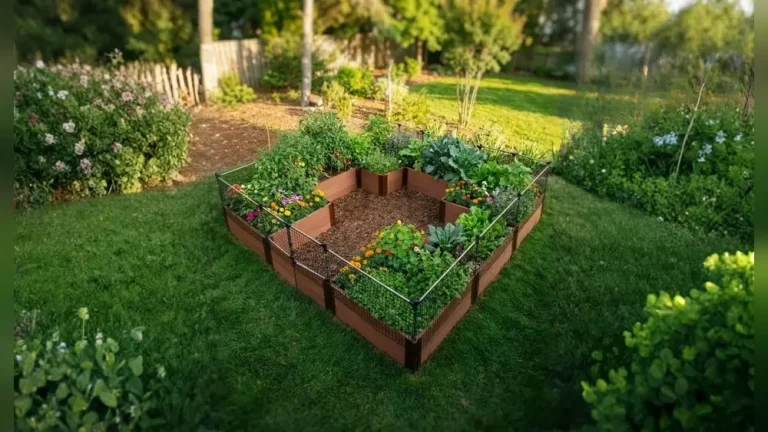
Landscape installation commonly includes sod, trees, shrubs, flowers, irrigation, mulch, stone, and ground cover. Some jobs also include soil preparation, bed edging, and new planting areas. On larger properties, installation may be staged so turf, beds, and irrigation go in after grading and drainage are settled. That order reduces plant stress and future repair work.
Soil prep, spacing, and root health
Installation quality depends on what happens before the plant goes in. Soil should be prepared for drainage and rooting depth, plants should be spaced for their mature size, and roots should be set so they are not circling or buried too deeply. If the soil stays waterlogged, even expensive plants can fail fast.
What hardscaping services are usually part of landscaping?
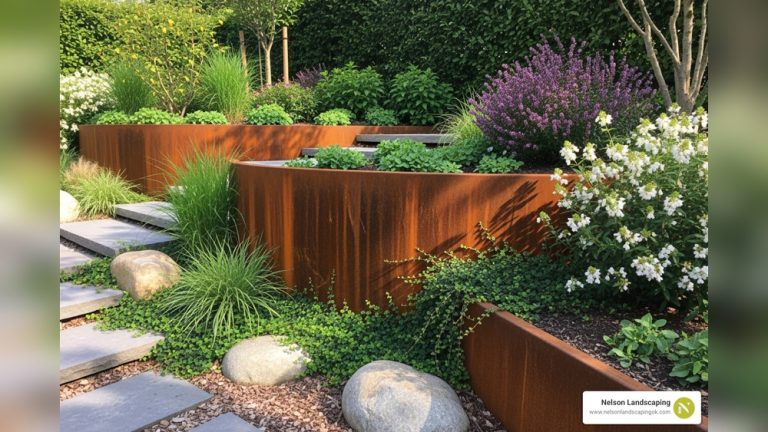
Hardscaping includes the built parts of a yard, such as patios, walkways, pavers, retaining walls, and edging. It adds structure and function, and it is often the answer when a property has slope, access, or circulation problems. Good hardscaping also changes how much ongoing plant maintenance the yard will need.
Patios, walkways, pavers, retaining walls, and edging
These are the common hardscape pieces homeowners see in quotes. Walkways solve muddy paths. Patios create usable outdoor space. Retaining walls hold soil and create level areas. Pavers and edging shape borders and traffic flow. If a quote includes all of them, ask which pieces are decorative and which solve a site problem.
When hardscaping solves slope or access problems
If a yard is too steep for comfortable use, a retaining wall or stepped path may be needed before planting makes sense. If a side yard is hard to cross, a walkway or paver path can stop erosion and muddy tracks. Hardscaping is often less about style than about making the yard usable in all weather.
How structure changes maintenance needs
Once hardscape is installed, mowing patterns, bed edges, and cleanup routines change. Fewer soft edges can mean less trimming, but more joints, seams, and corners may need weed control. The best quotes explain that tradeoff, because a new patio or wall changes both the look of the yard and the work needed to maintain it.
Do landscaping services include drainage and grading?
They should when water is pooling, runoff is cutting through beds, or the yard slopes the wrong way. Drainage and grading are problem-solving work, not optional extras on a healthy site. If water damage is the real issue, planting first is the wrong order and often the expensive one.
Signs the property needs runoff work first
Standing water after rain, washed-out mulch, muddy paths, leaning plants, and soil moving downhill are common warning signs. Downspouts that dump water near foundations or beds can also create recurring trouble. In those cases, drainage work should come before sod, shrubs, or decorative stone.
French drains, swales, catch basins, and downspout extensions
French drains move subsurface water away from wet spots. Catch basins collect runoff in low points. Channel drains carry water off paved areas. Swales redirect flow across a shallow grade. Downspout extensions push roof water farther from the house. Each solves a different problem, so the quote should say which one matches the site.
When regrading or a dry creek bed makes sense
Regrading helps when the ground slopes toward the house, a patio, or a path. A dry creek bed can move runoff while also creating a visible drainage route. These options fit sites with repeated pooling or erosion, but they should be based on how water moves on the property, not on appearance alone.
What should be included in a full-service landscaping package?
A full-service package should clearly state whether it includes recurring care, seasonal cleanup, and any optional plant or system work. At minimum, homeowners should expect a clear mix of mowing, bed care, pruning, cleanup, and treatment. Some companies also bundle lighting, irrigation checks, or snow-related work, but the list should be explicit.
Tree and shrub care by species and season
Tree and shrub care is not one-size-fits-all. Most shrubs need trimming three to four times yearly, while some flowering shrubs should be shaped after bloom to avoid cutting off next season’s buds. Health-focused pruning removes damaged, crossing, or diseased wood, while hedge shaping keeps formal lines clean without forcing growth into an unnatural shape.
Seasonal cleanup across spring, fall, and leaf removal
Seasonal cleanup usually includes spring cleanup, fall cleanup, leaf removal, and general debris removal. One service page notes that flower bed weeding is best done monthly in the growing season and can be done quarterly in winter. That is useful because it maps maintenance to the calendar instead of treating cleanup as a one-time event.
Lawn treatment and outdoor lighting as add-ons or core items
Lawn treatment often includes fertilizer, pre-emergent weed control, post-emergent weed control, and pest control as needed. Outdoor lighting may be included or quoted separately, depending on whether the goal is visibility, safety, or nighttime appearance. A full-service package should say whether these are recurring services or one-time add-ons.
Homeowner landscaping scope checklist
This checklist helps match the job to the property. Use maintenance-only when the yard is already functional. Choose refresh when the layout works but the plantings or turf need updates. Move to renovation when the site needs structural changes. Put drainage-fix first when water, slope, or access problems are the main issue.
| What it solves | Typical services included | When to request it |
|---|---|---|
| Maintenance-only | Mowing, edging, trimming, blowing, routine bed weeding, seasonal cleanup, basic lawn treatment | The yard functions well and only needs recurring care |
| Refresh | Mulch replacement, shrub shaping, flower planting, limited bed redesign, lighting updates, selective sod repair | Plants look tired, beds need cleanup, or the yard needs a reset without major construction |
| Renovation | Yard design, full planting plan, sod installation, irrigation, stone, new beds, hardscaping, wider layout changes | The property needs a new layout, new plant structure, or a rebuilt outdoor area |
| Drainage-fix | Grading, French drains, catch basins, channel drains, swales, downspout extensions, dry creek beds | Water pools, soil erodes, or runoff must be corrected before planting or paving |
How do I know whether I need maintenance, refresh, or renovation?
Start with the problem, not the package name. If the yard is healthy but messy, maintenance is enough. If the structure is sound but the beds look worn out, a refresh fits. If the layout, drainage, or access is wrong, renovation is the right lane, and design should come first.
Small-yard versus larger-property decisions
Small yards usually need tighter scheduling, simpler planting choices, and fewer service categories. A large property may need separate crews or separate visits for mowing, bed care, pruning, and drainage. The same company can handle both, but the quote should make clear which areas are included and how often each area is serviced.
When to request design first
Request design first when the property has slopes, awkward corners, weak circulation, or a mix of sun and shade that limits what can grow. Design should also come first when you want to combine hardscape, irrigation, and planting into one plan. That keeps the installation from fighting the site.
What to skip if the site has a deeper problem
Skip new plants, sod, and decorative features if water is pooling or soil is moving. Skip fine-tuning beds if the yard cannot be accessed safely or if a slope is causing erosion. Fix the underlying issue first, then install materials that fit the corrected site instead of masking a structural problem.
Frequently asked questions
What landscaping services are included for homeowners?
Homeowners usually see a mix of lawn maintenance, planting, mulch, seasonal cleanup, irrigation, lighting, hardscaping, and drainage work. The exact scope depends on whether the property needs ongoing care, a refresh, a renovation, or a fix for runoff, slope, or access problems.
What is the difference between landscaping and lawn care?
Lawn care focuses on turf: mowing, edging, trimming, and treatment. Landscaping is broader and can include design, planting, hardscaping, drainage, and lighting. A homeowner quote should make that split obvious so mowing work is not confused with a planting or drainage job.
Does landscaping include mowing and trimming?
It can, but those tasks usually sit in the lawn maintenance bucket. Mowing, edging, trimming, and blowing are recurring services that keep turf neat. If a proposal also includes bed work, pruning, or mulch, that is a wider landscaping scope, not mowing alone.
What hardscaping services are usually part of landscaping?
Common hardscaping includes patios, walkways, pavers, retaining walls, and edging. These pieces add structure and can solve slope, access, or erosion issues. They also change maintenance needs, so homeowners should ask which parts are cosmetic and which parts are doing real site work.
Do landscaping services include drainage and grading?
They should when the property has pooling, runoff, erosion, or a slope that sends water the wrong way. Drainage and grading are often the first step before planting or paving. If those problems are ignored, new work can fail even when the materials are good.
What should be included in a full-service landscaping package?
A full-service package should spell out mowing, edging, trimming, seasonal cleanup, bed care, pruning, lawn treatment, and any optional lighting, irrigation, or hardscape work. It should also state visit frequency and exclusions. Without that detail, “full-service” is too vague to compare.