Is Landscape Fabric Toxic for Vegetable Gardens? Find Out
Growing vegetables at home offers countless rewards, but the choices you make in your garden can impact both yield and health. One common question among gardeners is whether landscape fabric—often used to suppress weeds and conserve moisture—poses any risks to edible plants. Is landscape fabric toxic for vegetable gardens? This topic sparks heated debate, with opinions ranging from enthusiastic endorsement to cautious skepticism. As concerns about chemical exposure and soil health increase, understanding the true impact of landscape fabric is essential.
Modern gardening trends lean heavily on convenience, and landscape fabric has become a staple in both residential and commercial plots. However, with growing awareness of environmental toxins and sustainable practices, many wonder if the benefits outweigh the potential risks. This article examines the science, materials, and real-world experiences to help you make an informed decision about using landscape fabric in your vegetable garden—without compromising health or harvest.
Key Takeaways
- Landscape fabric is widely used to suppress weeds, but its safety for vegetable gardens depends on material composition and installation practices.
- Some types of landscape fabric may leach chemicals, while others are considered inert and safe.
- Long-term use of landscape fabric can impact soil health, moisture, and microbe activity.
- Real-world examples and scientific studies show mixed results, requiring careful evaluation.
- Alternatives such as organic mulches and biodegradable fabrics offer safer options for food gardens.
- Proper installation and maintenance are crucial to minimizing risks and maximizing benefits.
Credit: albopepper.com
Understanding Landscape Fabric: Types And Materials
Landscape fabric is available in various forms, each designed to address specific gardening challenges. The composition and manufacturing process of these fabrics play a significant role in their safety for vegetable gardens.
Woven Vs. Non-woven Landscape Fabric
Landscape fabrics are generally categorized as woven or non-woven:
- Woven fabric: Made from interlaced polypropylene or polyethylene fibers, providing durability and permeability. Commonly used for weed control in vegetable beds. Woven fabrics typically have a mesh-like structure, making them strong enough to withstand foot traffic and heavy mulching. They allow water and air to pass through, which supports healthy root development and maintains soil moisture. However, if the weave is too tight, it can restrict airflow, potentially leading to anaerobic soil conditions.
- Non-woven fabric: Manufactured from bonded synthetic fibers, often less permeable but easier to cut and install. Non-woven fabrics are generally used where a stronger weed barrier is required, such as under gravel or stone paths. They may be spun-bonded or needle-punched, with some products designed specifically for horticultural use. These fabrics are typically less expensive than woven types and can offer excellent initial weed suppression, but their lower permeability can sometimes cause water pooling or poor drainage if not installed correctly.
Each type has distinct advantages and drawbacks:
| Type | Material | Permeability | Durability | Potential Toxicity |
|---|---|---|---|---|
| Woven | Polypropylene | High | Long-lasting | Low (if untreated) |
| Non-Woven | Polyethylene | Moderate | Medium | Moderate (depends on additives) |
| Biodegradable | Natural fibers (jute, hemp) | High | Short-term | None |
Selecting Based On Use Case
Woven and non-woven fabrics serve different purposes in the garden. For vegetable beds, woven polypropylene is most common due to its balance of strength and permeability. Non-woven materials are more typical in ornamental beds or as underlayment for hardscaping, where permeability is less critical.
Biodegradable fabrics, while less durable, are increasingly popular among organic and eco-conscious gardeners for their minimal environmental impact and absence of synthetic chemicals.
Synthetic Vs. Natural Fabrics
Most landscape fabrics are synthetic, primarily made from polypropylene or polyethylene. These materials are generally considered chemically inert, but concerns arise from:
- Manufacturing residues: During production, synthetic fabrics can pick up unwanted byproducts, such as residual solvents, stabilizers, or processing aids. While these are usually present in trace amounts, their long-term behavior in soil is not always well understood.
- UV stabilizers: To prevent the plastic from degrading prematurely in sunlight, manufacturers often add chemical UV inhibitors. While these increase product lifespan, they may also introduce compounds that can leach over time, especially as the fabric weathers.
- Plasticizers: Some fabrics contain plasticizers to enhance flexibility and pliability, especially in non-woven types. Certain plasticizers, such as phthalates, have raised health concerns due to their potential for leaching.
Natural alternatives, such as jute or hemp, are biodegradable and avoid synthetic chemicals but are less durable. Despite their short lifespan, natural fabrics contribute organic matter to the soil as they break down, supporting beneficial microbial activity and improving soil structure.
Comparing Longevity And Soil Impact
Synthetic fabrics can last several growing seasons, sometimes up to 10 years, depending on climate and exposure. However, their persistence can be a double-edged sword: while they provide continuous weed control, they may also accumulate microplastics in the soil as they degrade. Natural fabrics, though requiring more frequent replacement, eliminate this risk and can be composted at the end of their useful life.
Additives And Chemical Treatments
Some landscape fabrics are treated with UV inhibitors, antimicrobial agents, or colorants to extend their lifespan. These treatments can leach into the soil, especially if the fabric degrades or is exposed to intense sunlight.
- UV inhibitors: Prevent breakdown but may contain chemicals that are not fully disclosed by manufacturers. Some common UV stabilizers include benzotriazoles and hindered amine light stabilizers (HALS), which are effective but can potentially migrate from the plastic matrix under certain conditions.
- Antimicrobials: Intended to prevent mold or algae growth on the fabric, these chemicals—often silver-based or quaternary ammonium compounds—can also inhibit beneficial soil microbes, especially if used in excess or if the fabric is in direct contact with the root zone.
- Colorants: Dyes and pigments added for appearance or to indicate brand can introduce additional chemical compounds. While most are considered stable, some may fade or leach, especially if not specifically formulated for horticultural use.
Impact Of Additives On Soil Health
Studies have shown that certain additives, such as triclosan (an antimicrobial), can persist in soil and disrupt microbial communities. The presence of heavy metals in some colorants is another concern, though this is rare in high-quality landscape fabric intended for horticulture.
Manufacturer Transparency
One challenge is the lack of ingredient transparency. Not all manufacturers disclose the full list of additives or treatments applied to their products, making it difficult for gardeners to assess risks. Look for products with clear labeling and third-party certifications.
Tips for Informed Purchasing:
- Choose brands that provide safety data sheets (SDS) or detailed product specifications.
- Look for third-party certifications, such as OEKO-TEX, which verifies that no harmful substances are present.
- Prefer products explicitly labeled for use in edible gardens or marked as food-safe.
Potential Toxicity: Chemical Leaching And Soil Health
The main concern with landscape fabric in vegetable gardens is the potential for chemical leaching and its effect on soil health, plant roots, and eventually, edible produce.
Chemical Leaching: What The Research Says
Polypropylene and polyethylene are considered stable plastics, but under environmental stress (UV exposure, heat, moisture), they may break down and release:
- Microplastics: Tiny plastic particles resulting from the physical breakdown of larger plastic items. These can persist in the soil, potentially affecting soil organisms and plant health.
- Phthalates: A group of chemicals used as plasticizers in some types of non-woven fabrics. These are known endocrine disruptors and can leach into the environment, especially under high temperatures or UV exposure.
- Bisphenol A (BPA): A chemical sometimes present in lower-quality plastics. While not common in modern polypropylene fabrics, trace amounts could be present in recycled materials.
A 2019 study published in *Environmental Science & Technology* found that plastic mulches can shed microplastics into soil, but the concentration and risk depend on material quality and exposure time ([Environmental Science & Technology](https://pubs.acs.org/doi/10.1021/acs.est.9b03401)). The study also noted that microplastic levels were higher in soils with frequent plastic mulch use, and that microplastics could be transported through soil water, potentially reaching plant roots.
Factors Influencing Leaching
The rate and extent of chemical leaching depend on several factors:
- Fabric quality: Higher-grade, virgin polypropylene fabrics are less likely to leach than recycled or lower-quality plastics.
- Environmental conditions: UV exposure, extreme temperatures, and constant wetting/drying cycles accelerate degradation.
- Soil properties: Acidic soils and soils with high organic matter may increase the mobility of certain chemicals.
Impact On Vegetable Crops
While most landscape fabrics are marketed as safe, the risk of chemical uptake by vegetables is poorly studied. Root crops like carrots and potatoes may be more susceptible if microplastics or additives migrate into the soil. Leafy greens and fruiting crops are less directly affected, but soil contamination can have broader effects.
- Root absorption: There is some evidence that plants can absorb microplastics and associated chemicals through their root systems, particularly if the particles are very small (nanoplastics).
- Surface contamination: Edible parts of plants in direct contact with soil can pick up contaminants, though thorough washing reduces this risk.
- Yield and quality: While short-term studies show little difference in yield, long-term effects on plant health and nutritional content are not fully understood.
Soil Microbial Activity
Healthy soil relies on a diverse community of microbes—bacteria, fungi, and other organisms—that facilitate nutrient cycling and plant growth. Landscape fabric can:
- Limit oxygen exchange: If fabric is too thick or becomes clogged with fine particles, it can restrict airflow, leading to anaerobic conditions that harm beneficial microbes and promote pathogens.
- Restrict organic matter decomposition: Landscape fabric blocks direct contact between organic mulch (if placed above the fabric) and the soil, slowing decomposition and reducing soil organic matter input.
- Reduce microbial diversity: Studies have shown that the diversity and abundance of beneficial soil microbes can decline under synthetic barriers, especially when they remain in place for multiple seasons.
A 2026 review in *Frontiers in Plant Science* highlighted that prolonged use of synthetic barriers can alter microbial populations, potentially impacting long-term soil fertility ([Frontiers in Plant Science](https://www.frontiersin.org/articles/10.3389/fpls.2026.658314/full)). The review also noted that microbial changes can influence nutrient cycling, disease suppression, and plant resilience to stress.
Water And Nutrient Movement
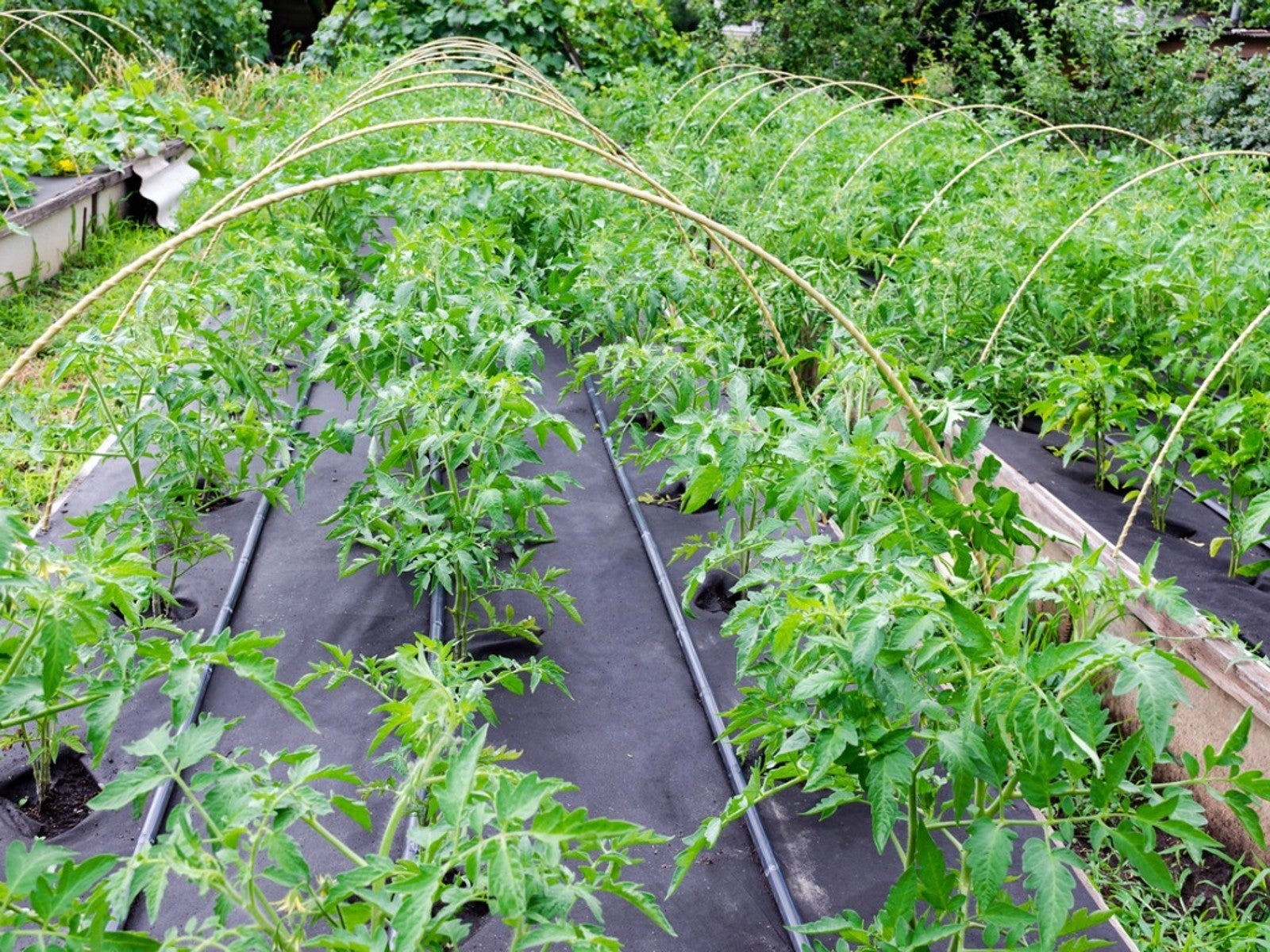
Landscape fabric is designed to allow water and air through, but poorly installed or degraded fabric can create impermeable layers, affecting:
- Water infiltration: Water may run off the surface rather than soaking into the root zone, leading to uneven soil moisture and water stress in plants.
- Root growth: Dense or compacted fabric can physically impede root expansion, limiting access to nutrients and water.
- Nutrient uptake: Fertilizer applied above the fabric may not reach plant roots efficiently, especially if the fabric is thick or clogged.
Table: Impact Of Landscape Fabric On Soil Factors
| Factor | Positive Effect | Negative Effect |
|---|---|---|
| Water Conservation | Reduces evaporation | Can cause pooling if clogged |
| Nutrient Movement | Maintains soil nutrients | May impede fertilizer access |
| Microbe Activity | Protects from extreme temperature | Reduces diversity if too thick |
| Root Growth | Limits weed competition | Can restrict expansion |
Long-term Soil Effects
Over multiple years, the cumulative effects of restricted water, nutrients, and microbial activity can lead to soil compaction, reduced organic matter, and declining fertility. This is particularly concerning in intensive vegetable production systems, where soil health is closely linked to yield and crop quality.
Credit: www.gardeningknowhow.com
Real-world Examples And Case Studies
Examining real-world experiences provides valuable context for the risks and rewards of landscape fabric in vegetable gardens.
Commercial Farms: Plastic Mulch Use
Large-scale vegetable farms often use plastic mulch—similar to landscape fabric—for weed control and moisture retention. In Florida, tomato growers reported improved yields but noted concerns over plastic residue and disposal ([University of Florida IFAS Extension](https://edis.ifas.ufl.edu/publication/CV213)).
- Yield boost: 15-30% increase in tomato harvest. The increased soil temperature and moisture retention provided by plastic mulch lead to faster growth and earlier harvests.
- Residue issue: Difficulty removing fabric at season’s end. Fragments left behind can contribute to soil contamination and make future tillage or planting difficult.
- Soil testing: Slight increase in microplastic content after 3 years. The long-term impact of these microplastics on soil health and plant growth remains an area of active research.
Some farms have transitioned to biodegradable mulches to address disposal challenges, but cost and limited durability remain barriers to widespread adoption.
Home Gardeners: Mixed Outcomes
A survey of 200 home gardeners conducted by the National Gardening Association found:
- 38% used landscape fabric in raised beds. Many cited reduced maintenance and fewer weeds as key benefits.
- 22% reported improved weed suppression. Most users were satisfied in the first season, but issues often arose with persistent perennial weeds growing through or around the fabric.
- 12% observed soil compaction and reduced earthworm presence. Gardeners noted that after two or more seasons, the soil beneath fabric felt harder, and fewer earthworms were found, likely due to reduced organic matter input and restricted movement.
- 8% discontinued use due to concerns over synthetic materials. Some cited difficulty in adding compost or rotating crops, while others were motivated by environmental concerns.
Lessons From Home Gardens
Home gardeners often find that landscape fabric is most effective in the short term, but drawbacks such as soil health decline and maintenance challenges become more apparent over time. Many successful users combine fabric with a thick layer of organic mulch to balance weed suppression and soil protection.
Organic Gardens: Biodegradable Fabric Success
In Oregon, a community garden switched to biodegradable jute fabric for its vegetable plots. After two seasons:
- Weed pressure: Reduced by 80%. The fabric effectively blocked annual weeds, though some perennial weeds required manual removal.
- Soil health: Earthworm counts increased by 40%. Gardeners observed richer, looser soil and more visible soil life.
- Crop quality: No change in flavor or yield. Gardeners also noted easier planting and end-of-season cleanup compared to synthetic fabrics.
The success of biodegradable fabric in this setting demonstrates that sustainable alternatives can deliver effective weed control without compromising soil life or harvest quality.
Urban Gardens: Fabric Vs. Mulch Comparison
An urban gardening project in Chicago compared landscape fabric, straw mulch, and bare soil in vegetable beds over one season.
| Cover Type | Weed Suppression | Soil Moisture | Microbe Activity | Harvest Yield |
|---|---|---|---|---|
| Landscape Fabric | High | Moderate | Low | Average |
| Straw Mulch | Moderate | High | High | High |
| Bare Soil | Low | Low | Moderate | Low |
Observations And Recommendations
The project concluded that while landscape fabric provided the best weed suppression, straw mulch excelled in maintaining soil moisture, supporting beneficial microbes, and boosting yield. The study recommended integrating mulch with or instead of fabric for optimal vegetable garden health.
Credit: frameitall.com
Landscape Fabric Installation And Maintenance: Reducing Risks
Proper installation and maintenance are critical to minimizing any potential toxicity or negative impacts from landscape fabric.
Choosing The Right Fabric
- Select untreated polypropylene or biodegradable fabrics for vegetable beds. Check product specifications to ensure the absence of harmful additives.
- Avoid products with unidentified additives or colorants. Fabrics with strong chemical odors or bright, unnatural colors may contain unnecessary chemicals.
- Seek certified organic or food-safe labeling where possible. Certifications such as OMRI (Organic Materials Review Institute) or equivalent are trustworthy indicators for food gardens.
Installation Tips
- Prepare soil: Remove weeds, rocks, and debris before laying fabric. Amend soil with compost to promote fertility and drainage. Loosening the soil beforehand helps prevent compaction and encourages deep root growth.
- Cut to fit: Trim fabric to match bed dimensions, minimizing overlap. Use sharp scissors or a utility knife for clean cuts, and avoid excessive overlaps that can create thick, impermeable layers.
- Anchor securely: Use pins or staples to prevent movement. Secure the fabric every 12-18 inches along the edges and at seams to keep it flush with the soil surface and prevent wind or water from lifting it.
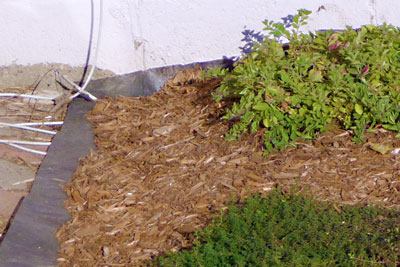
- Cover with mulch: Top fabric with organic mulch (wood chips, straw) to protect from UV and reduce breakdown. A 2-4 inch layer is recommended for both weed suppression and moisture retention. Mulch also improves aesthetics and further reduces weed emergence.
Tips For Cutting Planting Holes
When planting through fabric, cut X-shaped holes just large enough for the root ball. Avoid making large openings, which can allow weeds to emerge and reduce effectiveness. After planting, tuck fabric snugly around stems to minimize exposed soil.
Maintenance Practices
- Inspect fabric annually for signs of degradation or tearing. Address any damage promptly to prevent weed breakthrough or soil contamination.
- Replace or repair as needed to prevent soil contamination. If the fabric becomes brittle, frayed, or clogged with debris, it may be time for replacement.
- Remove fabric after 2-3 years to avoid buildup of microplastics. For annual vegetable beds, consider fabric as a short-term solution and rotate with organic mulches or cover crops in subsequent years.
Monitoring Soil Health
Periodically check soil moisture, compaction, and earthworm activity under the fabric. If you notice declining soil quality, consider reducing fabric use or integrating more organic matter.
Safe Removal And Disposal
If discontinuing use:
- Roll up fabric carefully to avoid leaving fragments in the soil. Shake off any attached soil or organic matter, and inspect for torn pieces.
- Dispose of in accordance with local waste regulations. Most synthetic fabrics are not recyclable and must go to landfill; some municipalities accept clean synthetic fabric as construction waste.
- Consider switching to organic mulch or biodegradable alternatives. These options can be tilled into the soil or composted at the end of the season, reducing waste and enhancing soil health.
Alternatives To Landscape Fabric For Vegetable Gardens
For gardeners seeking safer, more sustainable options, several alternatives exist to landscape fabric.
Organic Mulches
Common organic mulches include:
- Straw: Lightweight, easy to spread, and excellent for suppressing annual weeds. Straw breaks down relatively quickly, enriching the soil.
- Wood chips: Longer-lasting and visually appealing, wood chips are best for perennial beds or paths but can also be used in vegetable beds if kept away from stems.
- Compost: Provides both weed suppression and a nutrient boost. Compost should be weed-free and applied in a 1-2 inch layer.
- Grass clippings: Readily available and rich in nitrogen. Use only untreated clippings in thin layers to avoid matting and odor.
Benefits:
- Suppress weeds naturally without chemicals or plastic.
- Improve soil fertility as they decompose, adding organic matter and nutrients.
- Enhance microbial activity by fostering a diverse soil food web and increasing earthworm populations.
Drawbacks:
- Require annual replenishment as they decompose.
- May attract pests such as slugs or voles if applied too thickly or left wet.
- Some materials (e.g., hay) can introduce weed seeds if not sourced carefully.
Biodegradable Fabrics
Made from jute, coir, or corn starch, biodegradable fabrics:
- Break down within one season, leaving no plastic residue.
- Leave no synthetic residue, making them ideal for organic and regenerative gardening.
- Support soil health by allowing full integration of organic matter and facilitating nutrient cycling.
Brands such as Bio360 and EcoMulch offer certified biodegradable products ([Bioplastics Magazine](https://www.bioplasticsmagazine.com/en/news/meldungen/20200312-Bio360.php)).
Performance In The Garden
Biodegradable fabrics offer effective weed control for up to one growing season. They can be tilled into the soil at the end of the year, enriching organic matter and supporting beneficial soil organisms. While slightly more expensive than synthetic options, the environmental benefits often outweigh the cost.
Living Mulches
Planting ground cover crops (clover, vetch) between vegetable rows provides:
- Weed suppression by outcompeting unwanted plants.
- Nitrogen fixation, especially with legumes, which benefits subsequent vegetable crops.
- Habitat for beneficial insects, enhancing pollination and pest control.
Challenges And Management
Living mulches require careful management to prevent them from competing with vegetables for water and nutrients. Regular mowing or selective removal around crop rows can balance weed suppression and crop health.
Manual Weed Management
While labor-intensive, regular hand weeding and cultivation are proven methods for maintaining clean beds without synthetic barriers.
- Hoeing: Shallow cultivation with a sharp hoe can quickly remove small weeds before they become established.
- Mulch layering: Reapplying mulch after each weeding cycle maximizes effectiveness.
- Flame weeding: For larger gardens, flame weeders can be used before planting to reduce weed pressure without chemicals or plastic.
Environmental Impact: Landscape Fabric And Sustainability
Beyond potential toxicity, landscape fabric’s environmental footprint is a vital consideration.
Plastic Waste And Disposal
Synthetic fabrics contribute to plastic pollution when disposed of improperly. The EPA estimates that 13 million tons of plastic waste enter the environment annually, and garden plastics are a growing contributor ([EPA](https://www.epa.gov/facts-and-figures-about-materials-waste-and-recycling/plastics-material-specific-data)).
- Non-recyclable: Most landscape fabrics cannot be recycled through municipal programs, leading to landfill accumulation.
- Landfill impact: Long-lasting plastics persist for decades, potentially leaching chemicals as they break down.
- Incineration risks: Burning synthetic fabrics releases toxic fumes, including dioxins and furans, which are hazardous to human health and the environment.
Microplastic Accumulation
Landscape fabric breakdown releases microplastics into soil, which can:
- Enter the food chain via soil organisms, such as earthworms, which are then consumed by birds or mammals.
- Affect plant and animal health by altering soil structure, reducing water retention, and impairing nutrient availability.
- Persist indefinitely, as most plastics do not degrade fully in the environment.
A 2020 study in *Science Advances* found that microplastics negatively impacted soil structure and plant growth ([Science Advances](https://www.science.org/doi/10.1126/sciadv.aaz6854)). The study observed reduced soil aggregation and lower plant biomass in microplastic-contaminated soils.
Sustainable Gardening Practices
- Use biodegradable or organic mulches to reduce plastic waste and support soil health.
- Rotate crops and integrate cover crops to suppress weeds naturally and enhance biodiversity.
- Compost organic residues to improve soil fertility and close the nutrient loop.
- Minimize tillage to preserve soil structure and reduce erosion, especially when using organic mulches.
Community And Policy Initiatives
Some municipalities and garden organizations have begun to discourage or ban synthetic landscape fabric in community gardens to reduce plastic pollution. Participating in local composting and mulch programs can provide sustainable alternatives and foster community engagement.
Scientific Studies And Expert Opinions
Research on landscape fabric toxicity in vegetable gardens is ongoing, but existing studies and expert recommendations provide guidance.
Academic Research
- The University of California Agriculture & Natural Resources recommends avoiding treated synthetic fabrics in food gardens due to potential leaching ([UCANR](https: //ucanr.edu/sites/UrbanAg/files/319359.pdf)). Their guidelines suggest prioritizing untreated or biodegradable products and integrating organic matter for soil health.
- A 2017 review in Horticultural Science found no evidence of acute toxicity from untreated polypropylene but noted concern over long-term microplastic buildup. The review called for more research on chronic exposure and cumulative effects in diverse soil types.
Extension Services
Most cooperative extension programs urge caution:
- Prefer organic mulches for edible gardens to enhance soil health and reduce chemical risk.
- Use synthetic fabric only for perennial beds or walkways, not directly in food-producing areas, to minimize soil contact and potential contamination.
- Encourage regular soil testing to monitor for changes in soil composition and health.
Organic Certification Bodies
Organic certification standards prohibit the use of most synthetic landscape fabrics in certified vegetable production. Only biodegradable mulches are allowed.
- The National Organic Program (NOP) specifies that plastic or other synthetic mulches must be removed at the end of the growing or harvest season.
- Only fully biodegradable mulch films, composed of materials derived from plants, starch, or other renewable sources, are approved for ongoing use.
Expert Recommendations
- Dr. Linda Chalker-Scott, horticulturist at Washington State University, advises against landscape fabric in vegetable gardens, citing soil health concerns and potential for microplastic contamination. She recommends organic mulches for their numerous benefits and ease of use.
- Other experts emphasize the importance of balancing weed control with long-term soil stewardship. Integrated approaches, such as combining mulches, cover crops, and minimal tillage, are widely advocated.
Frequently Asked Questions
Is Landscape Fabric Safe For Growing Vegetables?
Most untreated polypropylene landscape fabrics are considered chemically inert and safe for short-term use. However, concerns remain about long-term breakdown, microplastic release, and soil health. Opt for products labeled as food-safe or use biodegradable alternatives for peace of mind. Always combine with organic mulch to improve results and reduce risk.
Can Chemicals From Landscape Fabric Leach Into Vegetables?
There is limited evidence of direct chemical uptake by vegetables, but degraded fabric can release microplastics and additives into the soil. Root crops may be more vulnerable. Choosing untreated, high-quality fabric and avoiding chemical additives reduces risk. Regularly replacing fabric and monitoring soil health is advisable.
What Is The Best Alternative To Landscape Fabric In Vegetable Gardens?
The safest alternatives are organic mulches (straw, wood chips, compost) and biodegradable fabrics (jute, coir). These options suppress weeds, improve soil health, and avoid synthetic chemicals. Living mulches and cover crops also offer effective weed control while benefiting the ecosystem.
How Does Landscape Fabric Affect Soil Microbes?
Landscape fabric can restrict oxygen and organic matter movement, reducing microbial diversity and activity over time. This may impact soil fertility and plant health. Using thinner fabric, removing after 1-2 seasons, or combining with organic mulch can mitigate effects. Regular soil amendments and crop rotation also help maintain microbial balance.
Should I Use Landscape Fabric In Raised Vegetable Beds?
Landscape fabric can be used in raised beds for short-term weed control, but risks include soil compaction, reduced earthworm activity, and microplastic accumulation. Consider organic mulches or manual weeding for sustainable raised bed gardening. If fabric is used, remove or replace it frequently and monitor soil quality closely.
The safety of landscape fabric in vegetable gardens hinges on material choice, installation, and maintenance. Untreated synthetic fabrics are generally safe for short-term use, but long-term risks include microplastic buildup and soil health decline. Biodegradable and organic alternatives offer effective weed control without compromising food safety.
As research continues, gardeners can protect their crops and the environment by staying informed, choosing transparent products, and adopting sustainable practices. With careful planning, you can enjoy a productive, toxin-free vegetable garden for years to come.