How to Prevent Weeds in Rock Landscaping for Good
Rock landscaping is celebrated for its low-maintenance beauty and drought tolerance, but one persistent problem can threaten its appeal: weeds. Even the most meticulously designed rock garden can fall prey to invasive plants, marring the aesthetics and requiring endless hours of manual removal. The battle against weeds can feel never-ending, with new shoots popping up seemingly overnight, especially after rain or irrigation.
Preventing weeds in rock landscaping isn’t just about reacting to growth; it’s about strategic planning and maintenance. From the right groundwork to advanced weed barriers, mulching methods, and eco-friendly herbicide alternatives, a comprehensive approach can deliver a pristine, weed-free landscape that lasts for years.
In this guide, you’ll discover proven, actionable strategies—supported by data and real-world examples—to keep your rock garden as beautiful and low-maintenance as you intended.
Key Takeaways
- Proper site preparation and installation of quality weed barriers are the foundation of a weed-free rock landscape.
- Ongoing maintenance, including debris removal and spot treatments, is critical for long-term success.
- Mulching and plant selection can naturally suppress weed growth while enhancing visual appeal.
- Integrated approaches, combining physical, chemical, and organic methods, yield the most effective weed prevention.
- Cost, durability, and environmental impact should be considered when selecting weed control products.

Credit: www.thedirtbag.com
Understanding Weed Growth In Rock Landscaping
Common Types Of Weeds Found In Rock Gardens
Rock gardens are susceptible to a variety of weeds, such as crabgrass, dandelions, bindweed, and nutgrass. These weeds thrive in the open spaces between rocks and often establish roots deep below the surface.
- Annual weeds (like crabgrass) germinate from seed each year. They are often the first to appear after rain, rapidly taking advantage of any bare soil or organic matter.
- Perennial weeds (like dandelions) regrow from persistent root systems. Their taproots can penetrate deep below rocks, making them difficult to fully eradicate without removing the entire root.
- Invasive species (such as bindweed and Bermuda grass) spread aggressively and are challenging to remove completely. These weeds can climb, spread horizontally, and even infiltrate weed barriers if not properly managed.
Nutgrass (nutsedge) is especially problematic in areas with poorly drained soil, as it thrives in moist environments and can push up through barriers.
Why Weeds Thrive In Rock Landscaping
Rocks do not inherently prevent weed seeds from settling. Wind, birds, and foot traffic often introduce seeds to the rocky surface. Over time, organic debris—such as fallen leaves and dust—accumulates between rocks, creating a fertile environment for seeds to germinate. Poorly installed weed barriers and thin rock layers can exacerbate the problem.
Rock beds often act as microclimates: the spaces between rocks trap moisture, while the rocks themselves retain heat, accelerating seed germination. In urban and suburban environments, weeds can also spread from adjacent lawns, gardens, or natural areas, especially when there is no adequate edging or border control.
In addition, rocks do not block sunlight, so any seeds that find their way beneath or between stones can quickly sprout if conditions are right. Even a small crack or gap in the weed barrier can become a gateway for persistent weeds.
The Cost Of Ignoring Weed Prevention
Allowing weeds to grow unchecked can:
- Reduce curb appeal and property value. Properties with visible weeds in rock beds tend to be perceived as poorly maintained, which can affect resale values or rental prospects.
- Cause structural damage to hardscaping as roots spread. Weeds such as tree seedlings and aggressive grasses can shift rocks, damage pavers, and undermine retaining walls.
- Increase maintenance costs and labor requirements. Once weeds establish, removal often requires more frequent hand-pulling, increased herbicide use, and even rock bed reconstruction.
- Lead to allergic reactions or attract pests. Certain weeds may harbor insects or rodents, and flowering weeds can trigger allergies for homeowners and visitors.
A study by the University of California Cooperative Extension found that regular weed removal can decrease landscape maintenance costs by up to 40% over five years compared to reactive management. Moreover, neglected weed growth can contribute to soil erosion, reduce plant health, and even introduce invasive species that threaten native biodiversity.
Credit: www.dripworks.com
Essential Steps To Prevent Weeds Before Installation
Site Preparation: The Critical First Step
A weed-free rock landscape starts before the first stone is laid. Thorough site preparation ensures that existing weeds and seeds are eradicated.
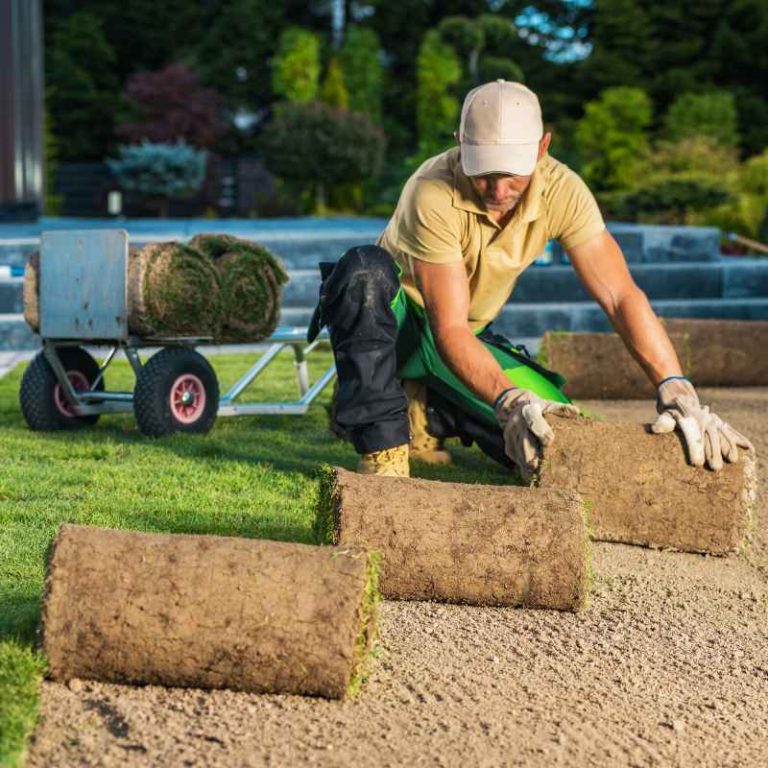
- Remove Existing Vegetation: Use a hoe, shovel, or sod cutter to eliminate all grass, weeds, and roots from the area. For best results, dig at least 2-3 inches below the surface to remove roots and rhizomes that can regrow.
- Soil Solarization: Cover the soil with clear plastic for 4-6 weeks during hot months. This process, recommended by the USDA, can kill up to 95% of weed seeds and pathogens by raising soil temperatures above 140°F. Solarization is especially effective in sunny climates and should be paired with thorough watering before laying the plastic, as moist soil conducts heat better.
- Grade and Level: Slope the area slightly to prevent water pooling, which encourages weed growth. Proper grading also helps prevent erosion and ensures rocks stay in place over time.
In addition to these steps, consider amending the soil with sand or fine gravel to improve drainage and reduce the likelihood of weed roots taking hold. Avoid incorporating rich compost or organic matter unless you are planting desirable ground covers; rich soil can encourage weed growth.
Installing High-quality Weed Barriers
The choice of weed barrier is critical. Not all products are created equal, and the wrong selection can lead to future headaches.
Types Of Weed Barriers
| Weed Barrier Type | Durability | Permeability | Weed Suppression | Cost (per 100 sq ft) |
|---|---|---|---|---|
| Woven Landscape Fabric | 8-15 years | Good (allows water/air) | High | $15-$25 |
| Plastic Sheeting | 3-5 years | Poor (blocks water/air) | Very High | $8-$12 |
| Biodegradable Mulch Paper | 1-2 years | Excellent | Moderate | $20-$30 |
| Cardboard/Newspaper | 1 season | Good | Moderate | $0-$2 |
Woven landscape fabric is the gold standard for weed control in rock landscaping due to its balance of durability and permeability. It allows water and nutrients to pass through while preventing weed penetration. For eco-friendly gardens, biodegradable mulch paper or recycled cardboard can be effective, but they require more frequent replacement.
Best Practices For Installation
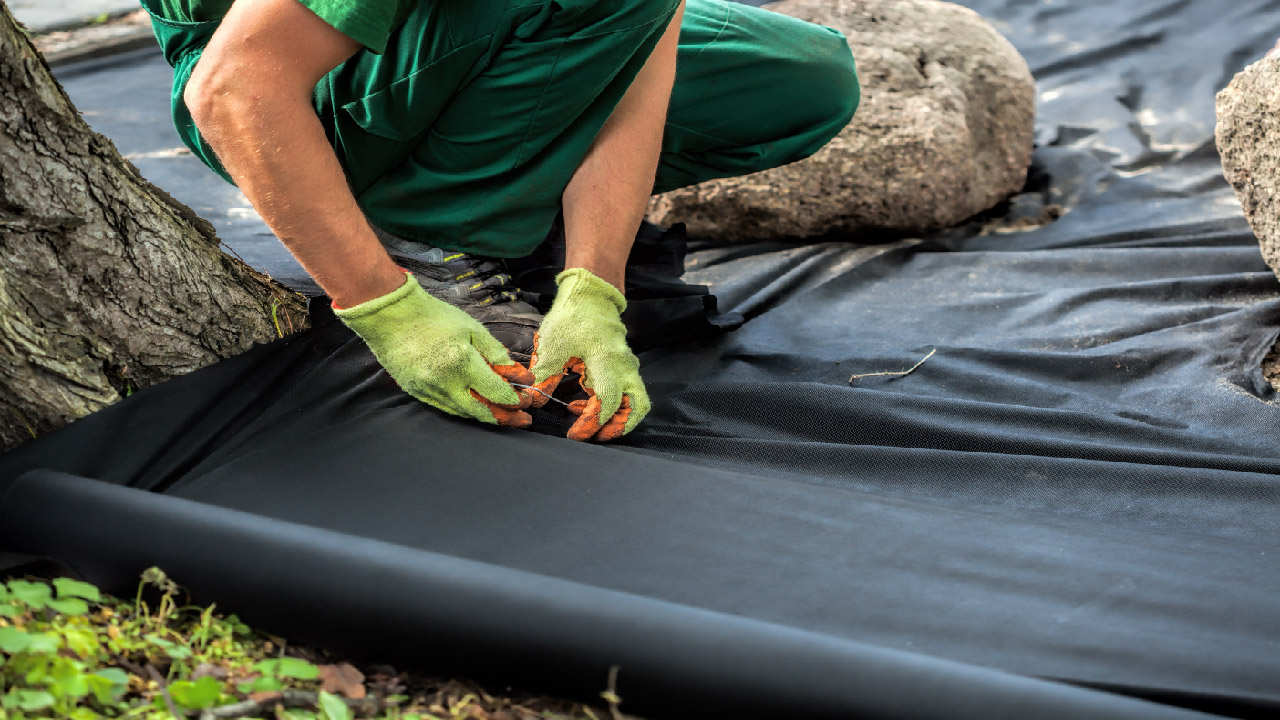
- Overlap seams by at least 6 inches to prevent weed penetration. Double-layering in problem areas (such as borders or where weeds have previously been prolific) can add extra protection.
- Secure edges with landscape staples every 12-18 inches. Use heavy-duty staples for windy or sloped sites. Secure around the perimeter and along seams to prevent shifting over time.
- Cut X-shaped holes only where plants are to be installed to minimize exposure. Avoid making large cuts or gaps, as these are prime spots for weeds to invade.
- Avoid using plastic sheeting under rocks in wet climates; it can trap water and promote rot or mold. In arid regions, plastic sheeting can overheat the soil and stunt plant growth.
For extra protection, consider placing a thin layer of gravel or sand below the barrier to increase drainage and discourage root growth. Always inspect the barrier annually for tears or exposed edges, and repair as needed to maintain its effectiveness.
Choosing The Right Rock And Mulch Depth
The depth and size of your rocks can make a substantial difference.
- Use rocks at least 1 inch in diameter to limit space for weed seeds. Larger rocks reduce the number of gaps and make it harder for seeds to reach the soil.
- Apply a 2–3 inch layer of rock for optimal coverage. Thicker layers block light and create a physical barrier to seed germination.
- Finer gravel or decomposed granite can compact and provide fewer germination sites than large, irregular stones. Compact materials also make it harder for weeds to establish roots.
A study by the University of Florida IFAS Extension found that a 3-inch layer of gravel reduced weed seedling emergence by 78% compared to a 1-inch layer (UF IFAS Extension). Additionally, using angular rocks (such as crushed granite) can help lock in place and reduce migration, preventing bare spots where weeds can take hold.
For high-traffic areas, consider mixing rock types for aesthetics and improved weed suppression. Decorative stone, pea gravel, and river rock can be combined to create visually interesting patterns while minimizing weed growth.
Proven Methods For Ongoing Weed Prevention
Regular Debris Removal
One of the most overlooked aspects of weed prevention is debris management. Fallen leaves, twigs, and organic matter can quickly accumulate in rock beds, creating a rich medium for weed seeds.
- Blow or rake debris from rocks every 1–2 weeks, especially in autumn. Leaf blowers are particularly effective for larger areas, while hand raking is ideal for delicate or densely planted beds.
- Install edging to prevent mulch, soil, and grass from encroaching on rock beds. Edging acts as a physical barrier, limiting the spread of organic material and weed seeds.
Consistent debris removal not only minimizes weed growth, but also maintains the pristine appearance of your landscape. Debris buildup can trap moisture, encourage pests, and promote the growth of moss or algae in shaded areas. For properties with trees or shrubs nearby, increase the frequency of cleaning during leaf drop seasons.
Periodic Inspection And Spot Treatments
Routine inspections allow you to address weeds before they spread.
- Hand-pull weeds when soil is moist to remove entire roots. This is particularly important for perennial weeds and those with deep taproots.
- Use a dandelion weeder or similar tool for deep-rooted species. Specialized tools can help loosen soil beneath rocks and extract roots without disturbing the landscape.
- For persistent patches, spot-treat with a targeted herbicide or natural solution. Focus on areas where barriers may have been compromised or where debris accumulates.
Establish a monthly inspection schedule, especially during peak growing seasons. Early detection prevents weeds from seeding and spreading. For larger properties, consider mapping weed hotspots and tracking their frequency for targeted intervention.
Utilizing Pre-emergent Herbicides
Pre-emergent herbicides can prevent weed seeds from germinating but must be used judiciously.
- Apply in early spring and again in fall for best results. Timing is critical—apply before seeds begin to germinate, typically when soil temperatures reach 50°F.
- Products like Prodiamine or Pendimethalin are commonly recommended for rock landscapes. These are effective against annual grasses and broadleaf weeds.
- Always follow label instructions and avoid application near desirable plants. Overuse can affect soil health and inhibit growth of wanted species.
Pre-emergents are best used as part of an integrated approach, combined with physical barriers and regular maintenance. For eco-conscious gardeners, organic options such as corn gluten meal offer moderate effectiveness with minimal environmental impact.
Environmental Impact Of Herbicides
| Herbicide Type | Effectiveness | Soil Impact | Pet Safety |
|---|---|---|---|
| Prodiamine | 90-95% | Low, breaks down in soil | Safe after drying |
| Pendimethalin | 85-90% | Moderate, residual for 6-8 weeks | Safe after drying |
| Corn Gluten Meal | 60-70% | Organic, improves soil | Very safe |
For more details, see the EPA’s Pesticide Registration resources.
While chemical herbicides are effective, always weigh their environmental impact. Overuse can lead to runoff, affecting local waterways and non-target plants. Organic alternatives are preferred in home gardens and areas frequented by pets and children.
Managing Irrigation
Excessive or poorly targeted irrigation encourages weed growth.
- Use drip irrigation or soaker hoses to water only desirable plants. These methods deliver water directly to root zones, minimizing moisture available for weeds.
- Avoid overhead sprinklers, which can distribute water (and weed seeds) across the entire rock bed. Overhead watering can also encourage fungal growth and soil compaction.
According to a report by Texas A&M AgriLife Extension, drip irrigation can reduce weed growth by up to 50% compared to traditional sprinklers (Texas A&M Extension).
For rock gardens with no plantings, avoid irrigation entirely. If plants are present, group them according to water needs and install separate lines for each zone. This reduces the risk of overwatering and minimizes weed germination.

Credit: www.southwestboulder.com
Organic And Eco-friendly Weed Control Solutions
Natural Weed Suppressants
If you prefer to avoid chemicals, organic methods can be effective and environmentally friendly.
Mulching With Organic Materials
While rocks are the primary mulch, adding a thin layer of pine needles, shredded bark, or composted leaves beneath rocks can further suppress weeds.
- Organic mulch decomposes, enriching soil and deterring weed seeds. It creates a hostile environment for weed roots by blocking light and reducing moisture availability.
- Refresh organic layers annually to maintain effectiveness. As mulch breaks down, it should be replenished to maintain consistent coverage.
Organic mulch also supports beneficial soil organisms, such as earthworms and microbes, which compete with weeds for nutrients. Pine needles are especially effective in acidic soils, while shredded bark is ideal for dry climates.
Vinegar And Salt Solutions
Homemade sprays using 5–10% vinegar or a mix of vinegar, salt, and dish soap can desiccate young weeds. These should be used cautiously, as they can affect soil health and desirable plants.
- Apply directly to the leaves of weeds during dry, sunny weather for best results.
- Avoid spraying near wanted plants or where runoff can reach roots.
Repeated applications may be necessary for perennial weeds, but vinegar-based solutions are a safe, inexpensive option for small-scale spot treatments. Always test in a small area before widespread use.
Beneficial Ground Covers
Low-growing, drought-tolerant plants such as thyme, sedum, or creeping Jenny can form living mulch, shading out weeds.
- Choose plants that won’t compete with your primary landscaping elements. Select varieties with shallow roots and spreading habits.
- Ground covers add visual interest and require less maintenance than hand-weeding.
For rocky slopes or borders, ground covers provide erosion control and fill gaps where rocks alone may not be effective. Over time, they create dense mats that outcompete weeds, reducing the need for chemical treatments.
Flame Weeding
Flame weeders use intense heat to kill weeds on contact without chemicals. They are ideal for rock landscapes but must be used carefully to avoid fire hazards.
- Most effective on small, young weeds. Mature weeds may require repeated treatments.
- Not suitable for extremely dry or windy conditions. Always keep a water source nearby and avoid use near flammable materials.
Flame weeding is a fast, efficient solution for large areas and can be combined with hand-pulling or organic mulching. For safety guidelines, consult the National Fire Protection Association.
Corn Gluten Meal As A Pre-emergent
Corn gluten meal is an organic pre-emergent that can suppress seed germination.
- Apply in early spring at a rate of 20 lbs per 1,000 sq ft. Water lightly after application for best results.
- Works best as part of an integrated weed management program.
A study published in the Weed Science Society of America Journal found corn gluten meal reduced broadleaf weed emergence by 65% in mulched beds (Weed Science Society of America). While less effective than synthetic pre-emergents, corn gluten meal is safe for pets and children and improves soil quality.
Case Studies: Real-world Examples Of Weed-free Rock Landscaping
Case Study 1: Suburban Xeriscape Transformation
A homeowner in Phoenix, AZ, converted a 2,000 sq ft lawn into a rock xeriscape. After removing all grass and weeds and solarizing the soil, they installed woven landscape fabric and a 3-inch layer of 1. 5-inch river rock. Routine debris removal and two annual pre-emergent applications resulted in fewer than 10 weeds per year—down from over 500 before the project.
They also installed drip irrigation for selected desert plants, minimizing water waste and reducing weed growth around plantings. The landscape has remained pristine for five years with minimal intervention.
Case Study 2: Commercial Property Weed Management
A retail plaza in Denver, CO, faced ongoing weed issues in its decorative boulder and gravel beds. Switching from plastic sheeting to professional-grade landscape fabric and initiating a quarterly debris removal schedule reduced weed complaints from tenants by 85% within one year.
The property manager also invested in metal edging, separating rock beds from adjacent turf, and began applying pre-emergent herbicides seasonally. Over time, maintenance costs dropped, and the property’s curb appeal improved, attracting new tenants.
Case Study 3: Eco-friendly Home Garden
A homeowner in Portland, OR, used biodegradable mulch paper and a dense planting of creeping thyme under their rock garden. Combined with manual removal and occasional vinegar spray, this method kept the beds nearly weed-free with no chemical herbicides.
They refreshed mulch paper every two years and expanded ground cover, reducing the need for spot treatments. The garden’s biodiversity increased, supporting pollinators and providing a unique, low-maintenance aesthetic.
Choosing The Right Weed Barrier And Mulch: A Comparison
Selecting the best materials for your landscape depends on budget, durability, and environmental concerns. Compare the most popular options below.
| Product | Weed Control | Longevity | Environmental Impact | Best For |
|---|---|---|---|---|
| Woven Landscape Fabric | Excellent | 8-15 years | Low | All climates, long-term |
| Plastic Sheeting | Excellent | 3-5 years | High (not eco-friendly) | Short-term, arid climates |
| Biodegradable Mulch Paper | Good | 1-2 years | Very Low | Eco-conscious gardens |
| Gravel (2–3 inch layer) | Good | Indefinite | Very Low | All rock landscapes |
For official product recommendations, see the Royal Horticultural Society guidance.
In addition, consider the aesthetic value of your chosen mulch or barrier. Decorative stone or colored gravel can enhance curb appeal, while organic mulch and ground covers support biodiversity and soil health.
Long-term Maintenance Strategies
Annual And Seasonal Tasks
To keep your rock landscaping pristine year after year, follow these steps:
- Spring: Apply pre-emergent, inspect for winter debris, refresh rocks or ground cover as needed. Repair any tears or exposed edges in weed barriers.
- Summer: Monitor for weed outbreaks after rain, increase debris removal. Water plants as needed with drip irrigation and address any compaction or bare spots.
- Fall: Remove leaves promptly, check and repair weed barrier edges. Prepare for winter by cutting back ground covers and mulching exposed soil.
- Winter: Remove any weeds that persist through cold weather. Inspect for frost heaving or shifting rocks, and plan maintenance for the coming season.
Consider keeping a landscape log to track maintenance, weed outbreaks, and interventions. This helps identify trends and adjust your approach for optimal results.
Edging And Border Management
- Install metal or stone edging to separate rock beds from turf and mulch. Edging can be straight or curved, depending on your landscape design.
- Edging prevents creeping grasses and soil from undermining your weed barrier. It also helps maintain clean lines and prevents rocks from migrating.
Choose edging materials that match your landscape aesthetic. Metal is durable and low-profile, while stone or concrete can add visual interest and permanence.
Professional Maintenance Vs. Diy
While many homeowners tackle weed prevention themselves, larger properties or commercial sites may benefit from professional services. Landscaping companies often offer:
- Quarterly maintenance contracts
- Advanced herbicide applications
- High-power blowers and vacuums for debris removal
- Inspection and repair services for weed barriers
The average cost for professional rock bed weed control ranges from $0.20 to $0.50 per sq ft annually (HomeAdvisor). Professionals can provide expertise and specialized equipment, reducing the time and effort required for large-scale maintenance.
When selecting a maintenance provider, ask about their approach to weed control, product selection, and environmental practices. Look for companies certified by local horticultural or landscape associations.
Monitoring And Adjusting Your Approach
No landscape is completely immune to weeds. Track what works and adjust your strategy:
- Note problem areas and reapply barriers or increase mulch depth if needed.
- Rotate between herbicide types to prevent resistance.
- Consider adding more ground cover or shade to suppress persistent weeds.
Regular monitoring ensures early detection and intervention. For persistent weed problems, consult local extension offices or landscape professionals for targeted recommendations.
Frequently Asked Questions
What Is The Best Weed Barrier For Rock Landscaping?
The best weed barrier is typically woven landscape fabric. It balances durability, permeability, and long-term weed suppression without harming soil health. Avoid plastic sheeting except in very dry climates, as it can impede water and air flow.
How Thick Should Rocks Be To Prevent Weeds?
A 2–3 inch layer of rocks is ideal. Thicker layers reduce light and space for weed seeds to germinate but don’t exceed 4 inches, as this can impede drainage and plant health. Adjust thickness based on rock size and site conditions.
Are Chemical Herbicides Safe For Pets And Children?
Most pre-emergent herbicides are safe once dry. Always follow label instructions, keep pets and children away during application, and consider organic alternatives like corn gluten meal for extra safety. For high-traffic areas, prioritize eco-friendly options.
Can I Use Cardboard Or Newspaper As A Weed Barrier?
Yes, cardboard and newspaper are effective short-term barriers, especially in eco-friendly gardens. They decompose within a season, so they should be combined with other methods for long-term control. Layer them thickly and overlap seams for best results.
How Often Should I Remove Debris From My Rock Beds?
Debris should be removed every 1–2 weeks during peak leaf drop or after storms. Regular cleaning prevents organic buildup that allows weeds to take root. For high-traffic or shaded areas, increase cleaning frequency as needed.
A weed-free rock landscape is more than a beautiful addition to your property—it’s a testament to thoughtful planning and diligent care. By combining effective barriers, regular maintenance, and eco-friendly practices, you can enjoy a stunning, low-maintenance landscape that stands the test of time. For further guidance, consult your local cooperative extension or landscaping professionals, and remember: the key to victory over weeds is prevention, not just reaction.