Landscaping Services for Spring Yard Prep
For spring yard prep, leaf and debris cleanup is typically done first, followed by pruning and edging, then dethatching or aeration and mulch; lawn treatments are usually delayed until the yard is clear. Doing these out of order wastes labor, hides damaged turf, and can make seed, fertilizer, or mulch work less effective. This guide shows which yard services to buy first, the best order to schedule them, and which jobs you can delay.
Spring yard prep sequence
- Remove leaves, branches, and winter debris.
- Pull weeds and dead annuals, then prune safely.
- Check drainage and irrigation before planting or watering.
- Prep soil and beds, including topsoil or grading if needed.
- Mulch, plant, fertilize, or install sod in the right order.
Spring yard prep service matrix
This matrix separates spring cleanup from routine lawn care and puts the highest-value work first. Use it to decide what belongs on a spring schedule, what can wait, and where a pro is usually worth the cost. Typical pricing varies by region, yard size, debris volume, access, and whether the service is bundled with other work.
| Task | Urgency | DIY vs. pro | Signs you need it | Before planting? |
|---|---|---|---|---|
| Leaf and debris removal | High | DIY for small yards; pro for heavy buildup | Leaves mat down, beds are buried, turf is smothered | Yes |
| Weed and dead plant removal | High | DIY if light; pro if roots are dense or beds are large | Dead stalks, winter annuals, old annuals crowding beds | Yes |
| Trimming and pruning | High | DIY for light shaping; pro for trees, tall shrubs, or dead limbs | Broken branches, crossing stems, new growth blocked | Usually yes |
| Irrigation startup and inspection | High | Pro is usually worth it | Dry zones, heads not popping up, visible leaks, uneven spray | Yes, before regular watering |
| Drainage check | High | Pro for repeated standing water or slope issues | Puddles after rain, soft soil, water near foundation | Yes |
| Mulch refresh | Medium | DIY or pro | Soil is exposed, beds dry out fast, old mulch is thin | After cleanup and soil checks |
| Topsoil and bed preparation | Medium | DIY for small beds; pro for large regrading or poor soil | Compacted soil, poor drainage, thin top layer | Yes |
| Fertilization and weed control | Medium | DIY or pro | Turf is active, weeds are emerging, lawn needs recovery | Usually after cleanup and soil checks |
| Sod installation | Medium to high | Pro for best results on large areas or uneven ground | Bare spots, washouts, turf failure, erosion | Yes, after drainage and soil prep |
| Yard design and plant selection | Medium | Pro for layout, timing, and larger changes | You want new beds, native plants, or hardscape coordination | Plan before planting |
What should you do first in spring?
Start with cleanup, then check drainage, then inspect irrigation before you water or plant. That order clears the work site, exposes hidden damage, and prevents new plants from being installed in wet, compacted, or poorly watered ground. If you only book one service first, make it debris removal.
Start with debris and cleanup
Leaf and debris removal comes before everything else because it exposes turf, bed edges, and problem spots. Spring yard cleanup usually includes leaf and debris removal, weed and dead plant removal, trimming and pruning, mulch touch-ups, and final cleanup. If those layers stay in place, later work costs more and takes longer. University extension guidance also emphasizes removing heavy leaf mats and winter debris before other spring tasks because they can smother turf and delay green-up. Clemson Extension lawn maintenance calendar
Suppose a yard of about 5,000 square feet still has winter leaf mats along the fence line. If mulch gets spread first, the debris stays buried and the bed still looks unfinished. Clear the surface, remove dead material, then decide what needs repair or replanting. For spring cleanup pricing, national cost guides commonly show broad regional variation based on pile size and hauling needs.
Check drainage before planting
Drainage problems should generally be handled before planting starts. Standing water, soggy beds, and runoff toward the house can kill new plants, wash away mulch, and leave roots short of oxygen. Drainage fixes often involve grading, rework, or a site-specific fix rather than a surface-only cleanup. Water that reaches foundations, patios, or low planting beds is a common trigger to move drainage ahead of any landscape install.
That matters for foundation protection and mosquito reduction too. If water sits for days after rain, do not plant first and hope it dries later. Fix the water path, then place plants, sod, or mulch.
Inspect irrigation before regular watering
Irrigation should be checked early in the season, before you rely on it for new seed or fresh plantings. Spring startup and inspection, repair and adjustment, and a coverage check can catch broken heads, leaks, and dry spots before the lawn shows stress. Water efficiency matters most when you are restarting a system after winter. University extension resources recommend a spring startup that includes pressurizing the system slowly, checking for leaks, and verifying even coverage before regular use. USU Extension spring sprinkler startup checklist
Spring yard cleanup
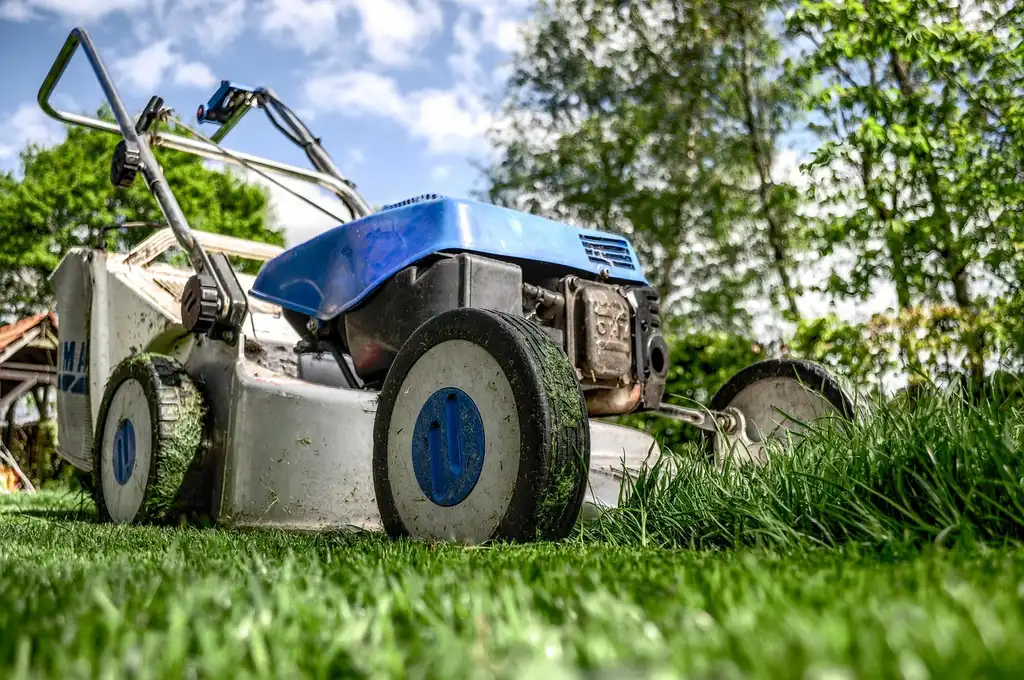
Spring yard cleanup handles the material that blocks growth and hides problems. It is not the same as weekly lawn maintenance. Cleanup is usually front-loaded in the season, while mowing, fertilization, and weed control happen on a cadence that depends on turf type and weather.
Leaf and debris removal
Leaves, twigs, broken branches, and winter trash should come off first. That work helps beds dry out, lets new shoots emerge, and makes it easier to spot damaged turf. Many companies bundle cleanup with final touch-ups so the property is left ready for the next step. Typical spring cleanup pricing can vary widely by acreage, access, and whether hauling is included, so request a site-based estimate rather than a flat quote.
Weed and dead plant removal
Dead annuals, last year’s stems, and winter weeds belong in the cleanup stage. Remove them before planting so they do not compete for water and light. If weeds already have mature roots, a pro may be the better call because pulling them by hand can leave pieces behind in crowded beds.
Trimming, pruning, and final touch-ups
Pruning and trimming are usually best before heavy new growth starts. That includes dead limb removal, light shaping, canopy raising where clearance is needed, and final cleanup after the cuttings are hauled away. Over-pruning can remove flower buds or expose plants to stress, so large shrubs and trees are better left to a pro. Extension guidance generally advises pruning spring-flowering shrubs after bloom and limiting major cuts until the plant’s growth pattern is clear. Penn State Extension pruning shrubs and hedges
A common first-timer mistake is to cut back every brown stem in one pass. Some plants leaf out later than others, and a branch that looks dead in early spring may still be alive. When in doubt, wait for clearer growth cues or have tree and shrub work evaluated before you cut hard.
Which lawn care services come next?
Lawn care comes after cleanup and basic site checks. Mowing and maintenance, fertilization, weed control, and sod installation all depend on the turf being visible and the soil being ready. If the lawn is covered in debris or the soil is saturated, those services should wait.
Mowing and maintenance
Early mowing is part of seasonal lawn care, but it should not jump ahead of cleanup. The first cut should wait until the lawn is dry enough to avoid ruts and tearing. Routine mowing then moves into a regular spring cadence based on growth rate, not just the calendar.
Fertilization and weed control
Fertilization and weed control are common spring services, but they are not a substitute for cleanup. Apply them after the yard is clear and after any soil or drainage problems are known. If the lawn has bare or thin patches, a pro may recommend timing the treatment around recovery instead of pushing nutrients too early. Extension guidance commonly recommends soil-test-based fertility and delaying weed control until the lawn is actively growing. University of Minnesota Extension weeds in lawns
Sod installation and timing
Sod installation belongs after drainage and topsoil issues are handled. New sod fails fast on compacted ground, on slopes that shed water, or where irrigation does not cover evenly. If the area needs grading or soil replacement first, that prep should happen before the sod is ordered. Sod pricing varies regionally by grass type, freight, and prep level, so bundled install quotes are usually more useful than product-only prices.
Irrigation and drainage checks
Spring irrigation and drainage work protects everything that comes after it. A system that starts too early, sprays unevenly, or leaks can waste water and leave parts of the yard under stress. Drainage problems can do the same in reverse by leaving sections too wet for planting or foot traffic.
Spring startup and inspection
Turn-on work usually includes inspection, repairs, and adjustment. That is where broken heads, cracked lines, stuck valves, or misaligned spray patterns show up. A coverage check is important because dry pockets often appear at the edges of beds or along sidewalks first. Many irrigation providers price startup separately from repairs, and repair totals can rise quickly if valves, controllers, or multiple heads need replacement.
Water efficiency and replacement work
If a zone is overspraying pavement or skipping part of the bed, the system needs adjustment before new plantings go in. Sprinkler replacement or installation may be the right call when repeated repairs cannot keep coverage even. That is more efficient than watering around a broken pattern all season.
Standing water and grading problems
Drainage work should happen before mulch, plants, or sod in the affected area. Standing water prevention protects roots, reduces mosquito breeding spots, and helps keep soil structure from collapsing. If the fix requires regrading, that should be scheduled ahead of any new yard design work in the same zone. Drainage projects are often the highest-cost spring item because they can involve excavation, grading, or underground piping rather than surface cleanup alone.
Do soil and beds need prep before planting?
Yes. Soil and beds should be checked before planting starts so new plants, sod, and seed are not set into poor conditions. Topsoil condition, pH, drainage, and bed layout all affect whether spring planting takes hold or struggles from the start.
Topsoil condition and pH checks
Look at topsoil condition before you add plants or fertilizer. Thin, crusted, or compacted soil may need amendment or replacement. A pH check is useful when the yard has repeated plant failure or when new plant material will be more sensitive to soil chemistry. Many soil-test recommendations from extension services are free or low-cost compared with the cost of replacing failed plantings.
Mulch refresh and bed preparation
Mulch refresh belongs after cleanup and before planting only when the bed itself is ready. Mulch helps beds look neat and retain moisture, but it should not hide debris, drainage issues, or dead roots. Bed preparation may include loosening soil, removing weeds, and making room for new plants. Mulch quantities, delivery fees, and spread labor can all change the final price, especially on larger yards.
Yard design and plant selection
Yard design is the planning layer that keeps the spring schedule from turning into guesswork. It covers plant selection, native plants, bed layout, hardscape coordination, and budget and timeline planning. If the plan changes the shape of beds, adds irrigation zones, or shifts drainage paths, design should come before installation so cleanup and labor are not repeated.
For homeowners choosing between a fast cleanup path and a bigger redesign, one practical rule helps: book cleanup first if the yard is messy but functional; book design first if the space needs new beds, circulation changes, or a plant palette change that affects irrigation and drainage.
Tree, shrub, and design work

Tree and shrub work belongs in spring prep when plants are blocking light, dropping dead limbs, or crowding beds. It is also the stage where bigger design changes get sorted, because tree placement, canopy height, and bed size affect the whole yard. Stump grinding enters the plan when an old stump is in the way of planting or access.
Pruning, canopy raising, and dead limb removal
Tree trimming, pruning, canopy raising, and dead limb removal are all cleanup-plus-safety tasks. They clear walkways, open light to beds, and reduce breakage risk. Larger cuts are best handled by a pro, especially when branches are over roofs, driveways, or utility lines. This work often prices separately from basic cleanup because it requires more equipment and liability coverage.
When stump grinding enters the plan
Stump grinding is usually a removal step, not a spring polish step. Bring it in when a stump blocks planting, hardscape work, or mowing access. If the area will become a bed or lawn, the stump should be dealt with before soil prep and sod installation.
Small yards, large properties, and dry sites
For a small yard, the first booking is often cleanup plus irrigation check, because one crew can clear the space and confirm water coverage quickly. Large properties usually need a staged plan: cleanup first, then tree and drainage work, then bed and lawn installation. Drought-prone lawns need irrigation efficiency and mulch timing to be settled before fertilizer or sod goes down. If the choice is between cleanup and design, a small yard usually benefits more from cleanup-first while a complex layout benefits more from design-first.
Common mistakes to avoid
Do not mulch over debris. Do not water heavily before checking for leaks or dry zones. Do not plant into a low spot that already holds water. Those errors waste labor, hide site problems, and make spring work harder to fix later.
Frequently asked questions
How to prepare your lawn for spring
Prepare the lawn by removing debris, checking for drainage issues, and confirming the irrigation system works before you water heavily. Once the turf is clear and the soil is ready, schedule mowing, fertilization, weed control, or sod work. If the lawn has bare or soft spots, fix the cause first.
What yard services should I schedule in spring?
Book cleanup first, then irrigation inspection, pruning, drainage checks, and soil prep. After that, add mulch, planting, lawn care, or sod depending on what the yard actually needs. If the project includes a new layout or larger changes, yard design should come before installation so the timing and budget stay aligned.
What should be checked before spring planting starts?
Check soil condition, pH, drainage, sunlight, and irrigation coverage before you plant. If the ground stays wet, compacted, or uneven, new plants can struggle even if they look healthy at the nursery. Bed layout matters too, especially when trees, hardscape, or runoff patterns affect where roots will grow.
Do I need lawn care, irrigation, or cleanup first?
Cleanup usually comes first, because it reveals the turf and the problem spots. Irrigation inspection should follow before regular watering begins. Lawn care comes after that, once the site is clear and the soil is ready. If you reverse the order, you can end up treating a lawn that still needs basic site work.
How much do spring yard cleanup and prep services cost?
Costs vary by property size, debris volume, region, and whether the job includes repairs. Broad national cost guides for cleanup, pruning, irrigation startup, mulch, and drainage work generally show wide ranges rather than one fixed price. Design-only pricing can start around $900 for a basic plan and run much higher for 3D or revision-heavy packages, while full spring prep is usually quoted line by line.
What order should spring yard prep tasks be done in?
The usual order is cleanup first, then pruning and trimming, then drainage and irrigation checks, then soil prep, then planting, mulch, fertilizer, and sod or lawn work. That sequence keeps hidden problems from being covered up and helps each later task stick. If the yard has water issues, move drainage ahead of planting every time.
Spring yard prep scenarios
Use the scenario that matches the main problem. Cleanup-first is best when the yard is messy but stable, irrigation-first is best when the lawn is dry or unevenly watered, and drainage-first is best when water pools or flows the wrong way. Bundling saves money when one crew can complete related tasks in one visit.
Cleanup-first
Choose cleanup-first when leaves, dead plants, broken branches, and bed debris are the main issues. Common failure cases include mulching before the debris is removed, planting before dead roots are cleared, and skipping pruning that should have opened the bed to light. Bundling cleanup with trimming and haul-away often saves a trip charge and reduces labor overlap.
Irrigation-first
Choose irrigation-first when dry patches, broken heads, leaks, or uneven spray are the biggest risks. Typical failure cases include watering new plants with a broken zone, installing sod before coverage is verified, and assuming the system works because the controller turns on. Bundling startup, adjustment, and minor repairs is usually cheaper than calling back for separate visits.
Drainage-first
Choose drainage-first when standing water, soggy soil, or runoff toward the house is the problem. Failure cases include planting in low spots, laying mulch over wet soil, and installing sod before grading or drainage improvements. This is the scenario least likely to be saved by cheap add-ons, because the fix often requires separate labor and equipment.
How bundling saves money
Bundling saves money when services share the same setup, cleanup, or haul-away step. For example, cleanup plus pruning, or irrigation startup plus minor repair, is often more efficient than separate trips. Buying separately can make sense when drainage, grading, or design work needs its own crew or timing window.
Sources
- Clemson Extension lawn maintenance calendar
- USU Extension spring sprinkler startup checklist
- Penn State Extension pruning shrubs and hedges
- University of Minnesota Extension weeds in lawns