Landscaping Services for Front Yard Makeovers: What to Hire
Front yard landscaping services work best in this order: fix grading and drainage first, then add hardscape, plantings, irrigation, and lighting. Many sites need a few services, chosen by slope and upkeep tolerance. Skip the site-first plan, and you can end up with standing water, plant loss, higher maintenance, and redo costs. This guide compares common service mixes, what gets done first, and how to line up the plan with your budget and curb appeal goals.
This guide is part of our Landscaping services guide series.
What landscaping services are included in a front yard makeover?
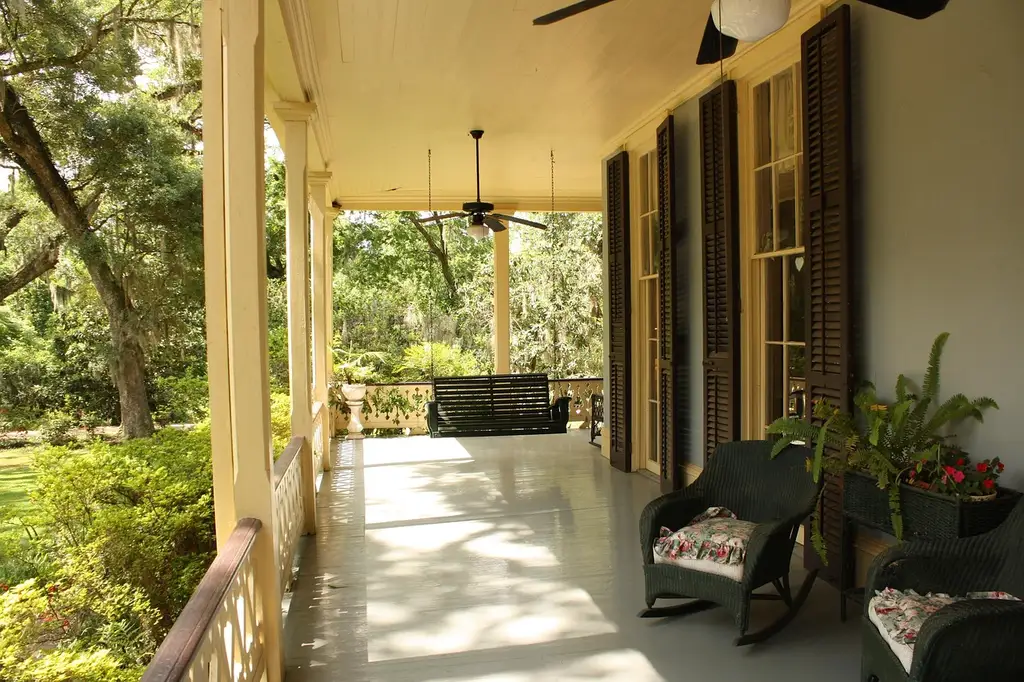
A front yard makeover usually combines entry updates, walkways, planting design, turf changes, retaining walls, lighting, grading, drainage, mulching, shrub trimming, and lawn treatment. The right mix depends on the yard’s shape, the home’s style, and how much work you want to keep doing after installation.
Core service categories for a front yard project
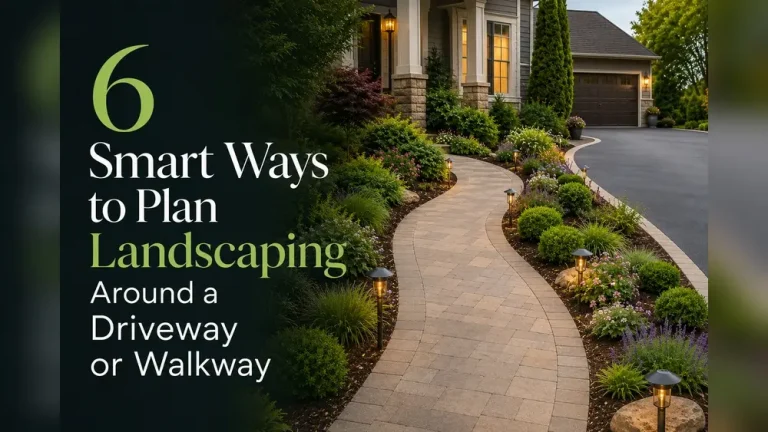
Entry updates focus on the approach to the door: walkway width, steps, an arbor or pilasters, and how the entry reads from the street. Walkways and paths may use pavers, concrete, gravel, or timber steps, with width and durability chosen for daily traffic and access needs.
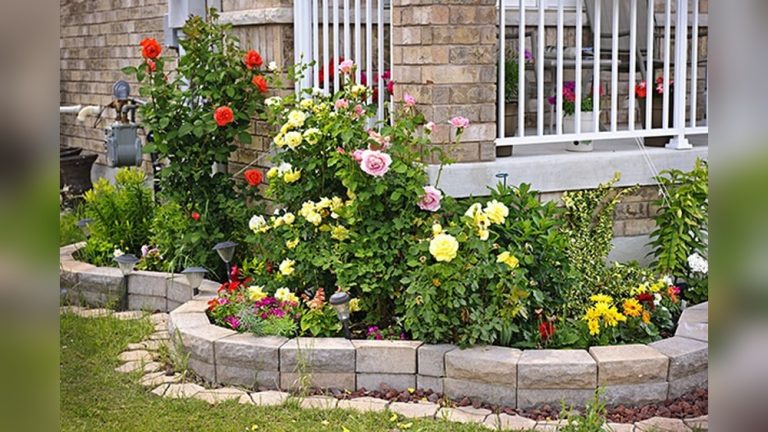
Planting design covers shrubs, ornamental grasses, ground covers, and flowers with different water needs and seasonality. Turf work may mean keeping the lawn, reducing it, or replacing it with low-water alternatives. Cleanup services often include weed removal, debris removal, bed definition, mulch refresh, and shrub trimming.
How service bundles differ by yard size and complexity
A simple front yard with level ground and one entry path may need only cleanup, re-edged beds, new mulch, a few plants, and lighting. A narrow or sloped site often may need grading, drainage work, steps, or a retaining wall before planting begins.
Larger or more complex yards usually need more coordination, more material, and more labor. LawnStarter says it offers 25+ landscaping services in one app, and it says it offers 50+ landscaping services in Westbury, NY. That range matters because a makeover is often a bundle, not one task.
What a complete makeover usually includes first
Start with site correction, then structure, then surface finishes. Drainage, grading, and any needed retaining wall come before plants that may fail in wet or eroding soil. After that, install hardscape, set beds, plant, mulch, and finish with lighting and lawn treatment.
A useful check is simple: if water, slope, or access is wrong, design choices should wait. If the site works but looks tired, cleanup and planting may be enough. A complete plan answers both problems at once.
How do you decide whether you need hardscaping, planting, or both?

Choose hardscaping when the yard needs structure, access, slope support, or a clearer path to the front door. Choose planting when the site is already functional but looks bare, dated, or overgrown. Choose both when the yard needs a fixed frame and softer visual balance.
When the site needs structure before plant selection
If the front yard has a steep grade, a muddy entry, a too-narrow walk, or a door that feels awkward to approach, hardscaping should lead. That may mean pavers, steps, a retaining wall, or a wider landing at the entry.
Suppose a front walk is very narrow and steps up to a front stoop without a landing. In that case, widening the route and adjusting the steps will do more for function than adding more shrubs ever could.
When planting can solve the main problem
If the site already drains well and the entry works, planting may fix the biggest issue. A tired front yard with thin beds, bare foundation lines, and too much open lawn can often improve with better structure in the plant layer, especially with low-water species and cleaner bed edges.
Ornamental grasses add movement. Ground covers can reduce bare soil. Lavender brings fragrance and seasonal color where sun and drainage are good enough for it.
Signs the project needs both services together
If the yard has exposed foundation, privacy gaps, and a weak arrival experience, planting alone will not solve it. If it also has runoff or slope, hardscape alone will not solve it. In those cases, use both so the front yard reads as finished and functions well.
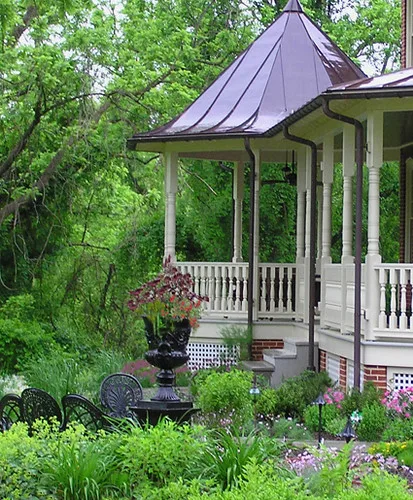
Front yard service matrix: match the problem to the fix
The best way to buy landscaping services for front yard makeovers is to match the problem first, then the service order, then the mistake to avoid. That keeps the project from turning into a pile of disconnected tasks.
| Front-yard problem | Exact services needed | Order to complete them | Common mistake to avoid |
|---|---|---|---|
| Narrow entry and awkward arrival | Walkway widening, steps, landing, arbor or pilasters, entry lighting | Measure access, set grades, build hardscape, then light and plant | Adding shrubs before fixing the path width |
| Slope, runoff, and drainage problems | Grading, drainage, retaining wall, splash control, water-tolerant planting | Assess drainage, correct slope, then install wall and planting | Placing beds where water already pools |
| Too much lawn or high upkeep | Turf reduction, low-water planting, mulch, bed definition, lawn treatment if kept | Decide keep or remove, then rework irrigation and planting | Removing turf without a replacement plan |
| Shade, privacy gaps, and tired beds | Planting design, shrub trimming, privacy screening, lighting, mulch refresh | Prune and clean up, then layer plants and finish with lighting | Choosing sun-loving plants in low light |
What front yard upgrades improve curb appeal the most?
The fastest curb appeal gains usually come from a clearer entry, a better walkway, cleaner bed edges, and lighting. Those changes affect what people see first, what they can safely use at night, and how finished the front yard feels from the street.
Entryway changes that improve the approach to the door
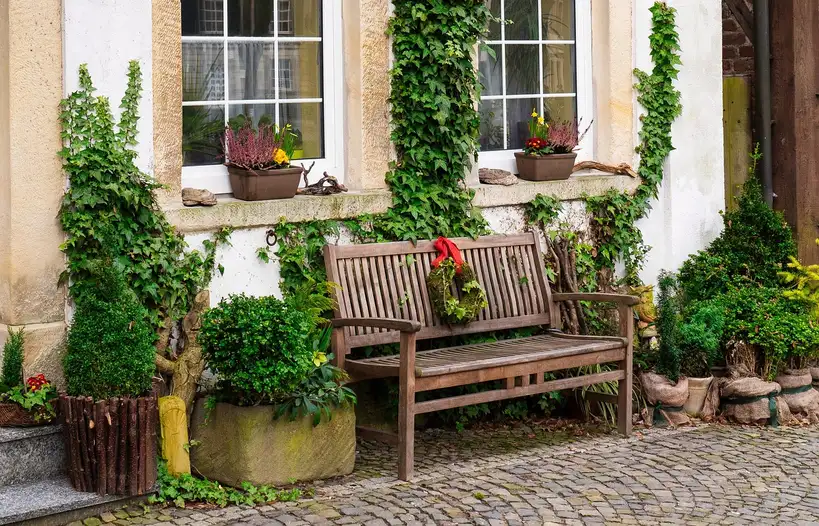
Front yard entryway work should fit the architecture. A home with formal lines may suit pilasters or a small arbor; a simpler facade may need only a widened landing and cleaner steps. Walkway width should feel comfortable for two people walking side by side whenever the site allows.
Walkway and path upgrades that improve flow
Pavers add pattern and repairability. Concrete suits long, direct routes. Gravel can work for secondary paths, but it needs edging and attention to erosion. Timber steps fit some sloped sites, though durability depends on moisture exposure and material quality.
Lighting, bed edges, and cleanup work that sharpen the look
Lighting improves entry emphasis, safety, and nighttime curb appeal. Bed cleanup does a lot too: weed removal, debris removal, crisp edges, and fresh mulch can make older plantings read as intentional again. Shrub trimming matters here as well.
Bush trimming is commonly recommended 3-4 times yearly, with spring, summer, and fall timing used to balance appearance and plant health. Flower bed weeding is described as monthly during the growing season and quarterly in winter.
How do you handle lawn, planting, and low-water alternatives?
Keep lawn where it supports the home’s use and scale, reduce it where maintenance feels heavy, and replace it where it consumes the budget without adding much value. Low-water alternatives work best when the new layout still leaves space for circulation and visible structure.
When to keep the lawn and when to reduce it
A front lawn makes sense if children, pets, or open circulation are part of the site’s function. It may also fit a larger home with broad frontage. Reduce lawn when mowing time, edging, irrigation, or patch repair keeps eating into the upkeep budget.
Replacement options for high-maintenance turf
Turf replacement can mean ground covers, ornamental grass drifts, mulched beds, or a meadow-style planting zone. Those options cut mowing and may lower water use, but they need a clear edge so the yard does not look unfinished.
Planting choices for seasonality and lower water use
Choose plants for bloom timing, foliage texture, and water demand. Lavender fits sunny, well-drained spots. Ornamental grasses hold structure into cooler months. Ground covers help knit beds together and reduce open soil, which also helps with weed pressure.
Say your front yard is a 40-foot-wide lot with a thin strip of turf, a hot south-facing edge, and two foundation beds that dry out fast. A lower-water design could keep a modest lawn strip near the entry, add gravel or paver stepping zones, and shift the rest to drought-tolerant plants and mulch.
When should drainage and grading come first?
Drainage and grading should come first when water pools near the house, soil erodes, plants keep dying, or hardscape keeps shifting. If the ground slopes the wrong way, every other improvement is working uphill against the site.
Warning signs that water management is the real issue
Look for muddy beds after rain, mulch washing away, soft spots near the foundation, or moss and algae in shaded areas. These are not just cosmetic problems. They point to water moving or collecting where it should not.
How grading affects plant survival and hardscape performance
Plants fail when roots sit in wet soil too long. Pavers and steps fail when the base moves. Grading changes where water goes, so it affects both the planting plan and the lifespan of the hardscape above it.
Where retaining walls fit into slope correction
Retaining walls support slope, define spaces, and can add privacy when the yard drops away from the street. Dry-stacked stone works in some settings for a more natural look, but the wall still has to suit the grade, soil movement, and drainage plan.
How much does a front yard makeover cost?
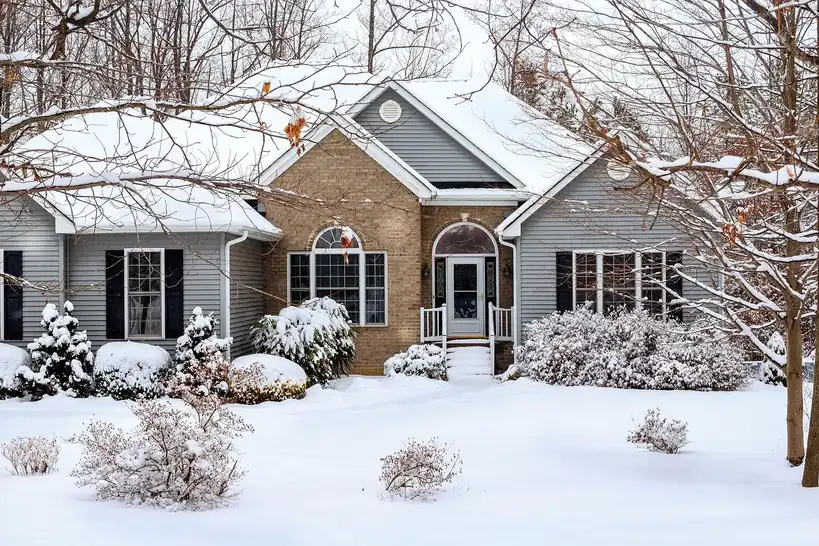
Front yard makeover cost depends on scope, access, material choice, and whether the work includes grading or drainage. Cleanup is the least expensive bucket, while full redesigns with hardscape, walls, lighting, and new planting move the budget up quickly.
Cost buckets by scope
Light cleanup and bed refresh usually cover weeds, debris, edging, and mulch. Planting-only projects add shrubs, ground covers, and seasonal color. Hardscape projects add walkways, steps, or walls. Full redesigns combine all of them and can require several trades or service visits.
| Scope | Typical service mix | What usually drives price up |
|---|---|---|
| Cleanup | Weeding, debris removal, bed edging, mulch refresh | Heavy overgrowth, debris volume, disposal time |
| Planting refresh | Shrub trimming, new plants, ground covers, seasonal color | Plant size, irrigation changes, bed prep |
| Hardscape upgrade | Walkway, steps, landing, retaining wall, lighting | Excavation, slope work, material selection |
| Full redesign | Grading, drainage, hardscape, planting, turf change, lighting | Site complexity, access limits, utility conflicts |
What changes drive price up fastest
Grade correction, drainage work, retaining walls, and tight access tend to push costs up the fastest. So do large plant counts, premium pavers, and projects that require removing and rebuilding existing features instead of layering over them.
How to compare bids on the same scope
Ask for the same scope from each landscaper: exact square footage, materials, plant sizes, number of shrubs or square feet of lawn removal, and whether cleanup and haul-away are included. LawnStarter says a price is calculated from yard size and obstacles like driveways, beds, pools, and patios, so site complexity matters.
That also helps explain why 9 out of 10 customers get service within 48 hours on LawnStarter, why it says only 2% of prices need adjustment, and why it vets just 1 in 30 pros. LawnStarter also backs visits with $2 million in property protection and says card payment is delayed for 3 full days after service.
How much to budget by project type
A small cleanup-and-refresh job may fit a modest budget because it uses labor more than material. A planting-heavy refresh falls in the middle. Hardscape and grading work usually need the largest budget because they change the site itself, not just the surface.
What should I ask a landscaper before starting a front yard makeover?
Ask about site assessment, service order, plant choices, drainage, maintenance needs, and what is included in the estimate. You want the plan to fit your slope, shade, access, and upkeep tolerance before any design details get locked in.
Questions that prevent common mistakes
- What problem are you solving first: drainage, slope, access, or appearance?
- Will the estimate include grading, haul-away, edging, mulch, and cleanup?
- How wide will the walkway be after the work is done?
- Which plants fit my sun, shade, and water conditions?
- If lawn is removed, what replaces it and how is the edge finished?
- How often will shrubs need trimming, and what is the seasonal schedule?
Booking details that matter
Ask who handles permits if the wall, steps, or grading crosses a local threshold. Ask whether the crew will correct drainage before planting. Ask for the maintenance load in plain terms: mowing, trimming, weeding, and mulch refresh should be listed separately, not hidden inside a vague package name.
How long does a front yard makeover usually take?
Timing depends on scope, weather, and whether drainage or hardscape comes first. Cleanup may take a day. Planting and mulch can take another day or two. A full front yard redesign with grading, walls, and paths often takes longer because each phase depends on the one before it.
Practical sequence from first to last
- Assess slope, drainage, shade, access, and maintenance goals.
- Complete grading and drainage corrections.
- Build retaining walls, steps, walkways, and entry features.
- Install planting beds, shrubs, ground covers, and turf changes.
- Refresh mulch, edge beds, add lighting, and finish cleanup.
What makes a small yard look larger?
Use fewer materials, cleaner lines, and a wider-looking entry sequence. A narrow yard can feel larger when the walkway is clear, beds are crisp, plant heights step down near the house, and lighting draws the eye forward instead of cluttering the view.
A common first-timer mistake is packing too many small plants into a tight front bed. That makes the yard feel busier, not larger. Fewer, well-placed plants usually read as more open and more intentional.
Frequently asked questions
What landscaping services are included in a front yard makeover?
Most front yard makeovers combine cleanup, bed definition, mulching, planting, walkway work, lighting, lawn treatment, and sometimes grading or drainage. The exact mix should match slope, shade, access, and how much maintenance you want after installation.
How much does a front yard landscaping makeover cost?
Cost depends on whether the job is cleanup, planting, hardscape, or a full redesign. Cleanup costs less. Drainage, grading, retaining walls, and custom walkways push budgets up fastest because they change the site and require more labor and material.
Do I need hardscaping, planting, or both for a front yard makeover?
If the yard has access, slope, or drainage problems, start with hardscaping. If the site functions well but looks tired, planting may be enough. Many front yards need both because structure handles the layout and planting softens the result.
How do I know if my front yard needs grading or drainage work first?
If water pools, mulch washes away, soil erodes, or plants keep failing in the same spots, drainage and grading should come first. Fixing those issues protects plant roots, hardscape base layers, and the long-term finish of the project.
How do I choose between a low-maintenance front yard and a lawn-heavy design?
Choose lawn-heavy designs when you need open use space, want a traditional look, or can support regular mowing and watering. Choose low-maintenance designs when upkeep time is limited, water use matters, or the lot is too small for lawn to do much work.
What should I ask a landscaper before starting a front yard makeover?
Ask what gets done first, how drainage will be handled, what the walkway width will be, how much maintenance the new design needs, and whether cleanup, hauling, and mulch are included. Clear scope keeps the estimate comparable across bids.