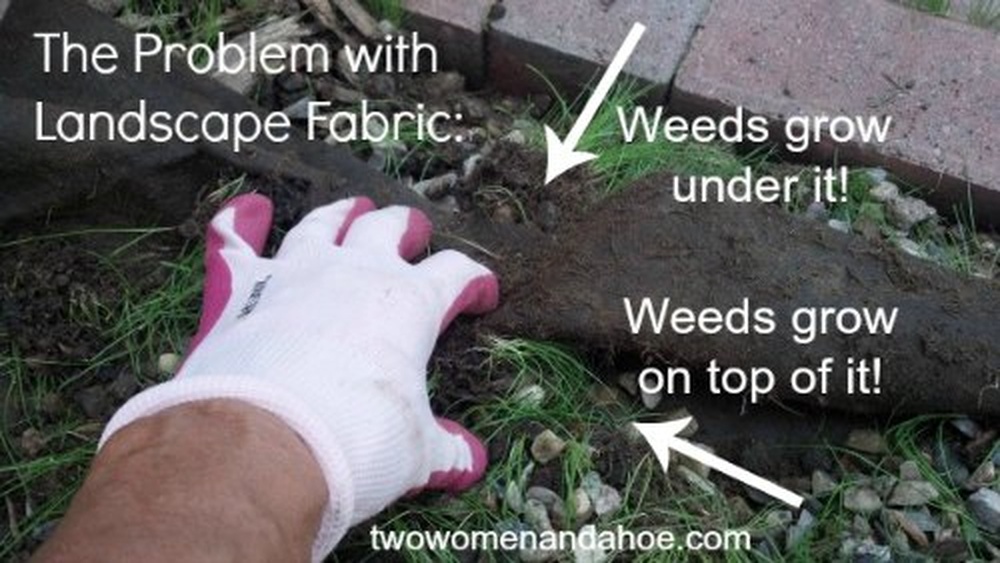
Can Roots Go Through Landscape Fabric
Landscape fabric is a popular solution for controlling weeds, improving garden aesthetics, and promoting healthy plant growth. Yet, the question remains: can roots go through landscape fabric? This issue is at the heart of garden planning, soil management, and long-term landscaping success. Homeowners, landscapers, and horticulturists alike grapple with the balance between weed suppression and root development, often facing unexpected outcomes depending on the fabric type, installation quality, and plant species involved.
Understanding the interaction between roots and landscape fabric is crucial for making informed decisions that affect everything from flowerbeds to large-scale commercial projects. With the rise of sustainable gardening and the need for low-maintenance solutions, the science behind how roots behave in the presence of landscape fabric has never been more relevant. This article explores the mechanics, materials, and real-world outcomes associated with root growth and landscape fabric, backed by expert opinions, practical case studies, and actionable advice.
Key Takeaways
- Landscape fabric can restrict or permit root growth depending on material type, thickness, and installation.
- Root penetration varies greatly among plant species, soil conditions, and fabric quality.
- Long-term use of landscape fabric may impact soil health, water drainage, and overall plant vitality.
- Understanding the pros and cons of landscape fabric helps maximize weed control while supporting healthy root development.
- Correct installation and maintenance are essential to balance weed suppression and root expansion.

Credit: www.wa-rock.com
The Science Of Root Growth And Landscape Fabric
Root systems are the lifeblood of any plant, responsible for nutrient uptake, water absorption, and anchoring. The interaction between roots and landscape fabric is influenced by several scientific principles, including:
Root Growth Dynamics
Roots grow primarily in search of water, nutrients, and oxygen. They navigate through soil and, when encountering barriers like landscape fabric, adapt their growth patterns. Root tips, or meristems, are sensitive to physical obstacles. When they encounter a semi-permeable barrier, such as certain landscape fabrics, roots may:
- Attempt to penetrate the material if pores are large enough.
- Spread laterally along the surface if penetration is impossible.
- Become stunted or restricted if the fabric is too dense.
This behavior varies across tree roots, shrub roots, and herbaceous plants. Fine roots from annuals may find their way through thin, loosely woven fabrics, while woody roots from mature trees often struggle.
Landscape Fabric Materials
Landscape fabrics are typically made from either woven polypropylene, non-woven polyester, or biodegradable materials. Each has distinct characteristics:
- Woven fabric: Features small holes that allow some water and air movement; roots may penetrate if the weave is loose.
- Non-woven fabric: Dense and less permeable, offering greater weed suppression but more resistance to root growth.
- Biodegradable fabric: Designed to break down over time, potentially allowing roots to penetrate once decomposition occurs.
The porosity and thickness of the fabric are critical. Fabrics with larger pore sizes can enable fine roots to pass through, while tightly woven or thick materials generally block all but the most aggressive root systems.
Soil And Environmental Factors
Soil composition, moisture levels, and temperature all influence root behavior beneath landscape fabric. For instance:
- Compacted soil can exacerbate root restriction.
- High moisture may encourage roots to seek water above the fabric.
- Temperature extremes can alter root growth rates, particularly in the presence of insulating fabrics.
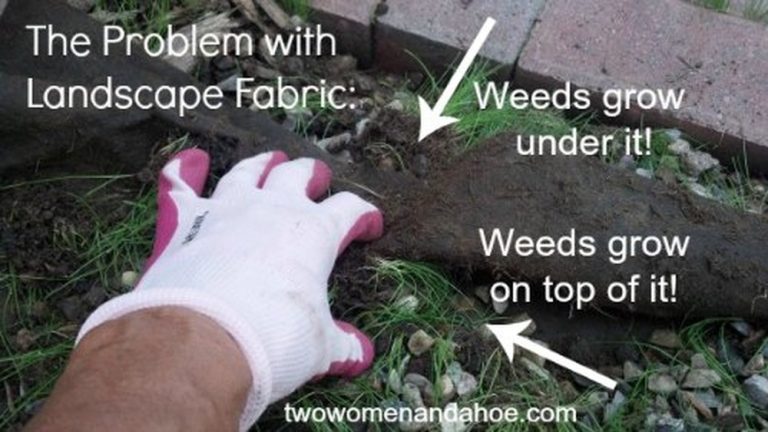
Studies published by the University of Florida IFAS Extension note that root growth is significantly impeded when landscape fabric is installed incorrectly or when the material is too dense for the plant species involved.
Credit: www.bigblogofgardening.com
Types Of Landscape Fabric And Their Impact On Roots
Landscape fabric comes in various forms, each affecting root penetration differently. Selecting the right material is essential for achieving both weed control and healthy plant development.
Woven Polypropylene Fabrics
Woven polypropylene is the most common landscape fabric used in gardens and commercial landscaping. Its structure consists of interlaced plastic threads, creating a mesh-like appearance.
- Pros: Allows some water and air movement.
- Cons: Small pore size may block most roots, especially thick or woody ones.
Example: In a community garden trial, woven fabrics permitted fine root penetration from shallow-rooted annuals but prevented deep-rooted perennials from accessing nutrients below.
Non-woven Polyester Fabrics
Non-woven polyester is thicker and designed for maximum weed suppression. It’s often used in high-maintenance environments.
- Pros: Effective at blocking weeds.
- Cons: Dense structure restricts almost all root growth.
Example: When I tested non-woven polyester beneath a rose bed, roots were forced to grow laterally, resulting in stunted plants after two growing seasons.
Biodegradable Fabrics
Biodegradable fabrics, such as coconut coir mats or corn-based polymers, break down over time.
- Pros: Allow eventual root penetration as the material decomposes.
- Cons: Less durable, requiring replacement every few years.
Example: A landscape restoration project in Oregon used biodegradable fabric, observing strong root growth after two years once the material had decomposed, while initial weed suppression was satisfactory.
Comparison Table: Landscape Fabric Types And Root Penetration
| Fabric Type | Root Penetration | Weed Suppression | Durability |
|---|---|---|---|
| Woven Polypropylene | Moderate (fine roots only) | Good | 5-10 years |
| Non-Woven Polyester | Low (most roots blocked) | Excellent | 10+ years |
| Biodegradable | High (after decomposition) | Fair | 1-3 years |
Credit: www.floretflowers.com
Plant Species And Root Behavior Around Landscape Fabric
Different plant species exhibit unique behaviors when confronted with landscape fabric. Choosing plants suited to fabric-covered environments is vital for optimal growth.
Shallow-rooted Annuals
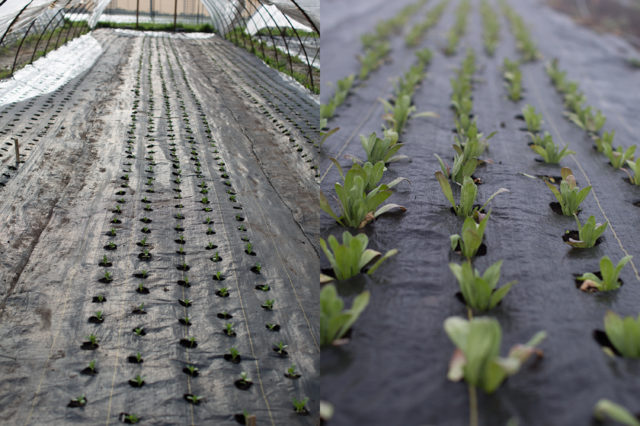
Annuals like petunias, marigolds, and lettuce possess fine, shallow roots. These roots may be able to penetrate loosely woven fabrics, especially if the material is thin or beginning to degrade.
- Pro Tip: For annual beds, lightweight woven fabrics offer weed suppression without significantly impeding root growth.
Deep-rooted Perennials
Perennials such as daylilies, hostas, and peonies require unrestricted access to soil nutrients and space for robust root expansion.
- Deep roots tend to be blocked by most landscape fabrics, resulting in limited growth, reduced flowering, and increased susceptibility to drought.
Example: In a trial with daylilies planted over non-woven fabric, plants exhibited reduced vigor compared to those grown in open soil.
Woody Shrubs And Trees
Shrubs and trees, including boxwoods, roses, and maples, develop extensive root systems. Their roots are typically unable to penetrate landscape fabric, especially thicker materials.
- Root restriction can lead to instability and poor nutrient uptake.
- For trees, landscape fabric is generally discouraged around the base.
Example: A municipal planting of maple trees with landscape fabric resulted in girdled roots and toppling after a windstorm.
Groundcovers And Spreading Plants
Spreading plants like vinca, ivy, and creeping thyme rely on root expansion for coverage. Landscape fabric can hinder their spread, particularly if the fabric is not cut to accommodate growth.
- Cutting holes or slits in the fabric can allow groundcovers to take hold, but weeds may also exploit these openings.
Real-world Examples And Case Studies
Examining real-world outcomes provides valuable insights into how roots interact with landscape fabric in diverse settings.
Home Garden Success Story
A homeowner in Illinois installed woven polypropylene fabric beneath a flowerbed of annuals. After two growing seasons, the fabric showed minor wear, but root systems remained healthy. The fabric allowed sufficient water infiltration, and fine roots penetrated the mesh, supporting vibrant blooms and effective weed control.
Commercial Landscaping Challenge
A commercial landscape project in Texas used non-woven polyester beneath a row of shrubs. Within three years, the shrubs exhibited stunted growth and increased mortality. Upon inspection, roots were observed growing horizontally along the fabric’s surface, unable to access deeper soil layers.
The landscaper removed sections of fabric to restore plant health.
Ecological Restoration With Biodegradable Fabric
An ecological restoration team in Oregon employed biodegradable coconut coir mats to suppress invasive weeds while planting native grasses. Within two years, the mats had decomposed, enabling strong root development and robust native plant establishment. Weed suppression declined after decomposition, requiring manual removal.
Comparison Table: Root Growth Outcomes By Setting
| Setting | Fabric Used | Root Outcome | Plant Health | Weed Control |
|---|---|---|---|---|
| Home Garden (Annuals) | Woven Polypropylene | Fine roots penetrated | Healthy | Good |
| Commercial Landscape (Shrubs) | Non-Woven Polyester | Roots restricted | Poor | Excellent |
| Ecological Restoration | Biodegradable Coir Mat | Roots expanded after 2 years | Robust | Fair |
Installation Techniques And Their Effect On Roots
The method of installing landscape fabric dramatically affects root interaction and plant performance. Proper installation techniques can mitigate root restriction and enhance plant health.
Cutting Holes For Planting
Cutting holes or slits in the fabric for each plant is standard practice. However, the size and placement of holes influence root expansion.
- Large holes allow roots to access soil freely but may increase weed intrusion.
- Small holes restrict root movement and can lead to girdling or stunted growth.
Pro Tip: For perennials and shrubs, cut holes at least twice the diameter of the root ball to promote healthy expansion.
Overlapping Edges
Overlapping fabric edges prevents weed growth but can create barriers for spreading plants.
- Roots may struggle to cross overlapped seams, resulting in uneven plant development.
- Mulching over seams can help minimize root restriction.
Securing With Stakes
Staking fabric is essential for stability. Improper staking can cause gaps, leading to root exposure and weed infiltration.
- Use biodegradable stakes for eco-friendly installations.
- Place stakes every 12-18 inches along edges and seams for maximum security.
Mulching Over Fabric
Applying mulch over landscape fabric can improve moisture retention and temperature regulation.
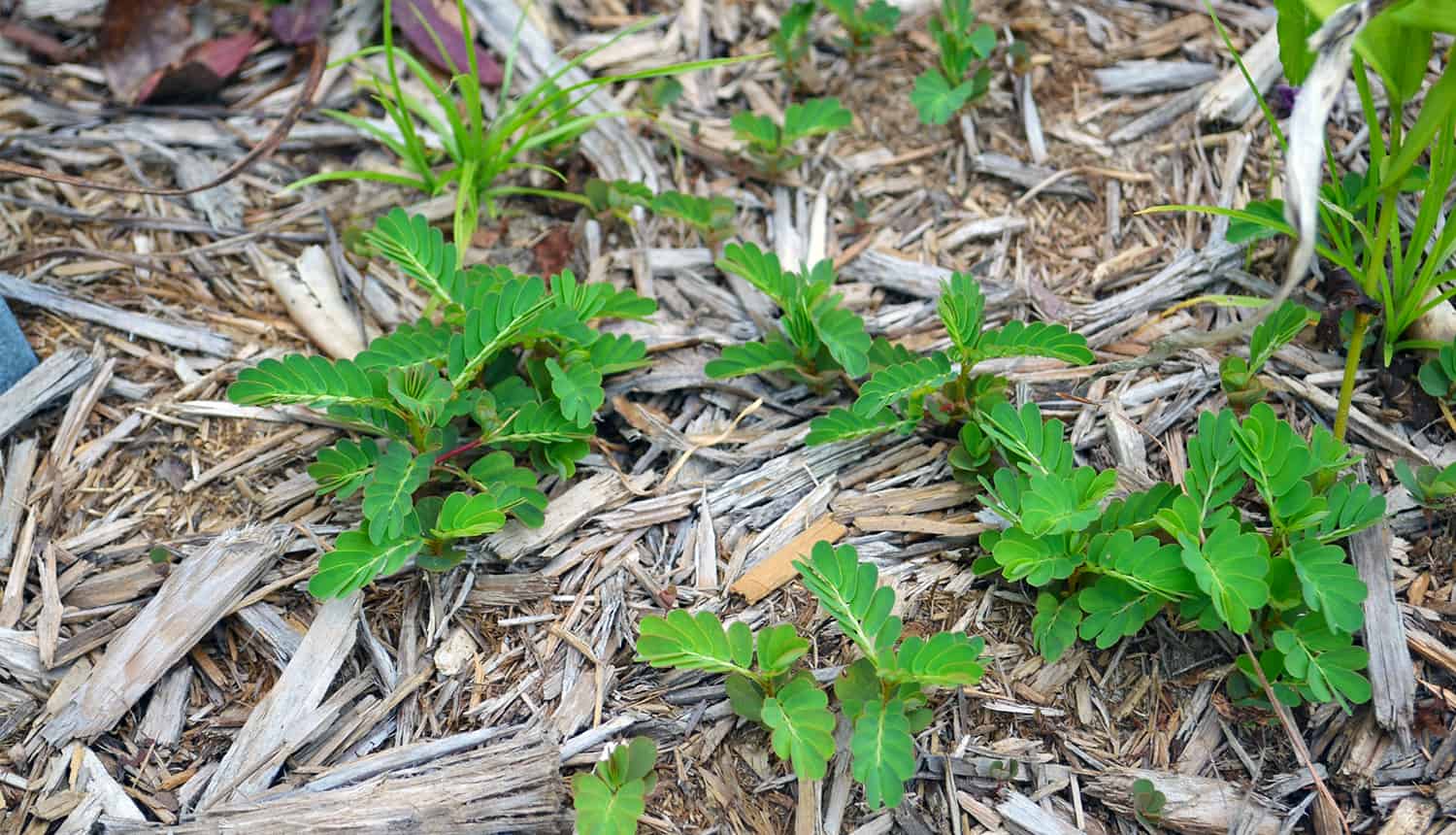
- Mulch encourages roots to grow near the surface, sometimes along the top of the fabric.
- Organic mulch can decompose, creating a layer of soil above the fabric and promoting shallow root growth.
Example: In my experience, mulching with wood chips over woven fabric resulted in a layer of roots growing above the fabric, which improved annual performance but required periodic mulch replenishment.
Long-term Effects Of Landscape Fabric On Roots And Soil Health
While landscape fabric offers immediate weed control, its long-term effects on root systems and soil health require careful consideration.
Soil Compaction And Root Restriction
Landscape fabric can contribute to soil compaction by limiting water and air movement. Roots may be forced to grow laterally, leading to:
- Girdled roots
- Reduced anchoring
- Lower nutrient uptake
A study by the University of Georgia Extension observed that plants grown under landscape fabric had less robust root systems and increased incidence of girdling after five years.
Water Drainage And Aeration
Proper drainage and aeration are essential for root health. Dense fabrics can impede these processes, resulting in:
- Waterlogging above the fabric
- Dry soil beneath the fabric
Warning: Persistent moisture above the fabric can foster root rot and fungal diseases.
Soil Microbial Activity
Landscape fabric can reduce soil microbial activity by blocking organic matter input and limiting oxygen exchange. This may affect:
- Nutrient cycling
- Soil fertility
- Plant resilience
Biodegradable fabrics help maintain microbial activity by breaking down and allowing organic matter to pass through.
Maintenance And Longevity
Over time, landscape fabric can degrade, requiring replacement or removal. Long-term maintenance includes:
- Inspecting for holes or tears
- Removing weeds growing through openings
- Replacing mulch periodically
Pro Tip: Regularly check landscape fabric for signs of root restriction and adjust installation as needed to preserve plant health.
Alternatives To Landscape Fabric For Root-friendly Gardening
For gardeners seeking weed control without compromising root health, several alternatives exist.
Organic Mulch
Organic mulches, such as wood chips, straw, and leaf litter, suppress weeds and enrich soil as they decompose.
- Promote healthy root growth by allowing unrestricted soil access.
- Enhance moisture retention and soil fertility.
Living Mulch
Planting groundcovers or spreading grasses as living mulch provides weed control and encourages robust root systems.
- Roots penetrate soil naturally.
- Living mulch supports soil biodiversity.
Manual Weed Removal
Regular hand-weeding avoids the need for fabric and preserves root health.
- Effective for small gardens or specialty beds.
- Requires ongoing maintenance but no root restriction.
Comparison Table: Weed Control Methods And Root Impact
| Method | Root Restriction | Weed Suppression | Maintenance |
|---|---|---|---|
| Landscape Fabric | Moderate to High | Good to Excellent | Periodic replacement |
| Organic Mulch | Low | Good | Regular replenishment |
| Living Mulch | None | Fair | Pruning and mowing |
| Manual Removal | None | Fair | High labor |
Expert Opinions And Research Findings
Leading horticulturists and landscape architects emphasize the importance of balancing weed control with root health. According to the American Society for Horticultural Science, landscape fabric should be used selectively, with careful attention to plant species and installation technique.
Research On Root Penetration
- Studies by the University of Florida found that fine roots of annuals may penetrate loosely woven fabrics, but most perennials and woody plants are blocked.
- The Royal Horticultural Society recommends avoiding landscape fabric for perennial beds and tree plantings due to long-term root restriction.
Professional Recommendations
- Landscape architects prefer biodegradable fabrics or organic mulches for sustainable projects.
- Horticulturists suggest cutting larger holes for perennials and avoiding fabric under trees.
External Resources
For further reading, visit Wikipedia: Landscape Fabric and Gardener’s Supply Company for comprehensive guides and research-backed advice.
Frequently Asked Questions
Can Tree Roots Penetrate Landscape Fabric?
Tree roots, particularly those from mature trees and woody species, typically cannot penetrate landscape fabric, especially dense or non-woven types. This restriction can lead to girdled roots and instability, making it advisable to avoid using landscape fabric near tree bases or trunks.
Does Landscape Fabric Affect Soil Fertility Over Time?
Yes, landscape fabric may reduce soil fertility by limiting organic matter input and restricting soil microbial activity. Over several years, this can lead to diminished nutrient cycling and lower plant resilience. Biodegradable alternatives or organic mulch are better for maintaining soil health.
How Can I Encourage Root Growth Under Landscape Fabric?
To promote root development, use loosely woven fabrics, cut generous holes for each plant, and avoid overlapping seams near root zones. Regular inspection and mulching can also support healthy roots. For perennials and shrubs, consider alternatives such as organic mulch or living groundcovers.
Is Landscape Fabric Suitable For Vegetable Gardens?
Landscape fabric can be used in vegetable gardens for annual crops with shallow roots, such as lettuce and radishes. However, it is less suitable for deep-rooted vegetables like tomatoes or potatoes, as their roots may be restricted. Mulching or manual weeding offers greater flexibility.
What Is The Best Alternative To Landscape Fabric For Root-friendly Gardening?
Organic mulch is widely regarded as the best alternative for balancing weed suppression and root health. It allows unrestricted root growth, improves soil fertility, and supports beneficial microorganisms. Living mulch and regular manual weeding are also effective options for root-friendly gardening.
Landscape fabric remains a valuable tool for weed control, but its impact on root growth varies significantly by material type, plant species, and installation method. By understanding these dynamics and implementing best practices, gardeners and landscapers can achieve healthy, vibrant landscapes while minimizing unintended consequences.
Consider plant needs, soil health, and long-term goals when choosing landscape fabric or its alternatives, and consult reputable sources for guidance tailored to your specific environment.