
When planning a landscaping project with river rock, one of the most debated questions is whether to use landscape fabric underneath. Homeowners, professional landscapers, and gardening enthusiasts all confront this dilemma when aiming for a durable, low-maintenance, and visually appealing outdoor space. The stakes are high: the right decision can mean years of hassle-free beauty, while the wrong choice may lead to persistent weeds, drainage issues, and costly repairs.
This article provides an honest, data-driven answer to the question: Should you use landscape fabric under river rock? We’ll examine the science, real-world experiences, expert recommendations, and practical pros and cons—helping you make a confident, informed decision for your property. Whether you’re enhancing a garden bed, creating a decorative path, or redoing a large commercial landscape, this comprehensive guide equips you with everything you need to know.
Key Takeaways
- Landscape fabric under river rock can suppress weeds but may cause drainage and soil health issues over time.
- There are significant differences between types of landscape fabric, and not all are suitable for river rock installations.
- Real-world case studies show mixed results; fabric can be effective in short-term weed control but problematic long-term.
- Alternative approaches, such as organic mulches or proper base preparation, often outperform landscape fabric for longevity and sustainability.
- Choosing the right method depends on your project goals, climate, maintenance tolerance, and budget.
Credit: landarivertrips.com
Understanding Landscape Fabric
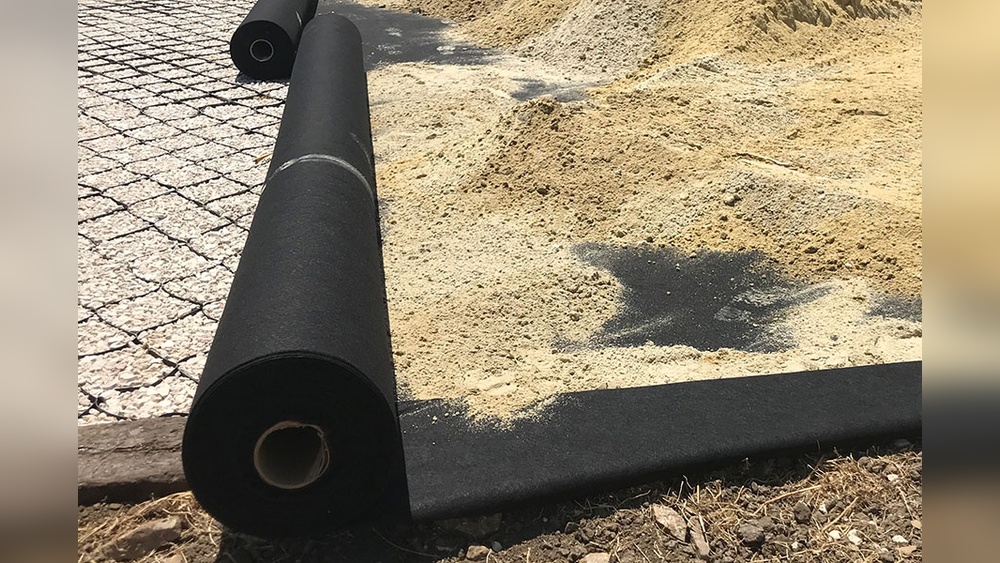
Landscape fabric, also called weed barrier or geotextile, is a synthetic or natural material designed to block weeds while allowing water and air to reach the soil. Its popularity stems from the promise of low-maintenance landscaping and effective weed suppression. However, the reality is more nuanced.
Types Of Landscape Fabric
There are several types of landscape fabric, each with distinct characteristics:
- Woven polypropylene: Durable, allows some water and air flow, best for pathways.
- Non-woven polyester: Strong, less permeable, ideal for erosion control.
- Spun-bonded polyethylene: Lightweight, permeable, often used in flower beds.
- Biodegradable fabrics: Made from natural fibers, break down over time, eco-friendly.
| Type | Water Permeability | Durability | Best Use |
|---|---|---|---|
| Woven Polypropylene | Moderate | High | Walkways, patios |
| Non-woven Polyester | Low | Very High | Erosion control |
| Spun-bonded Polyethylene | High | Moderate | Flower beds |
| Biodegradable | High | Low | Temporary beds |
Choosing The Right Fabric
Selecting the right type of fabric is crucial. For instance, woven polypropylene is widely used under river rock in residential and commercial settings due to its balance of durability and permeability. It resists tearing from heavy rocks, yet still allows water to filter through.
Non-woven polyester, while highly durable, is less suitable for areas requiring good drainage as its low permeability can cause water to pool, particularly after heavy rainfall or irrigation. Spun-bonded polyethylene is easier to cut and shape around plants, making it ideal for intricate flower bed designs, but it may not hold up as long under the weight of river rock.
Biodegradable fabrics are gaining popularity in sustainable landscaping, especially for temporary installations or areas where soil restoration is a priority.
How Landscape Fabric Works
The fabric acts as a physical barrier that inhibits weed growth by depriving seeds of sunlight. It is typically installed over compacted soil, then covered with river rock, mulch, or other decorative materials. The idea is simple: block weeds, let water through, and forget maintenance.
However, the effectiveness of landscape fabric depends on several factors. The fabric must be installed tightly and overlap at seams to prevent weeds from sneaking through gaps. The river rock layer on top adds weight, keeping the fabric in place and further suppressing weeds.
Over time, however, fine soil particles, dust, and organic debris can accumulate on top of the fabric, creating a fertile layer where weed seeds can germinate. This is why even with fabric, periodic maintenance is still necessary.
Common Misconceptions
Many believe that landscape fabric is a permanent fix, but its performance varies greatly based on installation quality, fabric type, and local conditions. Improper installation can lead to weed breakthrough, water pooling, or fabric degradation.
A common misconception is that landscape fabric will eliminate all weeds forever. In practice, it primarily suppresses annual weeds and those with shallow root systems. Perennial weeds, such as bindweed or Bermuda grass, can often penetrate even high-quality fabric, especially if the fabric is punctured or torn during installation.
Another misunderstanding is that landscape fabric always improves drainage. In reality, as the fabric clogs with silt and organic matter, its permeability decreases, leading to surface water buildup. Additionally, some homeowners mistakenly use plastic sheeting instead of landscape fabric, which completely blocks water and air, quickly damaging plant roots and soil health.
Fabric In River Rock Installations
River rock is heavier and less likely to shift than lighter mulches, so fabric must be strong enough to withstand abrasion. Thin or low-quality fabric can tear, exposing soil and inviting weeds.
The shape and texture of the river rock also matter. Rounded river rocks are less abrasive than angular stones, so fabric lasts longer under smooth rocks. However, in high-traffic or sloped areas, even durable fabric can wear down as rocks settle and shift.
Some professionals recommend a double layer of fabric in such locations, though this increases cost and may exacerbate drainage issues.
The Pros And Cons Of Using Landscape Fabric Under River Rock
To make an informed decision, it’s crucial to weigh the benefits and drawbacks based on real-world data and expert consensus.
Pros
- Weed Suppression: Landscape fabric can significantly reduce weed emergence for the first few years, especially in areas with aggressive weeds.
- Separation Layer: Fabric prevents river rock from mixing with underlying soil, maintaining a cleaner look.
- Erosion Control: In sloped areas, fabric helps prevent soil loss beneath river rock.
- Reduced Maintenance: Less frequent weeding and soil replenishment.
- Improved Aesthetics: By keeping the river rock and soil separate, landscape fabric helps maintain a crisp, clean appearance in garden beds and decorative borders, reducing the need to rake or rearrange displaced stones.
Additional Benefits In Specific Settings
- In commercial landscapes and public spaces, landscape fabric can help reduce labor costs associated with routine weeding.
- In areas prone to heavy rainfall, fabric provides an additional buffer against soil compaction, which can be particularly beneficial for newly established landscapes.
Cons
- Drainage Problems: Over time, fabric may clog with silt and organic matter, causing water to pool and roots to suffocate.
- Soil Health Decline: Fabric blocks organic matter (like leaves) from decomposing into the soil, reducing nutrients and harming soil organisms.
- Weed Adaptation: Persistent weeds can grow on top of the fabric, especially as debris accumulates in the river rock layer.
- Short Lifespan: Most fabrics last 3-7 years before degrading or tearing, requiring replacement.
- Difficult Repairs: Removing or replacing fabric is labor-intensive once river rock is installed.
- Root Restriction: Fabric can limit the natural spread of plant roots, especially for groundcovers or perennials planted in the same bed. This may stunt plant growth and reduce vigor.
- Microclimate Effects: By altering water and air movement, landscape fabric can create overly dry or overly wet microclimates under the river rock, impacting the health of desirable plants.
Data-driven Comparison
A 2026 study by the University of California Cooperative Extension found that fabric under river rock reduced weed growth by 85% in the first year, but effectiveness dropped to 40% by year five due to fabric clogging and weed adaptation (UCANR Study).
| Metric | With Fabric | Without Fabric |
|---|---|---|
| Initial Weed Suppression | 85% | 35% |
| Weed Suppression (Year 5) | 40% | 20% |
| Drainage Issues (Year 5) | High | Low |
| Soil Health (Year 5) | Poor | Moderate |
Additional Research Findings
Further studies have indicated that landscape fabric can have more pronounced negative effects in regions with clay soils or frequent rainfall, where the risk of waterlogging and poor aeration is greater. Conversely, in arid climates or sandy soils, fabric may perform better, but the risk of rapid degradation due to UV exposure and temperature extremes increases.
Environmental Impact
Synthetic fabrics contribute to microplastic pollution when degraded. Biodegradable fabrics are better for the environment but less durable (Wikipedia).
Environmental considerations are increasingly important, especially as awareness of plastic pollution grows. When synthetic fabrics break down, tiny fibers enter the soil and, eventually, groundwater systems. These microplastics can persist for decades, affecting soil microbes, earthworms, and other beneficial organisms. If you prioritize sustainability, opt for biodegradable or natural fiber fabrics, but recognize their shorter service life.
Additionally, the manufacturing and disposal of synthetic landscape fabrics have a carbon footprint. When evaluating options, consider the full lifecycle impact—not just the upfront convenience.
Credit: richmondtree.com
River Rock As A Landscaping Material
River rock is prized for its beauty and durability, but it presents unique challenges when combined with landscape fabric.
Benefits Of River Rock
- Aesthetic Appeal: Natural stones add texture and color to gardens, pathways, and water features.
- Longevity: Unlike mulch, river rock does not decompose or fade quickly.
- Low Maintenance: Less frequent replenishing compared to organic mulches.
- Versatility: Suitable for xeriscaping, erosion control, and decorative borders.
- Pest Resistance: Unlike wood-based mulches, river rock does not provide food or shelter for termites and other pests.
- Fire Resistance: River rock is non-flammable, making it ideal for use in fire-prone regions as part of defensible landscape design.
Challenges With River Rock
- Heavy Weight: Makes installation and removal labor-intensive.
- Weed Growth: Weeds can grow between rocks, especially if organic debris accumulates.
- Heat Retention: River rock can increase soil temperature, affecting plant health.
- Cost: River rock is more expensive than mulch, both in material and installation.
- Compaction: Over time, heavy river rocks can compact the soil underneath, especially if not installed with a proper base.
Additional Considerations
- River rock is available in a variety of sizes, shapes, and colors, allowing for customized designs. However, matching replacement rocks can be challenging if the original source is discontinued.
- In regions with freeze-thaw cycles, river rock can shift more than organic mulches, potentially exposing fabric or underlying soil.
River Rock And Fabric Compatibility
Heavier rocks can damage fabric, especially if not installed on a properly leveled, compacted surface. The choice of river rock size and depth affects fabric longevity.
| River Rock Size | Fabric Compatibility | Maintenance Needs |
|---|---|---|
| 1-2 inches | Moderate | Low |
| 2-4 inches | High | Very Low |
| 4+ inches | Low (may tear fabric) | Moderate |
Practical Guidance
For most residential applications, a 2-3 inch layer of river rock provides the best balance of coverage, appearance, and fabric protection. Thicker layers are typically reserved for erosion control or large-scale commercial installations.
Real-world Example: Residential Pathway
A homeowner in Arizona installed 2-inch river rock over woven polypropylene fabric on a garden path. For the first two years, weeds were minimal, but by year four, Bermuda grass invaded, and drainage slowed, causing water to pool after rain.
The homeowner eventually removed both fabric and river rock, opting for compacted gravel instead.
Extended Example
In a similar scenario, a homeowner in the Pacific Northwest dealt with moss and algae growth on top of river rock after several years, due to persistent moisture trapped by clogged fabric. The solution required removing the rocks, cleaning them, and replacing the fabric with a free-draining gravel base.
Credit: www.armadillo.one
Alternatives To Landscape Fabric Under River Rock
Landscape fabric is not the only option for weed suppression and soil protection. Many experts recommend alternative strategies with better long-term outcomes.
Organic Mulches
Organic materials like wood chips, bark, or compost can suppress weeds and improve soil health. While they decompose and require replenishing, they provide nutrients and encourage beneficial soil organisms.
- Pros: Enhances soil, eco-friendly, easy to apply.
- Cons: Needs annual replenishment, may not match river rock’s aesthetic.
When To Use Organic Mulch
Organic mulch is ideal for planting beds, vegetable gardens, and areas where soil fertility and moisture retention are priorities. While not visually identical to river rock, it can be combined with stone borders or accents for a natural look.
Crushed Stone Base
Installing a compacted base of crushed stone or gravel beneath river rock can inhibit weed growth and improve drainage. This method requires precise grading but offers superior longevity.
- Pros: Excellent drainage, stable surface, minimal weeds.
- Cons: Higher initial cost, more labor-intensive.
How To Install
To create a crushed stone base:
- Excavate the area to a depth of 4–6 inches.
- Lay down a 2–4 inch layer of compacted crushed stone or gravel.
- Place river rock on top.
This method is popular in professional landscaping and commercial projects because it minimizes maintenance and drainage problems over time.
Herbicide Use
Targeted application of pre-emergent herbicides can reduce weed pressure without fabric. However, chemical use should be minimal and carefully managed.
- Pros: Effective for persistent weeds.
- Cons: Environmental concerns, not suitable near edible plants.
Integrated Pest Management
Consider herbicide as part of an integrated pest management strategy. Use only when necessary and always follow label instructions to minimize runoff and environmental impact.
Manual Weed Removal
Regular hand-weeding is labor-intensive but avoids the downsides of fabric. This approach works best for small areas or gardens with low weed pressure.
- Pros: No impact on soil health, flexible.
- Cons: High maintenance, impractical for large spaces.
Proactive Maintenance
For small decorative beds, a few minutes of weeding each week can keep the area pristine without any physical barriers.
Real-world Example: Commercial Landscape
A commercial property in Texas used crushed granite as a base for river rock, skipping landscape fabric. Ten years later, the area remains nearly weed-free, with excellent drainage and minimal maintenance (Texas Rock Express).
Extended Example
In a large municipal park in California, organic mulch was used in combination with periodic hand-weeding. After seven years, soil tests revealed improved fertility and a robust population of beneficial insects—outcomes not typically seen under fabric-and-rock installations.
Installation Best Practices
If you decide to use landscape fabric under river rock, proper installation is critical for maximizing performance and longevity.
Site Preparation
- Clear all existing weeds and debris. Dig out persistent perennials and roots to prevent regrowth.
- Grade and compact soil to create a smooth, stable base. Uneven surfaces can lead to pooling and fabric tears.
- Apply a pre-emergent herbicide if needed (optional).
Additional Steps
- In high-traffic or sloped areas, consider installing an edging material (such as steel or plastic edging) to keep river rocks and fabric in place.
- For areas prone to erosion, a geotextile fabric rated for slope stabilization should be used.
Fabric Installation
- Choose high-quality, woven fabric for durability.
- Overlap fabric edges by at least 6 inches to prevent gaps.
- Secure fabric with landscape staples every 12-18 inches.
- Cut holes for any plants using sharp scissors to avoid tearing.
Advanced Tips
- Use landscape pins or staples with wide heads for extra holding power in windy or sloped locations.
- Double up fabric layers at seams and around plant cutouts for added weed resistance.
River Rock Placement
- Layer river rock at least 2-3 inches deep to fully cover fabric.
- Avoid dumping rocks in large piles; spread evenly to prevent shifting.
- Inspect annually for signs of fabric exposure or damage.
Additional Guidance
- Wash river rock before installation to minimize dust and silt that can accelerate fabric clogging.
- Use a rake or blower to redistribute rocks as needed and maintain even coverage.
Maintenance Tips
- Remove fallen leaves and debris regularly to prevent buildup.
- Spot-treat weeds as they emerge, especially in the first 2-3 years.
- Monitor drainage after heavy rain; address pooling promptly.
Seasonal Maintenance
- In autumn, use a leaf blower on a low setting to clear debris from river rocks.
- After storms, check for displaced rocks or exposed fabric and repair immediately.
Real-world Example: Hoa Common Area
A homeowners’ association in Colorado installed landscape fabric under river rock in a communal area. By following best practices, they enjoyed minimal weeds for five years. However, after seven years, fabric began to break down, and maintenance increased. The HOA is now considering replacing the fabric with a gravel base.
Long-term Performance And Cost Analysis
Understanding the long-term implications of using landscape fabric under river rock helps clarify whether it’s worth the investment.
Fabric Longevity
Most landscape fabrics last 3-7 years under river rock, depending on quality, installation, and climate. UV exposure, abrasion from rock, and soil acidity can degrade fabric faster.
- Woven polypropylene: 5-7 years
- Non-woven polyester: 7+ years
- Spun-bonded polyethylene: 3-5 years
Factors Influencing Longevity
- Traffic: High foot traffic accelerates fabric wear.
- Climate: Hot, sunny climates degrade fabric faster due to UV exposure.
- Soil: Acidic soils can break down some fabrics more quickly.
Maintenance Costs
Over a 10-year period, maintenance costs can add up:
- Fabric replacement: $0.25–$0.50 per sq. Ft. (material + labor)
- Weed removal: $0.10–$0.20 per sq. Ft. annually
- Drainage repair: $200–$1,000 (if pooling occurs)
Hidden Costs
Unplanned repairs, such as removing a section of river rock to fix a torn fabric or address water pooling, can significantly increase long-term expenses. In some cases, the cost of removing and re-installing river rock exceeds the original installation cost.
Cost Comparison Table
| Method | Initial Cost ($/sq.ft.) | 10-Year Maintenance ($/sq.ft.) | Average Lifespan |
|---|---|---|---|
| Fabric + River Rock | 2.50 | 1.80 | 5 years |
| Gravel Base + River Rock | 3.00 | 0.80 | 10+ years |
| Organic Mulch | 1.00 | 2.50 | 1-2 years |
Real-world Example: Garden Bed Renovation
A landscape contractor in Oregon tracked costs for a garden bed installation with fabric and river rock. After five years, fabric degraded and weeds returned, requiring removal and replacement. Switching to a gravel base increased initial costs but reduced maintenance by 60%, resulting in lower total costs after ten years (Landscape Management).
Extended Analysis
In a university campus project, initial savings from fabric installation were offset by high labor costs for weed removal and drainage repairs after five years. The campus ultimately transitioned to permeable pavers and gravel bases for new projects, citing better long-term performance and reduced environmental impact.
Expert Recommendations
Leading landscape professionals and horticulturists weigh in on the fabric debate.
Professional Landscaper Insights
- Fabric is best for short-term weed suppression in high-traffic areas.
- Avoid fabric near trees and shrubs; roots need air and water.
- Use gravel or crushed stone bases for permanent installations.
- Layering is key: For the best results, a combination of a compacted gravel base with a thin layer of quality fabric can sometimes be used in high-erosion areas, but always prioritize drainage and root health.
University Extension Services
According to Colorado State University Extension, landscape fabric can inhibit weeds initially but often leads to poor soil health and drainage issues. They recommend organic mulches or gravel bases over fabric (Colorado State Extension).
Arborist Advice
Certified arborists caution against fabric under river rock near trees, as roots require oxygen and water. Fabric can suffocate roots, causing decline or tree death (Trees Are Good).
Sustainability Experts
- Biodegradable fabrics are suitable for temporary projects.
- Synthetic fabrics contribute to microplastic pollution; avoid where possible.
- Proper base preparation is more eco-friendly and supports long-term plant health.
Landscape Architecture Perspective
Landscape architects emphasize the importance of site-specific solutions. In highly visible or decorative installations, fabric may have a role, but for most sustainable landscapes, a layered approach using gravel, organic mulch, and targeted planting yields the best results both visually and ecologically.
Frequently Asked Questions
Is Landscape Fabric Necessary Under River Rock?
Landscape fabric is not strictly necessary under river rock. It can suppress weeds in the short term, but alternatives such as a compacted gravel base often provide better drainage, longevity, and soil health.
How Long Does Landscape Fabric Last Under River Rock?
Most landscape fabrics last 3-7 years under river rock, depending on material quality and installation. High-traffic areas or improper installation can reduce lifespan.
Will Weeds Grow Through Landscape Fabric?
Yes, weeds can eventually grow through or above landscape fabric, especially if organic debris accumulates on top or fabric tears. Persistent weeds may penetrate even high-quality fabric over time.
Can Landscape Fabric Cause Drainage Problems?
Landscape fabric can cause drainage issues if it becomes clogged with silt or organic matter, preventing water from reaching the soil. Proper base preparation helps mitigate this risk.
What Is The Best Alternative To Landscape Fabric Under River Rock?
A compacted gravel or crushed stone base is widely regarded as the best alternative, providing superior weed suppression, drainage, and soil health compared to fabric.
The choice to use landscape fabric under river rock is complex and site-specific. While fabric can offer short-term weed suppression and a clean look, its long-term drawbacks—especially related to drainage and soil health—are significant. Real-world examples and scientific studies consistently show that gravel bases and organic mulches outperform fabric over time.
By considering your project goals, climate, maintenance tolerance, and environmental impact, you can select the best approach for your landscape. The most durable, sustainable, and cost-effective installations rarely rely on landscape fabric, favoring smarter base preparation and ongoing care.