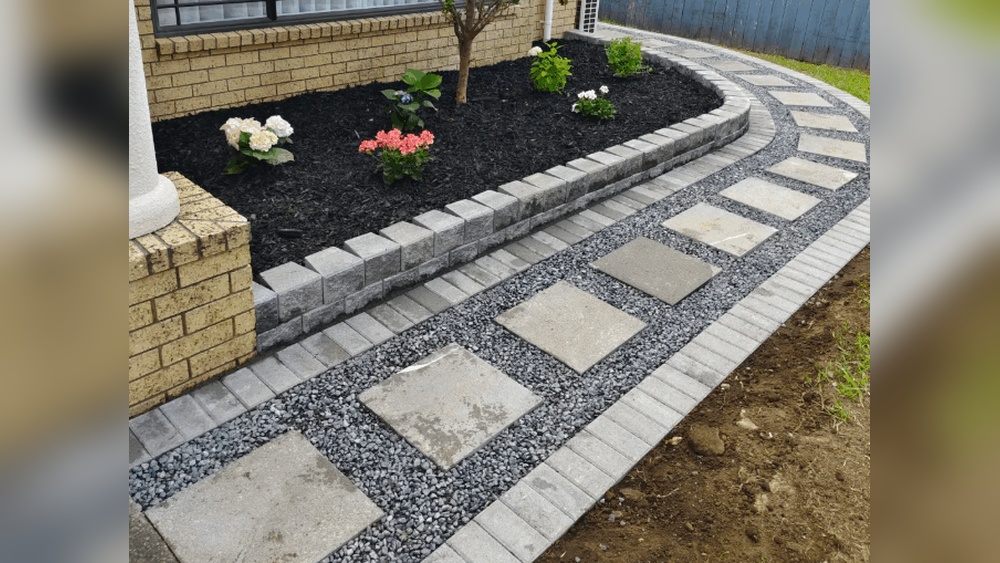
Should I Use Landscape Fabric Under Gravel? Pros & Cons
When planning a low-maintenance, weed-free outdoor space, many homeowners and landscape professionals face a pivotal question: Should I use landscape fabric under gravel? This seemingly simple decision can dramatically affect the long-term durability, cost, and aesthetics of your gravel pathways, driveways, or garden beds. With a variety of opinions and conflicting advice circulating online, making the right choice requires a clear understanding of landscape fabric’s real-world benefits and drawbacks—supported by data, expert insight, and practical case studies.
In this comprehensive guide, you’ll discover everything you need to know about using landscape fabric under gravel. We’ll analyze the main types of landscape fabric, weigh the pros and cons, compare alternatives, and share actionable best practices to ensure your gravel installation stands the test of time.
Whether you’re a DIY enthusiast or a landscaping professional, this article will empower you to make an informed, cost-effective decision that aligns with your unique needs.
Key Takeaways
- Landscape fabric can effectively suppress weeds and aid gravel stability, but it comes with maintenance and environmental considerations.
- Not all projects benefit equally—fabric is best for pathways and driveways, but may hinder plant health in garden beds.
- Installation quality and fabric type are critical for long-term success; improper use often leads to fabric failure.
- Alternatives such as geotextile grids or organic mulches may outperform landscape fabric in certain applications.
- Real-world results and research show that fabric can delay, but not entirely prevent, weed growth under gravel.
- Making the right choice requires balancing cost, maintenance, drainage, and the intended use of your gravel area.

Credit: www.wa-rock.com
Understanding Landscape Fabric: Types, Functions, And Variations
To make an informed decision, it’s crucial to understand what landscape fabric is, how it works, and the options available in today’s market.
What Is Landscape Fabric?
Landscape fabric—also known as weed barrier or weed control fabric—is a permeable textile typically made from woven or non-woven polypropylene or polyester. It’s designed to be placed under mulch, gravel, or soil to block sunlight (and thus inhibit weed germination) while allowing water and air to reach the soil below.
The permeability of landscape fabric is a key factor in its performance. High-quality fabrics allow sufficient water penetration, preventing issues such as water pooling or excessive runoff, which can cause erosion or undermine the stability of gravel layers. Lower-quality or poorly chosen fabrics may either block water too much or let weeds through, diminishing their intended effect.
Main Types Of Landscape Fabric
There are several types of landscape fabric, each with unique properties suited for different landscaping needs:
- Woven fabric: Made from tightly interwoven polypropylene or polyester fibers, offering durability and moderate permeability. Its sturdy structure makes it ideal for areas with heavy foot traffic or where gravel is likely to shift over time.
- Non-woven fabric: Often produced from bonded polyester or polypropylene; highly effective at blocking weeds but less permeable. This type is commonly used for drainage and erosion control projects, as well as locations where weed suppression is the primary goal.
- Spun-bonded fabric: Lightweight and highly permeable, best for garden beds where water penetration is crucial. It is easier to cut and shape around plants, making it a favorite in horticultural settings.
- Geotextile fabric: Heavy-duty, often used for driveways and high-traffic areas to provide stabilization. Geotextiles are engineered for structural reinforcement and typically offer the highest durability and longevity.
In addition to these, some specialized fabrics incorporate UV resistance or additional layers for added protection in exposed areas. Selecting the right fabric depends on the intended use, expected traffic, and climate conditions.
How Landscape Fabric Works Under Gravel
Placed beneath a layer of gravel, landscape fabric acts as a physical barrier. It:
- Blocks sunlight to suppress weed growth.
- Separates soil from gravel, preventing stone migration into the substrate.
- Aids drainage by allowing water to pass through while minimizing soil compaction.
The effectiveness of landscape fabric is influenced by proper installation. If the fabric is not securely anchored or if seams are not adequately overlapped, weeds and soil can penetrate these weak points. Additionally, the thickness and permeability of the fabric should match the specific gravel application—thicker, less permeable fabrics are optimal for driveways, while lighter, highly permeable fabrics suit decorative pathways.
Standard Sizes And Materials
Most landscape fabric rolls come in widths of 3 to 6 feet and lengths ranging from 50 to 300 feet. The material thickness is usually measured in mils (1 mil = 0. 001 inch), with heavier fabrics providing greater durability for driveways and paths.
| Type | Material | Best For | Typical Lifespan |
|---|---|---|---|
| Woven | Polypropylene/Polyester | Paths, Driveways | 5-10 years |
| Non-woven | Polypropylene | Drainage Projects | 3-7 years |
| Spun-bonded | Polyester | Garden Beds | 1-5 years |
| Geotextile | Polypropylene | Heavy-duty Areas | 10-20 years |
When choosing a roll, consider the width to minimize seams in larger areas and the thickness for durability. While wider rolls reduce labor and potential weak spots, thicker fabrics can better withstand gravel abrasion and pressure.
Environmental Considerations
While most landscape fabrics are synthetic, some biodegradable options made from jute or coir are available. These are suitable for temporary erosion control but are less durable under gravel.
Biodegradable fabrics are increasingly favored for eco-conscious projects. However, their shorter lifespan means they need to be replaced more frequently, which may increase maintenance and labor over time. When using synthetic fabrics, be aware that they can contribute to microplastic pollution as they break down, especially if exposed to UV light or heavy abrasion.
Pros Of Using Landscape Fabric Under Gravel
Understanding the specific advantages of landscape fabric will help you determine if it’s the right solution for your project.
Weed Suppression
One of the primary benefits of using landscape fabric under gravel is its ability to inhibit weed growth. By blocking sunlight, the fabric prevents most weeds from germinating through the gravel layer. A study by the University of California Cooperative Extension found that fabric can reduce weed emergence by up to 90% in the first year after installation (source).
The effectiveness is most pronounced immediately after installation. In the initial years, the fabric acts as a robust barrier, especially when installed with adequate gravel depth and minimal disturbance. With routine maintenance, such as removing organic debris, its weed suppression capabilities can be extended.
Improved Gravel Stability
Landscape fabric acts as a separator between soil and gravel, preventing the gravel from sinking into the soil over time. This is particularly important for high-traffic areas such as driveways and walkways, where soil migration can lead to uneven surfaces and ruts.
By maintaining a separation, the fabric ensures a consistent gravel layer, reducing the need for frequent replenishment and leveling. This stability is especially valuable in regions with freeze-thaw cycles, where soil movement can be problematic.
Enhanced Drainage
Quality landscape fabrics are permeable, allowing rainwater to drain through the gravel and into the soil below. This reduces the risk of puddling and erosion, especially on sloped paths or patios.
Proper drainage preserves the integrity of both the gravel and underlying soil, preventing waterlogging and minimizing erosion. Some advanced fabrics are engineered to handle significant rainfall and runoff, making them suitable for challenging climates.
Low Maintenance
By dramatically reducing weed pressure and keeping gravel in place, landscape fabric lowers ongoing maintenance requirements. This can save both time and money over the lifespan of your project.
For example, in commercial settings, maintenance crews report fewer hours spent weeding and topping up gravel where fabric is used. Homeowners benefit from less frequent repairs and fewer interruptions to the aesthetics of their gravel surfaces.
Longevity And Durability
Modern landscape fabrics, especially geotextile types, can last for years under gravel, with some products offering warranties of up to 20 years. This durability makes them an attractive investment for permanent installations.
The longevity of the fabric depends on the quality of the material, proper installation, and the thickness of the gravel layer above. In areas with heavy vehicle traffic, opting for industrial-grade geotextiles is recommended.
Real-world Example: Public Park Pathway
A municipal park in Portland, Oregon, installed woven geotextile fabric under a 3-inch gravel path. After five years, maintenance reports showed an 80% reduction in weed growth and minimal gravel loss compared to adjacent paths without fabric—demonstrating clear long-term benefits.
The park also reported improved accessibility, as the gravel remained evenly distributed and stable, reducing tripping hazards and ensuring safe passage for visitors of all ages.

Credit: mulchpros.com
Cons Of Using Landscape Fabric Under Gravel
While landscape fabric offers notable advantages, it also presents several drawbacks—some of which only become evident after years of use.
Weed Growth Over Time
Despite initial success, landscape fabric is not a permanent weed solution. Over time, dust, organic matter, and decomposing leaves accumulate on top of the gravel, creating a fertile layer where weeds can germinate. According to research published in the Journal of Environmental Horticulture, weed emergence on gravel paths with landscape fabric can increase significantly after 2-3 years (source).
Even with diligent maintenance, some persistent weed species can exploit small tears, exposed seams, or even root through the fabric itself. This underscores the need for routine upkeep and the importance of using high-quality, properly installed fabric.
Soil Health And Microbial Activity
Landscape fabric can restrict the natural exchange of organic matter between the gravel and the underlying soil. This barrier may reduce soil fertility, hinder earthworm activity, and disrupt beneficial soil microbes—especially problematic in garden beds or areas intended for planting.
Over time, this can lead to compacted, lifeless soil that is less able to support healthy plant growth. In garden beds, this effect is particularly pronounced, which is why many horticulturists advise against using fabric in such applications.
Drainage Problems
Not all landscape fabrics are equally permeable. Inferior or improperly installed fabrics can impede water drainage, leading to puddling, root rot, or frost heave in colder climates. Clogged fabric from silt or debris may exacerbate the issue.
Drainage concerns are most apparent in areas with heavy rainfall or poor soil drainage. If the gravel layer is too thin, fabric may become exposed, allowing it to clog more quickly and reducing its lifespan.
Cost And Labor
While landscape fabric is relatively affordable, installation adds both material and labor costs. Cutting, fitting, and staking fabric beneath gravel can be time-consuming, especially for large or irregular areas.
For DIY projects, the extra effort required to prepare the site, secure the fabric, and ensure proper coverage can be significant. Hiring professionals increases costs, though it often results in better long-term performance.
Difficulty In Future Modifications
If you wish to change the layout, add new plants, or remove gravel, the landscape fabric acts as a barrier, making alterations cumbersome. Removing or replacing fabric after several years can be particularly challenging.
This is especially true when the fabric has been buried under heavy gravel and compacted by traffic. Modifying the area may involve significant labor, disposal concerns, and additional costs.
Environmental Impact
Most landscape fabrics are petroleum-based synthetics. As they degrade, they may contribute to microplastic pollution. Biodegradable alternatives exist but are less durable under gravel.
For projects seeking LEED certification or those with strict sustainability goals, the environmental impact of synthetic fabrics should be carefully considered. Recycling options are limited, and disposal can be problematic.
Case Study: Residential Driveway Issues
A homeowner in Atlanta, Georgia, reported that after four years, their gravel driveway developed drainage issues due to clogged, non-woven landscape fabric. Water began pooling, and weed growth increased as organic debris accumulated above the fabric, illustrating the importance of fabric selection and maintenance.
The homeowner found that replacing the fabric required removing several tons of gravel, a costly and labor-intensive process. This case highlights the importance of choosing the right fabric and maintaining proper gravel coverage.

Credit: www.wa-rock.com
Comparing Landscape Fabric With Other Weed Barriers
Before committing to landscape fabric, it’s valuable to compare it with alternative ground cover and weed control methods. Here’s how fabric stacks up against other popular solutions.
Comparison Table: Landscape Fabric Vs. Alternatives
| Barrier Type | Weed Control | Drainage | Cost | Longevity | Environmental Impact |
|---|---|---|---|---|---|
| Landscape Fabric | Good (short-term) | Varies (permeability) | Moderate | 5-20 years | Moderate to High (synthetic) |
| Geotextile Grid | Excellent (stabilization) | Excellent | High | 20+ years | High (synthetic) |
| Plastic Sheeting | Excellent (blocks all) | Poor (no permeability) | Low | 3-10 years | High (synthetic) |
| Cardboard/Newspaper | Moderate (short-term) | Good | Very Low | 1-2 years | Low (biodegradable) |
| Organic Mulch | Fair (needs replenishing) | Excellent | Low to Moderate | 1-3 years | Low (sustainable) |
Each barrier type has strengths and weaknesses. For example, plastic sheeting is rarely recommended for gravel installations due to poor drainage and environmental concerns, while organic mulch is best for beds but lacks the longevity needed under gravel.
Geotextile Grids
Geotextile grids or cellular confinement systems provide structural stability for heavy-use areas like driveways. While more expensive, they are superior at preventing gravel migration and supporting heavy loads.
These grids distribute weight evenly and lock gravel in place, reducing rutting and the need for replenishment. They are often used in commercial and municipal projects where durability is paramount.
Plastic Sheeting
Plastic sheeting offers complete weed suppression but is not recommended under gravel, as it blocks water and air, leading to drainage and soil health problems.
Over time, plastic sheeting can create anaerobic conditions, causing unpleasant odors and harming soil organisms. If exposed, it can break down into unsightly fragments, contributing to pollution.
Cardboard Or Newspaper
For temporary projects, cardboard or newspaper can serve as a cheap, biodegradable weed barrier. However, they break down rapidly and are unsuitable for long-term gravel installations.
These materials are best suited for short-term weed suppression or as an initial layer beneath mulch in garden beds, but they lack the durability needed for gravel surfaces.
Organic Mulch
Organic mulch (e.g., wood chips, bark) is ideal for garden beds but less effective under gravel, as it decomposes quickly and may encourage weed growth as it breaks down.
Mulch provides soil health benefits and suppresses weeds temporarily, but it requires regular replenishment and is not suitable for driveways or paths where gravel is the primary surface.
Real-world Example: Commercial Plaza Renovation
A commercial plaza in Dallas, Texas, replaced landscape fabric with a geotextile grid under a high-traffic gravel parking area. Maintenance logs showed a 95% reduction in gravel loss and nearly zero weed growth after three years, highlighting the grid’s superior performance for stabilization.
The plaza also benefited from improved drainage, reduced rutting, and greater ease in maintaining a neat, professional appearance, demonstrating the value of investing in advanced alternatives.
Best Practices For Installing Landscape Fabric Under Gravel
Proper installation is critical to realizing the benefits of landscape fabric. Here’s a detailed guide to maximize effectiveness and longevity.
Site Preparation
- Clear the area of all existing weeds, roots, and debris.
- Grade the surface for proper drainage; compact the soil to prevent settling.
Thorough site prep is essential. Remove all visible weeds and roots, as even small remnants can exploit weak points in the fabric. Grading the site ensures water drains away from the gravel, preventing future issues.
Choosing The Right Fabric
- For driveways and high-traffic paths, select a heavy-duty geotextile.
- For light-use paths or decorative gravel, a woven fabric is sufficient.
- Always check the permeability rating—aim for 60-120 gallons/sq ft/hour.
When selecting fabric, consider the climate and expected usage. Heavy traffic, frequent rain, or freeze-thaw conditions may warrant premium materials with reinforced edges or UV resistance.
Installation Steps
- Roll out the fabric across the prepared area, overlapping seams by 6-12 inches.
- Anchor the fabric with landscape staples or pins every 12-18 inches along edges and seams.
- Cut holes or slits for any plants, trees, or irrigation lines.
- Cover with at least 2-3 inches of gravel to protect the fabric from UV exposure.
Take care to smooth out wrinkles and ensure the fabric lies flat. Use extra staples around curves or where traffic is expected to be highest. Deep gravel coverage prevents sun exposure and extends the life of the fabric.
Common Mistakes To Avoid
- Using thin, low-grade fabric that tears under gravel weight.
- Failing to overlap or secure seams, allowing weeds to penetrate.
- Skipping site prep, leaving roots and debris that can puncture fabric.
- Applying too little gravel, exposing fabric to sunlight and rapid degradation.
Avoid shortcuts; investing time in proper installation pays off in reduced maintenance and longer-lasting results.
Maintenance Tips
- Regularly remove organic debris from gravel surfaces to prevent soil buildup and weed germination.
- Top up gravel every 1-2 years to maintain coverage and protect the fabric.
- Inspect for tears or exposed fabric, repairing as needed to prolong lifespan.
Routine maintenance is essential. Periodically rake gravel to redistribute coverage and check for exposed fabric. Prompt repairs prevent small issues from becoming major headaches.
When Should You Use (or Avoid) Landscape Fabric Under Gravel?
The decision to use landscape fabric depends on your unique project goals, location, and expectations.
Ideal Scenarios For Fabric
- Driveways and high-traffic paths: Fabric minimizes gravel migration and weed growth.
- Decorative gravel beds: Provides a neat, low-maintenance appearance.
- Erosion-prone areas: Fabric stabilizes slopes and prevents soil loss.
In these settings, the benefits of weed suppression and gravel stabilization outweigh potential downsides. The aesthetic appeal and reduced maintenance are particularly valuable in public or commercial spaces.
Situations To Avoid Fabric
- Planting beds: Fabric restricts root expansion and organic matter exchange, harming plant health.
- Temporary installations: The cost and labor rarely justify fabric for short-term projects.
- Areas with frequent modifications: Future digging or layout changes are hindered by fabric.
Gardeners and landscapers often avoid fabric in beds where perennials, shrubs, or trees will be planted. Soil health and flexibility take priority in these situations.
Data Snapshot: Survey Of Landscaping Professionals
A 2026 survey of 150 landscaping contractors by the National Association of Landscape Professionals found:
- 68% recommend landscape fabric for driveways and commercial paths.
- Only 21% use fabric in home garden beds, citing soil health concerns.
- 75% reported fabric extended gravel lifespan by at least 3 years.
(source)
The survey also indicated that professionals who follow best installation practices see fewer maintenance issues and higher client satisfaction, reinforcing the importance of preparation and quality materials.
Real-world Case Studies: Successes And Failures
Examining real-world outcomes can shed light on when landscape fabric performs as promised—and when it falls short.
Case Study 1: Successful Use In A Community Garden Pathway
A community garden in Denver, Colorado, installed woven landscape fabric under a 4-inch gravel path. Volunteers followed best practices for site prep and maintenance. After six years, the path showed minimal weed growth, remained level, and required little replenishing—demonstrating the value of proper installation.
The garden committee also noted that the path remained accessible and safe for elderly members, with fewer instances of gravel displacement or mud during rainy periods.
Case Study 2: Fabric Failure In Residential Flower Beds
A homeowner in Seattle used landscape fabric under gravel mulch in perennial flower beds. After three years, plant health declined, and persistent weeds rooted in accumulated organic debris above the fabric. Removal was labor-intensive, and soil quality was degraded, highlighting the drawbacks of fabric in planting areas.
The homeowner observed that water sometimes pooled above the fabric, contributing to root rot and stunted growth. Ultimately, the decision to remove the fabric led to improved plant vitality but required extensive restoration.
Case Study 3: Commercial Driveway Durability
A hotel in Phoenix used geotextile fabric under a gravel driveway exposed to heavy traffic. Five years later, the driveway showed excellent stability, with minimal rutting and weed growth—justifying the higher upfront investment.
Hotel management reported reduced maintenance costs and improved guest satisfaction due to consistently smooth, weed-free surfaces.
Environmental And Long-term Considerations
With growing awareness of environmental impacts, it’s important to consider the sustainability of landscape fabric.
Synthetic Vs. Biodegradable Options
Most landscape fabrics are polypropylene-based, contributing to microplastic pollution as they degrade. While biodegradable options (such as jute or coir) exist, they are best suited for temporary or low-traffic installations.
Biodegradable fabrics offer a more environmentally friendly alternative, especially for projects where soil health and sustainability are priorities. However, they may need to be replaced more often, adding to long-term costs and labor.
Impact On Soil And Ecosystem Health
Fabric can hinder the natural cycling of nutrients and restrict beneficial soil organisms. Over time, this can reduce the vitality of landscape areas intended for planting.
In addition, synthetic fabrics may leach chemicals as they break down, potentially affecting soil chemistry and nearby water sources. For projects near sensitive ecosystems, careful material selection and planning are advised.
Disposal And Longevity
Synthetic landscape fabric is not biodegradable and can persist in landfills for decades. If sustainability is a top concern, alternatives such as organic mulch or biodegradable barriers may be preferable.
Some communities offer recycling programs for polypropylene, but participation is limited. Consider the end-of-life impact when selecting materials for large-scale projects.
Recommendations From Environmental Experts
The Royal Horticultural Society advises against landscape fabric in planting beds, citing long-term soil health concerns (source). For non-planting applications, fabric’s environmental impact can be mitigated by choosing high-quality products that last longer, reducing the frequency of replacement.
Experts also recommend regular monitoring and maintenance to ensure fabric remains effective and does not contribute to environmental degradation.
Frequently Asked Questions
Is Landscape Fabric Necessary Under All Gravel Installations?
No, landscape fabric is not necessary for every gravel project. It is most beneficial in high-traffic paths, driveways, or decorative beds where long-term weed suppression and gravel stability are priorities. For garden beds or areas intended for planting, fabric may hinder soil health and is generally not recommended.
How Long Does Landscape Fabric Last Under Gravel?
The lifespan of landscape fabric varies by material and installation quality. Heavy-duty geotextiles can last 10-20 years under gravel, while lighter woven or spun fabrics may degrade in 3-7 years. UV exposure, heavy use, and improper installation can shorten this lifespan.
Can Weeds Still Grow Through Landscape Fabric And Gravel?
Yes, over time, weeds can germinate in organic debris that collects above the fabric and gravel. While fabric suppresses weed growth from below, it does not prevent wind-blown seeds from rooting on the surface. Regular maintenance, such as removing debris and topping up gravel, is essential.
What Is The Best Alternative To Landscape Fabric Under Gravel?
For heavy-use areas like driveways, geotextile grids offer superior stabilization and longevity. For garden beds, organic mulch or biodegradable barriers are preferred to promote soil health and support plant growth.
Does Landscape Fabric Affect Drainage Under Gravel?
Quality landscape fabric is designed to be permeable, allowing water to drain through. However, low-grade or clogged fabric can impede drainage, leading to puddling or root issues. Always select fabric with a high permeability rating and maintain adequate gravel cover.
Should You Use Landscape Fabric Under Gravel? Final Thoughts
Choosing whether to use landscape fabric under gravel requires a careful evaluation of your project’s specific needs. For driveways, high-traffic paths, and decorative gravel beds, quality fabric—properly installed—offers tangible benefits in weed suppression and gravel stabilization. However, it’s not a cure-all: weeds can eventually colonize organic debris above the fabric, and soil health may suffer if used in planting beds. Weigh the short-term convenience against long-term sustainability, maintenance, and environmental impact. By understanding the trade-offs and following best practices, you’ll ensure your gravel installation remains attractive and functional for years to come.
For more in-depth guidance on landscape fabric and alternatives, consult reliable resources like the Penn State Extension, Gardening Know How, and Garden Design for further reading. Make your decision with confidence, and enjoy a beautiful, low-maintenance gravel landscape tailored to your goals.