Can Perennials Grow Through Landscape Fabric? Find Out Now
Gardening enthusiasts and landscape professionals alike are often drawn to the promise of a low-maintenance, weed-free yard. Landscape fabric has become a go-to solution, touted for its ability to suppress weeds while allowing water and nutrients to reach plant roots. But as perennial beds remain a staple in both home gardens and commercial landscapes, a critical question arises: Can perennials really grow through landscape fabric , or does it hinder their long-term health and vigor?
This question isn’t just academic—it affects the success of your garden , your maintenance workload, and the overall health of your plants for years to come. The debate is nuanced, with strong opinions on both sides. Some gardeners swear by landscape fabric’s weed-suppressing powers, while others warn that it can strangle roots and reduce plant vitality.
In this comprehensive guide, we’ll dig deep into the science, practicalities, and real-world outcomes of using landscape fabric with perennials. If you’re planning a new perennial bed or considering a makeover for an established garden, understanding this dynamic is essential for making informed, sustainable decisions.
Key Takeaways
- Landscape fabric can initially assist with weed control but often poses long-term challenges for perennial growth.
- Many perennials struggle to establish and thrive when planted through landscape fabric due to root restriction and soil health issues.
- Alternatives such as organic mulches or selective fabric use can provide similar benefits without compromising plant health.
- Real-world case studies show mixed results, emphasizing the importance of plant selection, fabric quality, and installation technique.
- Maintenance needs, soil ecology, and garden longevity should drive your decision to use or avoid landscape fabric in perennial plantings.

Credit: www.vevor.com
Understanding Landscape Fabric: Purpose And Function
What Is Landscape Fabric?
Landscape fabric—also known as weed barrier or geotextile—refers to a synthetic or natural textile laid over soil to suppress weed growth. Most commonly made from woven polypropylene, non-woven materials, or biodegradable fibers, the fabric is marketed as a way to block weeds while still allowing water, air, and nutrients to pass through to plant roots.
With the increasing popularity of sustainable gardening, more options have entered the market, including eco-friendly biodegradable fabrics. Each type aims to strike a balance between durability, permeability, and environmental impact. Some gardeners opt for heavy-duty, UV-resistant woven fabrics for longevity, while others prefer natural materials that break down over time, feeding the soil as they decompose.
How Landscape Fabric Works
The primary function of landscape fabric is to create a physical barrier that prevents sunlight from reaching the soil surface, thereby inhibiting weed germination. The fabric also reduces soil erosion and can stabilize slopes or prevent mulch from mixing with the soil below.
Key Mechanisms:
- Weed suppression: By blocking light, the fabric prevents most annual weeds from sprouting.
- Moisture retention: It can help reduce evaporation, keeping soil moist longer, especially in hot, dry climates.
- Soil temperature moderation: Some fabrics can buffer temperature swings, benefiting plant roots, particularly in regions with extreme heat or cold.
The effectiveness of these benefits can vary with local conditions and how well the fabric is installed. For instance, poorly installed fabric may allow weeds to push through seams, while high-quality installation may minimize such problems initially.
Types Of Landscape Fabric
There are several categories of landscape fabric, each with specific pros and cons:
| Type | Material | Water Permeability | Longevity | Typical Use Case |
|---|---|---|---|---|
| Woven Polypropylene | Plastic Fibers | Moderate | 5-10 years | Perennial beds, paths |
| Non-Woven Polyester | Felt-like | High | 1-5 years | Drainage, temporary beds |
| Biodegradable | Jute, Paper | High | 1-2 years | Annual beds, eco-friendly gardens |
Intended Benefits Versus Real-world Outcomes
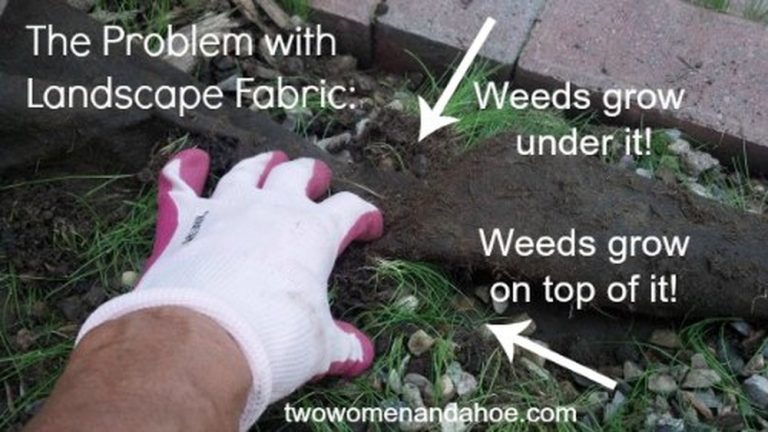
While landscape fabric is intended to reduce maintenance and support healthy plant growth, the reality can be more complex. Over time, organic matter and weed seeds accumulate on top of the fabric, leading to new weed growth. Furthermore, the fabric can compact the soil, limit natural processes, and interfere with root expansion—issues particularly relevant for perennials with dynamic root systems.
For example, a fabric barrier that initially delivers a pristine, weed-free look can, after several seasons, develop a crust of decomposed mulch and windblown seeds. This layer forms a new environment where weeds can thrive, making the once low-maintenance solution more demanding as the years pass.
In addition, some fabrics are less durable than advertised, breaking down under UV exposure, especially if not covered by a thick mulch layer.
Credit: www.floretflowers.com
Perennial Growth Habits And Root Systems
Defining Perennials
Perennials are plants that live for more than two years, regrowing each season from their root systems. Unlike annuals, which complete their lifecycle in one year, perennials rely on robust roots, rhizomes, or bulbs to survive winter and return in spring.
Gardeners value perennials for their resilience, diverse forms, and ability to provide consistent structure and beauty in a landscape. Their recurring growth patterns and varying blooming cycles are essential for creating dynamic gardens that evolve through the seasons.
Perennial Root System Types
Perennials exhibit diverse root architectures, each affecting their interaction with landscape fabric:
- Fibrous root systems: Found in many ornamental grasses and daylilies, these spread horizontally and vertically, forming dense mats that anchor soil but need space to expand.
- Taproot systems: Plants like peonies or echinacea develop deep, central roots that seek out water and nutrients from below the surface.
- Rhizomatous and stoloniferous systems: Irises and mint spread via underground stems, sending up new shoots at intervals, often colonizing large areas if unimpeded.
Understanding these differences is crucial when planning perennial beds. Plants with expansive or aggressive root systems will be more adversely affected by barriers than those with compact or shallow roots.
How Roots Interact With Barriers
Healthy root growth requires oxygen, space, and access to nutrients. When a barrier like landscape fabric is present, roots may:
- Encounter resistance, leading to circling or stunted roots, as they cannot penetrate the barrier and instead coil within the planting hole.
- Struggle to access nutrients trapped above or below the barrier, particularly as organic matter accumulates atop the fabric.
- Suffer from reduced soil biology, as fabric can block organic matter from decomposing into the soil, depriving roots of beneficial microorganisms and nutrients.
Furthermore, soil under landscape fabric can become anaerobic if moisture is trapped, creating conditions that are inhospitable to healthy root development and increasing the risk of disease.
Perennial Establishment And Longevity
Perennials need time to establish robust root networks. If landscape fabric limits this establishment, plants may:
- Struggle in drought or extreme weather due to shallow roots, which are less capable of reaching deep water reserves.
- Exhibit reduced flowering or vigor over time, as nutrient uptake is compromised.
- Become more susceptible to disease and pests, since stressed plants are less able to mount effective defenses.
Over several seasons, the inability to expand roots can cause perennials to become root-bound, further reducing their overall performance and aesthetic value.

Credit: ginghamgardens.com
Can Perennials Grow Through Landscape Fabric? The Science And Reality
Planting Perennials With Landscape Fabric: The Standard Method
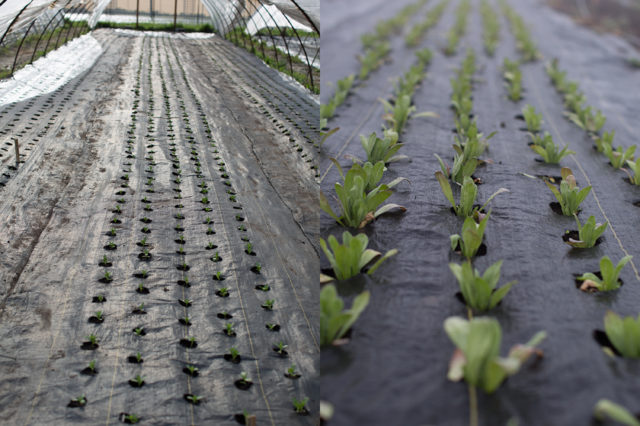
Most gardeners using landscape fabric with perennials employ the following steps:
- Lay fabric over prepared soil.
- Cut X-shaped holes at planting locations.
- Insert perennial plants into the holes.
- Backfill and secure the fabric around the stems.
- Cover with mulch for aesthetics and added protection.
While this method is straightforward, its long-term efficacy depends heavily on how well the fabric is installed and whether maintenance is consistent. Gaps, poorly cut holes, or insufficient mulch can all undermine the intended benefits.
Short-term Success Versus Long-term Challenges
Short-Term: Perennials can often survive initial planting through landscape fabric. For the first year or two, plants may appear healthy, as roots exploit the soil directly beneath the cut opening. This period of success can be deceptive, as the real limitations become apparent only as plants mature and attempt to expand.
Long-Term: Over time, the fabric can:
- Constrict root expansion, particularly for plants with spreading or fibrous roots, ultimately leading to a decline in plant size and health.
- Lead to girdling roots, which circle inside the hole, ultimately stressing or killing the plant, a phenomenon well-documented in horticultural research.
- Prevent natural soil amendments, as organic mulch on top of fabric doesn’t decompose into the soil below, gradually starving roots of nutrients.
- Encourage water pooling or runoff if the fabric becomes clogged with debris, leading to dry spots or, conversely, areas of waterlogging.
A further issue is that the fabric makes it difficult to divide or transplant mature perennials, which is a common maintenance practice to keep beds vigorous and prevent overcrowding.
Root Growth And Barrier Penetration
Some aggressive perennials, such as mint or certain ornamental grasses, may manage to send roots through the fabric’s holes or seams. However, most perennials will not successfully penetrate or expand beyond the initial planting hole, limiting their natural growth patterns.
In cases where perennials do manage to escape the confines of the fabric, this often results in fabric disruption or tearing, which can undermine weed suppression and create an uneven garden surface.
Scientific Studies And Expert Opinions
Research from institutions like the University of California Agriculture and Natural Resources indicates that while landscape fabric can suppress weeds, it often reduces soil health and plant performance over time, especially for perennials that depend on dynamic, expanding root systems ([UCANR Research](https://ucanr.edu/sites/UrbanHort/files/80143.pdf)).
A 2019 study published by the American Society for Horticultural Science also found that landscape fabric can reduce earthworm populations by up to 70% within two years, directly impacting soil aeration and fertility. Horticulturalists and extension agents widely caution against relying on fabric for long-term perennial health.
Real-world Example: Daylilies In Fabric Beds
In a municipal planting in the Midwest, daylilies were installed through woven landscape fabric and mulched. The first two years saw robust blooms and minimal weeds. By year four, plants began to decline—roots were confined to the planting hole, and weeds sprouted atop the mulch.
Maintenance increased as declining plants required removal, and fabric was ultimately cut away to restore bed health.
This scenario underscores how short-term gains can lead to increased effort and cost in the long run, especially in high-profile or public landscapes where appearance and plant health are critical.
The Impact Of Landscape Fabric On Soil And Plant Health
Effects On Soil Ecology
Landscape fabric can have significant consequences for the soil ecosystem:
- Reduced organic matter incorporation: Mulch and leaves decompose on top of the fabric, not in the soil, depriving microbes and earthworms of food sources.
- Lowered earthworm and microbe activity: Essential soil organisms are cut off from fresh organic matter and air exchange, leading to compacted, less fertile soil.
- Compaction risk: Fabric traps moisture, leading to surface crusting and compaction, especially in heavy soils or areas with poor drainage.
Healthy soil is alive, teeming with organisms that break down organic matter, cycle nutrients, and improve soil structure. Landscape fabric disrupts these processes, resulting in sterile, compacted conditions that fail to support vigorous perennial growth.
Water And Nutrient Movement
While quality fabrics are marketed as water-permeable, real-world conditions often differ:
- Over time, fine particles clog the fabric, reducing infiltration and causing uneven moisture distribution.
- Water can pool on top, leading to runoff and uneven soil moisture, which can stress plants adapted to consistent conditions.
- Fertilizer and nutrients applied to the mulch layer may not reach plant roots effectively, as the barrier impedes downward movement, limiting plant nutrition.
This can be particularly problematic in regions with heavy rainfall or frequent irrigation, as waterlogging above the fabric can encourage fungal diseases and root rot.
Impact On Perennial Health
The cumulative result is:
- Stunted growth and reduced flowering, as plants are unable to access sufficient nutrients or expand their root systems.
- Increased susceptibility to root rot in poorly drained soils, as water movement is impeded and soil remains excessively moist.
- Plants may heave or become unstable during freeze-thaw cycles due to limited anchoring, leading to plant loss or increased maintenance needs.
These impacts are often gradual, becoming evident only after several seasons, which can frustrate gardeners who expected long-term ease and success.
Case Study: Hostas In A Shaded Bed
A residential garden in the Northeast installed hostas through landscape fabric. Initially, plants thrived. By the third season, hosta crowns were smaller, with yellowing leaves and more frequent slug infestations. Inspection revealed compacted, dry soil beneath the fabric and limited root spread.
The homeowner was forced to remove the fabric, amend the soil with compost, and replant, resulting in a healthier bed but a significant investment of time and labor.
Comparing Landscape Fabric To Alternative Weed Control Methods
Organic Mulch
Organic materials like wood chips, bark, and compost serve as excellent weed suppressants while improving soil health. As they break down, they:
- Enrich soil with organic matter, fostering a diverse community of microorganisms.
- Encourage earthworm and microbial activity, improving soil structure, aeration, and fertility.
- Regulate moisture and temperature effectively, buffering roots against environmental extremes.
A thick layer of organic mulch (3–4 inches) can suppress most annual weeds and gradually build soil health, supporting robust perennial growth. Over time, decomposed mulch adds to the soil’s nutrient profile, reducing the need for synthetic fertilizers.
Comparison Table: Fabric Vs. Organic Mulch
| Factor | Landscape Fabric | Organic Mulch |
|---|---|---|
| Weed Suppression | High (initially) | Moderate to High |
| Soil Health Improvement | Poor | Excellent |
| Root Growth Support | Limited | Strong |
| Maintenance Required | Low (early), High (later) | Regular top-up |
| Longevity | 5-10 years | 1-3 years (renewable) |
Hand Weeding And Pre-emergent Herbicides
While labor-intensive, hand weeding is highly effective for small gardens. It allows for precise removal of weeds without disturbing desirable plants or soil structure. Pre-emergent herbicides can prevent weed seeds from sprouting but may impact desirable self-seeding perennials and require careful application to avoid harming non-target species. Organic options, such as corn gluten meal, are available for those seeking more sustainable solutions.
Living Mulches And Ground Covers
Low-growing ground covers (e.g., creeping thyme, vinca) can act as living mulches, suppressing weeds while supporting soil health and biodiversity. These plants provide continuous soil cover, reduce erosion, and create attractive, textured plantings that require less maintenance over time.
Living mulches can also provide additional ecosystem services, such as supporting pollinators, improving habitat for beneficial insects, and reducing the heat island effect in urban landscapes.
Case Example: Native Prairie Perennials
A public garden in Illinois replaced landscape fabric with deep wood chip mulch in a prairie planting. Over five years, perennials like coneflowers and bluestem grass flourished, weeds declined, and soil organic matter increased by 2%—demonstrating the long-term benefits of organic mulch over synthetic barriers ([Missouri Botanical Garden](https://www.missouribotanicalgarden.org/Portals/0/Gardening/Gardening%20Help/factsheets/Garden%20Mulches14.pdf)).
Such transformations highlight how improving soil health with organic mulch can create resilient, self-sustaining plant communities that require less intervention.
Best Practices For Planting Perennials With (or Without) Landscape Fabric
When (and When Not) To Use Landscape Fabric
Landscape fabric may be appropriate for:
- Short-term installations (e.g., annual beds, temporary displays), where rapid establishment and quick turnover are priorities.
- Paths and hardscapes where plant roots aren’t a concern, and weed suppression is essential to maintain clean lines and aesthetics.
- Shrubs and trees with less dynamic root systems, where the fabric is less likely to interfere with long-term health.
It is generally not recommended for perennial beds intended for long-term growth, especially those featuring deep-rooted or spreading species.
If You Must Use Fabric: Tips For Success
If you decide to use landscape fabric with perennials, maximize plant health with these strategies:
- Choose high-quality, woven fabric for better permeability and durability.
- Cut large holes for each plant to allow root expansion—avoid tight fits around stems.
- Monitor soil moisture and watch for signs of compaction or root stress; water deeply and less frequently to encourage deep rooting.
- Remove fabric after 2-3 years to allow roots to expand and organic matter to accumulate in the soil.
- Top with organic mulch to protect fabric from UV breakdown, suppress weeds, and add nutrients as mulch decomposes.
Additionally, regularly inspect the fabric for signs of clogging or weed emergence and address problems promptly to maintain effectiveness.
Alternatives For Weed Control In Perennial Beds
- Apply 3-4 inches of organic mulch and replenish annually to maintain weed suppression and soil health.
- Space plants closely to shade out weeds and create a dense canopy, reducing the available niches for weed growth.
- Use pre-emergent organic herbicides (e.g., corn gluten meal) as an added layer of protection against seed germination.
- Incorporate ground cover perennials for living weed suppression and increased biodiversity.
Combining these methods often yields the most sustainable, low-maintenance results.
Plant Selection Considerations
Some perennials tolerate fabric better than others. Deep-rooted, taprooted perennials are more likely to struggle, while shallow-rooted species may adapt for a few years.
Examples:
- Tolerant: Daylilies, Sedum, Iris (short-term)
- Sensitive: Peonies, Echinacea, Astilbe
When designing perennial beds, match plant choices to the intended weed control method to maximize long-term success.
Table: Perennial Tolerance To Landscape Fabric
| Perennial | Root Type | Fabric Tolerance |
|---|---|---|
| Daylily | Fibrous | Moderate (short-term) |
| Peony | Taproot | Poor |
| Sedum | Shallow | Moderate |
| Echinacea | Deep taproot | Poor |
| Mint | Rhizomatous | High (may escape fabric) |
Pros And Cons Of Landscape Fabric In Perennial Gardens
Benefits
- Initial weed suppression: Reduces immediate competition for new perennials, giving young plants a head start.
- Low maintenance (short-term): Less weeding in the first few seasons, reducing early labor costs.
- Mulch stability: Prevents mulch from mixing into soil in high-traffic areas, maintaining a neat appearance.
In landscapes where short-term aesthetics or erosion control are primary concerns, fabric can be a useful tool.
Drawbacks
- Root restriction: Limits perennial establishment and health, especially for spreading or deep-rooted species.
- Soil health decline: Reduces organic matter and beneficial organisms, degrading soil structure and fertility.
- Increased long-term maintenance: Weeds eventually grow on top, and plants may decline, increasing labor and replacement costs.
- Difficult to amend soil: Hard to add compost or fertilizer once fabric is installed, making soil improvement challenging.
- Removal challenges: Fabric can become tangled with roots, making removal labor-intensive and potentially damaging to established plants.
These drawbacks often outweigh the short-term benefits, especially in gardens intended for long-term perennial performance.
Real-world Example: Ornamental Grasses In Commercial Settings
A shopping center installed ornamental grasses through landscape fabric. After three years, the grasses became stunted and thin, and weeds sprouted in the mulch. The maintenance team reported increased work removing declining plants and replacing fabric. Ultimately, they transitioned to deep mulch and close plant spacing, resulting in healthier, fuller beds.
The improved plant health and reduced labor costs demonstrated the advantages of organic approaches for perennial plantings, even in demanding commercial environments.
Sustainable Landscaping: Long-term Strategies For Perennial Success
Soil-first Approach
Prioritize soil health for robust, resilient perennial gardens:
- Incorporate compost and organic matter before planting to build a fertile foundation.
- Maintain healthy soil biology through regular mulching and minimal disturbance.
- Avoid compaction and promote drainage by limiting foot traffic and using raised beds or paths where necessary.
Healthy soil supports vigorous root systems, reduces susceptibility to disease, and enhances drought resilience.
Integrated Weed Management
Combine methods for best results:
- Use pre-emergent controls early in the season to reduce weed pressure.
- Mulch thickly with organic matter to suppress weeds and build soil health.
- Hand-weed regularly to prevent seed set and manage invasive species.
- Consider living mulches or ground covers to create a dense, competitive plant community.
Integrated strategies are adaptable and sustainable, reducing reliance on any single method and supporting long-term garden health.
Adaptive Management
Monitor perennial beds for signs of stress, such as:
- Declining vigor or flowering, which may indicate soil or root problems.
- Increased pest or disease issues, potentially linked to poor soil health or air circulation.
- Weed breakthrough or soil compaction, signaling the need for intervention.
Be willing to adjust your approach by removing fabric, increasing mulch, or changing plant selections as needed. Flexibility is key to sustainable, resilient landscapes.
Professional Recommendations
Landscape professionals and extension services, such as the Royal Horticultural Society ([RHS](https://www.rhs.org.uk/advice/profile?PID=749)), recommend avoiding landscape fabric in most perennial beds, favoring organic mulches and diverse plantings for sustainable, long-term success.
Their guidance reflects decades of research and practical experience, emphasizing soil health and biodiversity as the foundation of successful perennial gardening.
Frequently Asked Questions
Can Any Perennials Successfully Grow Through Landscape Fabric?
Some aggressive perennials with rhizomatous or stoloniferous roots, such as mint or certain ornamental grasses, may manage to send roots through seams or holes in landscape fabric. However, most perennials will have restricted growth and may decline over time due to limited root expansion and poor soil health under the fabric.
How Long Does Landscape Fabric Last In A Garden?
High-quality woven landscape fabric can last 5-10 years, but this lifespan can be reduced by UV exposure, heavy foot traffic, or mulch breakdown. Non-woven and biodegradable fabrics have shorter lifespans, typically 1-5 years. After several years, most fabrics become clogged with debris, reducing their effectiveness and requiring replacement ([Wikipedia](https://en.wikipedia.org/wiki/Landscape_fabric)).
Is Landscape Fabric Better Than Plastic Sheeting For Perennials?
Yes, landscape fabric is generally superior to plastic sheeting for perennial plantings. Fabric allows some water and air movement, whereas plastic creates an impermeable barrier that suffocates roots and quickly degrades soil health. For most perennial gardens, organic mulch is preferable to either synthetic option ([University of Minnesota Extension](https://extension.umn.edu/planting-and-growing-guides/landscape-fabrics)).
What Are The Best Alternatives To Landscape Fabric For Weed Control In Perennial Beds?
The best alternatives include:
- Thick organic mulch (3-4 inches of wood chips or bark)
- Ground cover perennials or living mulches
- Hand weeding and regular maintenance
- Pre-emergent organic herbicides for seed suppression
These methods improve soil health while providing effective, sustainable weed control ([Penn State Extension](https://extension.psu.edu/weed-control-in-landscape-beds)).
Can You Remove Landscape Fabric From An Existing Perennial Bed Without Damaging Plants?
Removing landscape fabric from established perennial beds can be challenging and may cause some root disturbance. The process is easier if done during dormancy or early spring. Carefully cut around each plant, gently lift the fabric, and backfill with compost or mulch to support recovery. Take care not to damage crowns or major roots during removal.
References And Further Reading
For more in-depth information on sustainable gardening and landscape fabric, consult these authoritative resources:
- Royal Horticultural Society: Weed Control in Lawns and Borders
- University of California: Landscape Fabric and Weed Control
- Missouri Botanical Garden: Garden Mulches
- University of Minnesota Extension: Landscape Fabrics
- Wikipedia: Landscape Fabric
- Penn State Extension: Weed Control in Landscape Beds
Perennials bring lasting beauty and structure to gardens, but their success depends on thoughtful soil management and weed control strategies. While landscape fabric may offer short-term weed suppression, its long-term impacts can be detrimental to perennial health and soil vitality.
For resilient, thriving gardens, favor organic mulches, diverse plantings, and integrated weed management. With informed choices, your perennial beds can flourish for years without the hidden pitfalls of landscape fabric.