How to Choose Landscape Lighting Fixtures for Salt Air
For salt-air exposure, choose fixtures by zone: direct spray generally calls for marine-grade 316 stainless or die-cast bronze with IP66-or-better sealing and 316 stainless hardware; sheltered zones can often use powder-coated aluminum with at least IP65. Skip that rule, and rust, pitting, sealed-compartment failure, and early replacement usually follow. This guide breaks down fixture choices by exposure level, metal, seal rating, and hardware package so you can buy once and maintain less.
Where corrosion starts in coastal lighting fixtures
Salt-laden air, humidity, sun, and storms speed corrosion and shorten outdoor fixture life. The first failures usually show up in screws, fasteners, lenses, gaskets, wire terminations, and connector shells, then move into the body and coating. A lighting system’s weakest part often sets the lifespan for the whole run.
That is why coastal selection should start with the smallest parts, not the housing alone. A strong body with cheap screws can still fail early if the fasteners rust, the gasket hardens, or the connector lets moisture into the splice.
Which parts fail first in coastal conditions?
Fasteners and wire terminations usually go first because they combine metal, moisture, and trapped residue. After that, lenses haze, gaskets crack, and powder coating starts to lift at edges, screw heads, and cut points. Once those spots open, corrosion moves inward.
In practice, failure often looks minor at first: a stained screw head, a cloudy lens edge, a loose spike, or a connector that no longer seals tightly. Those signs usually mean the fixture is already taking on moisture.
How exposure level changes lifespan
Exposure matters more than a simple “coastal” label. Direct spray and wind-blown salt can wear a fixture out in a way that sheltered porch lighting never sees. Budget fixtures can fail within a year in coastal exposures, while better materials and better seals buy time and reduce replacement frequency.
Picture a path light 20 feet from breaking surf versus the same light behind a wall and under an overhang. The first needs higher corrosion resistance, tighter sealing, and more durable hardware. The second still needs coastal-safe parts, but the risk is lower.
Coastal lighting decision checklist table
Use this checklist to match the fixture package to the site. The right choice is not only the body metal. It is the body, hardware, seal rating, wire, and connectors together.
| Exposure zone | Recommended body material | Hardware material | Minimum IP rating | Likely failure risk | Replacement expectation |
|---|---|---|---|---|---|
| Beachfront / direct spray | 316 stainless steel or marine-grade brass | 316 stainless steel | IP67 | Seals, fasteners, lens edges, connector intrusion, coating breakdown if present | Shorter life if any weak part is used; plan for the most frequent inspection and earlier replacement |
| Near-coast / salt breeze | Marine-grade brass, copper, or coastal-rated powder-coated aluminum | 316 stainless steel or corrosion-resistant coated hardware | IP65 | Hardware rust, powder-coat peeling, gasket wear, socket or splice corrosion | Moderate life; expect more maintenance than inland sites and replace failed small parts before the body |
| Inland humid | Powder-coated aluminum, brass, or copper | Stainless steel preferred | IP65 | Humidity-driven corrosion at joints, connector oxidation, coating damage if the finish is thin | Longest of the three zones if drainage and sealing are good |
What outdoor lighting fixtures hold up best in salt air?
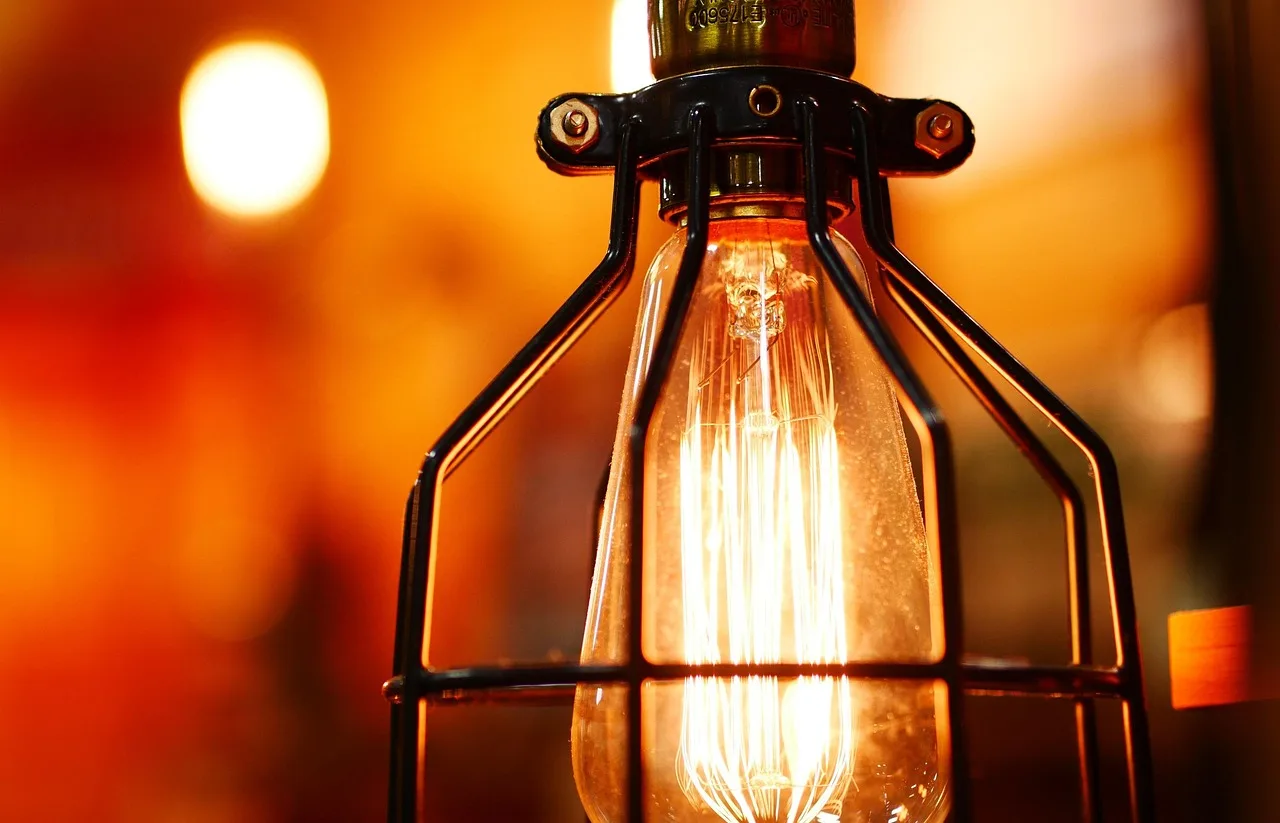
Fixtures with marine-grade brass, copper fixture bodies, or 316 stainless steel hold up best in salt air, especially when they also use sealed LED modules, stainless hardware, and IP65 or IP67 sealing. For aggressive oceanfront exposure, the whole package matters more than the style name on the box.
Marine-grade brass is highly corrosion-resistant in coastal use and develops a protective patina. Copper also resists corrosion well, and its green patina protects the metal. Stainless Steel 316 has exceptional resistance to pitting and corrosion in marine environments and is the safer stainless choice near salt water.
Marine-grade brass
Choose marine-grade brass when you want strong corrosion resistance and a traditional look. It is a good fit for coastal outdoor fixtures because it tolerates salt better than many cheaper alloys and forms a patina that helps protect the surface.
Its drawback is weight and cost. Brass fixtures often cost more up front, and if a maker pairs brass with low-grade screws or poor seals, the body can outlast the rest of the fixture by a wide margin.
Copper fixture bodies
Copper works well in coastal lighting because it resists corrosion and ages into a green patina that protects the metal. It is a strong choice when appearance matters as much as durability, especially where homeowners want a natural finish that changes over time.
The tradeoff is color change. If you want the original finish to stay fixed, copper will not do that. It also needs good hardware and sealed compartments, because the body alone does not protect weak connectors or open splices.
316 stainless steel
Choose 316 stainless steel when the site is aggressive, the property gets direct spray, or maintenance needs to stay low. Compared with 304, 316 performs better in aggressive coastal settings because it resists pitting and corrosion more effectively in marine environments.
That said, stainless is not magic. If the lens seal, gasket, or connector is poor, moisture can still reach the electronics. Also, some products use stainless hardware with a weaker body, which does little for the full fixture.
Powder-coated aluminum
Powder-coated aluminum can be a budget-friendly option for inland humid sites or sheltered coastal areas, but the coating quality has to be good. When the finish fails, the exposed aluminum and fasteners become more vulnerable to corrosion and pitting.
Cheaper path lights near the coast can show pitting and peeling on the powder coating. That is the weak point to watch. If the coating chips at a screw head, stake, or edge seam, the failure can spread faster than expected.
What IP rating should you choose?
For most coastal outdoor lighting, aim for IP65 or IP67. IP65 is a practical baseline for spray and driving rain, while IP67 is often the safer choice for direct spray, puddling, or harsher oceanfront exposure. The rating should apply to the fixture body and its sealed electrical compartment.
Do not treat the IP rating as the only buying rule. A fixture can have a good number and still fail early if its lenses, gaskets, and wire entries are weak.
IP65 versus IP67 in buying terms
Choose IP65 when the fixture will face rain, irrigation overspray, or salty breeze but not constant direct spray. Choose IP67 when the site sees stronger spray, wet ground, or exposed placement where water pressure and driving rain are more likely.
For coastal use, the practical question is whether the location is wet by weather or wet by placement. The more exposed the fixture is, the more IP67 becomes worth the extra cost.
What should be sealed?
Look for sealed LED modules, sealed lens joints, gasketed housings, and protected wire terminations. The LED module matters because it keeps electronics away from moisture. Lenses and gaskets matter because they decide whether the compartment stays dry after repeated wetting.
Connectors should be rated for outdoor use, and splice points should not sit where standing water collects. A good body with an open connector is still a weak fixture.
How should you choose by exposure zone?
Start with the zone, then choose metal, hardware, sealing, and wire. Beachfront and direct spray sites need the highest corrosion resistance. Near-coast sites can use strong but slightly less expensive packages. Inland humid sites can accept more cost control, but only if the coatings and seals are still solid.
Use this rule: the harsher the exposure, the fewer weak parts you can tolerate. Salt air attacks the smallest failure point first, so every component has to match the zone.
Beachfront and direct spray
For beachfront or direct spray, choose 316 stainless steel or marine-grade brass bodies, 316 stainless hardware, IP67 sealing, and sealed LED modules. Use tinned copper wire for damp soil and coastal installations because it supports corrosion resistance at terminations and in buried runs.
Suppose a path light sits close to a dune line and gets salt mist during wind. A brass body with ordinary screws can still fail early at the fasteners, even if the housing looks strong. The right package avoids that mismatch.
Near-coast and salt breeze
For salt-breeze properties, marine-grade brass, copper, or coastal-rated powder-coated aluminum can work if the hardware is upgraded and the fixture is at least IP65. This is the zone where appearance, beam control, and service life have to be balanced carefully.
If you want a warmer look and less maintenance, brass or copper usually make more sense than a thinly coated budget aluminum fixture. If you want lower upfront cost, make sure the coating is good and the screws, lenses, and connectors are not the cheapest parts in the package.
Inland but humid
For inland humid sites, powder-coated aluminum becomes more reasonable, provided the finish quality is good and the fixture still has IP65 sealing and corrosion-resistant hardware. Humidity alone is less punishing than direct salt spray, but it still attacks poor joints and exposed metal.
This zone is where many buyers overpay for body metal and underbuy on sealing. That is the wrong trade. Good seals and stainless hardware often matter more than jumping to the most expensive body material.
Wiring, transformers, and connectors
Use tinned copper wire for coastal installations, especially where the run passes through damp soil or near irrigation. For low voltage outdoor lighting transformers, plan wattage carefully and keep the load to about 80 percent or less of the transformer rating so the system has headroom and runs cooler.
That headroom matters because coastal systems often add corrosion losses over time: a bad splice, a failing connector, or a wet terminal can increase resistance and create more failures later. A properly sized transformer helps the whole system stay stable.
Is brass or aluminum better for coastal outdoor lights?
Brass is generally better than aluminum for coastal outdoor lights when exposure is moderate to severe, because marine-grade brass is more corrosion-resistant and handles salt air better. Powder-coated aluminum can still work in sheltered or inland humid sites, but it depends heavily on coating quality and on whether the finish stays intact.
If the site is harsh, choose brass over aluminum. If the site is sheltered and budget matters, coated aluminum can be acceptable, but only with good hardware, sealed modules, and careful maintenance.
Yes/no decision for body materials
- Marine-grade brass: Yes for salty, humid, and exposed sites.
- Copper: Yes if you accept a changing patina and want strong corrosion resistance.
- 316 stainless steel: Yes for direct spray and the toughest coastal spots.
- Powder-coated aluminum: Yes only for sheltered or inland humid sites with good coating quality.
Our picks by need
Best for beachfront durability: WAC outdoor Lighting, round LED 12V path and area Light 3000K in solid brass coated with bronze

- IP66 sealing for harsh outdoor exposure
- Works with existing 12V landscape systems
- Includes spike and gel-filled lead wire
Based on the published specs, this WAC Lighting path light is the strongest fit here because it uses solid brass, lists IP66 sealing, and includes a spike and gel-filled lead wire. That combination suits harsher outdoor exposure better than a basic outdoor light.
One drawback is cost. At $280.95, it is a premium choice, and its path-light format may not suit every beam-control need. It is also a single fixture style, so larger coastal projects may need a matching family of products.
Best for salt-breeze properties: Gardenreet outdoor Spotlights Low Voltage – brass outdoor uplight LED 12V, wired spot lights IP65 waterproof, antique bronze for exterior garden yard tree house with 5W 2700K warm white MR16 bulb

- Solid brass construction suits salty, humid air
- IP65 waterproofing for storms and sprinklers
- Works with existing 12V lighting systems
This Gardenreet brass spotlight fits near-coast and salt-breeze conditions well because it combines solid brass construction with IP65 waterproofing and works with existing 12V systems. Based on the specs and buyer feedback, it is the better middle-ground pick for homeowners balancing cost and durability.
The drawback is that IP65 is not the top-tier choice for direct spray, and the included MR16 bulb format means the bulb and lamp assembly deserve careful checking over time. It is a good value, but not a set-and-forget answer for the harshest shoreline.
Best budget choice for inland humidity: Landscapestation Programmable Smart LED Wall Washer Lights, 168W RGB+CCT Linkable Light Bar

This Landscapestation wall washer is the budget-oriented option in the group, but it is more of an architectural wash light than a classic coastal path fixture. For inland humid settings, the key appeal is its waterproof design and linkable format for larger wall or facade coverage.
The drawbacks are clear: it is not a targeted path light, its 168W output is far beyond what many small residential runs need, and its use case is less aligned with salt-spray durability than the brass fixtures above. It makes more sense for protected architectural lighting than for exposed shoreline paths.
Best for low-maintenance installs: Dream lighting 12V RV marine Boat Interior Lights LED courtesy Step Stair Deck light trailer license plate light

This Dream lighting fixture is not a primary outdoor lighting recommendation for coastal yards, but it does point to a durability-first approach for small, protected wet-location tasks. Its sealed, compact design may suit accessory lighting where low output and simple mounting matter more than beam control.
The drawback is that it is aimed at marine, RV, and trailer use rather than outdoor lighting. For a coastal property, it is the least directly applicable option here, so it should not replace a true IP-rated outdoor fixture for paths, trees, or planting beds.
Mistakes to avoid
Do not buy by body material alone. A brass body with weak screws, poor gaskets, or unsealed electronics can still fail early. The fixture package has to be matched to the zone, not just the housing.
Do not ignore connectors and wire. Use tinned copper wire in damp soil, choose sealed LED modules, and insist on outdoor-rated terminations. A bad splice can ruin a good fixture.
Do not skip transformer sizing. A low voltage outdoor lighting transformer should stay below 80 percent load. If you overload it, the system has less room for heat and future additions.
Do not assume powder-coated aluminum is a default coastal answer. It can work, but once the coating is breached, pitting and peeling can spread fast near salt water.
Do not treat the cheapest path light as the lowest-cost choice. If it fails within a year in coastal exposure, the replacement and labor cost can exceed the savings from the original purchase.
Frequently asked questions
What IP rating should outdoor light fixtures have near the ocean?
For most coastal outdoor lighting, aim for IP65 or IP67. Use IP65 for spray and rain, and choose IP67 when the fixture may face direct spray, stronger wetting, or more exposed placement. The rating should cover the housing and sealed electrical compartment.
How does salt air damage outdoor lighting fixtures?
Salt air accelerates corrosion by reaching small exposed parts first, especially screws, fasteners, connectors, gaskets, and wire terminations. Once those weaken, moisture gets inside the fixture, and the body, lens edge, and coating begin to fail faster.
Which parts of a fixture fail first in coastal conditions?
The first failures usually appear in fasteners, wire terminations, gasket edges, and connector shells. After that, lenses cloud, coatings peel, and bodies pit. A weak small part can determine the life of the whole fixture.
Should I choose 316 stainless steel for outdoor lighting near salt water?
Yes, especially for direct spray or harsh shoreline sites. Stainless Steel 316 has exceptional resistance to pitting and corrosion in marine environments and is a better choice than 304 in aggressive coastal settings. It is strongest when the rest of the fixture is equally well sealed.
How do I keep outdoor lights from corroding at the coast?
Match the fixture to the exposure zone, use IP65 or IP67 sealing, choose marine-grade brass, copper, or 316 stainless steel, and specify tinned copper wire with outdoor-rated connectors. Regularly check screws, lenses, and gaskets for early signs of failure.
How often do outdoor lights fail in salty environments?
It varies by exposure and build quality, but budget fixtures can fail within a year in coastal exposures. Better fixtures last longer, yet the weakest part still sets the schedule. Direct spray zones usually need the shortest replacement cycle and the most inspection.