Solar vs Low Voltage Landscape Lighting: Which Wins?
Choose solar for sunny, low-demand spots and low-voltage for shade, longer runtime, and brighter paths; if a zone gets limited direct sun, low-voltage is often the safer pick. Pick wrong and you get dark walks, dead batteries, and fixtures you stop trusting after one season. This comparison breaks down brightness, sun exposure, battery limits, wiring cost, and upkeep by yard zone.
Solar vs low-voltage outdoor lighting: the real trade-off
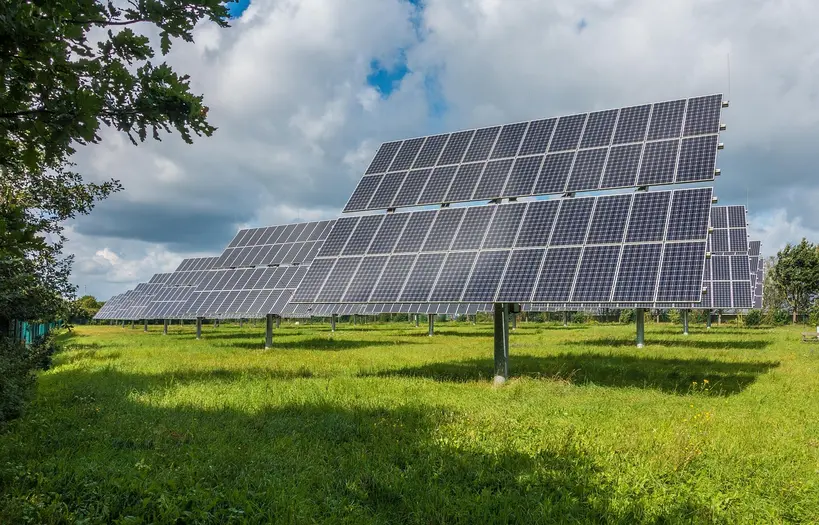
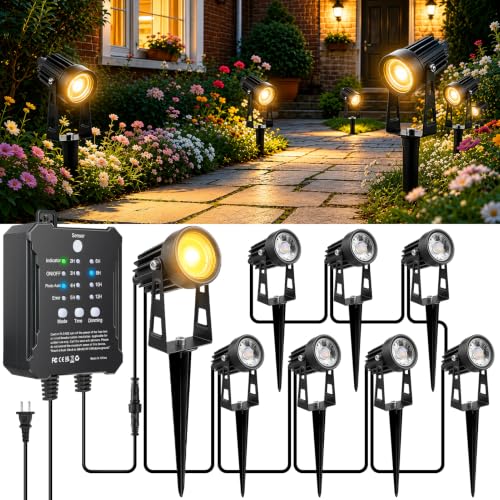


The core trade-off is simple: solar is easier to place, but low-voltage is easier to rely on. Solar outdoor lighting uses a small solar cell to charge a battery, while a 12-volt low-voltage outdoor lighting system uses household power through a transformer that converts 120-volt home power to 12-volt electricity.
That difference matters most in shaded yards, winter, and any zone that needs steady brightness after dark. Solar can be excellent for a sunny accent bed, while wired low-voltage usually wins for front walks, entry paths, and anything you want to trust night after night.
| Decision factor | Solar | low voltage outdoor lighting | Winner |
|---|---|---|---|
| Shade tolerance | Needs direct sun to recharge | Works in shade if wired correctly | low voltage outdoor lighting |
| Brightness | Usually lower output | Higher lumen ceiling | low voltage landscape lighting |
| Installation effort | Fastest to place | Needs transformer, wire runs, and layout planning | Solar |
| Seasonal reliability | Can sag in winter and cloudy stretches | More consistent year-round | low voltage landscape lighting |
| Upkeep burden | Panel cleaning and battery replacement | Transformer checks and occasional wire troubleshooting | tie |
Shade tolerance
Solar loses ground fast when direct sun drops off. If a bed sits under trees, eaves, or a north-facing fence line, the panel may never recover enough charge for a full evening.
Low-voltage lighting does not depend on sun exposure at the fixture, so it handles those same areas more predictably. That is why shaded front foundations and covered side yards usually belong on wire.
Brightness
Brightness is measured in lumens, but fixture type matters. A 12-volt pathway light may generate 150 lumens, while a solar-powered pathway light may only produce 7 lumens, which is a very different result on a walk.
Wired low-voltage systems also support higher-output fixtures. A bullet light can produce around 1,500 lumens, which puts it in a completely different class for uplighting and security accents.
Installation effort
Solar wins on speed because each fixture is self-contained. There is no transformer, no wire trenching, and no daisy-chain planning.
Low-voltage takes more setup. The transformer matters, the run length matters, and fixture count matters because voltage drop can dull the farthest lights if the system is not sized correctly.
Seasonal reliability
Solar fixtures can provide 8 to 12 hours of nighttime lighting when fully charged, but that assumes the panel actually gets the daily charge it needs. Solar lights need at least 6 hours of direct sunlight each day, and winter often cuts into that.
Wired low-voltage systems are not immune to problems, but they do not depend on short winter days. In climates with long cloud cover or snow buildup, they are usually the steadier choice.
According to The Best Low Voltage Landscape Lighting – Top Picks by Bob Vila — Landscape lighting color temperature ranges from 2,000K to 6,500K.
Solar vs low-voltage landscape lighting: which is brighter?
Low-voltage outdoor lighting is usually brighter because it can support higher-lumen fixtures and does not rely on a small onboard battery. Solar lights are often dimmer, and the difference is most obvious when comparing the same fixture style, such as pathway lights or small spotlights.
How to compare lumens without comparing apples to oranges
Compare fixture type first, then lumens. A solar path light and a wired path light may both be called pathway lights, but the wired version may produce 150 lumens while the solar version may only produce 7 lumens.
That gap explains a common mistake: people assume the solar version is “good enough” because the box looks similar. In practice, the light on the ground is what matters, not the marketing label.
Typical brightness ranges by fixture type
Low-voltage garden lights for flower beds or pathways might produce 200 to 300 lumens, which is enough for gentle wayfinding and plant texture. For stronger accents, a bullet light can produce around 1,500 lumens.
Solar versions usually stay lower because panel size and battery capacity limit output. That can be fine for decoration, but it is weak for safety lighting or broad illumination.
Why pathway lights often look different in each system
Pathway lights are where the brightness difference becomes obvious. A 12-volt path light can define a walkway edge with real visibility, while a solar path light may add a glow without fully lighting the walking surface.
If the goal is to prevent missteps on a dark front path, wired low-voltage usually gives the more useful result. If the goal is soft marker lights along a sunny bed, solar can be enough.

How do solar and low-voltage lights work?
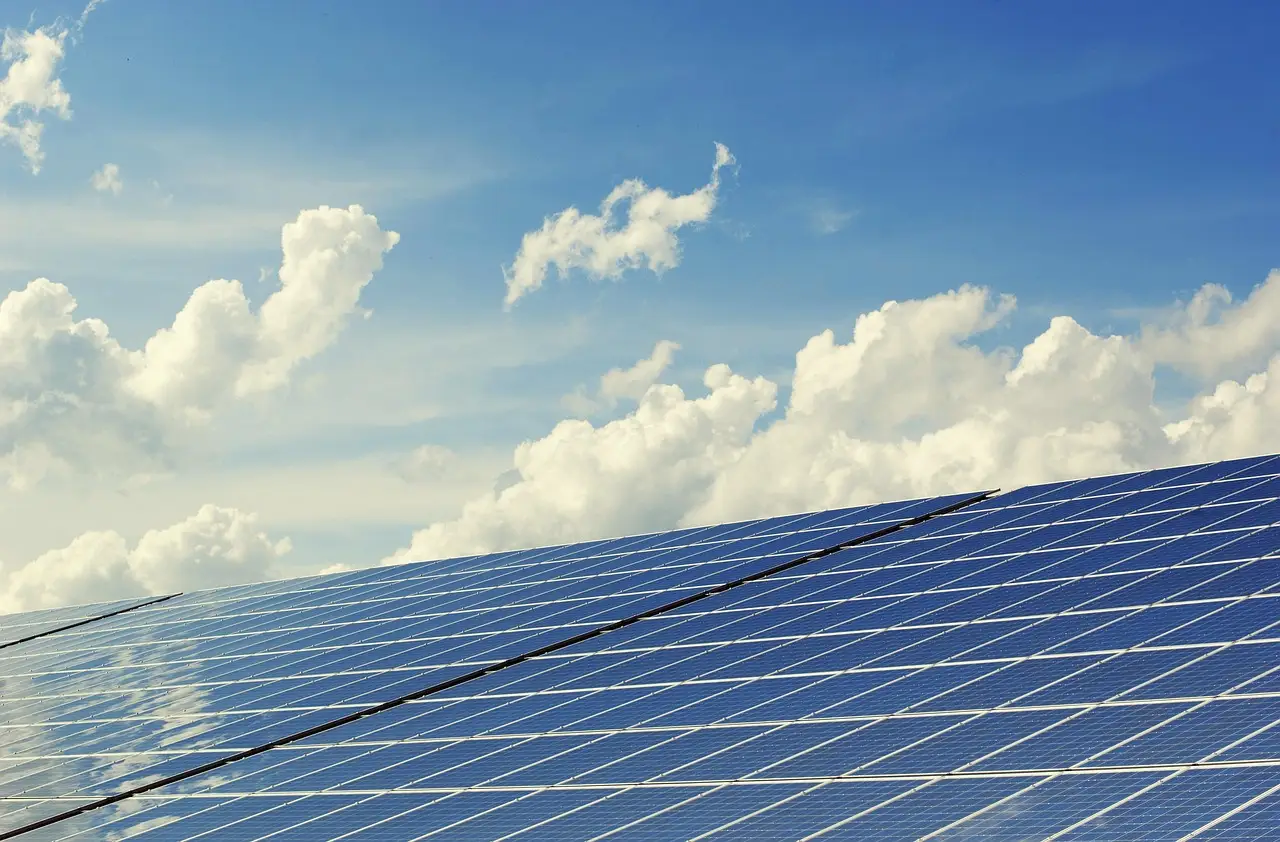
Low-voltage outdoor lighting runs on 12 volts, using a transformer that converts 120-volt home power to 12-volt electricity. Solar landscape lighting uses a small solar cell to charge a battery, then powers the fixture at night.
The hardware is very different, and the wiring logic is different too. Low-voltage systems are typically daisy-chained to the transformer, while solar units are installed as separate pieces with no cable network.
12-volt low-voltage basics: transformer, wire runs, and daisy chaining
A transformer is the heart of the system. Its size affects performance because it has to handle the fixture load and the wire layout without starving the far end of the run.
In real yards, the transformer choice and wire run length matter as much as the fixtures themselves. Too many lights on too small a transformer, or too long a run without planning for voltage drop, can leave the last fixtures visibly dimmer.
Solar basics: panel, battery, charge cycle, and runtime
Solar fixtures collect energy during the day, store it in a battery, and use that stored power after dark. Fully charged solar outdoor lights can provide 8 to 12 hours of nighttime lighting, but that runtime shrinks fast when the panel is shaded or dirty.
The catch is the charge cycle. Solar lights need at least 6 hours of direct sunlight each day, so a tree canopy or roof overhang can turn a decent-looking fixture into a weak one.
LED bulbs, wattage, and what they mean for energy use
LED bulbs are the preferred bulb type for low-voltage systems because they use about 80 percent less electricity than incandescent bulbs and last much longer while running cooler. That makes them the standard choice for modern wired outdoor lighting.
Lower wattage also helps with system sizing. The lower the load, the easier it is for the transformer and wiring to keep output stable across the yard.
What matters most in real yards: shade, seasons, and maintenance
The biggest mistakes happen in the yard, not on the spec sheet. Shade, winter weather, and maintenance burden decide whether the lighting still works well after the first season.
Direct sun vs partial shade vs full shade
Direct sun is the condition solar needs. Partial shade may work for a while, but output usually drops, and full shade is a poor fit for solar except as an occasional accent light.
Low-voltage is much less sensitive to those conditions. If the area needs dependable light and does not get regular sun, wired is the practical answer.
Winter performance, short days, and cloudy stretches
Solar performs best when the panel can recharge fully each day. Short days, snow cover, and long cloudy stretches reduce that charge and often shorten the night runtime before the fixture has used much of its battery capacity.
Low-voltage lighting avoids that seasonal drop because its power source is the transformer and the home supply, not daily solar gain. That is a major reason it holds up better in cold climates.
Battery wear, panel fouling, transformer sizing, and voltage drop
Solar systems fail in predictable ways: batteries wear out, panels get dirty, and a small panel can undercharge the battery for weeks. Once that happens, the fixture may still turn on, but it loses useful output.
Low-voltage failures are different. A transformer that is undersized, a poor wire layout, or voltage drop along a long run can reduce brightness. Those issues are fixable, but they require planning.
Zone-by-zone decision table for common yard areas
The best system changes by zone. A front path has different needs than a remote bed, and both are different from tree uplighting or security accents near a driveway.
| Yard zone | Better option | Shade note | Brightness note | Seasonal reliability | Maintenance burden |
|---|---|---|---|---|---|
| Front walk and entry path | low voltage landscape lighting | Works in partial shade and under eaves | Better for consistent path lighting; 150-lumen path fixtures are more useful than 7-lumen solar units | Strong year-round | Moderate |
| Remote beds far from power | Solar | Best only if the bed gets 6 hours of direct sunlight each day | Fine for accents, not strong task light | Fair in summer, weaker in winter | Low to moderate |
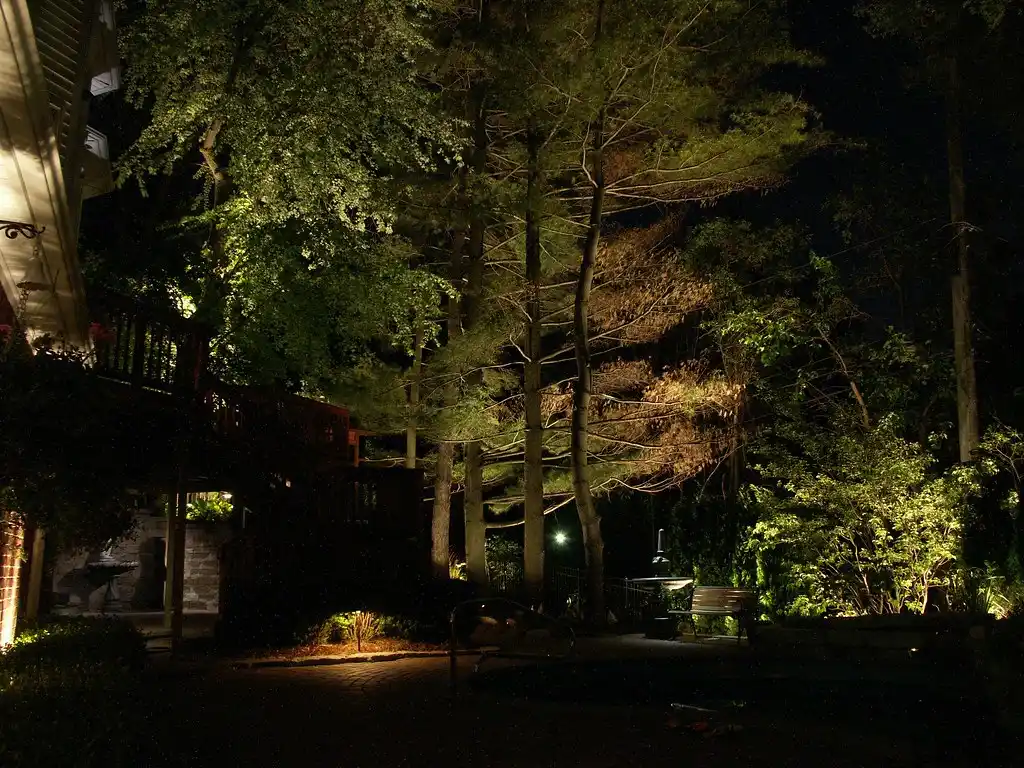
| Tree uplighting | low voltage landscape lighting | Often placed where branches would block solar charging | Needs stronger output for trunk and canopy effect | More reliable | Moderate |
| Security accents near driveways and dark corners | low voltage landscape lighting | Can work in shade and mixed exposure | Higher output needed; bullet lights can reach around 1,500 lumens | Highest confidence | Moderate |
| Flower beds with full sun | Solar or low voltage landscape lighting | Solar works if the bed stays open to sun | Choose by whether the bed needs glow or visibility | Solar can be acceptable in warm seasons | Solar is lower; wired is steadier |
When should I choose solar over low voltage landscape lighting?
Choose solar when the zone gets full sun, the lighting need is light, and wiring would be expensive or awkward. It is a good fit for remote beds, occasional accent pieces, and places where a softer glow is enough.
Best-fit scenarios for solar outdoor lighting
Solar works best on sunny garden beds, small path markers in open areas, and decorative spots where brightness is secondary to ease of placement. It also makes sense when there is no practical path for wire and the area is not critical for safety.
It is a weaker choice for shaded walks, winter-heavy climates, and any fixture that must stay bright after long nights. Direct sun is the deciding factor.
Best-fit scenarios for 12-volt low-voltage lighting
Low-voltage is the better choice for entry paths, front walks, tree uplighting, and security accents. It is also the safer pick for shaded yards, because the fixture performance does not depend on daily sun exposure.
When steady brightness matters, wired wins. When the run length and transformer are planned well, the result is more dependable and more controllable.
When a mixed system makes the most sense
A mixed system is often the smartest answer. Solar can cover remote accents or isolated beds, while low-voltage handles the front path, steps, and any area where light quality matters more.
This split avoids forcing one technology to do everything. It also keeps the expensive wiring focused where it pays off most.
What is low voltage landscape lighting?
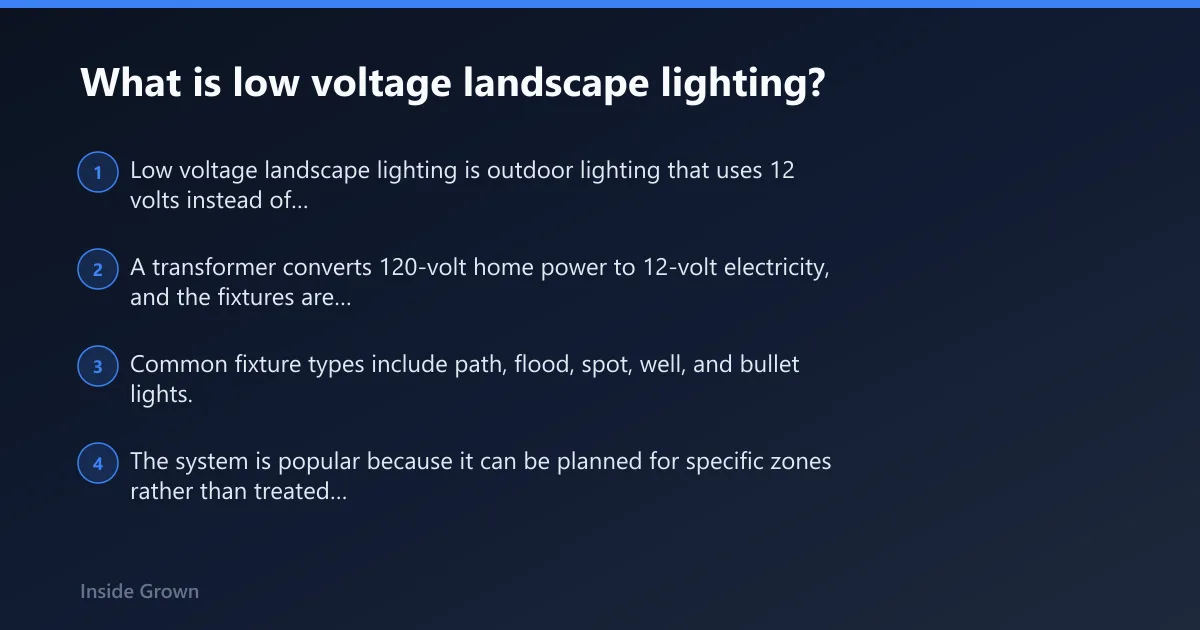
Low voltage landscape lighting is outdoor lighting that uses 12 volts instead of standard household voltage. A transformer converts 120-volt home power to 12-volt electricity, and the fixtures are usually tied together in a wire run from that transformer.
Common fixture types include path, flood, spot, well, and bullet lights. The system is popular because it can be planned for specific zones rather than treated as a one-size-fits-all setup.
How does low voltage landscape lighting work?
It works by stepping household power down through a transformer, then sending that lower-voltage power through wires to each fixture. The fixtures are typically daisy-chained, so placement, total load, and wire distance all matter.
LED bulbs are preferred because they use about 80 percent less electricity than incandescent bulbs, run cooler, and last much longer. That lowers energy use and reduces how often bulbs need attention.
What voltage is low voltage landscape lighting?
Low voltage landscape lighting uses 12-volt energy. The transformer is what makes that possible by converting 120-volt home power down to 12 volts for the lighting run.
That lower voltage is safer and easier to work with outdoors, while still giving enough flexibility for path lighting, accents, and uplighting when the layout is planned properly.
What is the best low voltage landscape lighting?
The best low-voltage outdoor lighting is the kind matched to the zone, not the most expensive fixture on the shelf. For paths, that often means well-spaced path lights; for trees, a spot or bullet light; for general beds, a modest-output fixture with good beam control.
For most homeowners, the best result comes from LED fixtures paired with a correctly sized transformer and a layout that avoids voltage drop. Brightness, beam spread, and location matter more than brand hype.
Who makes the best low voltage landscape lighting?
The best maker is the one that offers durable fixtures, good parts availability, and clear transformer sizing guidance. Brand choice matters less than whether the system is designed for your exact yard, wire length, and fixture count.
For a homeowner, the safer question is often: which supplier provides the right transformer, the right LED fixtures, and replacement parts that are easy to get later? That is what keeps a system working year after year.
How much electricity does low voltage landscape lighting use?
It usually uses relatively little electricity because the fixtures run on 12 volts and LED bulbs use about 80 percent less electricity than incandescent bulbs. Actual use depends on fixture count, wattage, and how long the lights stay on each night.
Energy cost is only one part of the picture. The installed cost and the long-term maintenance cost often matter more than the monthly power bill.
Verdict: Solar or low voltage landscape lighting?
Choose Solar if you’re lighting a sunny accent bed or soft marker lights along a sunny path where fast installation and a low-demand glow are enough.
Choose low voltage landscape lighting if you need front walks, entry paths, shaded front foundations, covered side yards, or any dark path where you want brighter, steadier light night after night.
Frequently asked questions
What is low voltage landscape lighting?
Low voltage landscape lighting is outdoor lighting powered by 12 volts. A transformer converts 120-volt home power to 12-volt electricity, then sends that power to path lights, spots, floods, wells, and bullet lights through a wired layout.
How does low voltage landscape lighting work?
A transformer steps household power down, then a wire network feeds each fixture. The system is usually daisy-chained, so transformer sizing, wire length, and total load all affect whether the farthest fixtures stay bright.
What voltage is low voltage landscape lighting?
Low voltage landscape lighting uses 12-volt energy. That lower voltage is the reason the system needs a transformer, and it is also why the wiring plan matters so much for consistent light output.
Is solar landscape lighting brighter than low voltage lighting?
No, solar is usually dimmer. A 12-volt pathway light may generate 150 lumens, while a solar-powered pathway light may only produce 7 lumens, so wired low-voltage is the better choice when brightness and visibility matter.
When should I choose solar over low voltage landscape lighting?
Choose solar for sunny areas with modest lighting needs, especially remote beds or decorative accents where wiring is inconvenient. If the zone gets less than 4-6 hours of direct sun, or if winter reliability matters, low-voltage is usually the better pick.
How much electricity does low voltage landscape lighting use?
It uses relatively little electricity, especially with LED bulbs, which use about 80 percent less electricity than incandescent bulbs. The main ongoing cost is usually small compared with the value of steadier output and better control.