Landscaping Services for Indoor Plant Styling
Landscaping services for indoor plant styling pair the right plant, pot, light, watering schedule, and upkeep level so the arrangement survives past week one. Match each plant to the room’s light, then check how much time you can spend on weekly care. Skip that fit, and you get drooping leaves, root rot, or a display that fails fast and wastes money. This guide explains how professionals plan indoor plant styling for homes, offices, and small spaces, plus what to ask before you hire one.
What does indoor plant styling service include?


Indoor plant styling service covers more than choosing a decorative pot. A professional scope usually starts with a site review of light, traffic, room use, and the surfaces available for plants, then moves to plant selection, container selection, placement, installation, and follow-up care that keeps the display workable after setup.
Site review first
The room matters as much as the plant. Indoor landscaping uses tabletop, windowsill, counter, desk, floor, and other indoor surfaces as growing space, and it can extend through kitchens, bathrooms, offices, bedrooms, and basements. That means a service should measure the room’s actual conditions, not assume every space can handle the same plant palette.
A good provider also looks at traffic. A narrow entryway needs a different layout than a quiet bedroom corner, and a workstation needs plants that tolerate fluorescent or LED light and infrequent fussing.
Plant, planter, install, follow-up
The plant decision should match the light level, the room’s use, and the maintenance cadence the owner can keep. Then comes the container: drainage, material, size, and floor protection all affect whether the display stays tidy and healthy. Installation should include placement, watering, and a care plan for the next visit.
Follow-up care is part of the service, not an optional extra. Most indoor plants need 100% of their water indoors, so the person managing the display has to know how much each grouping needs, whether the container drains properly, and when to adjust the setup after the first week.
Indoor plant styling service checklist
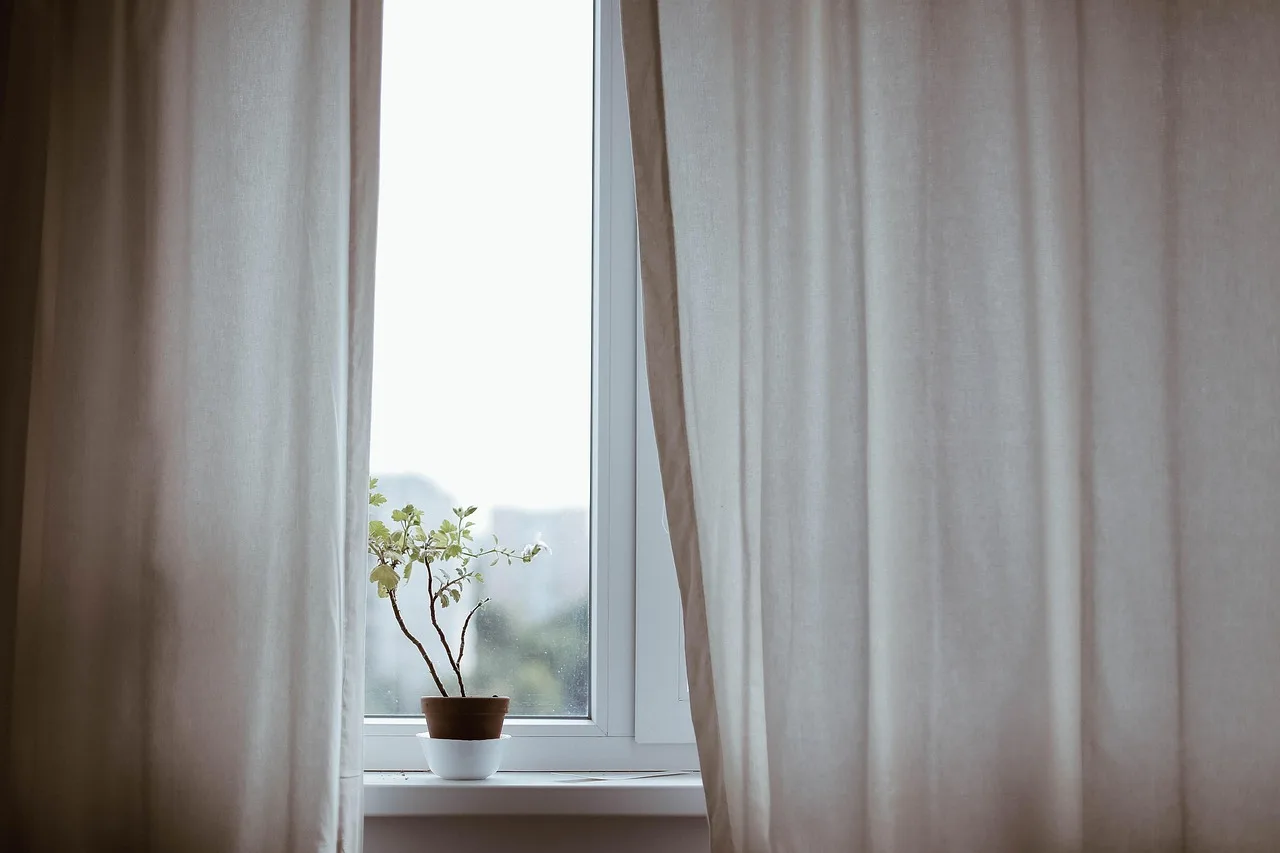
Use this checklist to compare service scopes. A provider should be able to state the room type, light level, planter size range, drainage method, potting mix type, support system, watering frequency, and maintenance cadence before install day.
| Indoor zone | Light level | Planter size range | Drainage method | Potting mix type | Support system | Watering frequency | Maintenance cadence |
|---|---|---|---|---|---|---|---|
| Entryway console | Low to bright indirect, depending on door and window position | Small to medium, sized to the root ball with a little extra room | Built-in drainage tray or a shallow tray under the pot | Soilless potting mix for decorative plants | No support, unless a trailing plant needs a clip or ring | When the top layer dries; adjust by light and airflow | Check weekly; rotate and wipe leaves as needed |
| Bathroom shelf | Low to medium, if there is no direct sun | Small, with room for airflow around the pot | Self-watering container or pot with a drain tray | Soilless potting mix | No support for compact plants | Less frequent than a sunny room; monitor reservoir level if used | Inspect every 1 to 2 weeks |
| Kitchen counter | Bright indirect near windows; lower light away from glass | Small to medium, based on counter depth and root size | Drainage tray with spill control | Potting mix with compost for edible plants; soilless mix for ornamentals | Stake or small ring only if the plant trails or leans | Often enough to keep roots evenly moist, but not soggy | Check weekly; wipe splashes and inspect runoff |
| Office desk | Low light under fluorescent or LED light | Desk scale, usually compact | Self-watering container or standard pot with tray | Soilless potting mix | No support unless using a small climber | Light, regular refills if a reservoir is used | Every 1 to 2 weeks |
| Shelf vignette | Low to medium, depending on nearby windows | Small, shallow, or hanging form | Tray or pot with reliable drainage | Soilless potting mix | Hanging hardware or a small mount for air plants | Moderate; avoid heavy containers on narrow shelves | Check weekly for stability and runoff |
| Living room floor corner | Bright indirect to medium, depending on window distance | Medium to large, matched to mature root spread | Drainage tray or protective saucer | Plant-specific mix based on the species | Moss pole or stake for climbing plants | As needed by plant type and room warmth | Weekly to monthly, based on growth rate |
| Bedroom plant stand | Low to medium | Small to medium | Self-watering or tray-based setup | Soilless mix for decorative plants | No support unless the plant climbs | Moderate, with close watch for overwatering | Weekly visual check; monthly rotation |
| Basement display | Low light or supplemental LED | Small to medium, with conservative sizing | Tray plus floor protection | Soilless potting mix | Support only if the plant type needs it | Reduced, because evaporation is slower | Inspect weekly; adjust for slow drying |
How do you choose planters and containers?
Choose the planter from the plant’s root system first, then from the room. A container has to fit the root ball, manage drainage, protect floors, and suit the decor style without trapping too much water. Standard pots and self-watering containers solve different problems, and the wrong one can create the failure you were trying to avoid.
Drainage, material, and floor protection
Drainage is essential to prevent mess and root problems. Pots with built-in or coordinated drainage trays are one indoor option, and a shallow tub lined with pea gravel can catch runoff water indoors. For quick watering sessions, a shallow tray is easier to empty than a deep catch basin.
Material affects weight, drying speed, and appearance. Ceramic fits formal rooms and bonsai-style displays. Lightweight containers suit shelves and rented spaces. Floor protection matters for every pot placed on wood, tile, or carpet, especially when the plant gets frequent watering.
Pot depth and width by root type
Deep taproots need deeper pots. Fibrous roots need wider, shallower pots. Container sizing should follow plant maturity too, because a young plant and a mature plant do not need the same volume of soil or the same spacing in the pot.
Suppose a snake plant is moving from a nursery sleeve to a decorative pot. If the new container is too deep, water can sit below the roots and stay wet too long. A wider pot with drainage is the better fit for a fibrous root system.
Self-watering containers vs standard pots
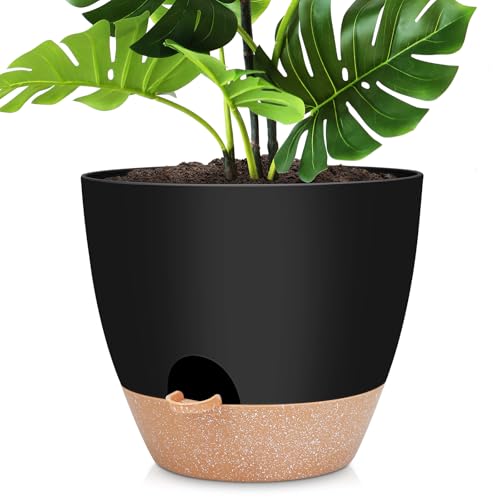
Self-watering containers work well for busy owners because the reservoir below the plant container feeds water through a wicking system. That can reduce spill risk indoors and make maintenance easier between visits, but it still requires monitoring. The reservoir does not excuse a poor plant choice or a bad light match.
Standard pots suit plants that need more direct control over watering, or displays where the visual weight of the pot matters. If a provider uses self-watering containers, ask how often the reservoir should be refilled and how overflow is controlled if the plant is watered too soon after a refill.
What plants work best for low-light styling?
Low-light indoor styling works best when the plant tolerates reduced light and the service plan keeps watering modest. For desktop, shelf, and office use, practical options often include pothos, snake plant, ZZ plant, peace lily, philodendron, and cast iron plant, especially where fluorescent or LED light is the main source.
Desktop plants for fluorescent or LED light
A desktop styling workshop may center on low-maintenance, air-purifying plants under fluorescent or LED light. That makes sense for desks because the plant stays compact and the care load stays light. A desktop plant should not block screens, spill easily, or demand frequent repotting.
For office wellness displays, the styling goal is steady health, not constant rearranging. A small pothos, ZZ plant, or snake plant fits that brief better than a sun-loving flowering plant that fades under indoor light.
Shelf and corner plants with lower water needs
Shelves and floor corners need plants that can handle less frequent watering and a stable container. Snake plant and ZZ plant are common choices because they tolerate indoor conditions well. Peace lily and philodendron can work too, but they need placement that matches their light and moisture needs more closely.
A common first-timer mistake is putting a sun-loving plant in a dim corner because the pot looks right there. The plant may hold on for a while, then stretch, yellow, or stall. The fix is usually a brighter spot, supplemental LED light, or a different species.
When to avoid sun-loving plants indoors
If a plant needs direct sun to stay compact or flower well, do not force it into a low-light hall, basement, or office desk just because the container fits. The display may look complete on install day and still fail within weeks. A service provider should say that plainly and swap the plant instead of promising a weak fit.
How do services handle watering and drainage?
Watering and drainage are service decisions, not afterthoughts. The setup should move water away from the roots, keep the floor dry, and match the plant’s growth rate and the room’s light. Most indoor plants need 100% of their water indoors, so the system has to work every time the room is used.
Drainage trays, reservoirs, and spill control
Drainage trays are best for quick watering sessions and for owners who want visible runoff control. Self-watering containers use a reservoir and a wicking system, which can help in busy households and offices. The right choice depends on how often someone can check the plant and how much spill risk the room can tolerate.
For plants that are watered at a sink or utility area, a shallow tray makes cleanup easier. For desks and reception areas, a self-watering container can reduce the chance of water rings and accidental drips, as long as the reservoir is monitored.
Watering cadence by plant group
Watering cadence should follow the plant type, the potting mix, and the room’s conditions. Orchids need orchid mix. Bonsai need bonsai mix. Decorative indoor plants often use soilless potting mix. Most edible plants do better with potting mix with compost.
That matters because the mix changes how quickly the container dries. A well-lit kitchen counter may need more frequent watering than a low-light office shelf, even if both plants sit in the same pot style.
Signs the setup needs adjustment
If leaves droop while the mix feels wet, the problem may be overwatering or poor drainage. If the pot stays dry too quickly, the container may be too small, the mix too coarse, or the light too strong for the selected plant. A healthy service plan includes a follow-up check so those issues are corrected early.
Room-by-room indoor styling plan
A room-by-room plan keeps the service scope realistic. Entryways, bathrooms, offices, shelves, and floor corners all ask for different plant sizes, water patterns, and container choices, so a single “pretty plant package” is rarely enough.
Entryways and living rooms
Entryways usually need a strong first impression and a plant that can handle passing traffic. Living rooms can support floor plants, grouped containers, or a larger specimen in a decorative planter. For these spaces, container weight, floor protection, and the route people take through the room matter as much as the plant itself.
Picture a floor corner beside a sofa where the plant gets medium indirect light from a nearby window. A moss pole can support a climbing aroid or Monstera, while the planter needs enough width for root spread and enough stability to keep the display upright.
Bathrooms and kitchens
Bathrooms and kitchens need practical materials. Bathrooms often suit compact plants, wall or shelf mounts, and containers that handle higher splash risk. Kitchens can handle decorative plants near windows, plus edible plants if the mix and watering plan fit the crop.
In a kitchen, drainage trays and easy-clean surfaces matter because water and food prep share the same space. In a bathroom, the room may tolerate humidity, but that does not replace light. The light level still has to match the plant.
Offices, shelves, and floor corners
Offices work best with compact, low-maintenance plants that stay healthy under fluorescent or LED light. Shelves need small containers and reliable drainage. Floor corners need a planter size that matches mature growth, or the arrangement will look awkward and become unstable as the plant fills out.
Air plants can fit shelves and desks because they do not use soil. They can be mounted or displayed decoratively, and they need a hydration method that fits the display format. Kokedama also works well in small indoor spaces because it is a moss ball form with no pot, though it needs careful maintenance and placement that supports the moisture cycle.
What is the difference between indoor landscaping and indoor plant styling?
Indoor landscaping is the broader service scope. It uses indoor surfaces as growing space and may extend through multiple rooms, while indoor plant styling is the placement and visual design of individual plants, groupings, containers, and support systems inside those rooms. In practice, landscaping sets the plan; styling shapes the look.
That difference matters because a service provider may be asked to do one, the other, or both. A styling-only job might place plants already chosen by the client. A landscaping-style service should also handle room mapping, plant selection, container specs, drainage, and follow-up maintenance.
Special formats that change the scope
Some indoor styling formats need special handling from the start. Kokedama is pot-free, so the support and watering plan is different from a standard container. Bonsai needs a shallow ceramic pot, plus root pruning, branch wiring, and a training plan. Air plants need no soil and can be mounted for decorative display. A moss pole supports climbing aroids and Monstera by helping manage aerial roots.
How much do indoor plant styling services cost?
Cost varies by setup size, plant type, container choice, access, and how often the provider returns for maintenance. A single desk refresh costs less than a multi-room indoor landscaping plan because the labor, plant count, and drainage work are smaller. Ongoing maintenance adds cost whenever the service includes watering, rotation, pruning, or replacements.
What changes setup cost
Setup cost rises when the plan needs site review, custom planters, drainage trays, mounts, moss poles, or multiple plants with different care needs. A room that needs low-light species, floor protection, and spill control also takes more planning than a windowsill grouping with similar water needs.
What changes visit cost
Visit cost depends on the number of rooms, the number of containers, and how much adjustment is needed. A maintenance visit for a single office desk is simpler than a visit that includes checking reservoirs, emptying trays, and resetting a climbing plant on a moss pole.
What changes ongoing maintenance cost
Maintenance cost changes when the plants need frequent watering, pruning, repotting, or replacement. Orchid mix, bonsai mix, and potting mix with compost each support different care routines, so the maintenance schedule should be built around the plant mix, the room, and the client’s available time rather than a one-size-fits-all interval.
Frequently asked questions
How do I choose the right planter for indoor plants?
Start with the root system, then check drainage, material, and floor protection. Deep taproots need deeper pots, fibrous roots need wider shallower pots, and the planter should match plant maturity. For indoor use, a built-in tray or a separate shallow catch tray helps control runoff.
What plants work best for low-light indoor styling?
Pothos, snake plant, ZZ plant, peace lily, philodendron, and cast iron plant are common low-light choices for indoor styling. For office and desktop use, look for compact plants that tolerate fluorescent or LED light and do not need constant attention or frequent repotting.
How do I prevent overwatering indoor plants in styled displays?
Use a container that drains, choose a mix that matches the plant, and set a watering cadence tied to the room’s light level. Self-watering containers help when used carefully, but the reservoir still needs checking. If the mix stays wet and the leaves droop, reduce water and inspect drainage.
What planter sizes work for desk, shelf, and floor plants?
Desk plants usually need compact containers, shelf plants need small or shallow pots that stay stable, and floor plants need larger planters that fit mature roots and weight. The exact size depends on the plant’s root type and age, so the safest rule is to size to the root ball and expected growth.