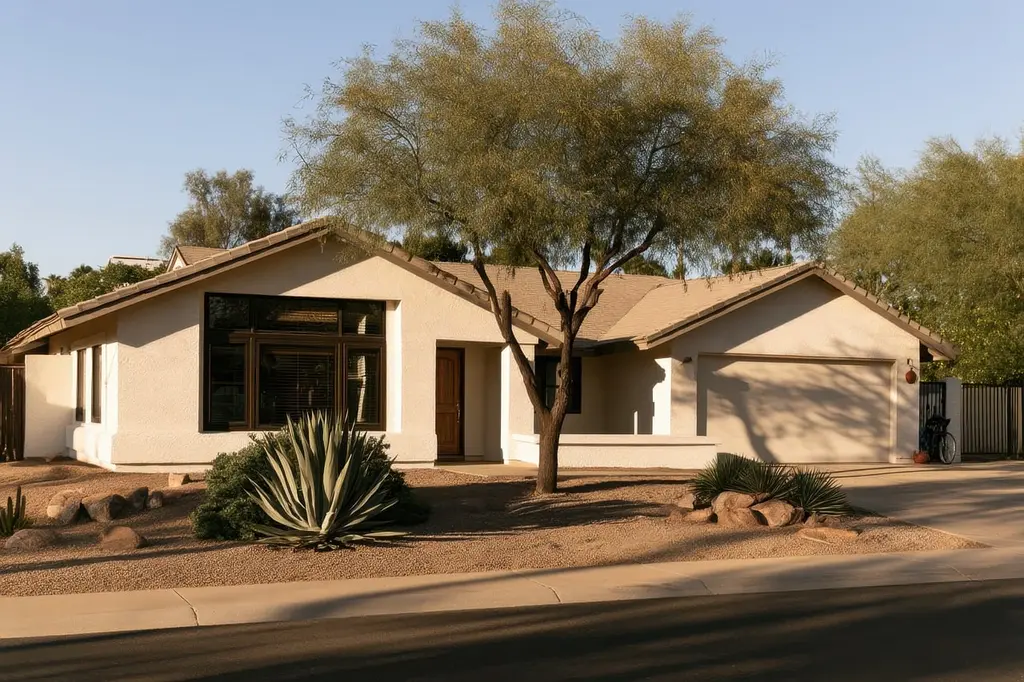
Landscaping Services for Sunny Yard Design
Choose landscaping services for a sunny yard around drought-tolerant plants, 2 to 3 inches of mulch, efficient drip irrigation, and heat-aware hardscape placement. Extension sources commonly define full sun as 6 or more hours of direct sun per day. In bright yards, the best designs reduce heat stress, slow moisture loss, and match plant choice to both exposure and drainage.
What makes a sunny yard hard to design?
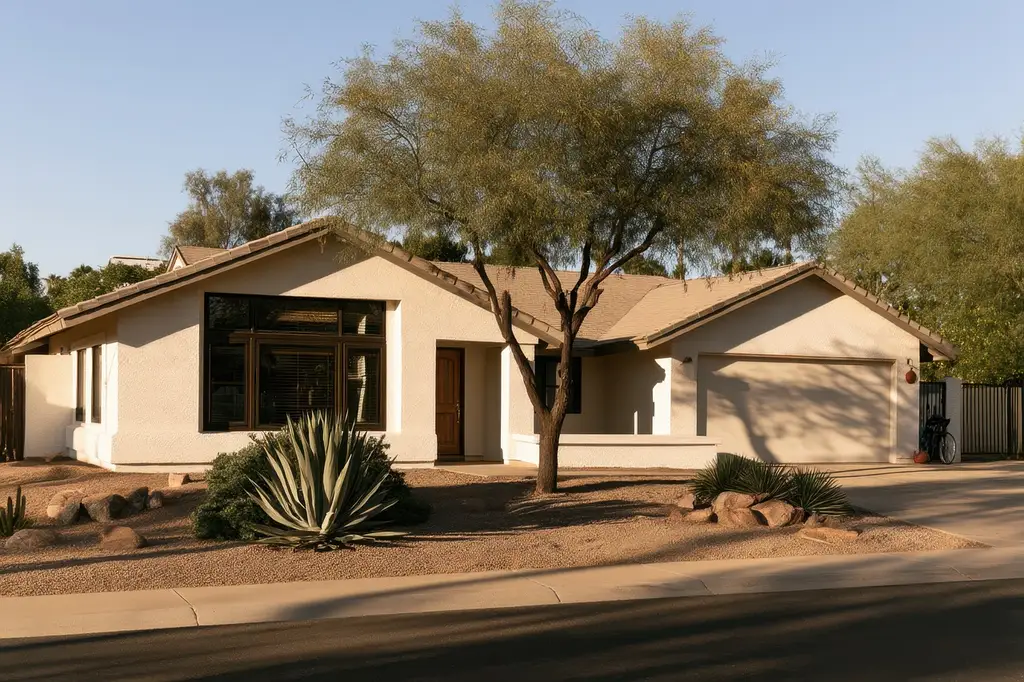

A sunny yard is hard to design because direct sun is only part of the problem. Heat reflected from walls, pavement, fencing, and windows can intensify stress, while fast evaporation and uneven drainage can dry some zones and drown others. Good planning separates sun exposure, reflected heat, and water management instead of treating them as one issue.
Extension and university guides commonly describe full sun as 6 or more hours of direct sun, but the design challenge goes beyond that threshold. A bed that handles open exposure may still fail beside a south- or west-facing wall, where reflected heat and hotter soil conditions change the planting and irrigation needs.
Heat, glare, and water loss are separate problems
Heat builds where hard surfaces hold and throw back warmth. Glare can add stress near light-colored stone, metal fencing, or glass. Water loss rises faster in exposed beds, on slopes, and in shallow soil. A pro should inspect each zone separately so plant placement and material choice match the actual conditions.
Say your front yard gets full sun from noon to sunset, with a brick wall on one side and a concrete drive on the other. The center bed may need heat-tolerant shrubs, while the edge near the drive may need thicker mulch, a more durable edging system, and a watering plan that avoids overspray.
What should a landscaper check first?
The first site check should cover drainage, compaction, slope, runoff paths, and the way existing plants are already reacting to sun and dry spells. Sunlight matters, but the best first visit also needs soil texture, pH or amendment needs, and any low spots that collect water after irrigation or rain. Those conditions determine whether plants can survive the exposure long term.
If soil stays wet too long, roots can fail even in full sun. If it drains too fast, irrigation may need to be split into zones or changed from spray heads to drip for beds. Grading and drainage decisions should happen before planting, not after the first round of losses.
Site checks that affect the plan
- Sun hours in each zone, including places with shade pockets from trees, fences, or the house.
- Reflected heat from pavement, walls, pool decking, metal gates, or pale siding.
- Soil drainage, compaction, and whether amendments are needed before planting.
- Soil texture and pH considerations that affect plant choice and fertilizer use.
- Slope, runoff direction, erosion risk, and any low spots that hold water.
- Existing irrigation coverage, dry strips, overspray, and stressed plants.
Sunny yard scoping checklist
Use this checklist before you request bids. It helps you turn sun exposure into a clear scope instead of a vague “make it look better” request. Ask local pros to put each item in writing so the quote covers the same site conditions, materials, and maintenance level.
Site factors to inspect before design
| Check | What to note | Why it matters |
|---|---|---|
| Sun hours | 6+ hours of direct sun, plus morning or afternoon shade pockets | Plant heat tolerance and watering needs change by exposure |
| Reflected heat | Walls, pavement, fences, glass, or light-colored surfaces | Can scorch leaves and dry soil faster than direct sun alone |
| Soil drainage | Fast drainage, standing water, or uneven wet spots | Guides grading, soil amendment, and plant selection |
| Compaction | Hard soil, poor root penetration, or thin topsoil | May limit planting success and slow water movement |
| Slope and runoff | Downhill flow, erosion channels, or pooling at edges | Affects leveling, drainage control, and bed layout |
| Irrigation coverage | Dry patches, overspray, broken heads, or low-pressure zones | Shows where efficiency or redesign is needed |
| Mulch depth | Existing depth, bare soil, or mulch blown thin by wind | Direct sun raises moisture loss and bed temperature |
| Plant stress | Leaf scorch, wilt, browning, or repeated dieback | Signals poor plant-to-site match |
Service packages to request from local pros
- Soil test and bed prep that address drainage, compaction, and amendments.
- Planting plan with region-appropriate, sun-loving trees, shrubs, and flowers.
- Irrigation review for coverage, efficiency, startup, and winterization.
- Grading or drainage work for runoff control, erosion risk, and leveling.
- Mulch, edging, and weed control sized for direct sun exposure.
- Hardscape placement for patios, fire pits, or retaining walls that limits heat buildup where possible.
- Maintenance plan for mowing, trimming, weeding, and seasonal cleanup.
Quote questions to ask before you hire
- How will you handle the hottest zones and any reflected heat near hard surfaces?
- Will the quote include soil work, drainage correction, or only planting?
- What mulch depth do you specify for full-sun beds?
- Will irrigation coverage be checked zone by zone?
- Are startup and winterization included if sprinkler work is part of the job?
- Which plants are chosen for heat tolerance and the local climate?
- What is excluded if slope, runoff, or leveling needs show up during work?
Which services fit a full-sun yard?
For a full-sun yard, the best landscaping services usually combine planting, irrigation, mulch, grading, and maintenance instead of treating each one as separate. A contractor may handle lawn mowing, garden maintenance, hardscape, bushes and flowers, and irrigation work, but the scope should match the site’s heat and water conditions.
Plant selection should favor regional species that handle direct sun and heat without constant rescue watering. Bed edging and mulch help suppress weeds and hold moisture. Hardscape may include a patio, fire pit, or retaining wall, but placement matters because these surfaces can increase heat near nearby plants and seating areas.
Plant selection that fits the site
Choose plants for heat tolerance, drought stress, and local growing conditions. A sunny yard in one climate may support one shrub mix, while another needs more tree cover or a different flower palette. The safe rule is simple: match the plant to the region first, then to the exact exposure in each bed.
Do not treat one “sun plant” list as universal. A plant that holds up in open sun may fail beside a west-facing wall where reflected heat is stronger. Use a mix of trees, shrubs, and flowers so the yard gets structure, screening, and seasonal color without putting every plant in the harshest zone.
Mulch, edging, and bed protection
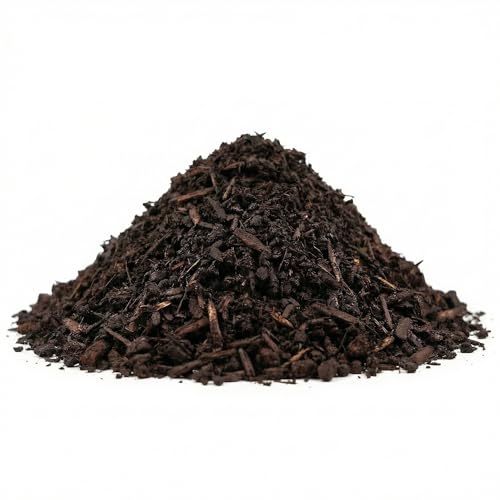
Mulch matters more in full sun because it slows moisture loss and keeps soil temperatures steadier. Cooperative extension and water-agency guidance commonly recommend applying mulch in a 2 to 4 inch layer; for many landscape beds, 2 to 3 inches is a practical target. Edges keep mulch where it belongs and help separate planting beds from turf or gravel.
A common first-timer mistake is spreading mulch so thin that bare soil still shows through. In a hot yard, that usually means more weeds, faster drying, and more frequent watering. Ask the contractor to state the mulch type and depth in the quote, and confirm that it will be kept off trunks and crowns.
Hardscape and placement choices
Patios, fire pits, and retaining walls can make a sunny yard more usable, but they should be placed with heat in mind. Pale stone and concrete may reflect light and raise local temperatures. A wall can also create a hotter pocket if it traps air or blocks cooling breeze.
That does not rule out hardscape. It means placement, material choice, and nearby planting all need to be planned together. In a side yard with intense afternoon sun, a narrow planting strip and a wall may overheat unless the design includes shade, airflow, or more heat-tolerant plants.
Do you need irrigation for a sunny yard?
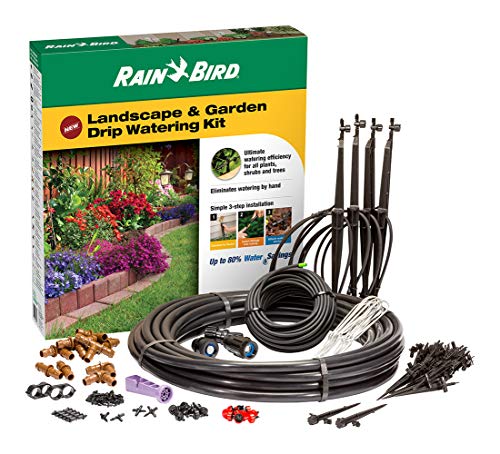
Most sunny yards need some form of irrigation planning, even if the design leans on drought-tolerant plants. The question is not whether to water, but how to water efficiently. Sprinklers, drip lines, and zone planning should fit the lawn, beds, and trees without soaking one area and starving another.
Efficient irrigation matters because full sun dries soil quickly and magnifies coverage mistakes. Poorly aimed sprinklers waste water and can leave dry strips near beds or overwatered spots near paved edges. If the system exists already, ask for a coverage check before planting begins.
What irrigation planning should cover
- Sprinkler coverage and whether every zone reaches the intended root area.
- Efficiency, including overspray onto pavement or hardscape.
- Drip irrigation for beds that need slower, targeted watering.
- Startup in spring and winterization before freezing weather.
- Seasonal adjustments for hotter months, shade changes, and plant growth.
Extension and water-provider guidance generally favors watering deeply and less often, using drip for beds when possible, and adjusting schedules for season and soil type rather than watering on a fixed calendar. Suppose a 30-by-12-foot side yard gets strong sun and dries out fast near the fence. If the quote only covers planting and mulch, the new beds may still struggle. If the irrigation plan adds drip lines and adjusts coverage near the hottest section, the same yard can hold moisture longer and need less emergency watering.
How do I compare local quotes?
Compare quotes by scope, not just by total price. For sunny yard work, the bid should match materials, plant count, irrigation details, grading needs, and maintenance level. Multiple estimates help you see where one pro included soil work or winterization and another left those items out.
Instead of focusing on a consultation price range, ask each company what is included, what is excluded, and what changes could add cost later. That keeps the comparison grounded in the actual work, especially for drainage, irrigation, and plant selection.
What to compare line by line
- Plant list with sun tolerance and region fit.
- Mulch type and depth.
- Irrigation repairs, new zones, or seasonal service.
- Drainage, grading, or erosion control work.
- Hardscape materials and placement.
- Maintenance tasks such as mowing, weeding, trimming, and cleanup.
- Exclusions, timelines, and who handles permits if needed.
Also compare credentials in practical terms. A design pro helps shape the plan, especially where sunlight, layout, and plant selection need careful coordination. A contractor does the build and service work. For larger or more complex grading or structural issues, a landscape architect may be a better fit.
Focus on vendors that state scope clearly and separate design, installation, and maintenance terms. That makes it easier to compare apples to apples and avoid surprise change orders when sun exposure, drainage, or irrigation needs are more complex than they first appear.
Common quote gaps to watch
- Plant specs that ignore heat tolerance or reflected heat.
- Irrigation wording that does not say whether coverage was checked.
- Grading language that never mentions runoff or erosion risk.
- Mulch listed without depth or bed coverage.
- Maintenance included at a level that does not fit the plant load.
Service package options for sunny yards
| Package | Best use case | Included services | Typical risks | What to ask in quotes |
|---|---|---|---|---|
| Refresh | A yard with workable soil and acceptable irrigation that mainly needs visual cleanup | Plant replacement, mulch, edging, pruning, cleanup | Hidden irrigation leaks, thin mulch, plants still mismatch the sun | Which plants are full-sun rated, how deep mulch will be, and what is excluded |
| Irrigation-first | A yard where plants fail because beds dry out too fast or sprinklers miss target zones | Coverage check, drip conversion, repairs, seasonal adjustments, then planting | Plants may still struggle if soil is compacted or beds are poorly graded | Whether the system will be zoned by exposure and whether startup or winterization is included |
| Slope/drainage-first | A sunny yard with runoff, erosion, pooling, or fast-draining beds that cannot hold moisture | Grading, drainage correction, erosion control, soil prep, then planting | Costs can rise if hidden subsurface issues appear after work starts | How runoff will be redirected, what soil work is included, and what triggers a change order |
| Full redesign | A problem yard with heat stress, poor drainage, weak irrigation, and a layout that needs rethinking | Design, planting, irrigation, grading, mulch, hardscape planning, and maintenance setup | Most expensive option; scope can expand quickly without a clear plan | Who handles design decisions, what materials are specified, and how maintenance will be handed off |
Frequently asked questions
What landscaping services are best for a full-sun yard?
The best services usually combine plant selection, mulch, irrigation, and grading rather than treating sun as a simple planting issue. Add hardscape only after heat, runoff, and maintenance needs are clear. For many yards, the right mix also includes mowing, weeding, trimming, and seasonal cleanup.
How do I choose plants that can handle direct sun and heat?
Start with region-appropriate plants rated for direct sun and local climate, then check how much reflected heat reaches the bed. Favor species with proven heat tolerance and lower water demand. A mixed design with trees, shrubs, and flowers gives you structure without relying on one plant type.
What should a landscaper check before designing a sunny yard?
A good first check includes sun hours, reflected heat, drainage, compaction, slope, runoff paths, and irrigation coverage. The pro should also note stress already showing on existing plants. Those details tell you whether the yard needs soil work, grading, new watering zones, or a different plant palette.
Do I need irrigation for a sunny yard design?
Usually, yes, even if the plan leans drought-tolerant. Full sun increases evaporation and can make some zones dry out unevenly. Efficient sprinkler coverage or drip lines help protect new plantings, lawns, and trees, especially where soil is shallow, sloped, or next to hard surfaces.
How much do landscaping services for a sunny yard usually cost?
Cost varies with property size, slope and drainage, climate, and how much work the site needs before planting starts. Because scope varies so much, ask for itemized quotes instead of relying on a generic price range. A simple refresh costs less than a project that adds grading, irrigation changes, new beds, and hardscape.
What’s the difference between a design pro and a landscaper?
A design pro plans the layout, plant selection, and overall site fit, including how much sun the yard receives. A landscaper or contractor handles the physical work, such as planting, mowing, irrigation, hardscape, and maintenance. Complex grading or structure may call for a landscape architect.