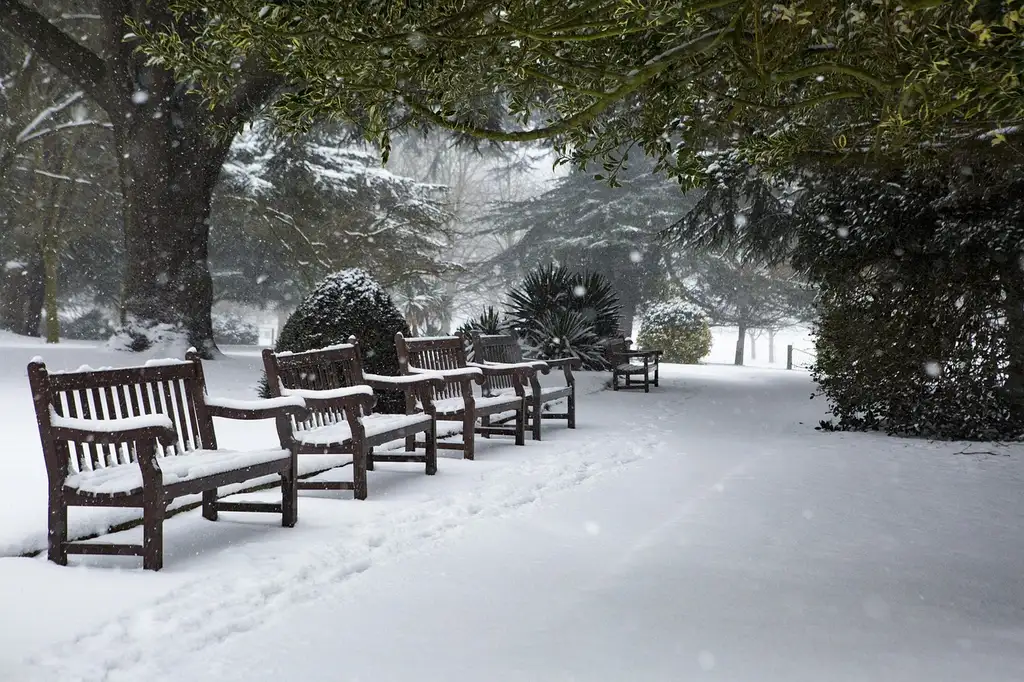
Landscaping Services for Winter Yard Protection
The best yard protection services for winter are irrigation blowouts, tree and shrub pruning, leaf removal, mulching, and drainage fixes, scheduled before freezing weather sets in. Skip them and you risk burst pipes, snow-lodged branches, root damage, and expensive spring repairs. This guide matches each service to the winter failure mode it prevents and helps you prioritize what to do first.
Winter yard protection services
Think of winter prep as a failure-prevention list. Sprinkler winterization is commonly used to help protect pipes, valves, and backflow components from freeze damage. Gutter cleaning reduces overflow and ice-related drainage issues. Yard clean up limits matting, mold, and pests under snow. Tree work, hedge trimming, mulch, drainage fixes, and snow clearing each address a different way winter damages a property.
What each service prevents
Each service should map to one problem. Drain irrigation before freezing temperatures to keep water from expanding inside lines. Clear gutters before storms to stop overflow and ice buildup. Cut back weak limbs before snow load builds. Add mulch to moderate soil temperature swings. Re-route runoff before thaw cycles turn wet spots into ice patches.
When to schedule it
The safest window is before the first hard freeze, not after a cold snap starts. Some jobs also need earlier timing: seeding and aeration are usually fall prep services, while leaf cleanup is best after leaf drop and before snow cover. Snow clearing belongs on standby before forecast storms, especially for entrances, walks, and driveways.
DIY or pro?
Some tasks are reasonable for homeowners. Raking leaves, light debris pickup, and basic bed cleanup are often DIY-safe. Irrigation shutdown, tree hazard pruning, grading, and any work near roofs or steep slopes are better left to a pro. Snow removal can also move from simple to risky fast when surfaces ice over or drifts pack hard.
Do you need sprinkler winterization before the first freeze?
Yes. If an irrigation system still holds water when temperatures drop below freezing, the pipe sections, valves, and backflow device can crack or split. Sprinkler winterization means draining and shutting down the system before freezing temperatures arrive, which is why it belongs near the top of any winter yard checklist.
What winterization includes
A proper shutdown clears water from the lines and turns the system off for the season. Many service menus list sprinkler winterization alongside seasonal sprinkler start-up, which is a useful sign that the provider treats irrigation as a seasonal system, not a year-round one. That is the service to request, not a generic “check the sprinklers” visit.
Warning signs it is overdue
Standing water in sprinkler heads, damp patches after zones run, and a forecast that has already dipped near freezing are all warning signs. If the controller is still active, the work is late. If exposed backflow parts are visible and the first hard freeze is close, the system should be winterized immediately.
Best timing window
Schedule it before the first hard freeze, and do not wait for the first snow event. In cold climates, that often means early to mid-fall. In milder areas, the right date depends on local frost timing, but the rule stays the same: drain and shut down before repeated freezing nights start.
What should go in a winter yard cleanup?
A winter yard cleanup should remove leaves, sticks, and loose debris before snow cover traps them in place. That cuts down on matting, mold, and pest habitat. It also keeps hardscape edges clearer, so melting snow has a path to drain instead of collecting in soggy piles or icy strips.
Leaves, sticks, and debris
Leaves left on turf can mat down under snow and block airflow. Sticks and twigs can puncture turf, snag mowers later, and hide drainage problems. A good cleanup service clears these materials from lawns, planting beds, and around walkways before they become compacted under wet weather.
Beds, turf, and hardscape edges
Look for cleanup along fence lines, under shrubs, around patios, and where lawn meets stone or concrete. Those edges trap debris and are the first places snowmelt tends to pool. If a property has a lot of shade, extra attention matters because trapped moisture dries more slowly.
What to leave in place
Not everything should be stripped bare. Healthy mulch can stay in place, and some ornamental grasses or plant stems may be left if they are part of the yard plan. The goal is to remove loose material that will smother turf or collect moisture, not to bare every bed to soil.
How do landscapers protect shrubs and trees?
They usually combine hedge trimming, tree work, and mulch. Hedge trimming reduces wind catch and snow accumulation on shrubs. Tree work is often used to remove weak, dead, or badly attached limbs before they fail under ice or snow. Mulch helps protect roots from temperature swings and helps soil hold moisture into winter.
Hedge trimming before snow load
Hedge trimming should be light and purposeful. The point is to tidy shrubs so they do not trap as much snow or bend under winter winds. Overgrown hedges can split or splay when wet snow sticks to broad surfaces. A pre-winter trim reduces that load without forcing tender new growth too late in the season.
Tree work for weak or dead limbs
Tree work belongs to the areas with the highest breakage risk. Weak crotches, dead branches, and limbs that already overhang roofs or driveways are the first to fail when snow piles up. This is not a cosmetic prune. It is hazard reduction aimed at preventing impact damage, blocked access, and broken canopy limbs.
Mulch for root insulation
A fresh layer of mulch helps insulate beds and roots against temperature swings and helps retain soil moisture into winter. That matters most around new plantings and shallow-rooted shrubs. Keep mulch off stems and trunks, and use it as a bed service, not as a blanket across turf or hardscape.
Picture a corner lot with two young shrubs near a sidewalk and a maple limb hanging over the driveway. If a snowstorm hits before pruning, the limb can shed ice onto the drive and the shrubs can bend into the walk. A short hedge trim and hazard prune before the storm change the failure mode completely.
Drainage and grading before freeze-thaw
Drainage and grading can be an important winter service on wet sites because it helps re-route water away from problem areas before freeze-thaw cycles create pooling, runoff, and ice. If water sits near foundations, walks, or low beds, winter turns a drainage issue into a surface hazard.
Pooling and runoff problems
Look for places where water lingers after rain or irrigation. Those spots often become frozen slicks later. Grading adjustments, downspout management, and drainage corrections can move water away from spots that repeatedly get saturated. Beechtree Landscape and Design says it assesses the current condition of your yard and includes drainage and grading in its property planning.
Ice risk around walks and foundations
Water that reaches walkways, driveways, or foundation edges can freeze into thin ice sheets that are hard to see. That is a safety issue and a property issue. Better drainage reduces the chance of repeated thaw-and-freeze cycles creating slick patches, especially where snow melts from sun exposure and then refreezes overnight.
Sites that need this first
Sloped yards, shaded yards, and properties with low spots should move drainage work to the top of the list. New plantings in poorly drained soil also need attention because roots can be stressed by repeated saturation and cold. If a site already had standing water in fall, do not wait until spring to fix it.
Low-maintenance yards still need winter prep
Low-maintenance does not mean no maintenance before winter. Slopes need runoff control, shaded yards need debris removal and drainage checks, and new plantings need root protection. Mature trees may need selective pruning, while low-maintenance beds still benefit from mulch and, in some cases, fall seeding and aeration.
Slopes and shaded yards
Slopes shed water quickly, which can leave erosion and ice at the bottom edge. Shaded yards hold moisture longer and freeze later, then thaw unevenly. Those conditions make drainage, cleanup, and mulch more important than in a sunny flat yard. If the yard already stays wet in fall, it will likely stay wet into winter.
New plantings and mature trees
New plantings need protection from temperature swings and drying wind. Mature trees need inspection for structural defects, dead wood, and overextended limbs. A low-maintenance property can still need targeted help; the difference is that the work is selective, not broad. You ask for the specific risk to be handled, not a full overhaul.
Fall seeding and aeration
Seeding and aeration are usually fall prep services, but they matter because they support spring recovery after winter stress. Aeration helps relieve compaction, and overseeding can improve turf resilience heading into cold weather. If the lawn is thin or compacted now, waiting until spring can leave bare spots exposed to runoff and heaving.
Suppose a shaded side yard has thin turf, a clogged downspout nearby, and a bed edge that stays damp. One drainage correction, one cleanup pass, and a mulch refresh can do more for winter protection than a broad “general maintenance” visit that never addresses the wet corner.
When should you schedule winter services?
Schedule winter yard services in three windows: before the first hard frost for irrigation, pruning, mulch, and drainage; after leaf drop for cleanup and gutter work; and before snowstorms or thaw cycles for snow clearing and last-pass hazard reduction. The key is to match the job to the weather trigger it is meant to beat.
Before the first hard frost
This is the deadline for sprinkler winterization, most tree work, hedge trimming, and drainage fixes. Once repeated freezes begin, irrigation and soil conditions become harder to work with. If a service depends on dry ground or unfrozen lines, it should be on the calendar before temperatures start swinging below freezing overnight.
After leaf drop
Leaf drop is the right time for gutter cleaning and yard clean up. Doing it too early means another wave of debris can undo the job. Doing it too late means snow cover traps the mess. If gutters are already overflowing in rain, or leaves are banked against the foundation, the service is overdue.
Before snowstorms and thaw cycles
Snow clearing is the service you plan around weather alerts, not the calendar. It keeps walkways, driveways, and entrances open after storms. In areas with repeated thaw and refreeze, pre-storm drainage checks matter because melting snow can move into low spots and freeze again in the wrong place.
Winter yard protection service matrix
This matrix ties each winter risk to the service that addresses it, the best timing window, and the sign that says the job is already late. Use it to prioritize what to request first, especially if you have several weak points on the same property.
| Winter risk | Service to request | Best timing window | Warning signs it is overdue |
|---|---|---|---|
| Freeze damage to irrigation lines, valves, and backflow parts | Sprinkler winterization | Before the first hard freeze | Controller still active, water in heads, cold nights already forecast |
| Overflow, ice buildup, and drainage trouble | Gutter cleaning | After leaf drop, before winter storms | Leaves at the roofline, water spilling over edges, icicles at downspouts |
| Matting, mold, and pest habitat under snow | Yard clean up | Before snow cover | Loose leaves, sticks in beds, debris trapped along edges |
| Root stress from temperature swings and dry winter soil | Mulch | Before sustained cold | Bare beds, exposed roots, thin coverage around new plantings |
| Snow- and ice-lodged limb breakage | Tree work | Before major snow events and hard freezes | Dead limbs, cracked branches, overhang near structures or drives |
| Pooling, runoff, and freeze-thaw ice patches | Drainage and grading | Before repeated freeze-thaw cycles | Standing water, soggy low spots, water near walks or foundations |
| Wind breakage and snow accumulation on shrubs | Hedge trimming | Before winter winds and heavy snow | Overgrown shrub mass, bent branches, foliage rubbing walkways |
| Blocked access and unsafe walk surfaces | Snow clearing | Before and after snowstorms | Paths narrowing, packed snow on entries, drifting at driveways |
| Thin turf and poor spring recovery | Seeding and aeration | Usually in fall, before winter sets in | Compacted soil, bare spots, weak turf density |
What to ask for before winter
Ask for the service name, not a vague maintenance visit. Say whether the concern is freeze damage, snow load, runoff, or access. If the property has more than one risk, request the highest-priority service first: irrigation shutdown, drainage work, or tree hazard reduction. That keeps the job focused and easier to compare across providers.
What to inspect after the first freeze
Check for active leaks at irrigation parts that were missed, new sagging in shrubs or limbs, and water that has frozen where it should not. Look at gutters during the next thaw for overflow traces. If a low spot becomes ice after a light melt, the drainage issue is still there and needs attention.
Frequently asked questions
What yard services help protect my property in winter?
The most useful services are sprinkler winterization, gutter cleaning, yard clean up, mulch, tree work, drainage and grading, hedge trimming, snow clearing, and fall seeding and aeration. Each one targets a specific failure mode, such as burst pipes, ice buildup, branch breakage, or root stress.
When should I schedule winter yard services?
Book irrigation shutdown, pruning, mulch, and drainage work before the first hard freeze. Schedule leaf cleanup and gutter cleaning after leaf drop and before the first winter storm. Line up snow clearing before a forecast storm so access paths can be opened quickly after snowfall.
How do landscapers protect shrubs, trees, and beds from frost?
They usually combine hedge trimming, tree work, and mulch. Trimming reduces snow catch and wind stress, tree work removes weak or dead limbs before they fail, and mulch insulates roots while helping soil hold moisture into winter. The right mix depends on the plant type and exposure.
How much does winter yard protection usually cost?
Costs usually depend on property size, access, and how many services you bundle. One-off visits are often priced differently from seasonal bundles that combine cleanup, winterization, and snow services. If you need a precise number, ask for a line-item estimate so you can compare irrigation, drainage, and tree work separately.
What winter services should I ask for if I have a low-maintenance yard?
Start with the risks, not the style of the yard. Ask for drainage and grading if water pools, mulch for new beds, selective tree work for weak limbs, and cleanup around shrubs and hardscape edges. Add seeding and aeration in fall if the turf is thin or compacted, and keep snow clearing in mind for access paths.