
Selling a home is rarely as simple as sticking a sign in the yard and waiting for buyers to come knocking. In today’s competitive real estate market, every detail matters—especially what’s outside your front door. While many homeowners obsess over kitchen remodels and interior paint, it’s the landscaping that often wields the most immediate and powerful influence on a buyer’s first impression. In fact, the difference between a quick, above-asking sale and a languishing listing can hinge on the state of your lawn, shrubs, and overall curb appeal.
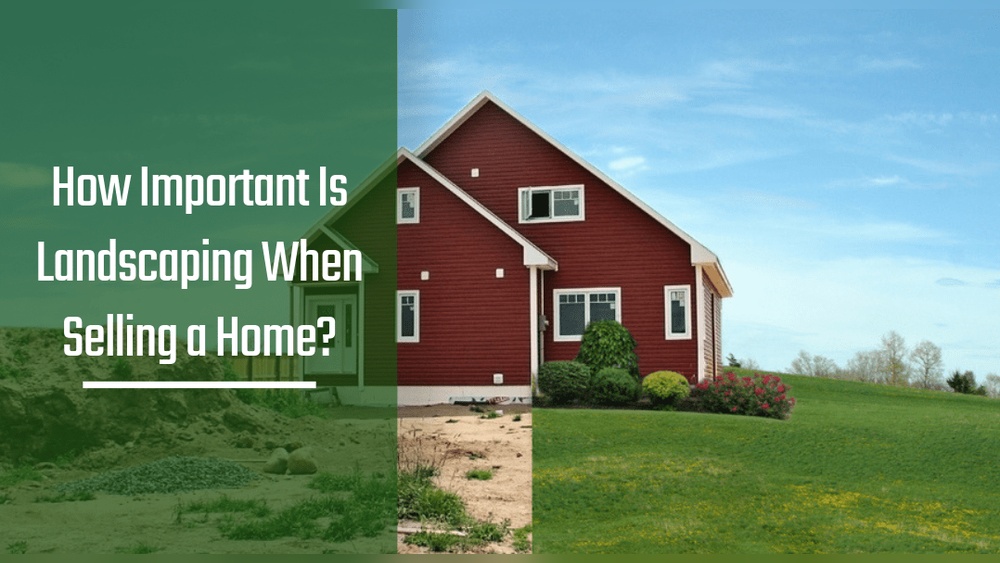
But is landscaping really that important when selling a home? The answer, supported by decades of real estate data and buyer psychology, is a resounding “yes. ” Studies show that well-designed and maintained landscaping can boost a home’s value by as much as 5% to 15%.
Beyond numbers, landscaping sets expectations, communicates care and quality, and helps potential buyers envision themselves enjoying the property. Let’s explore why landscaping is so critical in the home-selling process, how it impacts valuation, and the specific strategies that yield the highest returns.
Key Takeaways
- Landscaping significantly boosts home value and can speed up the sale process by enhancing curb appeal.
- First impressions are crucial—buyers often decide in seconds if they’re interested, and landscaping is a key factor.
- Strategic improvements like fresh mulch, trimmed hedges, and colorful flowers offer high ROI with modest investment.
- Neglected landscaping can decrease perceived value and deter potential buyers, leading to longer time on market.
- Professional landscaping isn’t always necessary—DIY projects can deliver substantial results if done thoughtfully.
- Local climate and market expectations should guide landscaping choices for maximum impact.
Why Landscaping Matters In Home Sales
The Psychology Of First Impressions
The first impression of a property is formed within seconds of arrival. Numerous studies in environmental psychology underscore that humans are wired to judge quickly based on visual cues. A lush, tidy yard signals pride of ownership and suggests that the rest of the home is well-cared for. Conversely, overgrown grass, dying plants, or a barren yard raise red flags about potential hidden issues inside.
In fact, researchers have found that buyers mentally “rank” homes within moments of seeing the exterior. This snap judgment can color their entire experience of the showing—making them more likely to overlook minor flaws inside if the landscaping excites them, or more critical if the exterior disappoints.
The front yard is, in effect, the handshake your home extends to every potential buyer.
Curb Appeal And Marketability
Curb appeal is consistently cited by real estate professionals as a top factor in both attracting buyers and commanding higher offers. According to a 2026 survey by the National Association of Realtors (NAR), 94% of agents recommend improving landscaping before listing a home. Homes with standout landscaping sell up to 10% faster, and often for a premium.
Curb appeal is more than just a buzzword—it’s a measurable factor in how long a home stays on the market and how much leverage sellers have during negotiations. Attractive landscaping, especially in the front yard, can create a sense of invitation, warmth, and desirability.
Simple features like a well-defined walkway, trimmed hedges, and seasonal flowers can make the difference between a buyer stopping for a tour or driving by without a second glance.
Landscaping’s Impact On Appraisals
Appraisers take landscaping into account when determining fair market value. Features like mature trees, well-defined garden beds, and healthy lawns can tip the scales in favor of a higher appraisal. In some regions, especially suburban or upscale neighborhoods, landscaping is not just a bonus—it’s an expectation.
In competitive markets, appraisers may compare your property to similar homes that have invested in landscaping. If your yard lacks the features that are standard in your area, it could result in a lower valuation—even if the interior is updated.
Conversely, exceptional landscaping can set your home apart and justify top-of-the-market pricing.
Data-driven Evidence
A landmark study by Virginia Tech found that landscaping can increase a property’s perceived value by up to 12. 7%. Zillow’s 2026 Consumer Housing Trends Report noted that homes with attractive landscaping photos received 30% more online views and inquiries.
These numbers reinforce that landscaping isn’t just aesthetic—it’s a measurable investment.
Additional research by Michigan State University found that buyers are willing to pay up to 11% more for a home with excellent landscaping versus one with average or poor landscaping. These statistics highlight how buyers and appraisers alike place tangible value on a property’s exterior presentation.

Credit: www.butchsaunders.com
The Financial Impact Of Landscaping: Roi Analysis
Landscaping Vs. Other Home Improvements
How does landscaping stack up against more traditional upgrades like kitchen remodels or bathroom renovations? Let’s compare average returns:
| Home Improvement | Average Cost | Average ROI (%) |
|---|---|---|
| Landscaping | $3,500–$5,000 | 100–200% |
| Minor Kitchen Remodel | $15,000–$20,000 | 70–80% |
| Bathroom Remodel | $10,000–$15,000 | 60–70% |
| Exterior Paint | $2,500–$4,000 | 80–110% |
As seen above, landscaping often delivers the highest ROI, outperforming even popular interior upgrades. The reason is simple: landscaping touches every buyer who sees your listing, both online and in-person, creating a larger pool of potential buyers and often sparking competitive bidding.
Specific Features That Add Value
Not all landscaping is created equal. Research from the National Association of Landscape Professionals highlights the following high-impact features:
- Lawn care (regular mowing, fertilization): A dense, green lawn is universally appealing and signals attentive maintenance.
- Mulched garden beds: Mulch not only suppresses weeds but also creates clean lines and a finished look.
- Native plants: These are adapted to local climates and typically require less water and maintenance, which today’s buyers appreciate.
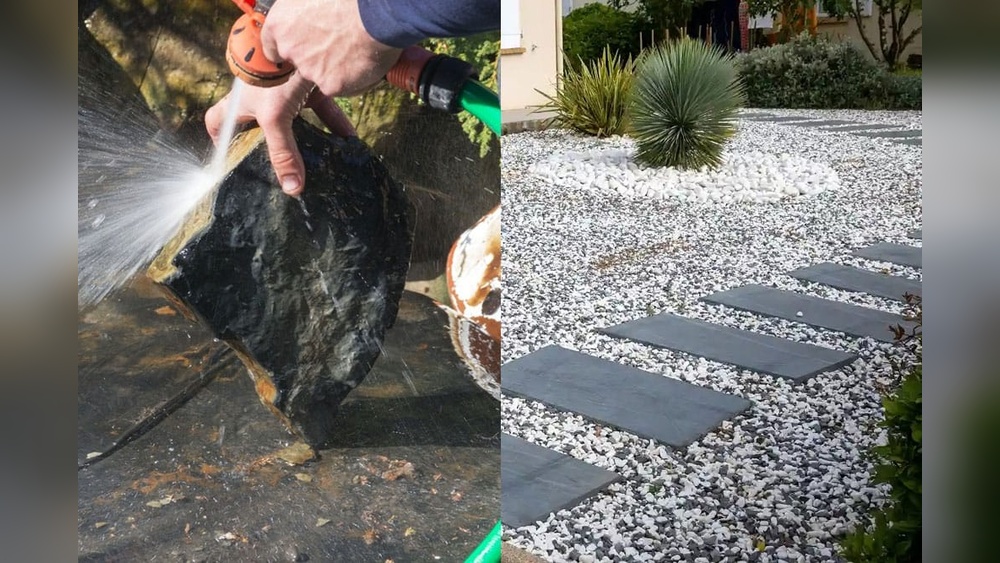
- Defined walkways: Stone, brick, or well-edged concrete paths create a sense of order and guide buyers to the entry.
- Strategic outdoor lighting: Illuminates key features and improves safety, while extending usability into the evening.
- Mature trees: Trees provide shade, energy savings, and a sense of permanence, which are highly valued.
Cost Vs. Value: Real Examples
Consider a homeowner who invests $4,000 in professional landscaping—fresh sod, a stone walkway, and perennial flower beds. According to HomeLight, such improvements typically yield a $7,000–$8,000 increase in perceived market value.
Alternatively, a DIY approach—edging the lawn, planting annuals, and power-washing walkways for under $500—can still add $2,000–$3,000 in value, making landscaping one of the most cost-effective pre-sale strategies.
In higher-end markets, the numbers scale: a $15,000 investment in landscaping for a luxury home can yield $30,000 or more in increased value and a much quicker sale, according to the National Association of Realtors.
Regional Variations
ROI can fluctuate by region and climate. In drought-prone states like California, xeriscaping or water-wise gardens are highly desirable. In the Midwest, lush lawns and shade trees are valued. Tailoring your landscaping to local tastes maximizes returns.
For example, in the Southwest, cacti and succulents are preferable to turf grass, while in the Southeast, buyers expect flowering shrubs and broadleaf evergreens. Matching your landscape to local expectations helps avoid “out of place” plantings that could detract from value.
Credit: www.zillow.com
Key Elements Of High-value Landscaping
Lawn Health And Presentation
A healthy, green lawn is the foundation of attractive landscaping. Buyers associate lush grass with well-maintained homes. Simple steps like aerating, overseeding, and regular mowing can have an outsized impact.
Additionally, patchy or bare spots should be addressed before listing. Investing in a season’s worth of fertilizer and weed control can transform a tired lawn and pay off at sale time. Even in regions where water is scarce, substituting turf with attractive groundcovers or artificial turf can yield similar positive results.
Flower Beds And Plant Selection
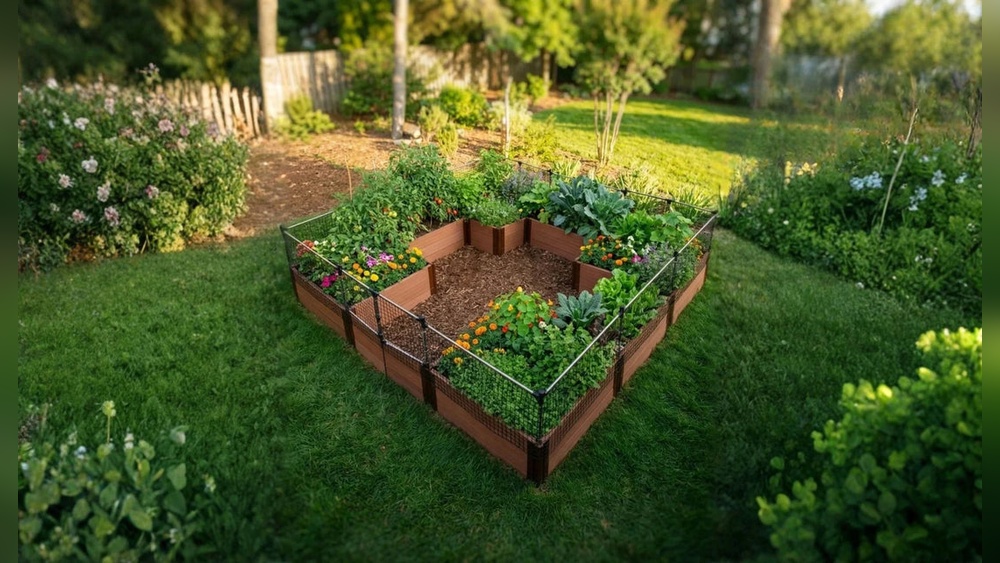
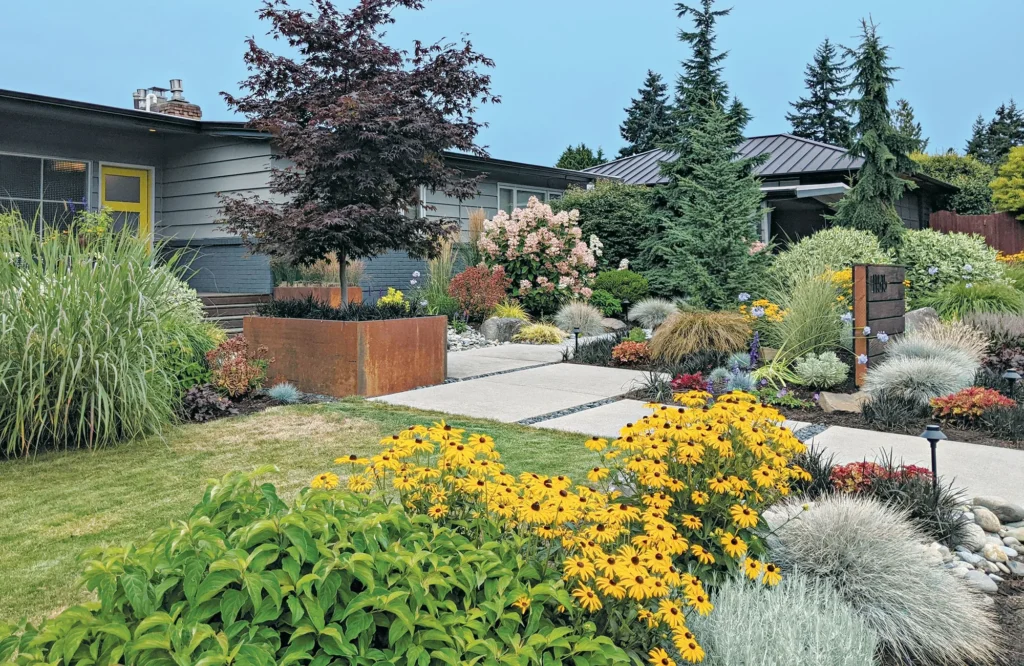
Colorful, layered flower beds catch the eye and create a welcoming feel. Opt for low-maintenance perennials and native plants, which offer seasonal interest and are easier for new owners to maintain.
When designing beds, use a mix of heights, textures, and bloom times to ensure color throughout the selling season. Grouping plants in odd numbers and using curves instead of straight lines can create a more natural, appealing look. Adding decorative borders or edging stones can help define beds and keep mulch in place.
Trees, Shrubs, And Privacy Features
Mature trees can increase home value by thousands, provide shade, and enhance privacy. Well-placed shrubs and hedges define boundaries and screen unsightly views, adding both function and beauty.
Evergreen shrubs offer year-round greenery, while deciduous varieties can provide seasonal color. Consider using fast-growing options for quick impact or flowering shrubs for added visual appeal. For privacy, staggered plantings or living fences can be more attractive than solid walls and appeal to buyers seeking both aesthetics and seclusion.
Walkways, Edging, And Hardscaping
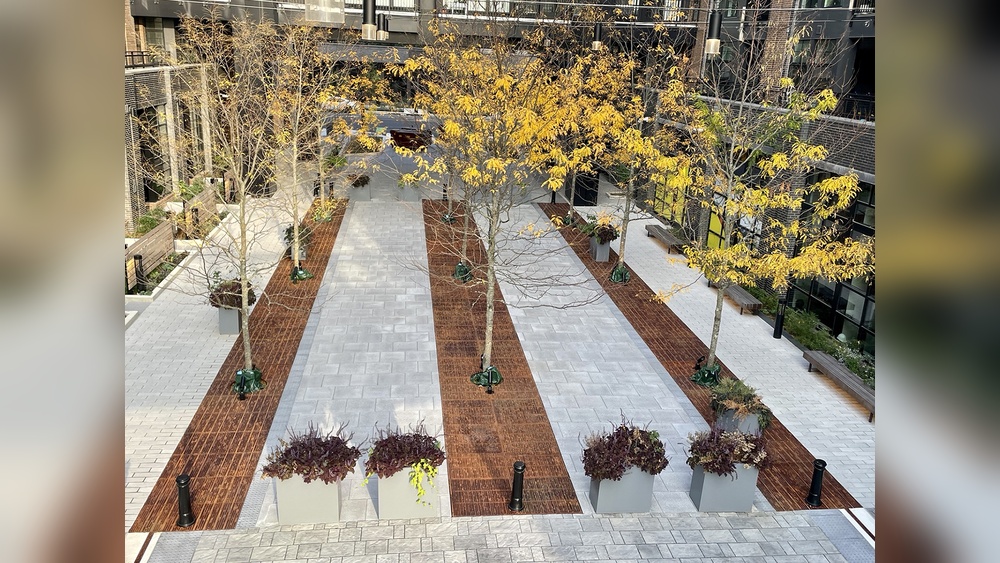
Defined paths and clean edges create a sense of order. Materials like stone or brick add a premium touch. Hardscaping elements—retaining walls, patios, or fire pits—extend the living space outdoors.
Adding or upgrading a patio space can be especially valuable, as buyers increasingly view outdoor areas as extensions of the home. Even simple touches like a new gravel path or paver stones can make the yard more usable and inviting.
Lighting And Nighttime Appeal
Outdoor lighting not only boosts safety but also highlights landscaping features after dark. Solar path lights, uplighting on trees, and illuminated entryways create ambiance and enhance security.
Well-placed lighting can accentuate architectural features, guide visitors safely, and allow the home to “shine” during evening showings or open houses. Motion-activated lights near entrances or garages also add perceived security, which is a selling point for many buyers.
Sustainability And Low-maintenance Design
Today’s buyers value eco-friendly landscaping—drought-tolerant plants, efficient irrigation, and mulching to retain moisture. These choices reduce upkeep and appeal to environmentally conscious buyers.
Installing a drip irrigation system, choosing plants that require minimal mowing or watering, and using organic mulches or compost can all position your home as a smart, sustainable choice. Rain gardens or bioswales can also demonstrate environmental responsibility and help manage stormwater runoff.
Credit: www.bloomatree.com
Case Studies: Real-world Impact Of Landscaping
Case Study 1: The Quick Sale In Suburbia
A Chicago-area homeowner invested $3,200 in new sod, perennial beds, and LED pathway lighting. The home had previously sat unsold for three months. After landscaping improvements, the property sold within two weeks—at $12,000 above the original asking price.
This example illustrates how addressing landscaping can quickly change the trajectory of a stagnant listing. The agent noted that the number of scheduled showings doubled after the updates, and buyer comments frequently mentioned the inviting yard.
Case Study 2: Small Budget, Big Results
In Austin, Texas, a seller spent just $450 on mulch, container plants, and lawn edging. The agent reported significantly more showings, and the home sold in four days—compared to the neighborhood average of 21 days.
Even modest investments can deliver outsized returns, particularly in starter home markets. The seller’s willingness to tidy and enhance the yard signaled to buyers that the house was move-in ready.
Case Study 3: Luxury Market Expectations
A $1. 2 million listing in Los Angeles was languishing despite a modern interior. The homeowners invested $15,000 in landscape design, including mature palms, outdoor seating, and water features. The property subsequently received multiple offers and closed at full price.
In high-end markets, landscaping is not just about curb appeal—it’s about lifestyle. Outdoor entertaining spaces, dramatic plantings, and unique features are often expected, and their absence can be a dealbreaker.
Lessons Learned
These examples underscore that landscaping improvements can accelerate sales and boost offer prices—regardless of budget or market segment. Whether you’re spending a few hundred or several thousand dollars, the key is focusing on visible, high-impact areas and ensuring the yard complements the home’s style and local market expectations.
Landscaping Mistakes That Can Hurt Your Sale
Overgrown Or Neglected Yards
Nothing turns off buyers faster than knee-high grass, weeds, or dying plants. Neglected landscaping signals deferred maintenance and suggests other hidden problems.
Even if the interior is immaculate, buyers may assume the home has similar issues inside if the exterior looks uncared for. Regular mowing, weeding, and pruning are essential—especially during the selling season.
Excessive Personalization
While whimsical garden gnomes or elaborate koi ponds may delight some, they can alienate buyers with different tastes. Stick to neutral, universally appealing designs.
Unusual statuary, brightly colored fences, or themed gardens can make it harder for buyers to envision themselves in the space. If you have strong personal preferences, consider removing or minimizing those elements before listing.
High-maintenance Choices
Complex water features, exotic plants requiring special care, or labor-intensive gardens may intimidate buyers seeking a move-in-ready home. Opt for simplicity.
Features that require extensive upkeep can be seen as a burden rather than a benefit. Choose resilient, low-maintenance plants and avoid elements that might seem like a chore to maintain.
Ignoring Local Climate
Planting species unsuited to the regional climate results in brown, struggling vegetation. Use local extension office resources or consult with a pro to select appropriate plants.
Plants that thrive in your area will look better with less effort and reassure buyers that the landscape will remain attractive without major intervention.
Blocking Views Or Light
Overgrown shrubs or poorly placed trees that block windows, vistas, or natural light can make interiors feel dark and uninviting.
Prune or remove any plants that obscure architectural features or block sunlight from entering key rooms. Emphasize openness and natural light to enhance the buyer’s experience.
Diy Landscaping Vs. Professional Services
When Diy Makes Sense
Many landscaping improvements can be tackled by homeowners with basic tools and some research. Mowing, mulching, planting flowers, and weeding are low-cost, high-impact projects.
DIY landscaping allows for personalization and cost control, and online tutorials or local garden centers can provide valuable guidance. However, be realistic about your abilities—uneven beds, poor plant choices, or unfinished projects can detract from your efforts.
Benefits Of Professional Landscaping
For complex jobs—grading, tree removal, irrigation systems, or landscape design—professional landscapers bring expertise and efficiency. They can also enhance curb appeal with advanced techniques and plant selections.
Professionals have access to wholesale plants, specialized equipment, and design knowledge that can maximize your investment. They can also complete projects quickly—an important factor if you’re preparing for a listing deadline.
Cost Comparison Table
| Project Type | DIY Average Cost | Professional Average Cost | Potential ROI |
|---|---|---|---|
| Lawn Mowing/Edging | $50–$100 | $150–$300 | 100–150% |
| Mulching Beds | $100–$200 | $300–$500 | 100–200% |
| Planting Flowers/Shrubs | $50–$250 | $400–$800 | 75–150% |
| Landscape Design (Full) | N/A | $2,000–$7,000 | 100–200% |
Tips For Homeowners
- Assess your own skills and available time.
- Focus DIY efforts on visible, manageable tasks.
- Hire pros for structural work, tree pruning, or major design changes.
Remember to check local regulations or HOA rules before making significant changes, such as removing trees or altering drainage patterns.
Leveraging Both Approaches
Many sellers achieve the best ROI by combining DIY and professional services—handling routine maintenance themselves, while investing in professional touch-ups for maximum impact.
For example, you might mow and weed yourself, but bring in a landscaper to install a new walkway or design a focal planting bed. This approach balances budget and results, ensuring your yard looks its best without overspending.
Landscaping Strategies For Maximum Curb Appeal
Prioritize The Entryway
The front door area is a buyer’s focal point. Frame the entry with symmetrical planters, fresh paint on the door, and a clean, inviting path. Consider adding a seasonal wreath or welcome mat.
A well-lit, clearly marked entry signals hospitality and safety. Even simple upgrades like replacing worn doormats or updating porch lights can make a difference.
Keep It Tidy
Regularly rake leaves, pick up branches, and keep pathways clear. Neatness conveys care and attention to detail.
Remove any clutter, toys, or tools from the yard. Store hoses neatly, trim back overhanging branches, and sweep driveways and walks before every showing.
Add Pops Of Color
Use flowering annuals or perennials in beds and containers to create visual interest. Choose colors that complement your home’s exterior.
Red, yellow, and purple flowers tend to attract the eye, while white blooms can brighten shady areas. Swap out plants seasonally to keep the look fresh.
Upgrade Mailboxes And House Numbers
Small touches like a modern mailbox or new address numbers can subtly elevate perceived value.
Choose fixtures that match your home’s style, and ensure they’re clearly visible from the street.
Maintain Fences And Gates
Repair or paint fences and gates to ensure they look sturdy and well-kept.
A sagging gate or peeling paint can undermine even the best landscaping efforts. A fresh coat of paint or stain can work wonders.
Use Mulch Generously
Fresh mulch in garden beds instantly refreshes the landscape and suppresses weeds.
Mulch also helps retain soil moisture and insulates plant roots, making it both attractive and practical.
Invest In Outdoor Lighting
Solar lights along pathways and accent lights on trees or architectural features add drama and safety.
Lighting can also highlight your home’s architectural details and make evening showings more successful.
Highlight Unique Features
If you have a porch, patio, or water feature, make sure it’s clean and staged to show off its potential.
Arrange furniture to suggest gatherings, and keep water features clean and functioning. Small touches like outdoor cushions or potted herbs can help buyers picture themselves relaxing in the space.
Seasonal Adjustments
Adapt your landscaping to the season—blooming plants in spring, tidy beds in summer, pumpkins or mums in fall, and evergreens or lights in winter.
Keeping your yard seasonally appropriate ensures it always looks its best and appeals to buyers’ emotions.
How Landscaping Influences Buyer Perception
Sets Expectations For The Interior
A well-landscaped exterior primes buyers to expect a similarly well-maintained interior. Conversely, a neglected yard sets a tone of disappointment before they even cross the threshold.
The “halo effect” often means buyers who are impressed by the exterior will be more forgiving of minor interior flaws, while a poor exterior sets a negative tone that’s hard to overcome.
Eases Buyer Concerns
Landscaping that’s neat and low-maintenance reassures buyers that they won’t face major outdoor projects immediately after moving in.
This is especially important for first-time buyers or those relocating from apartments, who may be intimidated by the prospect of significant yard work.
Differentiates In Competitive Markets
In neighborhoods where homes are similar, standout landscaping can make a property memorable and tip the scales in your favor.
Attractive landscaping can help your home stand out in online photos and during drive-bys, making it more likely to be shortlisted for showings.
Supports Online Listings
High-quality photos of beautiful landscaping draw more clicks and showings. Online listings with lush, colorful exteriors routinely outperform those with barren or cluttered yards.
Since most buyers start their search online, your landscaping is often the first thing they see—and the first thing they judge.
Emotional Connection
Landscaping encourages buyers to imagine themselves enjoying the space—hosting barbecues, playing with kids, or simply relaxing outdoors.
A well-designed yard can evoke visions of future gatherings, family time, and relaxation, making the home more appealing and memorable.
Professional Insights: What Real Estate Experts Say
Realtor Recommendations
According to a 2026 report by the National Association of Realtors (NAR Research & Statistics), nearly every agent surveyed recommends at least minor landscaping improvements before listing. They cite landscaping as one of the top three factors influencing sale price.
Realtors often advise starting with the basics—lawn care, mulching, and trimming—before considering larger investments, based on market conditions and the home’s price point.
Appraiser Opinions
A poll by the Appraisal Institute found that over 80% of appraisers adjust value upward for homes with mature trees, healthy lawns, and attractive gardens.
Appraisers note that landscaping is especially influential in markets where curb appeal is a point of differentiation, and that poor landscaping can be a justification for a lower value.
Buyer Surveys
A survey by Harris Interactive revealed that 71% of homebuyers believe curb appeal is “very important” in their decision-making process, with landscaping cited as the most influential element.
Buyers report that a well-kept yard makes them feel more confident about the rest of the property and more excited to tour the interior.
Home Stager Advice
Professional stagers, such as those quoted in the International Association of Home Staging Professionals (IAHSP), stress that the “wow factor” starts at the curb, and that landscaping delivers the best bang for the buck in preparing a home for sale.
Stagers recommend that sellers focus on simple, high-impact improvements that create an immediate positive reaction as buyers arrive.
Frequently Asked Questions
How Much Should I Budget For Landscaping Before Selling My Home?
Most experts recommend spending 1% to 2% of your home’s value on landscaping improvements before listing. For a $400,000 home, this means $4,000–$8,000. However, even $500–$1,000 spent on cleanup, mulching, and flowers can yield noticeable returns. Focus your budget on the front yard and entryway for maximum impact. For more budgeting tips, see the guide from the National Association of Realtors.
Can Diy Landscaping Really Make A Difference In Selling Price?
Absolutely. Simple DIY tasks like mowing, edging, planting annuals, and spreading mulch can dramatically improve curb appeal and buyer perception. While professional landscaping may add more value for complex projects, DIY improvements often deliver high ROI, especially if your yard is currently unkempt.
Consistent effort, even on a small scale, can have a big impact on both the sale price and time on market.
Which Landscaping Features Offer The Best Return On Investment?
The highest-ROI features typically include:
- Lawn care (healthy, green grass)
- Mulched garden beds
- Colorful flowers and shrubs
- Well-placed trees
- Defined walkways
- Outdoor lighting
Features like custom water installations or high-maintenance gardens can have lower ROI unless specifically desirable in your market.
Does Landscaping Really Affect Appraisal Values?
Yes. Appraisers factor in landscaping when determining a home’s fair market value. Features such as mature trees, privacy hedges, and attractive beds can prompt positive value adjustments. In competitive neighborhoods, strong landscaping can help your home appraise at the top of its range. For details, review this analysis by the Appraisal Institute.
Should I Hire A Professional Landscaper Or Do It Myself?
It depends on your skill level, available time, and the project’s complexity. DIY is great for routine maintenance, while professionals are best for design, major installations, or if time is short. Many sellers combine both approaches—DIY for the basics, pros for specialized work. For guidance, consult resources like the Angi landscaping guide.
Sources For Further Reading
- Zillow: Landscaping and Curb Appeal
- NAR Research & Statistics
- HouseLogic: Landscaping & Home Value
- International Association of Home Staging Professionals
- Wikipedia: Appraisal
- Angi: Landscaping DIY vs Pro
Whether you’re preparing to list your home next week or just starting to consider a sale, investing in landscaping is one of the smartest moves you can make. It’s not just about flowers and grass—it’s about creating a lasting impression, supporting your asking price, and standing out in a crowded market.
With the right strategy, your yard can be the “closer” that turns browsers into buyers.