Landscaping Services Guide
Landscaping services are often grouped into five broad buckets: design, site work, hardscaping, planting, and irrigation/drainage, while lawn care covers recurring mowing, fertilizing, and weed control. Pick the wrong mix and you can waste thousands on plants that fail, patios that hold water, or maintenance that never fixes the yard’s actual problem. I have seen all three happen on the same property. This guide breaks down what each service includes, how it differs from lawn care, what common yard problems each one solves, typical costs, and how to compare contractors and quotes.
What do landscaping services include?


Landscaping services include one-time planning and installation work, corrective site work, and recurring upkeep outside basic mowing. A standard scope may cover layout planning, grading, drainage, bed building, planting, mulch, pruning, and seasonal cleanup. Optional items often include irrigation changes, hardscape work, lighting, and haul-off of excess soil or debris.
Core service categories
For homeowners, the most useful way to sort landscaping services is by the kind of work being done in the yard, because design, drainage, installation, and upkeep are priced, staffed, and scheduled very differently.
- Design: layout planning, plant placement, bed shape, access paths, screening, hardscape integration, and front-yard appearance goals tied to the lot.
- Site work: grading, drainage correction, runoff routing, erosion control, and prep before any planting starts.
- Installation: bed preparation, edging, mulch, shrubs, trees, sod or seed, and hardscape elements.
- Maintenance: pruning, bed cleanup, mulch renewal, seasonal cutbacks, and plant health work.
One-time projects versus recurring service visits
A bed renovation is a project. Weekly mowing is a service visit. That distinction matters because the tools, crew, timing, and estimate structure are different.
One-time work usually has a written scope, material list, prep steps, and cleanup terms. Recurring work usually has visit frequency, seasonal tasks, and a list of what is excluded, such as drainage repairs, plant replacement, or soil import.
What is usually included, optional, or excluded
A good landscaping estimate should spell out what happens before the visible finish work. That means excavation, bed prep, border definition, soil amendments if needed, mulch depth, plant spacing, and disposal.
Common optional items can include irrigation head adjustments, root barrier work, drainage tie-ins, and lighting. Common exclusions include permit work, utility relocation, stump grinding, deep soil correction, and replacement of hidden damaged pipe found during excavation.
How is landscaping different from lawn care?
Landscaping generally deals with layout, planting areas, drainage, grading, shrubs, trees, mulch, and site changes. Lawn care generally deals with turf maintenance such as mowing, edging, fertilization, aeration, and weed control. Many properties need both, but they should be quoted and managed as separate scopes. If you want a deeper side-by-side breakdown, see lawn care vs landscaping.
Tasks that fall under lawn care
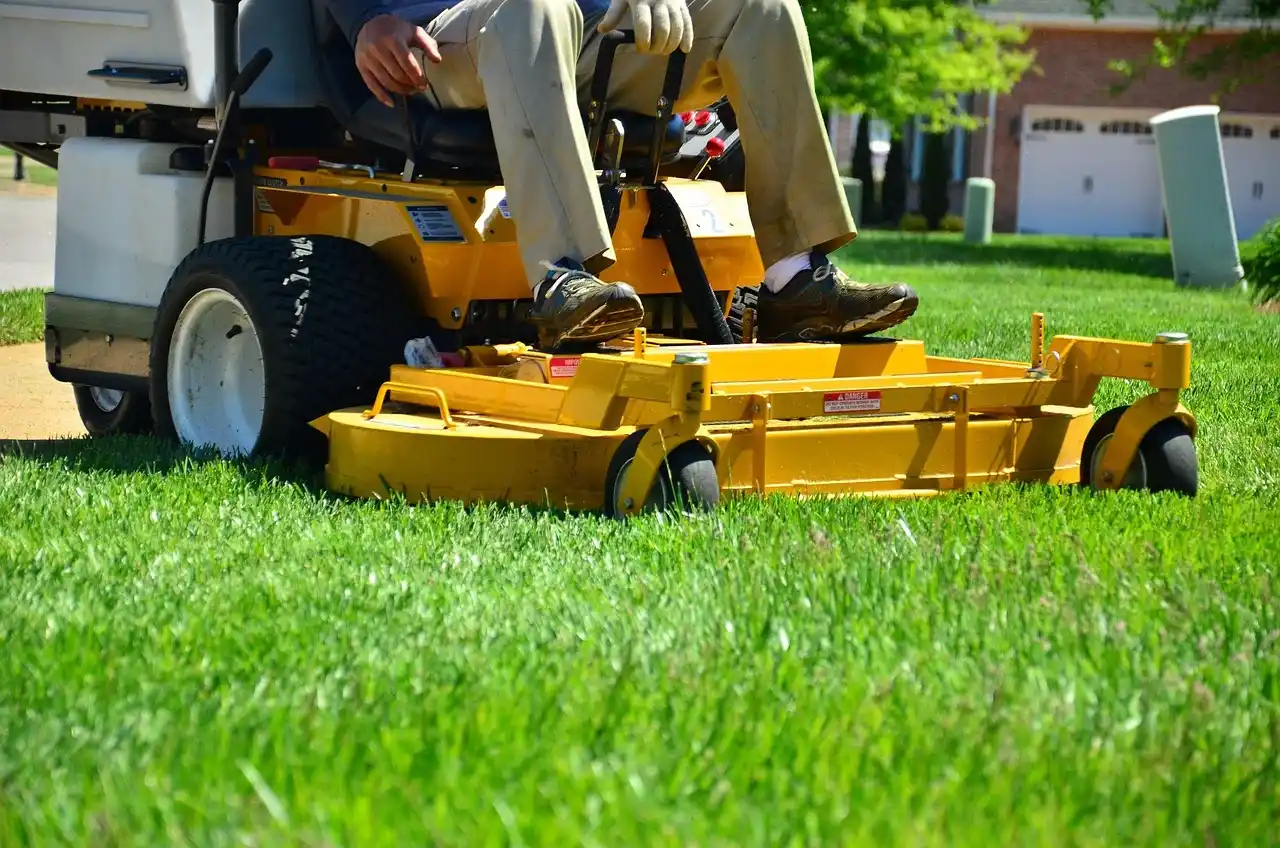
Lawn care is routine turf work. It usually includes mowing and edging, blowing clippings, fertilization, aeration, weed control, and seasonal turf treatments.
If the yard’s main issue is patchy turf from compaction or poor mowing practices, lawn care may fix it. If the issue is shade, runoff, bad slope, or tree root competition, turf treatment alone often misses the real cause.
Tasks that fall under landscaping
Landscaping changes the grade, built features, or planting plan of the yard. It includes bed creation, drainage correction, plant installation, shrub pruning, mulch installation, and design work.
A homeowner asking for a “yard cleanup” may actually need shrub reduction, bed redefinition, soil grading, and fresh mulch. I see that a lot. That is landscaping, even if a mower crew offers it as an add-on.
When a homeowner needs both on the same property
A common mix looks like this: front beds rebuilt one time, drainage corrected one time, then lawn care continues on a recurring schedule. Another mix is a new planting plan paired with routine mowing so the turf and beds stay balanced through the season.
How to match the right service to your yard problem
Symptoms that point to drainage and grading work
Standing water after ordinary rain, mulch washing into the lawn, exposed roots from soil loss, soggy areas near the foundation, and downspout discharge that pools by walkways all point to grading and drainage first. That follows common extension and stormwater guidance: manage runoff before installing finish materials, and keep water moving away from structures rather than trapping it near foundations or low spots (U.S. EPA stormwater guidance; university extension drainage publications). For related repair options, see drainage solutions.
Failure cases here are expensive. A shallow trench that simply moves water to a neighbor’s fence line is not a fix. A new bed placed in a low spot can drown roots. A patio installed before runoff is addressed can trap water against the house.
Symptoms that call for planting bed renovation or mulch
Thin beds, scattered shrubs with no clear border, weeds pushing through old bark, exposed drip lines, and plants packed too tightly usually call for bed renovation. The service mix may include bed reshaping, edge definition, selective removal, new spacing, and mulch installation.
Watch for overmulching. Mulch piled against trunks and stems holds moisture where it should not sit and can hide poor planting depth. Arboriculture and extension guidance commonly recommends keeping mulch off trunks and stems and using a moderate layer rather than a deep “volcano,” typically around 2 to 4 inches depending on material and site conditions (International Society of Arboriculture; Clemson Cooperative Extension; University of Florida IFAS). For a deeper breakdown, see mulch guide.
Symptoms that call for tree, shrub, or lawn service
Overgrown foundation shrubs, blocked windows, dead interior wood, and plants scraping siding point to pruning and species review. Thin turf in full sun may need lawn care. Thin turf in dense shade may need fewer lawn inputs and a shift toward beds or groundcover instead.
When the real need is a design plan before any field work starts
If the yard has multiple issues at once, a design plan comes first. That is often true for new homes with bare lots, front yards with awkward walks and no focal point, and properties where drainage, privacy, and low-maintenance goals need to work together.
Practical design is not a mood board. It is bed lines, access width, sight lines from the street, plant placement by mature size, and hardscape integration that fits the lot.
Homeowner service-match matrix
Service-match matrix for common yard problems
| Yard problem | Priority service | What the service should include | What to ask for | Common failure mode to avoid |
|---|---|---|---|---|
| Poor drainage near house | Grading and drainage | Runoff path review, soil slope correction, downspout discharge plan, erosion control, foundation protection | List excavation, pipe or swale type, discharge point, spoil removal, and any irrigation repairs | Moving water away from one wet spot but leaving it trapped near the foundation, fence line, or another low area |
| Standing water in lawn | Grading, drainage, limited lawn repair | Low-area correction, surface drain or swale, topsoil blending, turf patching after work | Separate drainage fix from lawn recovery so the owner can compare scopes | Patching turf first and treating the symptom while the depression or runoff path stays unchanged |
| Thin planting beds | Bed renovation, planting, mulch installation | Bed preparation, border definition, plant spacing by mature size, mulch at stated depth | Identify plant sizes, count, mulch material, and whether old plants stay or go | Adding new plants into compacted, poorly defined beds with no spacing plan and too much mulch |
| Overgrown shrubs | Pruning, shrub replacement, design review | Selective reduction, deadwood removal, clearance from house, species selection if shrubs are wrong for the spot | State whether pruning is restorative or whether replacement is the better long-term fix | Repeated shearing that keeps the wrong shrub in the wrong place until it crowds windows, siding, or walks again |
| Bare front yard | Design, planting beds, hardscape integration, mulch | Layout planning, focal planting, walkway alignment, border definition, layered plant placement | Ask for a plan view or marked layout before install | Buying a plant list without a layout, which often leads to random placement and weak curb appeal |
| Uneven grading | Site grading, drainage, erosion control | Cut and fill areas, runoff direction, soil stabilization, tie-in to walks and drives | Quote should note imported soil, compaction approach, and finish surface tolerance | Loose fill, vague “minor grading,” or no runoff plan, which can cause settlement and return visits |
| Low-maintenance goal | Design, shrub selection, mulch, simplified lawn care | Reduced turf area, durable edging, slower-growing species, grouped water needs, easy pruning access | Ask which tasks remain seasonal so “low-maintenance” does not mean neglected | Installing fast-growing plants or fussy species that create constant pruning and replacement work |
What each matched service should include in the estimate
The estimate should connect the problem to the work. If the problem is runoff, the quote should describe where the water goes after the fix. If the problem is weak front-yard appearance, the quote should show layout changes, plant count, bed shape, and mulch coverage.
A vague line like “yard refresh” is too thin to compare. Homeowners need itemized prep, materials, labor, cleanup, and exclusions. A simple comparison sheet can help; see estimate comparison template.
Which landscaping services matter most for your project type?
The most important services depend on the property type and the real site constraint. Small yards usually benefit most from layout planning and bed definition. Large properties need phased work. New homes often need grading first. Drought-prone sites need plant selection and reduced turf, not heavier maintenance alone.
Small yards and front-yard-only projects
Small yards punish bad spacing fast. One oversized shrub can swallow a window. One poorly placed tree can crowd the walk. In tight spaces, the highest-value services are design, bed edges, selective planting, and hardscape integration around entries.
Front-yard-only projects also benefit from restraint. Fewer species, better placement, clean mulch lines, and corrected shrub scale usually outperform crowded installations.
Large properties and phased service plans
Large sites rarely need everything done at once. Start with drainage, access, and safety, then move to high-visibility zones, then lower-priority edges and rear areas.
A phased plan keeps the front from looking finished while the rest still fails. It also lets the contractor stage labor and materials in a way that matches the site.
New homes, drought-prone yards, and low-maintenance layouts
New homes often have bare lots, compacted subsoil, rough grading, and young trees planted too deep. Those sites need a design tied to drainage and access before heavy planting begins.
Drought-prone yards need a smaller turf footprint, proper spacing, mulch for moisture retention, and species chosen for the regional climate. Low-maintenance layouts depend on fewer pruning headaches, wider bed masses, and simple lawn edges.
The main landscaping services, broken down by scope
Landscape design, planting beds, and hardscape integration
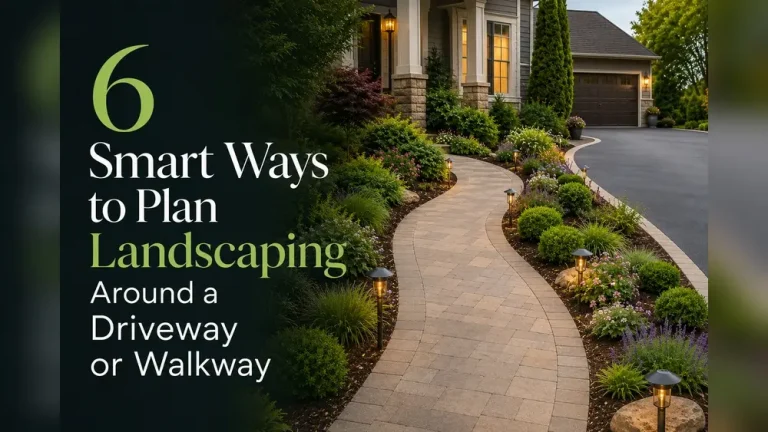
Landscape design should answer practical questions: where people walk, what is seen from the street, where taller plants belong, how bed lines meet the driveway, and how hardscape pieces fit with planting areas.
Planting bed work should include bed preparation, clear border definition, plant spacing based on mature width, and mulch depth stated in the scope. Hardscape integration matters because edging, steps, patios, and walks change drainage and traffic patterns.
Grading, drainage, and erosion control near the home
This is the corrective site-work category many quotes avoid describing in plain language. Homeowners should expect discussion of soil slope, runoff direction, low points, discharge areas, and erosion control. EPA and extension guidance consistently put source control and positive drainage ahead of cosmetic repair, which is why grading and drainage should usually be solved before new sod, shrubs, or patios cover the symptom.
Failure cases are common: water aimed toward a fence with nowhere to go, added soil piled against siding, or a fix that protects turf while the foundation still stays wet. Foundation protection should be named outright in the estimate.
Tree and shrub care, mulch installation, and lawn care
Tree and shrub care should cover pruning approach, health maintenance, and whether the species still fits the location. Constant shearing is often a sign the wrong plant was installed in the wrong spot. Timing matters too: many woody plants are best pruned based on whether they flower on old wood or new wood, while dead, damaged, or hazardous growth can be removed when found (University of Maryland Extension; NC State Extension). For more on timing and methods, see shrub pruning.
Mulch installation should state material type, target coverage depth, and whether old mulch buildup will be reduced before new material goes down. Extension and arboriculture guidance commonly supports a moderate mulch layer rather than repeated piling, because excess depth can reduce air exchange and keep stems too wet (Clemson Cooperative Extension; University of Florida IFAS; International Society of Arboriculture). Lawn care should stay separate: mowing and edging, fertilization, aeration, and routine maintenance.
How much do landscaping services cost for a typical yard?
Typical landscaping costs vary more by scope and site than by lot size alone. Routine lawn care is usually the least expensive category. Bed refreshes and selective planting often fall in the low to mid four figures on an average suburban lot, though actual pricing varies by site and plant choice. Drainage and grading repairs can climb into the higher four figures or more when excavation, soil import, and access issues add up. Those planning ranges align broadly with national homeowner cost surveys and estimate aggregators such as Angi and HomeAdvisor, but I still treat them as rough budgeting ranges only until a local written scope confirms labor, materials, and disposal.
What drives price
Labor is a major driver, especially where hand work is required because access is tight. Materials also matter: plant size, mulch type, edging, drainage pipe, gravel, fabric choices, and imported soil can all shift the total.
Disposal is easy to miss. Removing old shrubs, concrete fragments, saturated soil, or failed mulch layers adds hauling and dump time. Site conditions matter too. Steep side yards, wet soils, and hidden roots slow everything.
Typical range framework by service type
- Recurring lawn care: usually the smallest monthly commitment, with price shaped by visit frequency and turf area.
- Bed refresh: often a few hundred to low four figures for cleanup, edge work, light pruning, and fresh mulch.
- Planting renovation: often low to mid four figures when removals, new shrubs, and bed prep are included.
- Drainage correction: often mid four figures and up once excavation, discharge routing, and surface restoration are included.
- Front-yard redesign with hardscape tie-ins: often mid four figures into five figures, depending on paving, steps, and planting density.
Those categories are intentionally broad. They are most reliable for initial screening, not contract pricing, because two yards with the same square footage can price very differently once access, root removal, water routing, retaining needs, or premium plant material are added.
Why small yards can have high per-area pricing
Small projects still need travel, setup, material delivery, and cleanup. A narrow side-yard drainage repair can take more hand labor than a larger open-area job. That is why a compact front yard may carry a surprisingly high price relative to its size.
What should you ask before hiring a landscaper?
Ask questions that expose whether the contractor understands the yard’s cause-and-effect issues. Homeowners should ask what problem the proposed work solves, what prep is included, how drainage will be handled, who chooses plants, what cleanup is included, and how changes are approved if site conditions shift during the job.
Questions about scope, plant selection, and drainage approach
- What exact problem is this scope solving?
- Is this one-time installation work or recurring maintenance?
- How will runoff move after the project is complete?
- How are plants chosen for light, mature size, and maintenance load?
- Will bed prep, edging, mulch depth, and spacing be written into the quote?
Questions about crew, schedule, cleanup, and change orders
Ask who is on site, whether the same crew returns each visit, and what happens if rain delays excavation. Ask if debris haul-off is included, if excess soil stays or goes, and how change orders are approved.
Warranty language matters. Plant replacement terms, drainage workmanship terms, and exclusions for storm damage or owner watering gaps should be stated clearly.
Questions about service area, climate fit, and post-project care
Local availability matters because plant success and maintenance timing are regional. Ask whether the provider routinely works in your county, whether they understand your soil and drainage pattern, and whether the recommended plant list fits your exposure, irrigation reality, and maintenance tolerance.
A neutral contractor-selection checklist works better than a promo paragraph here. Ask for a written post-project care plan, a pruning and mulch approach that matches extension guidance, a drainage explanation in plain language, and a clear list of what seasonal follow-up is still the homeowner’s responsibility. Climate-fit advice should sound specific to the site, not generic to the ZIP code.
How do you compare landscaping quotes?
Compare landscaping quotes line by line, not by bottom-line price alone. The best quote is usually the one that describes prep, materials, labor, drainage handling, cleanup, exclusions, and warranty terms in plain language. Cheap bids often leave out disposal, soil work, irrigation adjustments, or the actual cause of the yard problem.
Line items that should appear on every estimate
- Scope of work tied to the site problem
- Labor versus materials
- Plant count, size category, and placement notes
- Mulch material and coverage depth
- Soil import or removal
- Disposal and cleanup
- Irrigation adjustments if trenching or planting affects heads or lines
- Schedule assumptions and weather delays
- Warranty language and exclusions
Red flags in quote language
Be careful with vague allowances such as “as needed” or “minor grading” without quantities or areas. Watch for missing prep work, no mention of disposal, no runoff destination, or no statement about what happens if buried debris or compacted fill is found.
Another red flag is a beautiful plant list with no spacing, no bed dimensions, and no note about mature size. That often leads to crowding, heavy pruning, and early replacement.
How to compare free estimates without choosing on price alone
Free estimates help homeowners shop the scope, not only the total. Put each quote into the same checklist and mark what is included, excluded, assumed, and unclear.
A higher quote may include full bed prep, deeper cleanup, irrigation resets, and debris haul-off. A lower quote may be fine if the scope truly matches, but many low numbers are low because major tasks were left unsaid. If you want a reusable worksheet, start with an estimate comparison template.
When should you schedule landscaping services?
Schedule design before installation decisions lock in bad layout choices. Drainage and grading work should usually happen before planting or hardscape finish work. Planting, pruning, mulch, and lawn tasks each have better windows, and the right order matters more than chasing the first open date on a contractor’s calendar.
Best timing for design, grading, and drainage corrections
Design can happen any time the site is visible and the owner can make layout decisions. Grading and drainage work should be planned before wet-season failures become active damage, and before patios, sod, or bed plantings are installed over the problem. That sequencing follows standard runoff-management logic from EPA and extension sources: fix water movement first, then protect the finished surface.
If water is reaching the foundation or washing mulch out of beds, schedule corrective work before cosmetic improvements.
Best timing for planting, pruning, mulch, and lawn work
Planting should be timed to reduce stress and improve establishment. Pruning should follow species needs and the plant’s growth cycle, not the mower schedule. For many spring-flowering shrubs, pruning is best soon after bloom, while many summer-flowering shrubs are pruned during dormancy or late winter, depending on how they set buds (University of Maryland Extension; NC State Extension). Mulch is often best installed after bed cleanup and before summer heat or heavy weed pressure, with depth kept moderate rather than repeatedly layered too thick (Clemson Cooperative Extension; University of Florida IFAS).
Lawn aeration, fertilization, and mowing schedules depend on turf type and regional weather. That is why service area fit matters. A plan that works in one county may need different timing in another part of the region.
Seasonal planning calendar for maintenance and one-time projects
- Late winter to early spring: design planning, structural pruning on suitable plants, bed reshaping, drainage work before spring growth fills in.
- Spring: planting, mulch installation, lawn program startup, cleanup of winter damage.
- Summer: irrigation checks, selective pruning, monitoring plant stress, limited installs where watering can be managed.
- Fall: tree and shrub planting on many sites, lawn repair, aeration, bed expansion, and drainage review before winter rain.
- Winter: hardscape and concrete scheduling on suitable sites, major renovation planning, shrub replacement decisions while structure is visible.
Frequently asked questions
What does a landscaping service include?
A landscaping service usually includes design, site work, planting, bed building, mulch, pruning, and drainage-related corrections, depending on the job. It can also include hardscape integration around walks or patios. Basic mowing may be offered by the same company, but it should be listed as a separate recurring service.
How is landscaping different from lawn care?
Landscaping changes or manages the yard’s physical layout, planting areas, shrubs, drainage, and site conditions. Lawn care focuses on turf tasks such as mowing, edging, fertilization, aeration, and weed control. Many homes need both, but homeowners should not assume a lawn crew is quoting design or corrective bed work.
How much do landscaping services cost for a typical yard?
For a typical yard, recurring lawn care is usually the smallest ongoing cost, while bed refreshes and planting projects often land in the low to mid four figures. Drainage and grading work can rise fast because excavation, soil handling, disposal, and access problems add labor that small cosmetic jobs do not carry. Those are budgeting ranges, not fixed prices, and they should be checked against local written estimates.
What should I ask before hiring a landscaper?
Ask what exact problem the work is solving, what prep and cleanup are included, how plants will be chosen, where runoff goes after grading or drainage work, and how change orders are handled. Also ask about warranty terms, local service area, and whether recommendations fit the site’s light, slope, and maintenance goals.
How do I compare landscaping quotes?
Compare quotes by matching line items, exclusions, and assumptions. Each estimate should show scope of work, labor versus materials, disposal, soil import, irrigation adjustments, and warranty language. A low number with vague wording often leaves out the prep steps that decide whether the finished yard actually works.
What seasonal landscaping services should I plan for?
Plan design and drainage reviews before heavy installation starts. Spring and fall are common windows for planting and bed work, while mulch follows cleanup and edge definition. Pruning should match plant type and timing. Lawn care runs on a recurring calendar, but grading and runoff fixes should happen before cosmetic work covers the issue.
Sources
- U.S. Environmental Protection Agency, homeowner stormwater and runoff guidance
- University of Maryland Extension, pruning timing guidance for flowering shrubs
- NC State Extension, shrub pruning and seasonal timing guidance
- Clemson Cooperative Extension, mulch depth and tree/shrub mulching best practices
- University of Florida IFAS Extension, mulch use and overmulching cautions
- International Society of Arboriculture, proper mulching and tree-care best practices
- National homeowner cost survey and estimate-reference platforms including Angi and HomeAdvisor, used only for broad budgeting context