Landscaping Services for Backyard Privacy Screening
Choose landscaping services for backyard privacy screening by matching the fix to the sightline: use hedges for low, broad views, trees or panels for higher views. A poor match wastes space, raises maintenance, and leaves gaps that still expose your yard. This guide compares plant and structure options, spacing, maintenance load, and the questions to ask before hiring.
Mixing plants, fences, and structures to screen your yard

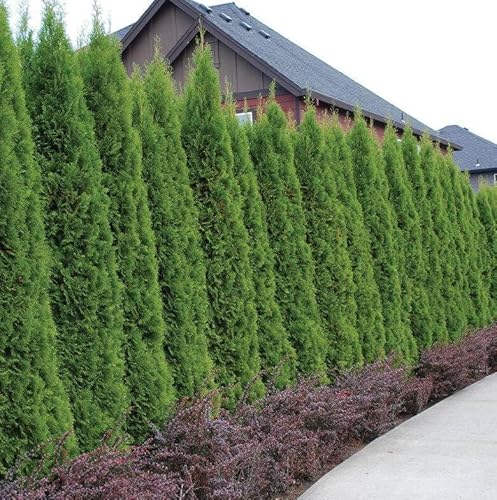
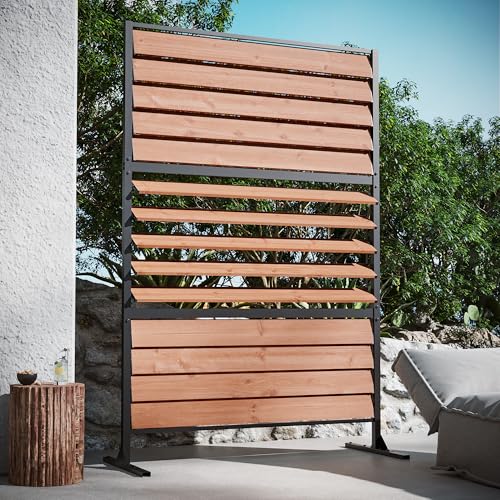

Backyard privacy screening usually calls for a mix of planting design, fence installation, and structure work. The right service can block a neighbor’s view, define a patio, soften a pool edge, or make a narrow side yard feel less exposed. Privacy can also make seating areas feel more sheltered from nearby windows and passing traffic.
Planting design and installation
Planting services plan for mature size, light needs, soil fit, climate fit, and upkeep. That matters because a screen that looks full on day one may still leave a gap for several seasons. Living barriers can use trees, shrubs, vines, and ornamental grasses, and they can absorb traffic noise and reduce dust.
Plants are a strong choice when you want softer edges, less visual bulk, or a screen that blends into the yard. They work best when the bed is wide enough for root spread and when the site has the right sunlight and drainage.
Fence and screen installation
Fence work gives faster privacy than plants. Privacy screens can be solid panels for maximum privacy, or lattice screens that keep partial visibility while still adding cover. Privacy fence screens may also use decorative cut-out details or living screen variants to reduce the closed-in feel.
Common fencing materials include wood, bamboo, metal, wire mesh, vinyl, and composites. A straight fence is often the simplest answer for a tight property line, but it should still be matched to the house style and the yard’s scale.
Pergolas, trellises, and retaining walls
Pergolas, trellises, and arbors add vertical screening and can support vines. They also help define outdoor rooms around a seating area or hot tub. Some setups add curtains or privacy roof elements for overhead cover.
Retaining walls matter on sloped yards. They can create planting depth behind the wall, which gives shrubs or grasses more room to build a layered screen. Wall materials can include stacked stone, concrete, brick, metal, concrete block, or masonry block.
Which privacy screening method fits your yard?
The best method depends on what you need to block and how much room you have. A low sightline from next door calls for different work than a second-story overlook. A narrow side yard has different limits than an open rear lot, and a pool edge brings its own safety and space concerns.
Best fit for tight lot lines and small yards
Small yards usually do better with narrow screens, slim planting beds, or a fence plus a few vertical accents. Open or semi-open fence sections can reduce the boxed-in feeling, while a trellis with vines can create height without taking much ground space. Avoid deep planting plans that shrink the usable yard.
Best fit for patios, hot tubs, and pools
For patios and hot tubs, privacy usually needs to happen close to the seating zone. That can mean a privacy fence screen, a pergola with side panels, a trellis with vines, or a hybrid of shrubs and structure. The goal is to block the most direct views without cutting off air or daylight.
Pool edges often need a service plan that respects clearance, barrier-code requirements, and local rules. A landscaper should check how a screen affects movement, drainage, and sightlines from the deck before building anything permanent.
Best fit for second-story overlooks and exposed edges
Second-story overlooks usually need taller screening than a simple hedge can provide right away. Trees, tall shrubs, pergolas, and fence systems are often better suited here, especially when combined in layers. A single low feature rarely blocks a higher line of sight for long.
Privacy screen decision matrix
This matrix helps match the privacy goal to the service type, materials, upkeep, and the main failure risk. It is most useful before you request estimates or ask a landscaper to draft a plan.
| Privacy goal | Yard condition | Best service type | Typical materials or plants | Maintenance level | Common failure risk |
|---|---|---|---|---|---|
| Block a direct neighbor view | Tight lot line, level ground | Privacy fence installation | Wood, vinyl, composite, metal | Low to medium | Fence height or setback conflict with local rules |
| Soften a patio edge | Moderate space near seating | Hybrid screen with plants and structure | Lattice, shrubs, ornamental grasses, vines | Medium | Plants outgrow the bed or leave winter gaps |
| Hide a hot tub from side views | Small footprint, close neighbors | Pergola, trellis, or fence screen | Decorative cut-out panels, vines, privacy curtains | Medium | Too little headroom or too much enclosure |
| Block wind and dust | Open lot, exposed edge | Living barrier | Trees, shrubs, grasses, mixed layers | Medium to high | Thin planting plan leaves gaps and weakens coverage |
| Reduce a second-story overlook | Backyard with elevated neighbors | Layered screening | Tall shrubs, trees, solid fence, trellis | Medium to high | Single-layer screening leaves upper sightlines open |
| Screen a sloped yard | Grade changes, planting terrace needed | Retaining wall with planting bed | Stone, concrete, brick, block, shrubs | Medium | Poor drainage or shallow soil behind the wall |
Fence screens, walls, and structures
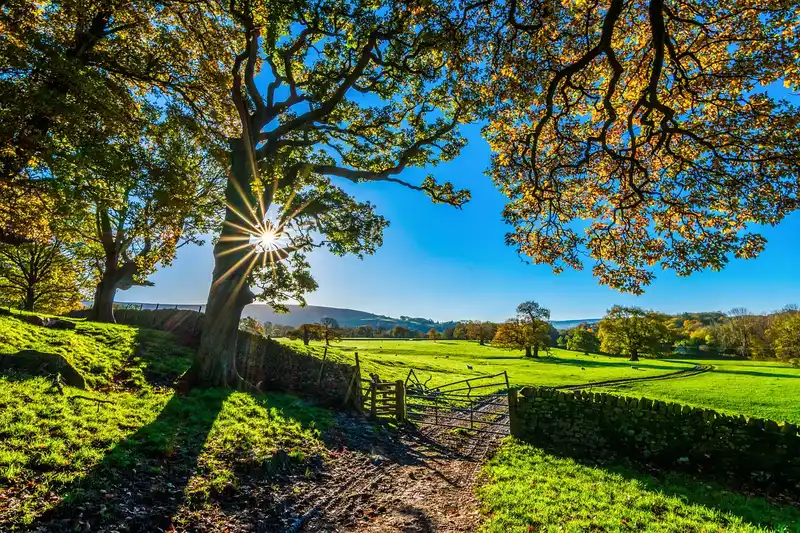
Hardscape and structure work suits homeowners who want a clear, controlled screen plan. These options are useful when the yard has tight limits, a strong view to block, or a need for clean lines around a patio or pool. They also give landscapers a fixed frame for planting.
Privacy fence screens and material choices
Privacy fence screens come in solid, lattice, decorative cut-out, and living screen variants. Solid panels give maximum privacy. Lattice provides partial visibility while still adding privacy. Decorative cut-out designs can lighten the look, while living screen versions blend structure with plant cover.
Material choice affects upkeep and style. Wood brings a classic look but needs more care than many synthetic choices. Composite and vinyl can lower upkeep. Metal can fit a modern yard, while bamboo and wire mesh are often used where the planting layer does much of the screening.
Retaining walls for slopes and planting depth
On a sloped site, a retaining wall can solve two problems at once. It stabilizes grade changes and creates depth for a planting bed. That extra depth can hold shrubs, grasses, or vines that extend privacy beyond the wall face.
Wall plans should account for drainage and soil movement. Without that, planting pockets can dry out unevenly or hold water where roots do not like it.
Pergolas, trellises, and arbors for vertical screening
Pergolas, trellises, and arbors give you height without a solid wall effect. They support vines and can define an outdoor room around dining, lounging, or soaking areas. On a narrow lot, that vertical structure can screen a direct angle while keeping the yard open elsewhere.
These structures can also carry curtains or privacy roof elements when more cover is needed. That makes them useful when the goal is filtered privacy rather than a full visual block.
Living barriers that block views and soften noise
Living barriers are the best fit when you want privacy that changes with the seasons and blends into the yard. Trees, shrubs, vines, and ornamental grasses can be used alone or in layers. They are slower than a fence, but they can soften edges and reduce a hard boundary.
Trees, shrubs, vines, and ornamental grasses
Trees work well for higher views, especially along rear edges or corners. Shrubs are useful for broad lower screening and can fill gaps under taller layers. Vines climb trellises, fences, and arbors. Ornamental grasses add movement and texture while helping break up a hard line.
Living barriers can also help absorb some traffic noise and reduce dust. That makes them useful near busy streets, driveways, or open edges where the view is not the only problem.
Layered screening with mixed heights
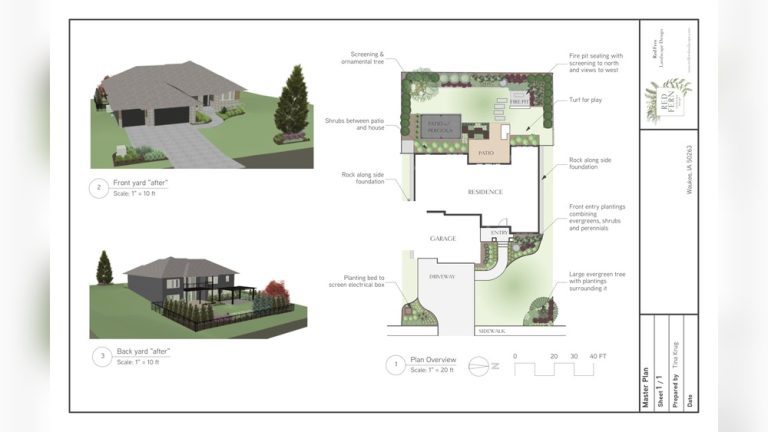
Layered screening combines different heights and textures so the yard does not feel boxed in. A fence can handle the base layer, shrubs can fill the middle, and grasses or trees can soften the top edge. This approach works because each layer covers a different sightline.
Where living screens work best
Living screens work best where there is enough soil depth, sunlight, and room for mature spread. They are a strong choice along property edges, around patios, and near open views that need softening rather than total blocking. They can also work over time where a fence would feel too abrupt.
They are weaker in very narrow beds, shaded strips with poor soil, or places where roots would conflict with foundations, paving, or utility access. Bamboo is one example where root containment is essential to prevent spreading or damage.
How do you avoid a boxed-in yard?
A yard feels boxed in when every edge is filled with the same tall, opaque treatment. To avoid that, vary height, texture, and opacity. Keep some openings lower down where privacy is less important, and use taller elements only where the sightline requires them.
Use mixed heights and open lower gaps where needed
Mixed heights help the screen feel planned rather than heavy. A lower hedge can cover seated views while taller shrubs or a fence handles standing views. In some areas, open lower gaps near paths or corners keep the yard from feeling sealed shut.
Balance hard screens with planting depth
Hard screens can look severe when they stand alone. Planting depth behind or in front of the structure breaks up that edge. Even a narrow shrub strip or a few ornamental grasses can soften a fence line and make the yard feel more layered.
Match screen scale to the house and lot
Scale matters as much as plant choice. A small front-to-back yard often needs one strong privacy move and one softer support layer. A larger yard can handle a wider planting bed, a taller fence, or a more complex mix of wall, shrubs, and trellis work.
What should you check before installation?
Before any work starts, check local building codes and HOA rules for fence height and setbacks. Also review lot-line rules and any outbuilding size restrictions if the design includes a pergola, arbor, or other structure. A screening plan that ignores those limits can be expensive to change later.
HOA and local code checks
Ask about fence height limits, setback rules, and approvals for walls or structures. If the property is in an HOA, confirm materials, colors, and placement rules before ordering anything. Some neighborhoods are strict about where a fence can sit and how visible it can be from the street.
Setbacks, fence height, and lot-line rules
Setbacks can affect where the best screen goes. A fence may need to sit inside the property line, which changes how much space is left for planting beds or pathways. If the design depends on every inch, the final layout should be checked before installation starts.
Outbuilding restrictions can matter too if the privacy plan uses a covered structure. A pergola or arbor may fall under different rules than a simple fence panel.
Drainage, grading, light, and soil conditions
Site prep often decides whether the screen lasts. A privacy plan should account for soil type, slope, and the amount of wear near the screen line.
In any region, poor drainage can weaken plants, and grading problems can leave a wall or bed fighting runoff instead of growing into the space.
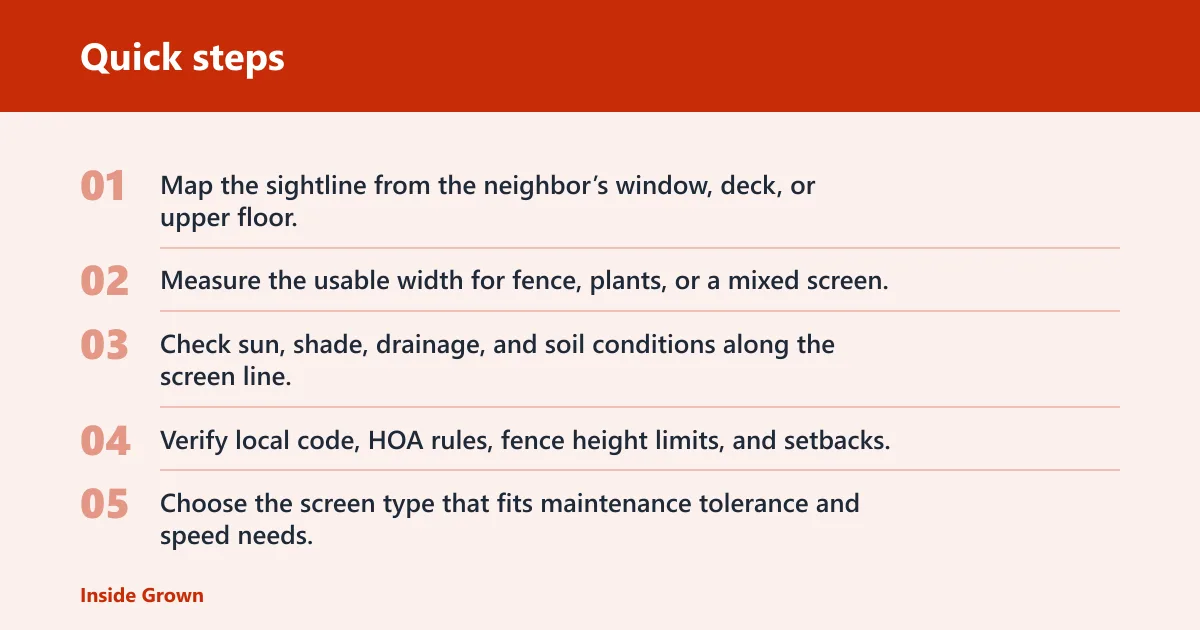
- Map the sightline from the neighbor’s window, deck, or upper floor.
- Measure the usable width for fence, plants, or a mixed screen.
- Check sun, shade, drainage, and soil conditions along the screen line.
- Verify local code, HOA rules, fence height limits, and setbacks.
- Choose the screen type that fits maintenance tolerance and speed needs.
- Ask for a plan that includes plant mature size, spacing, and root control.
- Confirm seasonal upkeep such as trimming, mulch refreshing, edging, and debris removal.
Regular upkeep matters after installation. Shrubs need trimming before they grow into siding or windows. Mulch refreshing, edging, and debris removal are part of the seasonal work that keeps the screen tidy and functional.
Frequently asked questions
What landscaping services can add privacy to my backyard?
Fence installation, planting design, retaining wall work, and pergola or trellis installation can all add privacy. A landscaper can also combine those services into one layered plan when the yard has a tricky sightline, a slope, or a narrow space near neighbors.
Should I use plants, fences, or both for backyard privacy screening?
Use fences when you need fast, direct privacy. Use plants when you want a softer look and can wait for growth. Use both when the yard needs coverage at different heights, when a fence alone feels harsh, or when you want a screen that changes with the seasons.
Which shrubs or trees grow tall enough to block neighbors’ views?
Tall shrubs and trees are the right choice when the sightline comes from above or from a distant angle. The best picks depend on mature size, sunlight, soil, climate, and maintenance needs. A plant that is too small or too slow will leave the view open longer than expected.
How do I screen a backyard without making it feel boxed in?
Use layered screening with mixed heights, and leave some lower areas more open where privacy is less critical. A solid fence does not have to cover every edge. Pairing it with shrubs, grasses, or trellises can soften the boundary and keep the yard brighter.
What should I check before installing a privacy screen in my yard?
Check local codes, HOA rules, fence height limits, setbacks, and any lot-line restrictions first. Then review drainage, grading, sunlight, and soil conditions. These checks help prevent a screen that fails on paper, causes water trouble, or needs major changes after installation.
Which privacy screening options work in small backyards?
Small backyards usually do best with narrow hybrid screens, vertical structures, or slim fence panels paired with compact plantings. Avoid wide planting beds that take too much usable space. A trellis, arbor, or lattice screen can add privacy without closing off the whole yard.