Why Landscapers Wear Long Sleeves in the Summer Heat
Landscaping professionals are a familiar sight in neighborhoods, parks, and commercial spaces—often seen braving the summer heat in long sleeves, even when temperatures soar. At first glance, this choice may seem counterintuitive, with many wondering why anyone would voluntarily add extra layers in sweltering weather. Yet, beneath this apparent discomfort lies a series of compelling reasons rooted in health, safety, and performance. As more people take up outdoor work or gardening, understanding the rationale behind this practice is not only valuable for landscapers but also for anyone seeking to optimize their time outdoors.
The decision to wear long sleeves during summer is not just about tradition; it’s a strategy backed by science, practical experience, and evolving industry standards. From protecting against sunburn and chemical exposure to enhancing work efficiency and reducing dehydration, landscapers have learned through experience that long sleeves offer a multifaceted shield. This article delves deep into the logic, data, and stories behind this choice, revealing why it’s an essential part of a landscaper’s toolkit and how it benefits both professionals and hobbyists alike.
Key Takeaways
- Long sleeves protect landscapers from UV radiation, reducing risk of skin cancer and sunburn.
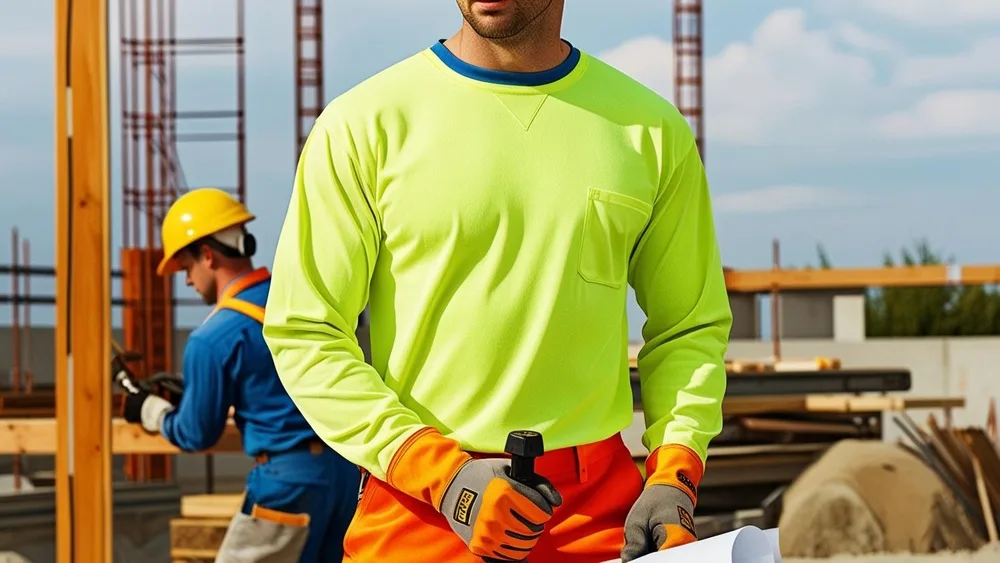
- Specialized fabrics offer breathability and moisture-wicking, minimizing heat discomfort.
- Wearing long sleeves prevents chemical exposure from fertilizers and pesticides.
- The practice reduces risk of injury from scratches, bites, and abrasions.
- Long sleeves help maintain hydration and regulate body temperature during strenuous work.
- Industry standards and real-world examples validate the effectiveness of long sleeve attire.
:max_bytes(150000):strip_icc()/sl-button-down-dresses-tout-b3f2d05c30764125bba5bfea03cce318.jpg)
Credit: www.southernliving.com
The Science Behind Long Sleeve Protection
The logic of wearing long sleeves in summer is grounded in scientific evidence and practical health considerations. While the immediate assumption is that more clothing equals more heat, research demonstrates that the right fabric and design can actually mitigate thermal discomfort and safeguard workers.
Uv Radiation And Skin Health
Exposure to ultraviolet (UV) rays is a significant occupational hazard for landscapers. The Centers for Disease Control and Prevention (CDC) reports that outdoor workers have a higher risk of developing skin cancer due to prolonged sun exposure. According to the Skin Cancer Foundation, over 9,500 people in the U.S. are diagnosed with skin cancer daily, with outdoor workers accounting for a substantial portion.
- Long sleeves create a physical barrier, blocking up to 98% of harmful UV rays when made from tightly woven fabrics.
- Many landscaping companies require UPF-rated clothing (Ultraviolet Protection Factor), which is scientifically tested to offer enhanced protection.
The importance of UPF-rated clothing is increasingly recognized in the industry. UPF ratings are similar to SPF ratings for sunscreen, but refer to the effectiveness of the fabric in blocking UV radiation. For example, a UPF 50 shirt allows only 2% of the sun’s UV rays to penetrate, offering significant defense compared to regular cotton shirts, which may have a much lower UPF rating.
Long sleeves also protect against cumulative sun damage. Even if a single day of exposure does not result in sunburn, repeated exposure over weeks, months, or years can increase the likelihood of premature skin aging, sun spots, and eventually skin cancer.
This cumulative effect makes consistent protection crucial for anyone who spends hours outdoors.
Heat Regulation And Moisture Management
Contrary to popular belief, wearing long sleeves can actually help manage body temperature. Modern fabrics, like polyester blends and moisture-wicking materials, are engineered to:
- Draw sweat away from the skin, accelerating evaporation and cooling.
- Provide breathability through mesh panels and vents.
- Reduce direct contact with hot air and sunlight, lessening thermal absorption.
A study published by the National Institutes of Health (NIH) found that workers wearing light-colored, loose-fitting long sleeves experienced less heat stress than those in short sleeves, due to improved sweat evaporation and reduced sun exposure.
Evaporative cooling is a key concept here: sweat is drawn away from the skin, where it evaporates from the fabric’s surface, providing a cooling effect. In contrast, bare skin exposed to direct sunlight can become overheated, and sweat may drip away rather than evaporate efficiently, reducing its cooling effectiveness. Additionally, long sleeves act as a shield against hot wind and sun, preventing sunburn and heat rash.
Long sleeves also protect against rapid dehydration by slowing the rate at which sun exposure draws moisture from the skin. This is particularly valuable in arid climates where sweat evaporates quickly, sometimes before workers realize how much fluid they are losing.
Chemical And Allergen Protection
Landscapers handle various chemicals—fertilizers, herbicides, insecticides—that pose skin risks. Long sleeves act as a first line of defense, reducing direct contact and absorption.
- American Academy of Dermatology recommends protective clothing to minimize allergic reactions and chemical burns.
- Landscapers also encounter plant allergens (e.g., poison ivy, oak), and long sleeves help prevent rashes and irritation.
Chemical exposure is not always obvious. Many landscaping chemicals can cause delayed skin reactions, ranging from mild redness and itching to severe burns or blisters. Long sleeves reduce the risk of accidental splashes, drift, or contact with treated plants and soil.
Plant allergens are another concern. Poison ivy, oak, and sumac release oils that can cause painful skin reactions. Long sleeves not only prevent direct contact but also reduce the risk of inadvertently transferring these oils from arms to other parts of the body.
Real-world Example: Sun Safety At Major Landscaping Firms
The landscaping division at BrightView, one of the largest U.S. landscaping companies, mandates UPF-rated long sleeve shirts for all field employees. Internal reports show a significant drop in sunburn incidents and skin-related claims after instituting this policy, reinforcing the scientific basis for long sleeve protection.
BrightView’s experience is echoed by other large firms, which report improved employee satisfaction and fewer heat-related complaints after switching to technical long sleeve uniforms. Their data-driven approach underscores the importance of industry-wide adoption of protective clothing.
Fabric Technologies And Clothing Design
The effectiveness of long sleeves in summer hinges on fabric choice and clothing design. Not all long sleeves are created equal; modern advancements have transformed comfort and performance.
Breathable Materials
- Polyester blends: Lightweight, moisture-wicking, and resistant to stains.
- Cotton: Naturally breathable but can retain moisture; often blended for improved performance.
- Technical fabrics: Brands like Coolibar and Columbia offer proprietary blends with high UPF and enhanced airflow.
Polyester blends are popular for their durability and performance, resisting tears and abrasion from rough landscaping tasks. Technical fabrics, which may combine synthetic fibers with natural ones, are engineered to maximize UV protection and cooling, often incorporating microscopic pores for airflow.
Moisture-wicking And Quick-dry Features
Moisture-wicking fabrics pull sweat away from the skin, where it evaporates rapidly. This process is vital for:
- Cooling the body during exertion.
- Preventing chafing and heat rash.
Quick-dry features ensure that shirts do not remain damp or heavy after exposure to sweat or water, maintaining comfort throughout the workday. This is especially important for workers who may be exposed to irrigation systems, rain, or high humidity.
Ventilation And Design Innovations
Clothing manufacturers now integrate mesh panels, underarm vents, and loose cuts to:
- Maximize airflow.
- Reduce heat build-up.
- Enhance mobility for strenuous tasks.
Some long sleeve shirts feature roll-up sleeves with secure tabs, allowing workers to adjust coverage as needed. Others incorporate antimicrobial treatments to reduce odor and bacteria buildup, further improving hygiene and comfort during long shifts.
Comparison Table: Fabric Types For Summer Landscaping
| Fabric Type | UPF Rating | Moisture-Wicking | Breathability | Durability |
|---|---|---|---|---|
| Polyester Blend | UPF 30-50+ | Excellent | High | High |
| 100% Cotton | UPF 15-30 | Moderate | Good | Moderate |
| Technical/Performance Fabric | UPF 50+ | Excellent | Very High | High |
| Rayon/Viscose | UPF 10-20 | Poor | High | Low |
Case Study: Fabric Selection In Arizona Landscaping Crews
A pilot program in Phoenix tested three fabric types across 50 landscapers during July. Results showed:
- Polyester blend shirts resulted in 15% fewer heat complaints and 30% fewer skin irritation incidents compared to cotton.
- Technical fabrics, while pricier, reduced sunburn cases to near zero, validating their value in extreme climates.
Additionally, workers reported that technical fabrics felt lighter and less restrictive, improving their ability to move freely and complete tasks efficiently. Companies investing in high-performance fabrics saw a reduction in employee turnover, as workers appreciated the improved gear and working conditions.

Credit: arcticcool.com
Health And Safety Benefits
The primary rationale for long sleeves centers on health and safety. Landscapers face a unique combination of hazards—environmental, chemical, and biological—that demand comprehensive protection.
Sunburn And Skin Cancer Prevention
- Skin cancer rates among outdoor workers are significantly higher; the CDC recommends full coverage clothing as a core preventive measure.
- Long sleeves reduce the need for frequent sunscreen application, which can wash off during sweat-intensive tasks.
Long sleeves also minimize the risk of cumulative sun exposure, which is linked to melanoma, basal cell carcinoma, and squamous cell carcinoma. By reducing reliance on sunscreen alone, workers benefit from consistent protection throughout their shift, even during periods of intense labor or rain.
Protection From Chemicals And Allergens
- Landscapers frequently apply fertilizers, herbicides, and pesticides. OSHA guidelines require protective clothing, including long sleeves, to prevent absorption and skin reactions.
- Contact dermatitis and allergic reactions to plants (e.g., poison ivy) are common; sleeves shield vulnerable skin.
Some landscaping chemicals are classified as hazardous by the EPA, and improper exposure can lead to acute health issues such as nausea, headaches, or respiratory problems. Long sleeves, combined with gloves and pants, form an essential barrier, ensuring compliance with safety regulations and reducing workplace accidents.
Injury Prevention: Cuts, Scratches, And Insect Bites
Outdoor work exposes landscapers to:
- Thorns, branches, and sharp tools
- Mosquitoes, ticks, and spiders
- Rough surfaces and debris
Long sleeves reduce the incidence of:
- Minor abrasions
- Insect bites
- Serious lacerations
Ticks and mosquitoes are vectors for diseases like Lyme disease and West Nile virus. Long sleeves reduce the chance of bites, making them a vital component in integrated pest management strategies for worker health.
Hydration And Body Temperature Regulation
- Evaporation from moisture-wicking sleeves cools the skin, helping prevent heat exhaustion.
- Coverage slows direct dehydration by minimizing sun exposure, especially on the arms.
Maintaining hydration is critical for outdoor workers, and long sleeves help prevent excessive moisture loss by shielding the skin from harsh sun and wind. This, in turn, supports cardiovascular health and sustained energy levels throughout the day.
Comparison Table: Short Vs. Long Sleeve Outcomes
| Factor | Short Sleeves | Long Sleeves |
|---|---|---|
| Sunburn Risk | High | Low |
| Chemical Exposure | Moderate | Low |
| Heat Regulation | Varies | Stable |
| Injury Rate | Higher | Lower |
| Allergen Protection | Poor | Excellent |
Real-world Example: Injury Reduction In Municipal Landscaping
The City of Austin’s Parks Department documented a 22% drop in minor injury reports after implementing a policy requiring long sleeves. Workers noted a decrease in scratches and bites, supporting the policy’s effectiveness.
Further, the department observed fewer instances of heat rash and sunburn, enabling workers to stay on the job longer without interruption. This resulted in improved project completion rates and fewer lost workdays due to minor injuries or health complaints.

Credit: www.houstonpublicmedia.org
Psychological And Professional Advantages
Beyond physical protection, long sleeves confer psychological and professional benefits that contribute to landscapers’ efficiency and job satisfaction.
Uniformity And Professional Image
- Many landscaping companies use branded long sleeve shirts to create a consistent, professional appearance.
- Clients associate uniformed workers with reliability and expertise.
Uniforms also reinforce company branding and foster a sense of belonging among employees. When workers wear matching attire, it projects unity and professionalism to customers, enhancing trust and credibility.
Worker Morale And Comfort
- Employees report feeling safer and more valued when provided with protective clothing.
- Uniform policies reduce anxiety about sunburn, chemical exposure, and injury.
Providing high-quality uniforms demonstrates employer commitment to worker well-being. Workers are less likely to worry about personal safety, allowing them to focus on their tasks and take pride in their work.
Focus And Productivity
- With fewer distractions from sunburn, itching, or bites, landscapers can concentrate better.
- Improved comfort leads to higher productivity, especially during peak summer months.
Studies have shown that workers who are comfortable and protected are more likely to remain focused, complete tasks efficiently, and experience less fatigue. This translates to higher quality landscaping results and better customer satisfaction.
Case Study: Uniform Implementation In Commercial Landscaping
A large landscaping contractor in Florida switched to UPF-rated long sleeve uniforms. Employee surveys showed:
- 78% felt more professional.
- 65% reported improved comfort and focus.
- The company noted a 13% rise in summer productivity compared to previous years.
Additionally, employee retention improved, as workers appreciated the company’s investment in their health and safety. The uniform policy became a selling point for new hires, illustrating the company’s commitment to industry best practices.
Industry Standards And Regulations
Wearing long sleeves is not just a personal choice—it’s often mandated by industry standards, government guidelines, and safety regulations.
Osha And Workplace Safety
The Occupational Safety and Health Administration (OSHA) requires employers to provide appropriate protective clothing when workers are exposed to hazards, including:
- Sun exposure
- Chemicals
- Physical injuries
OSHA’s guidelines specifically mention long sleeves for landscaping, agriculture, and construction workers.
Failure to comply with OSHA standards can result in fines, legal action, and increased insurance costs. Employers who prioritize protective clothing reduce liability and demonstrate compliance with federal regulations.
Epa Recommendations
The Environmental Protection Agency (EPA) advises using long sleeves when handling pesticides or herbicides, citing reduced risk of skin absorption and allergic reactions.
EPA guidelines also recommend using gloves, goggles, and other protective gear to complement long sleeve shirts, ensuring comprehensive protection against chemical hazards.
Company Policies
Major landscaping firms, such as BrightView and TruGreen, have standardized long sleeve uniforms, often made from technical fabrics, to comply with safety standards and minimize liability.
These policies often extend to seasonal workers, interns, and contractors, ensuring that all personnel are uniformly protected and represent the company in a professional manner.
External Resources
- CDC Sun Exposure Guidelines
- OSHA Outdoor Work Safety
- EPA Pesticide Worker Safety
- Skin Cancer Foundation
Myths And Misconceptions
Despite the clear advantages, myths persist about wearing long sleeves in the summer. Let’s examine the most common misconceptions and the facts behind them.
“long Sleeves Make You Hotter”
Reality: Modern fabrics are designed for breathability and moisture-wicking. Properly fitted long sleeves can actually keep workers cooler by facilitating sweat evaporation and shielding from direct sunlight.
For example, the misconception arises from past experiences with heavy, non-breathable materials. Today’s technical fabrics are engineered for hot climates, and field tests repeatedly show that workers feel cooler, not hotter, when covered appropriately.
“short Sleeves Are Safer For Heat”
Reality: Direct sun exposure raises skin temperature. Long sleeves, especially light-colored and loose-fitting, reduce thermal absorption. Studies show lower rates of heat stress among covered workers.
Heat stress is often caused by sun beating directly on exposed skin, rather than by the number of clothing layers. Long sleeves deflect radiant heat, helping keep the body’s core temperature stable.
“sunscreen Is Enough Protection”
Reality: Sunscreen can wash off, wear away, or miss spots. Long sleeves provide continuous, reliable coverage, complementing but not replacing sunscreen.
Even water-resistant sunscreen requires reapplication every two hours or after sweating, making it less practical for long outdoor shifts. Long sleeves ensure uninterrupted protection.
“long Sleeves Are Uncomfortable”
Reality: Advances in fabric technology have greatly improved comfort. Technical shirts are lightweight, stretchy, and cool, dispelling old stereotypes.
Comfort is subjective, but modern long sleeves are designed for ergonomic fit, flexible movement, and minimal weight, making them suitable even for strenuous activity in high temperatures.
External Resource
Practical Considerations For Landscapers
Choosing and wearing long sleeves effectively requires attention to practical details, including fit, color, and maintenance.
Selecting The Right Long Sleeves
- UPF Rating: Look for shirts rated UPF 30 or higher for optimal sun protection.
- Fit: Loose, but not baggy, to allow airflow and mobility.
- Color: Light colors reflect sunlight; avoid dark shades that absorb heat.
Consider shirts with additional features such as roll-up sleeves, vented panels, and antimicrobial properties for odor control. Brands like Columbia and Coolibar offer specialized designs tailored for outdoor professionals.
Maintenance And Hygiene
- Wash shirts frequently to remove sweat, dirt, and chemical residues.
- Inspect for rips or thinning fabric to maintain protection.
Proper care extends the lifespan of technical shirts and preserves their protective qualities. Avoid using harsh detergents that may degrade UPF ratings or moisture-wicking properties.
Accessorizing For Full Protection
Combine long sleeves with:
- Wide-brim hats
- Sunscreen on exposed areas
- Gloves for hand protection
Other accessories include neck gaiters, sunglasses with UV protection, and sturdy footwear to round out a comprehensive protective outfit.
Example: Gear Checklist For Summer Landscaping
- UPF-rated long sleeve shirt
- Lightweight, breathable pants
- Wide-brim hat or cap with neck shade
- Protective gloves
- High-SPF sunscreen for face and neck
- Safety glasses or goggles
This checklist ensures holistic protection, reducing the likelihood of injury, heat stress, and health issues during outdoor work.
External Resource
Frequently Asked Questions
Why Do Landscapers Prefer Long Sleeves Over Sunscreen Alone?
Long sleeves provide continuous, reliable protection from UV rays, chemicals, and physical hazards. While sunscreen is useful, it can wear off due to sweat, water, or prolonged exposure, requiring frequent reapplication. Long sleeves complement sunscreen, offering a physical barrier that doesn’t degrade throughout the day.
Are There Specific Fabrics Landscapers Should Use In Summer?
Landscapers should opt for moisture-wicking, breathable, and UPF-rated fabrics. Polyester blends, technical fabrics, and specialized shirts from brands like Columbia or Coolibar are ideal. These materials keep the skin cool, dry, and protected, outperforming traditional cotton in most conditions.
Do Long Sleeves Increase The Risk Of Heat Exhaustion?
No, when made from modern, breathable fabrics, long sleeves can actually help regulate body temperature. They support sweat evaporation and shield skin from direct sunlight, reducing heat absorption. Proper hydration and breaks remain essential, but covered skin is less prone to overheating than exposed skin.
How Do Long Sleeves Protect Against Landscaping Chemicals?
Long sleeves block direct contact with fertilizers, herbicides, and pesticides, preventing skin absorption and allergic reactions. This is especially important when handling concentrated products or working in areas treated with chemicals. Compliance with EPA and OSHA guidelines is crucial for safety.
What Are The Benefits Of Long Sleeve Uniforms For Landscaping Companies?
Uniforms project a professional image, improve worker morale, and standardize protection across the workforce. They support branding, reduce liability, and ensure compliance with safety regulations. Employees benefit from consistent sun, chemical, and injury protection, boosting productivity and job satisfaction.
Landscapers’ choice to wear long sleeves in the summer heat is a calculated decision shaped by science, safety standards, and real-world experience. Far from being a mere tradition, it’s a multifaceted approach to health, comfort, and professionalism. As fabric technology continues to evolve and awareness grows, long sleeves remain an essential tool for anyone working outdoors.
Whether you’re a seasoned professional or a passionate gardener, embracing this practice can transform your experience, safeguarding your well-being and enhancing your performance under the sun.