How to Find Quality Landscaping And Gardening Services Near You
Finding high-quality landscaping and gardening services in your area can make the difference between a thriving outdoor oasis and a lackluster yard. Whether you’re seeking a lush new lawn, intricate stonework, or professional maintenance, the right service provider can transform your outdoor space, increase your property value, and save you countless hours of effort.
Yet, the sheer number of options — from small local businesses to national chains — can make the search daunting. Knowing how to distinguish between mediocre and truly top-notch services is key to ensuring your investment yields lasting beauty and functionality.
In today’s competitive market, the best landscaping and gardening providers combine horticultural knowledge, creative design, and reliable customer service. They tailor solutions to your climate, soil, and preferences, using sustainable practices and quality materials. This guide will walk you through every step of finding and selecting the right service for your needs, including evaluating credentials, reading reviews, comparing pricing, and even understanding red flags.
Whether you’re planning a major landscape overhaul or simply want regular garden upkeep, these strategies will empower you to confidently choose a provider that delivers exceptional results.
Key Takeaways
- Thorough research is essential for finding reputable landscaping and gardening professionals near you.
- Credentials, experience, and portfolio reviews help verify a provider’s expertise and reliability.
- Comparing quotes and services ensures you get the best value for your investment.
- Reading customer reviews and testimonials uncovers real-world service quality.
- Red flags like lack of insurance or unclear contracts signal caution.
- Local knowledge and sustainable practices are strong indicators of quality service.

Credit: www.calldoorpros.com
Understanding Your Landscaping And Gardening Needs
Before you begin your search, it’s crucial to clearly define what you need. Landscaping and gardening services can range from routine maintenance to intricate design and construction. Identifying your goals will streamline the provider selection process and help you communicate effectively with prospective companies.
Assessing Your Outdoor Space
Start by examining the current state of your yard or garden. Note the size, topography, existing vegetation, and any problem areas like drainage issues or soil quality. Take photos and jot down specific features you want to add, remove, or improve.
Defining Project Scope
Are you seeking:
- Regular maintenance (lawn mowing, weeding, pruning)?
- Landscape design (creating new garden beds, hardscaping, lighting)?
- Specialized services (tree removal, irrigation system installation, pest control)?
- Sustainable landscaping (native plantings, xeriscaping, organic gardening)?
Defining the scope will help you identify providers with the right expertise and resources.
Budget Considerations
Set a realistic budget for your project. Landscaping costs can vary widely based on complexity, materials, and labor rates in your region. According to the National Association of Landscape Professionals, average landscaping projects can range from $4,000 for basic work to $40,000+ for large, customized installations (NALP). Determining your financial boundaries will narrow your options and prevent surprises.
Timeline And Flexibility
Decide if you have a strict deadline, such as preparing for an event or selling your home, or if you can be flexible. Some projects, like planting or major construction, are seasonal and may require scheduling months in advance.
Researching Local Landscaping And Gardening Providers
Once you’ve clarified your needs, the next step is finding reputable providers in your area. High-quality research at this stage is critical for ensuring a positive experience and long-lasting results.
Utilizing Online Directories And Review Platforms
Start by searching online directories such as Angi, Yelp, Google Maps, and Houzz. These platforms allow you to filter by location, service type, and customer ratings. Pay close attention to providers with a high volume of positive reviews and verified business profiles.
Leveraging Community Recommendations
Don’t underestimate the power of word-of-mouth. Ask neighbors, friends, or local gardening clubs for recommendations. Social media groups dedicated to your town or neighborhood are also valuable resources for first-hand experiences.
Checking Professional Associations
Reputable landscapers often belong to professional organizations such as the National Association of Landscape Professionals or the Professional Landcare Network. Membership indicates a commitment to industry standards and ongoing education. You can verify membership through the associations’ official websites.
Investigating Local Nurseries And Garden Centers
Local garden centers frequently partner with or recommend trusted landscaping professionals. Staff at these centers have insight into which providers use high-quality plants and materials and deliver reliable results.
Attending Home And Garden Shows
Regional home and garden expos are excellent venues to meet multiple service providers, view their work, and compare offerings in person. Many top firms exhibit at these events, showcasing their latest projects and innovations.
Credit: m.yelp.com
Evaluating Provider Credentials And Experience
Not all landscaping and gardening companies are created equal. Scrutinizing credentials, experience, and business practices helps you separate industry leaders from less reputable providers.
Verifying Licenses And Insurance
Ensure that any provider you consider holds the appropriate licenses for your state and municipality. Requirements vary, but most reputable landscapers must be licensed for certain types of work, especially irrigation, tree removal, or pesticide application.
Equally important is liability insurance and worker’s compensation coverage. This protects you from financial responsibility in the event of accidents or property damage.
Assessing Portfolio And Past Projects
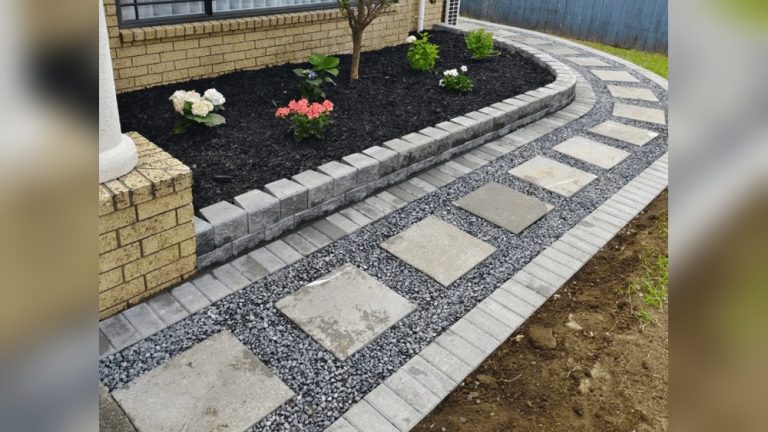
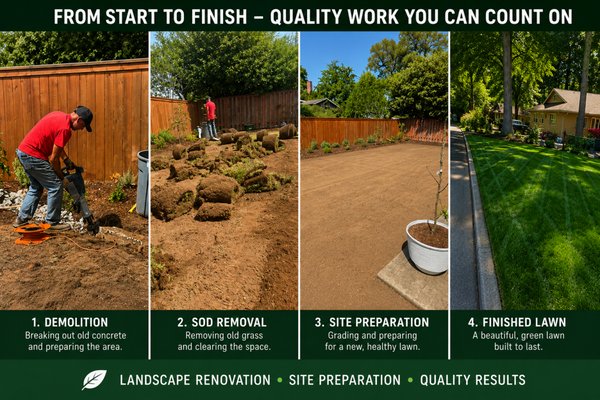
Request to see a portfolio of completed projects similar to your own. This could include before-and-after photos, blueprints, or video walkthroughs. Look for diversity in design, attention to detail, and quality craftsmanship.
Checking References
A trustworthy provider should readily supply references from recent clients. Contact these references to ask:
- Was the project completed on time and within budget?
- How was the communication and professionalism?
- Did the provider address any issues promptly?
- Would you hire them again?
Evaluating Professionalism And Communication
Initial interactions can be telling. Reliable landscapers respond promptly, provide clear estimates, and answer questions thoroughly. They should be willing to visit your property before quoting a price and offer detailed, written contracts.
Reviewing Awards And Certifications
Industry awards and certifications (such as Certified Landscape Technician or Certified Professional Horticulturist) are strong indicators of expertise and commitment to best practices.
Comparison Table: Key Credentials And What They Indicate
| Credential | What It Indicates | Where to Verify |
|---|---|---|
| Business License | Legally authorized to operate | Local government website |
| Liability Insurance | Protection for property damage/injuries | Insurance certificate from provider |
| Industry Membership | Professional standards adherence | NALP |
| Special Certifications | Expertise in horticulture/design/irrigation | Certifying body website |

Credit: www.centralparknyc.org
Comparing Services, Pricing, And Value
A critical step in finding quality landscaping and gardening services is comparing what different providers offer — and at what price. This ensures you receive the best combination of quality, service, and value for your investment.
Understanding Service Packages
Providers may offer a range of packages, from basic lawn care to comprehensive landscape design and installation. Carefully review what’s included in each package, such as:
- Number of maintenance visits per month
- Type of materials/plants used
- Warranty on plants and workmanship
- Cleanup and disposal of debris
Requesting Detailed Quotes
Obtain written, itemized quotes from at least three providers. This transparency helps you compare costs and identify hidden fees. Beware of vague or lump-sum estimates, which can mask extra charges.
Evaluating Payment Terms And Contracts
A reputable provider uses clear, legally binding contracts. These should detail scope of work, project timeline, payment schedule, and warranty terms. Avoid companies demanding large upfront payments or full payment before work begins.
Assessing Value Beyond Price
While price is important, it shouldn’t be the sole deciding factor. Consider:
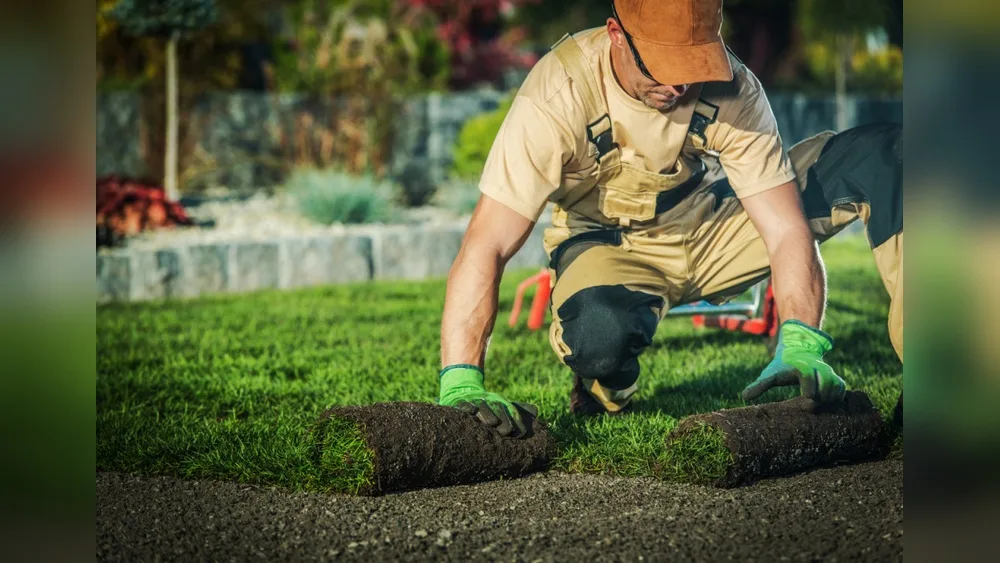
- Quality of materials (e.g., premium sod, disease-resistant plants)
- Experience and expertise of the crew
- Customer service and responsiveness
- Sustainability practices (use of organic fertilizers, water-saving systems)
Real-world Example: Comparing Two Providers
Consider two local companies, GreenScape Pros and EcoLand Gardens:
- GreenScape Pros offers a slightly lower price, but uses generic plants and subcontracts all labor.
- EcoLand Gardens charges 10% more but offers a 1-year plant guarantee, uses native species, and employs certified horticulturists.
In this scenario, the added value from EcoLand Gardens (warranty, plant quality, expert staff) may justify the higher price and reduce long-term costs from plant failures.
Service & Pricing Comparison Table
| Provider | Basic Maintenance (Monthly) | Full Landscape Design | Plant Warranty | Certified Staff |
|---|---|---|---|---|
| GreenScape Pros | $150 | $7,500 | 30 days | No |
| EcoLand Gardens | $170 | $8,200 | 1 year | Yes |
Evaluating Ongoing Maintenance Contracts
For ongoing care, review maintenance contracts carefully. Look for flexibility in service frequency, options to customize tasks, and clear communication protocols for reporting issues.
Negotiating For Added Value
Don’t hesitate to negotiate. Many providers are willing to include extra services — like seasonal fertilization or free mulch — to secure your business.
Checking Reviews, Testimonials, And Past Results
Customer feedback is one of the most powerful tools for evaluating landscaping and gardening services. Real-world testimonials provide insight into reliability, quality, and customer experience.
Where To Find Reliable Reviews
- Google Reviews and Yelp: Offer a broad sample and often include photos.
- Houzz: Specializes in home and garden services with detailed project reviews.
- Better Business Bureau (BBB): Lists complaints and business ratings.
What To Look For In Reviews
- Consistent praise for timeliness, communication, and workmanship
- Evidence of going “above and beyond” (e.g., cleaning up thoroughly, problem-solving)
- Patterns of unresolved complaints or recurring issues
- Responses from the business to negative reviews (shows accountability)
Spotting Fake Or Misleading Reviews
Be wary of:
- Overly generic or repetitive positive reviews
- Sudden spikes in 5-star ratings with no details
- Businesses with exclusively perfect scores and no negative feedback
Real-world Case Study: Turning Around A Troubled Yard
One homeowner hired a local service after seeing a neighbor’s lush, weed-free lawn. The company’s reviews highlighted their attention to detail and excellent communication. After a free consultation, they developed a customized maintenance plan, revitalizing the yard in just six months.
The customer later left a glowing review, citing the company’s responsiveness and expertise.
Using Before-and-after Photos
Request visual evidence of similar projects. Many top providers showcase transformations on their websites or social media, offering tangible proof of their capabilities.
Asking For Site Visits
If possible, arrange to visit a recent project or ask for addresses of public spaces they maintain. This firsthand look can be far more revealing than photos alone.
Key Red Flags And How To Avoid Poor-quality Providers
Even with diligent research, some providers may not live up to expectations. Knowing the warning signs can save you time, money, and frustration.
Lack Of Licensing, Insurance, Or Clear Contracts
Never hire a company that can’t provide proof of licensing and insurance. Vague or missing contracts are a major red flag.
High-pressure Sales Tactics
Be cautious of providers who push for immediate decisions, offer “today only” discounts, or try to upsell unnecessary services.
Poor Communication
Slow responses, unclear answers, or failure to provide itemized quotes suggest unreliable service. Consistent communication is key to a successful project.
No Physical Address Or Online Presence
Established companies typically have a business address, website, and active social media. Fly-by-night operators may lack these basics.
Negative Or Repetitive Complaints
Patterns of complaints about missed deadlines, subpar work, or hidden costs are serious warning signs. Check official sources like the Better Business Bureau for unresolved issues.
Subpar Materials Or Equipment
Ask what brands and suppliers they use. Reliable providers invest in quality materials and maintain their equipment.
Real-world Example: A Costly Mistake
A homeowner chose the cheapest bid for a patio installation, only to find the company used low-grade pavers and skipped proper foundation work. Within a year, the patio was uneven and hazardous, requiring expensive repairs by a reputable firm. This underscores the importance of prioritizing quality and credentials over low prices.
The Importance Of Local Knowledge And Sustainable Practices
The best landscaping and gardening services aren’t just skilled — they’re deeply familiar with your local climate, soil, and environmental regulations. Providers who emphasize sustainability can deliver landscapes that are beautiful, resilient, and eco-friendly.
Understanding Regional Plant Selection
Local experts know which native plants thrive in your climate and require less water and maintenance. According to the US Department of Agriculture, using native species can reduce irrigation needs by up to 50% (USDA).
Knowledge Of Local Regulations And Permits
Certain projects, such as tree removal or major grading, may require permits or adherence to local codes. Experienced providers handle the paperwork and ensure compliance, preventing fines or project delays.
Emphasizing Water Conservation
Look for companies that offer:
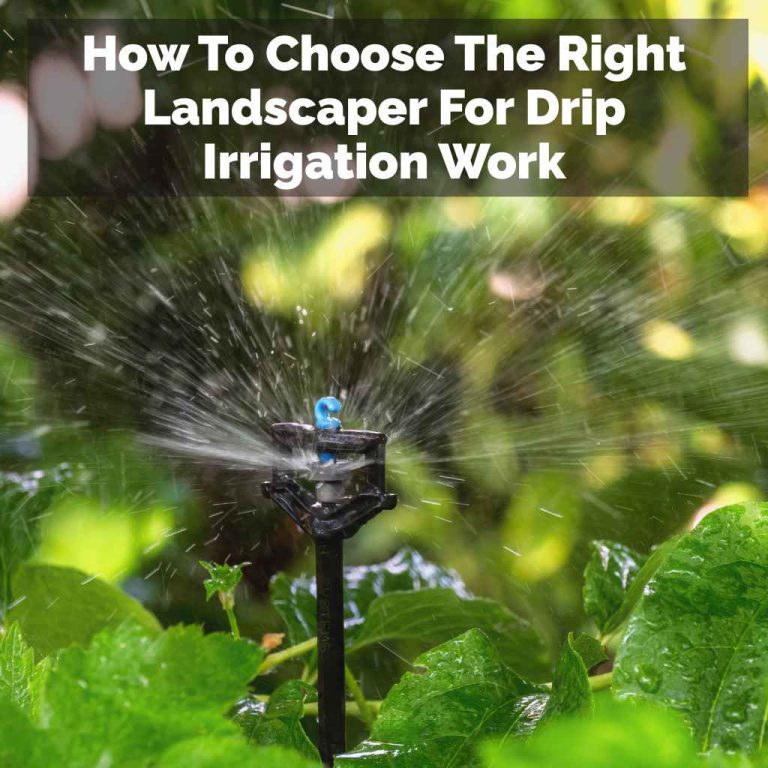
- Drip irrigation systems
- Rainwater harvesting solutions
- Drought-tolerant plantings
These practices reduce your water bill and help the environment.
Using Organic And Eco-friendly Materials
Top providers use organic fertilizers, mulches, and integrated pest management to minimize chemical use and protect pollinators.
Real-world Case Study: Sustainable Transformation
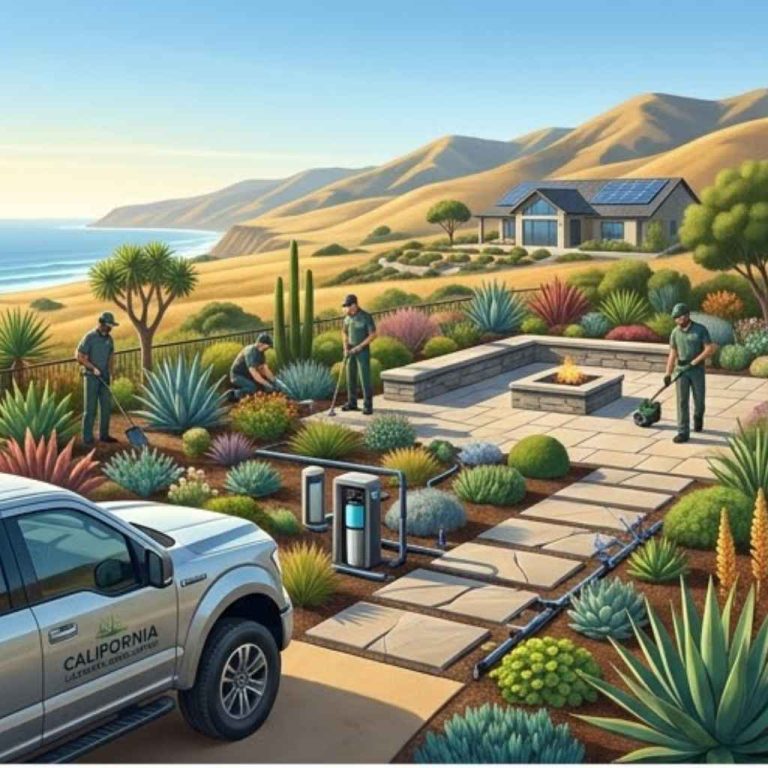
In California, a homeowner replaced a traditional lawn with drought-resistant native grasses and succulents, guided by a local landscaping firm specializing in xeriscaping. The result was a vibrant garden requiring 70% less water and minimal upkeep, demonstrating the value of local expertise and sustainable solutions (EPA WaterSense).
Table: Sustainable Landscaping Practices And Benefits
| Practice | Environmental Benefit | Long-Term Savings |
|---|---|---|
| Native Plantings | Supports local wildlife, reduces water use | Lower irrigation and maintenance costs |
| Organic Fertilizers | Improves soil health, protects waterways | Healthier plants, fewer inputs needed |
| Drip Irrigation | Reduces water waste, targets roots | Lower water bills |
| Rain Gardens | Manages stormwater, prevents erosion | Reduces flooding and landscaping repairs |
Educating Clients
Quality providers take time to educate you about plant care, seasonal tasks, and long-term maintenance. This partnership approach ensures lasting landscape health.
Supporting Local Businesses
Hiring a local provider keeps money in your community, supports regional growers and suppliers, and fosters accountability.
Making The Final Decision And Ensuring Satisfaction
After gathering information, comparing bids, and meeting with providers, it’s time to choose. A systematic approach will help you make a confident, informed decision.
Comparing Finalists
Create a simple scorecard to rate providers on:
- Credentials and experience
- Portfolio quality
- Customer reviews
- Pricing and value
- Communication and professionalism
- Sustainability practices
Choose the provider with the highest overall score, not just the lowest price.
Signing The Contract
Review the contract carefully before signing. Ensure it includes:
- Detailed project scope and materials
- Timeline with start and completion dates
- Payment schedule tied to milestones
- Warranty details
- Dispute resolution process
Never hesitate to ask for clarification or request changes in the contract.
Preparing For Project Start
Communicate your expectations clearly. Confirm access to the site, discuss parking or noise concerns, and provide contact information for quick decisions.
Monitoring Progress
Stay involved throughout the project. Schedule regular check-ins, review completed work, and address issues promptly. Document progress with photos and notes.
Handling Issues
Even the best projects can hit snags. Approach problems constructively — notify the provider quickly and allow them to resolve the issue. Most reputable companies are eager to maintain their reputation and will make things right.
Providing Feedback
Once the project is complete, leave honest feedback. Highlight what went well and any areas for improvement. This helps future clients and encourages high standards within the industry.
Frequently Asked Questions
How Much Should I Expect To Pay For Professional Landscaping Services?
Costs vary based on project size, complexity, and local labor rates. Basic maintenance may range from $100 to $300 per month, while complete landscape renovations can run from $5,000 to $50,000 or more. Always request detailed, itemized quotes to compare accurately (HomeAdvisor).
What Credentials Should I Look For In A Landscaping Or Gardening Service?
Look for business licenses, liability insurance, and relevant industry certifications (such as Certified Landscape Technician). Membership in professional associations like the NALP also indicates credibility.
How Can I Verify That A Provider Uses Sustainable Or Organic Practices?
Ask for specifics about plant selection, fertilizers, pest management, and irrigation. Providers should be transparent about using native plants, organic fertilizers, and water-saving systems. Request documentation or visit completed projects for evidence.
What Should Be Included In A Landscaping Contract?
A comprehensive contract should detail the scope of work, materials used, timeline, payment schedule, warranty terms, and a dispute resolution process. Never proceed without a clear, signed agreement.
How Do I Handle Problems Or Disputes With My Landscaping Provider?
Communicate concerns directly and in writing. Most reputable providers will address issues promptly. If problems persist, refer to your contract’s dispute resolution process or contact local consumer protection agencies, such as your state’s office or the BBB.
Transforming your outdoor space is an investment that rewards you with beauty, relaxation, and increased property value. By following these guidelines — from thorough research to careful comparison and open communication — you can confidently select a landscaping and gardening service that will help your vision flourish for years to come.