How Landscaping Services Can Improve Soil Health
Landscaping services improve soil health by correcting compaction, drainage, organic matter, and pH so roots can reach air, water, and nutrients. If soil problems go untreated, weak growth, runoff, nutrient loss, and higher replacement costs usually follow. This guide explains which services address each soil problem and how they change the soil system itself.
How landscaping changes soil health



Soil improves when the work changes how the ground behaves, not only how it looks. The most useful services change pore space, water movement, root oxygen, and the conditions that feed soil life. That is the path from landscaping to healthier soil.
Soil structure and pore space
Compaction is a structure problem. It reduces pore space, blocks root penetration, and can push water sideways instead of downward. When that happens, roots stay shallow, turf thins, and the surface stays wet longer after rain.
Water movement and oxygen
Drainage work changes infiltration and oxygen supply. Better grading, loosened soil, and corrected flow paths help water move through the profile instead of sitting at the surface. Roots need that air exchange as much as they need moisture.
Biology and nutrient cycling
Compost, mulch, and other amendments support microbial activity and nutrient cycling. Healthy soil biology helps nutrients move into forms plants can use, while organic matter improves aggregation and water holding. A service plan that ignores biology often leaves the soil fix incomplete.
What signs point to a soil problem?

Look for symptoms at the surface first. Standing water, crusting, weak turf, bare spots, and runoff after moderate rain often point to a soil issue rather than a plant problem. Those signs usually show that structure, drainage, or chemistry needs work before new planting.
Surface pooling and slow infiltration
Water that lingers in low spots or moves off the yard in sheets often points to poor infiltration. That can come from compaction, a bad grade, or both. If puddles remain long after rain stops, roots may be short on oxygen.
Thin turf, weak roots, and bare spots
Thin turf and weak root growth often follow compacted soil or low organic matter. Roots cannot push through dense layers, so plants stay shallow and stressed. In a lawn, that shows up as patchiness, slow recovery, and bare areas that return after reseeding.
Crusting, runoff, and low organic matter
Surface crusting and dusty soil often signal low organic matter. A soil that seals over after rain loses intake capacity and sheds water. That pattern also limits microbial activity, which slows nutrient cycling and makes amendments less effective over time.
Soil testing basics
Soil testing should come before planting, grading, or amendments. A baseline panel should generally include pH testing, nutrient analysis, and organic matter percentage; more comprehensive panels may also include microbial biomass. Recheck annually so you can see whether the work changed the soil, not only the plants.
Collect a baseline sample. Take samples from 6–8 inches deep and combine at least 10 sub-samples per zone. That gives a better picture of the root zone than a single scoop from one spot.
Ask for the right panel. Include pH, nutrient analysis, and organic matter percentage. If the project is meant to rebuild soil health, add microbial biomass to the panel so biology is measured, not guessed.
Retest on a schedule. Reassess annually, and also after major grading or soil rebuilding work. A soil plan needs follow-up data or you cannot tell whether the fixes are holding.
Picture a 300-square-foot side yard that stays wet for two days after rain. If the soil test shows low organic matter and the surface feels hard underfoot, the first move is not a heavier fertilizer program. It is a soil-structure fix that restores intake and root space.
What services fix compaction and drainage?
Compaction and drainage usually need different but connected services. Compaction work opens pore space and improves root penetration; drainage work changes grading, flow, and infiltration so water does not sit on top of the soil. The fix often starts below the surface, before any planting goes in.
Aeration, loosening, and soil rebuilding
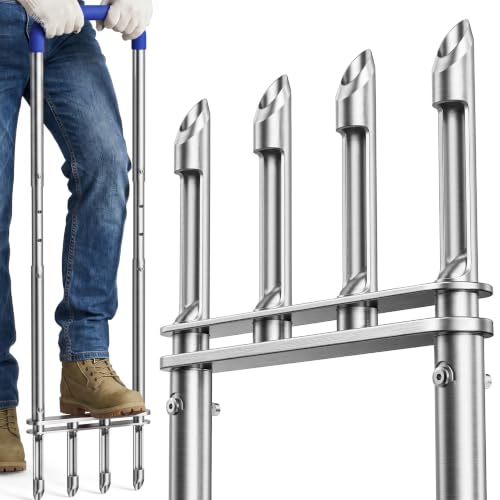
Aeration can help in some lawn settings, but dense or damaged soil may need deeper loosening or rebuilding. The goal is to restore pore space so water enters the profile and roots can move downward. If the surface is simply punched without changing the compacted layer, the benefit can be short-lived.
Grading and drainage corrections
Drainage corrections can involve regrading, reshaping low spots, or changing how water moves across beds and turf. That work improves infiltration, prevents standing water, and supports root oxygen. It also keeps future mulch and compost from washing into the wrong place.
What to avoid before the fix
Do not add more topdressing to a compacted yard and hope it solves the problem. Do not install new turf or shrubs over a soil layer that still sheds water or seals over after rain. Fix structure and drainage first, then amend chemistry and biology.
Suppose a front lawn gets a new sprinkler cycle every morning, but the same corner still turns mushy by noon. The problem is usually not a lack of water. It is an infiltration mismatch, so the irrigation pattern and the soil structure both need review.
Soil health action table
This table maps common yard symptoms to the landscaping service that addresses them first. Start with the first measurement, not the most visible fix. That order helps you avoid spending on mulch, seed, or plants before the soil system can support them.
| Symptom | Likely soil problem | Service fix | First measurement | Common mistake | Follow-up interval |
|---|---|---|---|---|---|
| Water pools after rain | Poor infiltration from compaction or bad grading | Grading correction and soil loosening | Check how long water remains on the surface | Adding more mulch before fixing grade | After the next major rain, then annually |
| Thin turf with bare patches | Compaction and weak root penetration | Aeration or deeper soil rebuilding | Probe resistance in the root zone | Overseeding without opening the soil | Check seasonally during recovery. |
| Dusty soil and crusting | Low organic matter and poor aggregation | Compost amendment and mulch | Soil organic matter percentage | Using only quick-release fertilizer | Annually |
| Yellowing growth with uneven vigor | pH outside the nutrient-available range | Targeted amendment based on soil test | pH test from a panel | Guessing with a blanket product | Annually, or after major amendments |
| Plants wilt quickly between rains | Low water retention and poor root-zone structure | Compost plus optional biochar | Organic matter percentage | Increasing irrigation without fixing the soil | Seasonally |
| Runoff carries soil away | Weak surface stability and poor infiltration | Drainage correction plus mulch | Observe runoff after a set rainfall | Installing new plants before solving erosion | After storms and each season |
Which amendments actually help?
Amendments work best after the soil has been tested and structure problems are under control. Compost, mulch, and biochar can all help, but each changes a different part of the soil system. The right choice depends on whether the issue is chemistry, biology, or water holding.
Compost and organic matter
Compost is one of the most useful soil amendments because it improves soil structure, supports microbial activity, and helps nutrient cycling. It also raises organic matter over time, which can improve aggregation and moisture handling. Apply it as part of a broader soil plan, not as a substitute for grading or compaction repair.
Mulch in planting beds
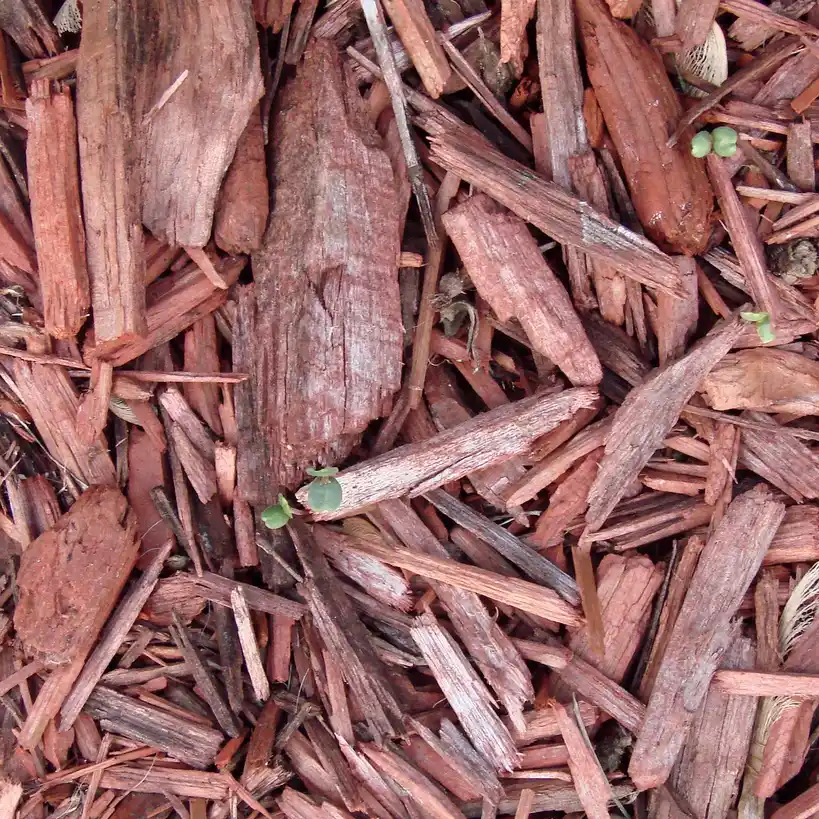
Mulch helps lock in soil moisture and reduce evaporation in planting beds. It also buffers the surface from heat and impact, which can limit crusting and protect the soil below. Use it as seasonal upkeep around beds, shrubs, and trees, but keep it off trunks and crowns.
Biochar and when it fits
Biochar can help retain water and nutrients, and it can provide a place for microbes to grow. It is best treated as an optional amendment in landscaping contexts, especially where water holding is poor or the soil is low in stable carbon. The best fit is a tested soil plan, not a guess.
How do plants and irrigation support healthier soil?
Plants and irrigation should work with the soil, not against it. Native plants can reduce input needs over time because they are often better adapted to local conditions. Irrigation systems should match soil infiltration and moisture retention so water is used where roots can actually take it up.
Native plants and lower input needs
Native plants often need less supplemental water and less corrective care once established. That lowers stress on the soil system and reduces the need for repeated rescue treatments. In sustainable landscaping, the goal is to choose plants that fit the soil and climate rather than force the soil to suit the plant.
Irrigation matched to infiltration
Irrigation should be set to the soil’s ability to absorb and hold water. If the system runs faster than the soil can take it in, runoff and puddling waste water and can worsen erosion. If it runs too slowly for a dry, fast-draining bed, plants may still suffer between cycles.
Seasonal upkeep and monitoring
Soil health is not a one-time project. Reassess after dry spells, heavy storms, and each major season change, then adjust mulch, irrigation, and amendments as needed. Annual testing keeps the plan tied to evidence instead of habit.
Review the soil test. Compare pH, nutrient analysis, and organic matter percentage before buying materials. That keeps the service package aligned with the actual soil problem.
Fix the physical barrier. Address compaction and drainage before adding compost, mulch, or new plants. Roots benefit more from open pore space than from extra inputs dropped on a sealed surface.
Match plants and water. Choose native plants where appropriate and set irrigation to the soil’s infiltration rate. Then check the yard again after storms and during dry periods.
Frequently asked questions
How can landscaping improve soil health?
Landscaping improves soil health when it changes the soil system itself. The most useful services fix compaction, improve drainage, add organic matter, and adjust pH so roots can reach air, water, and nutrients. Planting alone does less if the soil stays dense, acidic, or waterlogged.
What landscaping services help with compacted soil?
Services for compacted soil usually include aeration, deeper loosening, or soil rebuilding, depending on the severity. The aim is to restore pore space and root penetration. If compaction also causes pooling, drainage correction may be needed before or alongside any planting work.
Does mulch really improve soil health?
Yes, but mainly as part of bed management. Mulch helps lock in soil moisture, reduces evaporation, and protects the surface from heat and impact. It does not replace testing or compaction repair, and it should never be used as a cover for a drainage problem.
Can landscapers fix drainage problems that hurt soil?
Yes. Drainage work can include grading changes, flow redirection, and soil-structure fixes that improve infiltration and support root oxygen. These jobs are often more effective than repeated watering changes because they address the way water moves through and across the yard.
What soil care should be included in landscaping services?
At minimum, soil care should include baseline soil testing, pH testing, nutrient analysis, and organic matter assessment. A stronger plan also considers microbial biomass, drainage, and compaction. Annual retesting is often useful because soil conditions can change after grading, planting, irrigation adjustments, and seasonal stress.
Should soil testing be part of landscaping work?
Yes. Soil testing should come before planting, grading, or amendments, because it shows whether the problem is chemistry, structure, or biology. A useful panel includes pH, nutrients, and organic matter percentage, with annual reassessment to confirm whether the work improved the soil over time.