Where to Find Commercial Landscaping Supplies Near You
Finding the right commercial landscaping supplies is essential for businesses, property managers, and contractors aiming to create visually appealing, functional outdoor spaces. Whether you’re revitalizing a corporate campus, maintaining a retail plaza, or managing a multi-unit residential property, the quality and accessibility of landscaping materials can make or break your project.
Yet, navigating the vast marketplace—filled with local suppliers, national chains, and online retailers—can be overwhelming. Knowing where to source bulk materials, specialty products, or eco-friendly options near you is the first step toward a successful landscaping endeavor.
With the industry valued at over $105 billion in the US alone and demand projected to grow steadily, commercial landscaping is more competitive than ever. Sourcing supplies locally not only reduces transportation costs and delivery times, but also ensures you’re getting materials suited to your regional climate and soil conditions.
This guide will help you identify the best places to find commercial landscaping supplies near you, compare supplier options, and make informed decisions that maximize both aesthetics and ROI.
Key Takeaways
- Local suppliers offer tailored materials and expertise for regional climates and project needs.
- National chains and online retailers provide convenience, variety, and competitive pricing.
- Bulk purchasing can significantly reduce costs for large-scale projects.
- Eco-friendly and specialty suppliers cater to sustainability goals and unique design requirements.
- Comparing supplier types helps optimize material quality, delivery, and customer service.

Credit: surelocedging.com
Understanding Commercial Landscaping Supplies
Commercial landscaping projects demand a diverse array of materials, tools, and products—far beyond what’s needed for residential landscaping. The scope, durability, and quantity required for business environments often necessitate sourcing from specialized suppliers. Navigating the world of commercial landscaping supplies requires an understanding of both the basics and the specialized products that can make your project stand out.
Types Of Commercial Landscaping Supplies
- Bulk materials: Soil, mulch, gravel, sand, and aggregates used for large-scale installations. For example, high-performance soils are often formulated for commercial use, with added nutrients and drainage properties to support extensive plantings. Mulch options can include dyed hardwood, pine bark, or recycled rubber, each offering different aesthetic and functional benefits. Aggregates may be required for drainage, walkways, or decorative features, with options ranging from pea gravel to crushed granite.
- Plants and trees: Drought-resistant species, ornamental trees, shrubs, ground covers, and turf. Commercial landscapes often require specimens that are both visually appealing and resilient, such as hybrid turf grasses, mature shade trees, or low-maintenance perennials. Choosing native plants can reduce water and maintenance needs while supporting local ecosystems.
- Hardscape products: Pavers, stone, retaining wall blocks, edging, and decorative rock. Hardscaping gives form and structure to landscapes, with products designed for durability and aesthetics. Commercial-grade pavers may be engineered for heavy foot traffic or vehicular loads, while decorative stone can create striking visual elements.
- Irrigation systems: Drip lines, sprinklers, timers, and pumps tailored for expansive properties. Commercial irrigation systems incorporate advanced features like weather sensors, programmable controllers, and high-efficiency nozzles to minimize water waste and maintenance requirements.
- Equipment and tools: Commercial mowers, trimmers, aerators, and hand tools. Equipment designed for commercial use is typically more robust and efficient than residential counterparts, with features like larger cutting decks, enhanced safety mechanisms, and extended warranties.
- Fertilizers and chemicals: Professional-grade nutrients, weed control, and pest management solutions. Commercial fertilizers are often tailored to specific plant species or soil conditions, while integrated pest management solutions reduce environmental impact and maintain landscape health.
Expanded Examples
- Bulk Materials: A 50,000 sq. Ft. office park may require over 200 cubic yards of mulch and several tons of gravel for paths and drainage. Suppliers can provide delivery schedules to match installation phases.
- Plants and Trees: Sourcing mature trees for instant shade or privacy screening, such as 20-foot oaks or evergreens, is common in commercial projects; nurseries often offer specimen trees delivered and installed.
- Hardscape Products: Retaining wall systems for sloped properties or heavy-duty pavers for parking lots are engineered to withstand years of use and environmental stress.
- Irrigation Systems: Smart irrigation controllers that adjust watering schedules based on real-time weather data can save thousands of gallons annually.
- Equipment and Tools: Commercial crews may use ride-on mowers with GPS tracking, battery-powered trimmers for noise-sensitive environments, and specialized aerators for sports fields.
Why Commercial Sourcing Matters
- Quality assurance: Suppliers specializing in commercial-grade products offer higher durability and compliance with industry standards. Products are often tested for performance, longevity, and safety, ensuring they meet the demands of commercial environments.
- Bulk availability: Larger quantities minimize project delays and facilitate consistent results. Commercial suppliers can provide materials in truckloads, pallets, or even rail shipments, supporting large projects with consistent supply.
- Expert advice: Commercial suppliers often employ horticulturists or landscape architects who understand large-scale project requirements. Their knowledge can help optimize plant selection, soil amendments, and irrigation layouts to reduce maintenance costs and improve outcomes.
Additional Considerations
- Regulatory compliance: Commercial suppliers can guide you on local codes and regulations, such as ADA accessibility, stormwater management, or chemical use restrictions.
- Warranty and support: Many commercial products come with extended warranties and dedicated technical support, ensuring peace of mind and long-term performance.
Where To Find Commercial Landscaping Supplies Near You
Locating suppliers that match your project scale, timeline, and budget is key. Below are the primary sources, each with unique advantages. Understanding the strengths and limitations of each option can help you craft a sourcing strategy that balances convenience, cost, and quality.
Local Landscape Supply Yards
Local supply yards are a staple for contractors and property managers. They stock region-specific materials and offer hands-on service.
- Advantages:
- Immediate pickup or delivery, often same-day for urgent needs.
- Local expertise on soil and climate conditions, including advice on plant selection and installation techniques.
- Often carry exclusive regional products, such as locally quarried stone or native plant species.
- Examples:
- Big Earth Landscape Supply in Florida specializes in bulk mulch, stone, and soil tailored to tropical environments. Their staff can recommend products that withstand Florida’s humidity and seasonal storms.
- Southwest Boulder & Stone in California offers drought-tolerant landscaping solutions. Their inventory includes decomposed granite, river rock, and xeriscape-friendly plants.
Expanded Benefits
Local supply yards are often deeply embedded in the community, supporting regional sustainability initiatives and sourcing from nearby growers or quarries. They may also offer custom blending services for soils or mulches, allowing you to tailor materials to your project’s specific needs.
Many yards provide installation services or partner with local contractors for turn-key solutions.
National Chains
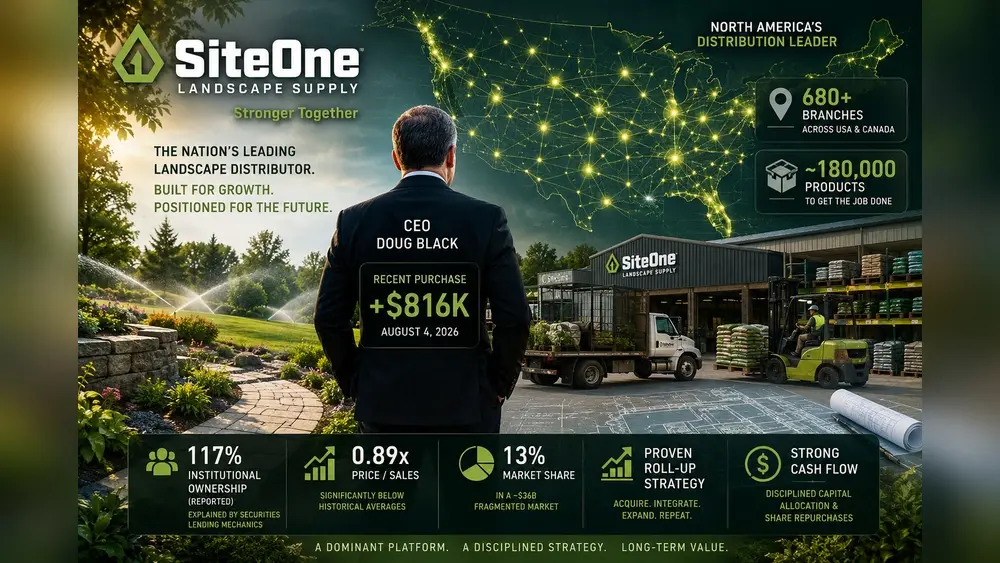
Large retailers like Home Depot, Lowe’s, and SiteOne Landscape Supply cater to commercial buyers with robust inventories and streamlined logistics.
- Advantages:
- Nationwide delivery and online ordering, making it easy to supply multiple project sites.
- Consistent product quality, with standardized SKUs and manufacturer guarantees.
- Loyalty programs for contractors, offering rewards, discounts, and priority service.
- Examples:
- SiteOne Landscape Supply operates 600+ locations and focuses on professional-grade materials. Their catalog includes everything from sod to irrigation systems, with regional variations to suit local climates.
- Home Depot Pro offers contractor pricing and bulk discounts, with dedicated account managers for large projects.
Expanded Benefits
National chains often have advanced logistics networks, enabling rapid replenishment and support for large-scale rollouts. Many offer training events, installation guides, and extended warranties. Their scale allows for competitive pricing, and their online platforms streamline procurement, invoicing, and project tracking.
For businesses managing properties in multiple states, national chains are ideal for maintaining consistency and simplifying supplier relationships.
Online Retailers
The digital landscape has revolutionized sourcing, with platforms like Amazon Business, Landscape Supply Online, and Wholesale Landscapes enabling easy comparison and ordering.
- Advantages:
- Wide selection and transparent pricing, with thousands of products available at your fingertips.
- Convenient search and filter functions, allowing you to quickly find specialty or hard-to-find items.
- Ratings and reviews guide purchasing decisions, offering insight from other commercial buyers.
- Examples:
- Amazon Business provides account management tools for bulk orders, customized pricing, and purchasing analytics.
- Landscape Supply Online specializes in hard-to-find landscape products, such as unique hardscape materials or specialty irrigation components.
Expanded Benefits
Online retailers often offer customer support via chat, email, or phone, and provide detailed product specifications, installation instructions, and material safety data sheets. They may also feature seasonal promotions, bundled pricing, and expedited shipping options. For remote or rural projects, online suppliers can be invaluable in accessing materials otherwise unavailable locally.
Nurseries And Specialty Suppliers
Nurseries offer high-quality plants, trees, and shrubs, often with custom sourcing for large projects. Specialty suppliers focus on eco-friendly or unique materials.
- Advantages:
- Expert plant selection and care advice, often with horticulturists or certified arborists on staff.
- Access to rare or native species, including specimen trees, specialty perennials, or conservation-grade plants.
- Sustainable and organic options, such as certified organic compost, recycled mulch, or locally grown plants.
- Examples:
- Monrovia Nursery supplies commercial-grade plants nationwide, with custom growing contracts for large projects.
- Eco Landscape Supply focuses on green-certified products, such as permeable pavers or recycled aggregates.
Expanded Benefits
Nurseries can source plants in a range of sizes, from plugs to mature specimens, and offer installation services, plant warranties, and ongoing maintenance support. Specialty suppliers may provide custom design consultation, helping you select materials that meet sustainability goals or regulatory requirements.
Many nurseries participate in plant rescue or reforestation programs, supporting broader environmental initiatives.
Direct-from-producer And Quarries
For stone, sand, and aggregate, buying directly from quarries or producers can yield cost savings and ensure material consistency.
- Advantages:
- Lower prices for bulk orders, with direct-to-site delivery.
- Custom stone cutting or grading, tailored to project specifications.
- High material quality, with minimal handling and reduced risk of contamination.
- Examples:
- Luck Stone operates multiple quarries in the Southeast US, offering both standard and custom aggregate products.
- Martin Marietta offers aggregate solutions for commercial projects, including engineered fill and specialty stone.
Expanded Benefits
Direct producers can provide technical support on material selection, grading, and installation. They often have sophisticated logistics capabilities, coordinating bulk shipments to multiple sites. For projects requiring unique stone finishes or large quantities of aggregate, direct sourcing ensures uniformity and reduces lead times.

Credit: lljohnson.com
Comparing Supplier Options: Data-driven Insights
Choosing the right supplier involves balancing cost, quality, delivery speed, and customer service. The table below compares key metrics across supplier types.
| Supplier Type | Cost Efficiency | Material Variety | Delivery Speed | Expert Support |
|---|---|---|---|---|
| Local Supply Yard | High (bulk pricing) | Medium | Fast (local) | Strong (regional expertise) |
| National Chain | Medium | High | Medium | Moderate |
| Online Retailer | Medium | Very High | Variable | Limited |
| Nursery/Specialty | Low (premium pricing) | Specialty | Medium | Very Strong |
| Direct Producer/Quarry | Very High | Low (specific materials) | Medium | Low |
Expanded Comparison Insights
- Local Supply Yards: Ideal for projects requiring fast turnaround and region-specific materials. Their limited variety is offset by deep expertise and service. They are often the best choice for last-minute needs, repairs, or adjustments during installation.
- National Chains: Suited for businesses managing multiple properties, offering consistent quality and broad inventory. Their moderate expert support is often supplemented by online resources and training.
- Online Retailers: Best for sourcing specialty or hard-to-find materials. Delivery speed depends on location and shipping method; expert support is usually limited to online guidance.
- Nursery/Specialty Suppliers: Provide premium, unique materials and expert advice. Pricing is higher but justified by quality, warranties, and sustainability.
- Direct Producers/Quarries: Most cost-effective for bulk stone or aggregate needs. Material variety is limited, but quality and price advantages are significant.

Credit: www.leaflandscapesupply.com
How To Evaluate And Select The Best Supplier
Choosing a supplier isn’t just about price—it’s about fit, reliability, and service. Consider the following criteria when making your selection.
Assessing Material Quality
- Request samples: Always ask for product samples, especially for mulch, stone, or soil. Samples allow you to evaluate color, texture, and composition before committing.
- Check certifications: Look for quality standards or environmental certifications, such as Green Seal, EPA WaterSense, or LEED compliance.
- Inspect plant health: For nurseries, review plant vigor and disease resistance. Examine roots, foliage, and overall condition to ensure healthy installations.
Additional Tips
- Ask for references: Reputable suppliers can provide testimonials or case studies from past commercial clients.
- Review product specifications: Confirm products meet engineering or architectural requirements, especially for hardscape materials.
Comparing Pricing And Bulk Discounts
- Bulk purchase options: Ask about pallet, cubic yard, or truckload pricing. Larger orders typically yield significant savings.
- Contractor discounts: Many suppliers offer loyalty programs or volume discounts, with points or rebates for repeat business.
- Transparent quotes: Ensure quotes include delivery, taxes, and any surcharges. Request itemized estimates to compare apples-to-apples across suppliers.
Negotiation Strategies
- Bundle materials: Combine orders for different supplies to negotiate lower overall pricing.
- Long-term contracts: For ongoing property maintenance, negotiate multi-year agreements to lock in pricing and priority service.
Delivery And Logistics
- Delivery radius: Confirm supplier’s ability to deliver to your project site, especially for remote or multi-site projects.
- Lead times: Inquire about standard delivery times and rush options. Ask about contingency plans for weather or supply chain disruptions.
- Order tracking: Online and national chains often provide order tracking tools, allowing you to monitor shipments and adjust schedules as needed.
Expanded Logistics Considerations
- Staging areas: Coordinate deliveries to align with site access and installation schedules.
- Material handling: Some suppliers offer unloading and placement services, reducing labor requirements.
Customer Support And After-sale Service
- Technical advice: Suppliers should offer guidance for installation and care, either in person or through online resources.
- Returns and exchanges: Review policies in case of damaged or unsuitable materials. Flexible suppliers can minimize project delays and losses.
- Warranty coverage: Many nurseries guarantee plant survival for a set period, while hardscape suppliers may offer extended product warranties.
Expanded Support Options
- On-site consultation: Some suppliers provide site visits to assess needs and recommend solutions.
- Training programs: National chains and specialty suppliers may offer training for installation crews, ensuring proper use and longevity.
Real-world Examples And Case Studies
Understanding how others have sourced commercial landscaping supplies can inform your own strategy. Here are three real-world examples:
Case Study 1: Corporate Campus Revitalization
A Fortune 500 company in Texas sought to overhaul its 30-acre campus. The project manager sourced bulk mulch, native plants, and pavers from a local supply yard and nursery. By leveraging regional expertise and bulk discounts, they reduced costs by 18% compared to national chains. Delivery coordination ensured minimal disruption to daily operations.
Expanded Details
- Problem Solved: The campus had outdated landscaping that failed to withstand Texas heat and drought. The local supplier recommended drought-tolerant plant species and mulch types that improved water retention.
- Implementation: Staggered deliveries and on-site storage allowed the project to proceed smoothly, with minimal downtime. The supplier’s knowledge of local ordinances helped ensure compliance with water restrictions and stormwater management requirements.
Case Study 2: Multi-family Residential Upgrade
A property management firm overseeing 10 apartment complexes in Phoenix needed drought-resistant turf and irrigation materials. Partnering with SiteOne Landscape Supply, they accessed nationwide inventory, bulk pricing, and professional irrigation advice. The switch to a national chain provided uniformity across properties and streamlined procurement.
Expanded Details
- Problem Solved: Previous suppliers lacked inventory and consistency, leading to mismatched turf and unreliable irrigation systems.
- Implementation: SiteOne’s account manager coordinated deliveries across multiple sites, ensuring each property received identical materials. The firm utilized SiteOne’s online ordering platform to track shipments and manage invoices, reducing administrative burden.
Case Study 3: Retail Plaza Renovation
A contractor renovating a shopping plaza in California required specialty stone and eco-friendly groundcover. Using Eco Landscape Supply for certified green materials and a direct quarry supplier for custom stone, they met the client’s sustainability goals. The project gained LEED certification, enhancing tenant appeal and property value.
Expanded Details
- Problem Solved: The client wanted a landscape that met green building standards and minimized environmental impact.
- Implementation: Eco Landscape Supply provided permeable pavers, recycled mulch, and native plants. The quarry supplied custom-cut stone for walkways and seating areas. Both suppliers offered documentation for LEED submission, streamlining certification.
Eco-friendly And Sustainable Sourcing
Sustainability is increasingly vital in commercial landscaping. Sourcing eco-friendly supplies can reduce environmental impact and meet regulatory requirements. Commercial clients often seek solutions that minimize resource consumption, reduce maintenance costs, and contribute to corporate social responsibility.
Sustainable Material Options
- Recycled mulch and compost: Divert waste from landfills and improve soil health. Recycled rubber mulch, for example, offers durability and color retention while repurposing waste tires.
- Native plants: Require less water and maintenance. Using regional species supports pollinators and reduces fertilizer needs.
- Permeable pavers: Reduce stormwater runoff and support green infrastructure. These products can help meet municipal stormwater management regulations and improve site drainage.
Expanded Examples
- Solar-powered irrigation controllers: Reduce energy consumption and align with sustainability goals.
- Organic fertilizers: Minimize chemical runoff and improve soil structure.
- Rainwater harvesting systems: Capture and reuse water for irrigation, reducing dependency on municipal supply.
Certifications And Standards
- LEED certification: Projects using sustainable materials can earn LEED points, which enhance property value and attract eco-conscious tenants.
- EPA WaterSense: Irrigation products labeled WaterSense reduce water consumption, helping properties meet water conservation targets.
- Green Seal: Indicates environmentally responsible products, such as biodegradable mulch mats or low-emission equipment.
Expanded Benefits
Certifications can differentiate your property in the marketplace, attract tenants, and meet government incentives for green building. Suppliers familiar with these standards can provide documentation and support, simplifying the certification process.
Where To Find Sustainable Supplies
- Specialty suppliers like Eco Landscape Supply offer green-certified materials, including recycled aggregates and permeable paving solutions.
- Many local supply yards now stock recycled and native products, such as compost blends and native grasses.
- Nurseries may specialize in native or drought-tolerant species, offering plug-and-play solutions for eco-friendly projects.
Expanded Tips
- Ask for product provenance: Ensure materials are truly sustainable by requesting certification or origin documentation.
- Partner with suppliers: Work with suppliers to develop custom blends or select species that maximize sustainability and performance.
Navigating Bulk Purchasing And Logistics
Large-scale projects often require bulk purchasing and complex logistics. Proper planning ensures you get the right materials, at the right time, for the right price. Efficient logistics reduce site congestion, minimize waste, and keep projects on schedule.
Bulk Material Ordering Tips
- Calculate exact quantities: Use project blueprints and area measurements. Factor in contingency for waste, weather, or changes in scope.
- Schedule staggered deliveries: Prevent site congestion and material spoilage. Coordinate with installation crews to match delivery timing.
- Negotiate bulk discounts: Don’t be afraid to ask for better rates. Suppliers may offer tiered pricing or promotional discounts for large orders.
Expanded Tips
- Combine orders across sites: If managing multiple properties, aggregate orders to maximize discounts and simplify logistics.
- Review supplier storage options: Some suppliers offer off-site storage until materials are needed, reducing site clutter.
Logistics And Delivery Considerations
- Site access: Ensure delivery vehicles can reach your project site. Plan for offloading equipment and clear pathways.
- Weather impacts: Plan deliveries around weather forecasts to avoid delays. Weather can affect installation, storage, and material quality.
- Material storage: Prepare secure, weather-protected storage areas. Use tarps, bins, or sheds to protect materials from rain, sun, or theft.
Expanded Considerations
- Coordinate with suppliers: Share your project schedule and site constraints to optimize delivery timing and reduce surprises.
- Monitor inventory: Track materials on site to prevent shortages or overages, using inventory management software or spreadsheets.
Comparison Table: Bulk Vs. Small-scale Purchasing
| Aspect | Bulk Purchasing | Small-Scale Purchasing |
|---|---|---|
| Cost per unit | Lower | Higher |
| Delivery | Scheduled, large loads | Flexible, smaller loads |
| Storage needs | Significant | Minimal |
| Supplier negotiation | Strong (discounts) | Limited |
| Project scale | Commercial | Residential/Small |
Expanded Table Insights
Bulk purchasing is best suited for large, multi-phase projects, reducing overall costs and streamlining procurement. However, it requires careful planning and site management to avoid waste and logistical issues. Small-scale purchasing is more flexible but less cost-efficient, making it ideal for repairs or small installations.
Leveraging Supplier Networks And Trade Associations
Connecting with supplier networks and trade associations can unlock access to vetted suppliers, industry insights, and exclusive deals. Associations provide resources, directories, and training that help you stay ahead of industry trends and regulations.
Key Organizations
- National Association of Landscape Professionals (NALP): Offers supplier directories and certification resources. Their annual conference provides networking opportunities and workshops.
- American Nursery & Landscape Association (ANLA): Connects buyers with reputable nurseries. Their publications offer guidance on plant health, sourcing, and installation.
Benefits Of Membership
- Supplier vetting: Associations recommend suppliers with proven track records, reducing risk and ensuring quality.
- Industry trends: Stay up-to-date with new materials, regulations, and best practices. Members receive newsletters, research reports, and market insights.
- Training and support: Access seminars, workshops, and certification programs to enhance staff skills and knowledge.
Finding Supplier Directories
Many trade associations publish directories and buyer guides online. For example, the National Association of Landscape Professionals provides a searchable supplier database.
Expanded Tips
- Attend industry events: Trade shows and conferences connect you with suppliers, offer product demos, and foster collaboration.
- Join local chapters: Regional chapters offer localized insights, supplier recommendations, and networking opportunities.
Technology And Tools For Sourcing Supplies
Modern technology simplifies the process of finding, comparing, and purchasing commercial landscaping supplies. Digital tools enhance efficiency, accuracy, and communication throughout the procurement process.
Online Supplier Platforms
- LandscapeHub: Aggregates supplier inventories for easy comparison, allowing you to filter by location, price, and product type.
- Green Industry Pros Marketplace: Connects buyers to industry vendors, with reviews and product specs.
Expanded Benefits
Supplier platforms often feature order tracking, digital invoicing, and automated reordering, reducing administrative workload. Integration with project management tools enables seamless communication between procurement and installation teams.
Mobile Apps And Ordering Tools
- SiteOne Mobile App: Streamlines ordering, delivery tracking, and account management. Notifications alert you to shipment status and product availability.
- Home Depot Pro App: Enables mobile access to bulk pricing and inventory, simplifying on-site ordering.
Expanded Benefits
Mobile apps allow crews to place orders from the field, track deliveries in real time, and access installation guides or product specs. This flexibility reduces downtime and ensures materials arrive when needed.
Gis And Mapping Tools
- Google Maps: Locate local supply yards and nurseries, view hours, and read reviews.
- ArcGIS: Plan material delivery routes and site logistics, optimizing efficiency and reducing travel time.
Expanded Benefits
GIS tools help map supplier locations, analyze delivery routes, and identify storage or staging areas on site. They also support compliance with zoning, environmental, and accessibility regulations.
Internal And External Resources For Sourcing
Leveraging both internal and external resources enhances your ability to source supplies efficiently and cost-effectively.
Internal Resources
- Facility managers: Have local supplier contacts and experience, supporting rapid problem-solving and material selection.
- Procurement teams: Can negotiate contracts and manage bulk orders, ensuring compliance and maximizing discounts.
- In-house landscape architects: Provide material specifications and supplier recommendations, optimizing design and installation.
Expanded Internal Collaboration
- Cross-department communication: Regular coordination between maintenance, procurement, and design teams ensures material compatibility and reduces waste.
- Inventory tracking: Internal systems monitor material usage and reorder points, preventing shortages and delays.
External Resources
- Supplier directories: Industry associations and trade magazines publish supplier lists, helping you identify reputable partners.
- Regional extension offices: Offer advice on climate-appropriate materials, pest management, and plant selection.
- Local Chamber of Commerce: Can recommend reputable suppliers and support local business initiatives.
For further reading and supplier guidance, consult authoritative resources such as the EPA WaterSense program and the US Green Building Council.
Expanded Use Of Resources
- Consult extension agents: They provide soil tests, plant recommendations, and pest management guidance, supporting optimal material selection.
- Read trade publications: Stay informed about new products, supplier reviews, and best practices.
Frequently Asked Questions
How Can I Find Commercial Landscaping Supplies Near My Location?
Start by searching local supply yards, nurseries, and national chain stores using mapping tools like Google Maps. Trade association directories, such as the National Association of Landscape Professionals, provide vetted supplier lists. Online platforms like LandscapeHub aggregate inventories for easy comparison. Additionally, networking with other landscape professionals or property managers can yield recommendations based on real-world experience.
What Are The Advantages Of Buying From Local Suppliers?
Local suppliers offer materials suited to your region’s climate, provide immediate pickup or delivery, and have staff with regional expertise. They often stock exclusive products and can advise on soil, plant, and material selection for optimal results. Working with local suppliers also supports the local economy and can facilitate faster resolution of issues or returns.
Can I Get Bulk Discounts For Commercial Landscaping Supplies?
Yes, most commercial suppliers—including local yards, national chains, and direct producers—offer bulk pricing for large orders. Contractors and property managers often receive additional loyalty discounts. Always request detailed quotes and negotiate for better rates. For ongoing projects or maintenance, consider establishing long-term supply agreements to lock in favorable pricing.
What Should I Consider When Choosing A Supplier For Commercial Landscaping?
Evaluate suppliers based on material quality, price, delivery speed, customer support, and after-sale service. Review certifications, request samples, and ask about return policies and warranties. Consider logistics, such as delivery radius and lead times. It’s also important to assess supplier reliability, reputation, and their ability to meet unique project requirements.
Are There Eco-friendly Options For Commercial Landscaping Supplies?
Eco-friendly options include recycled mulch, native plants, permeable pavers, and WaterSense-labeled irrigation products. Specialty suppliers and many local yards now stock sustainable materials. Projects aiming for certifications like LEED should source from green-certified suppliers. In addition, many suppliers offer guidance on sustainable practices, plant selection, and water conservation measures.
Top External Resources
- National Association of Landscape Professionals
- EPA WaterSense
- US Green Building Council
- SiteOne Landscape Supply
- Monrovia Nursery
- Wikipedia: Landscaping
Sourcing commercial landscaping supplies near you is a strategic process that hinges on balancing cost, quality, and convenience. Whether you’re managing a single property or multiple sites, understanding your supplier options and leveraging local expertise can deliver superior results. The right materials, purchased at the right price and delivered on time, will help your landscape projects flourish—both aesthetically and financially.
By integrating technology, engaging with trade associations, and embracing sustainable sourcing, you can streamline procurement and achieve long-term success. Remember to leverage both internal and external resources, negotiate for bulk discounts, and prioritize quality and service throughout the process. With thoughtful planning and informed decision-making, your commercial landscape will not only meet but exceed expectations—adding value, beauty, and sustainability to every property you manage.