Best landscaping services for large properties: how to choose
For large properties, the best service is a team that covers year-round maintenance, irrigation repair, pruning, turf care, and fast response to problems, with one site manager watching all zones. Without that range, crews miss weak spots, costs climb, and the property starts looking unmanaged fast. This guide shows how I compare service scope, staffing, equipment, and contract terms before I hire.
This guide is part of our Landscaping services guide series.
Best landscaping services for large properties: top pick for most buyers
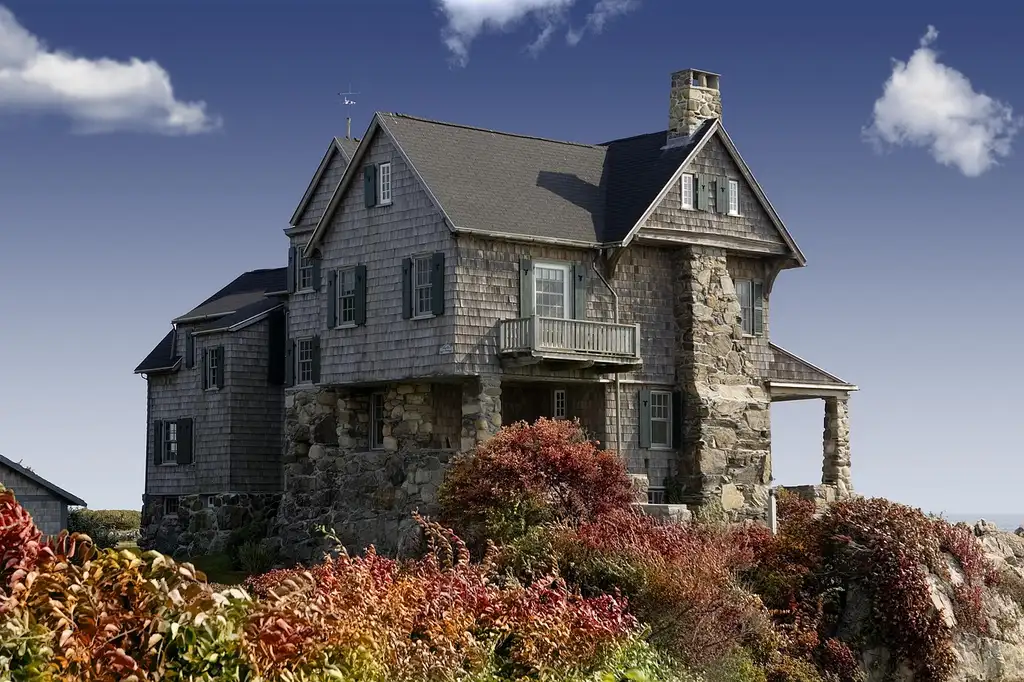
The top pick for most large-property owners is full-service recurring maintenance with a provider that can handle mowing, irrigation repair, tree trimming, thatching, and site design under one schedule. I see that model fit estates, acreage, and multi-zone homes because the work changes by area and by season.
Why full-service recurring maintenance usually wins
Large properties fail in the gaps between services. A crew that only cuts grass leaves dead zones, drainage issues, and overgrowth untouched. A full-service provider can keep access open, keep sightlines clear, and keep the site presentable without forcing the owner to juggle separate vendors.
What that top pick should cover on a large site
The service should generally cover grass cutting, irrigation repair, thatching, tree trimming, and some level of site design or planning. On a big site, those pieces affect one another. Broken heads create dry spots, uneven coverage wastes water, and low branches can block roads, roofs, and paths.
When a lighter service package is enough
A lighter package can work if the property is large but relatively simple in layout, with mostly open turf, limited tree cover, and few drainage concerns. It also fits owners who only need seasonal resets and routine mowing, not active oversight of irrigation, trees, and access lanes.
Quick picks by property type

Different large properties need different service scopes. The best match depends on how many zones need attention, how hard the site is to reach, and how much risk there is from runoff, overgrowth, or missed maintenance.
| Property type | Best fit | Why it works |
|---|---|---|
| Estates and luxury homes | Full-service recurring maintenance plus tree and irrigation oversight | Multiple visible zones need clean edges, open sightlines, and fast issue handling |
| Acreage and back lots | Large-property maintenance with equipment capacity and access planning | Long drives, rear zones, and brush edges need wider service coverage |
| HOA, rental, and multi-home properties | Scheduled maintenance with site walks and reporting | Consistency matters more than one-time finish work |
Best for estates and luxury homes
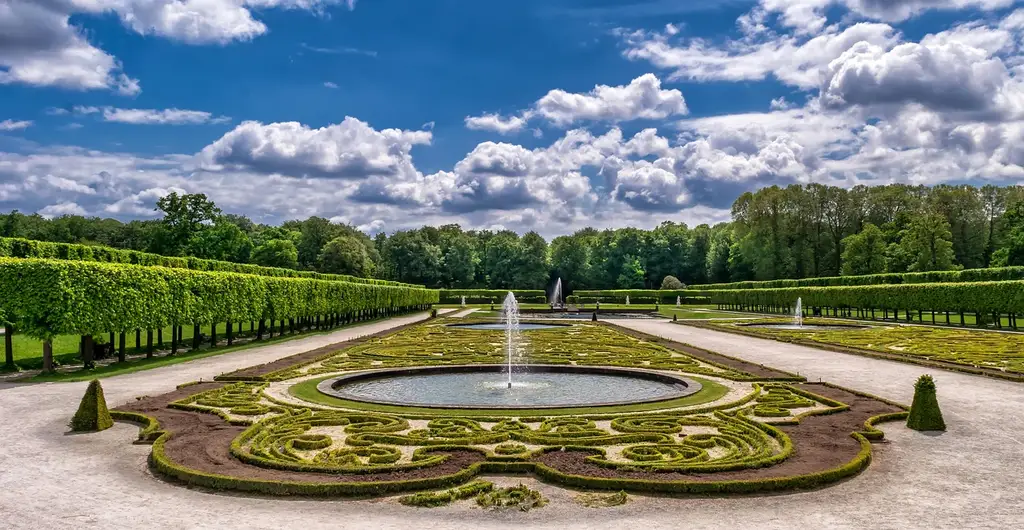
Choose a provider that can manage presentation areas, tree clearance, irrigation tuning, and seasonal resets. Estates usually need a service that keeps property value up through curb appeal, clean access, and reliable upkeep across several visible zones.
Best for acreage and back lots
Choose a crew with larger equipment, clear routing, and enough labor to cover back acreage without skipping edges and low-visibility areas. These sites often hide drainage problems and overgrowth until the work piles up.
Best for HOA, rental, and multi-home properties
Choose a provider that documents visits, follows a recurring service plan, and can handle multiple stops in one run. These properties need predictable presentation and fewer complaints about missed mowing, weeds, or blocked access.
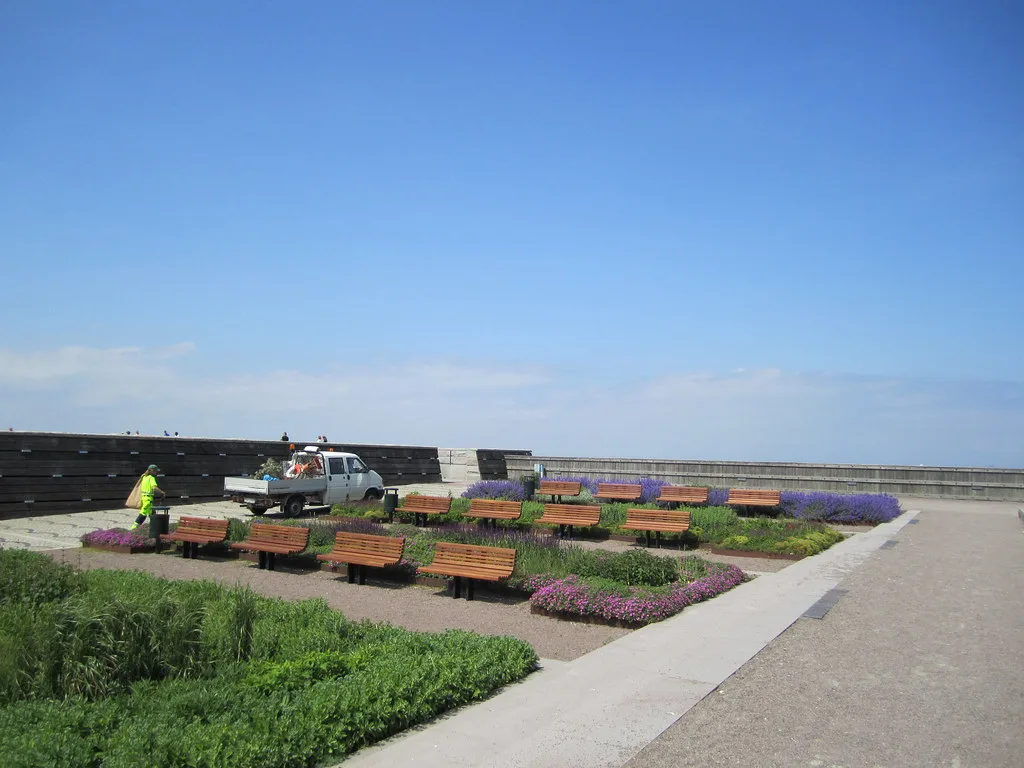
What is included in large-property maintenance?
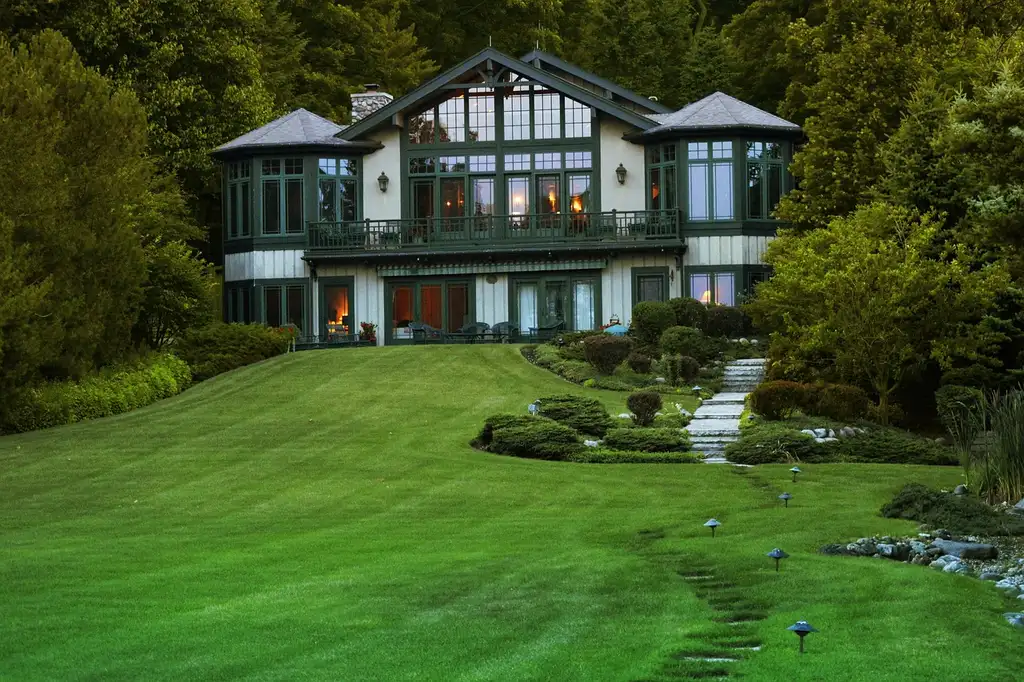
Large-property maintenance should combine mowing, trimming, cleanup, and site checks on a recurring schedule. For big sites, the service must also account for access lanes, irrigation, tree lines, and zones that are easy to miss if the crew works from a small-lawn mindset.
Weekly work: mowing, edging, debris removal
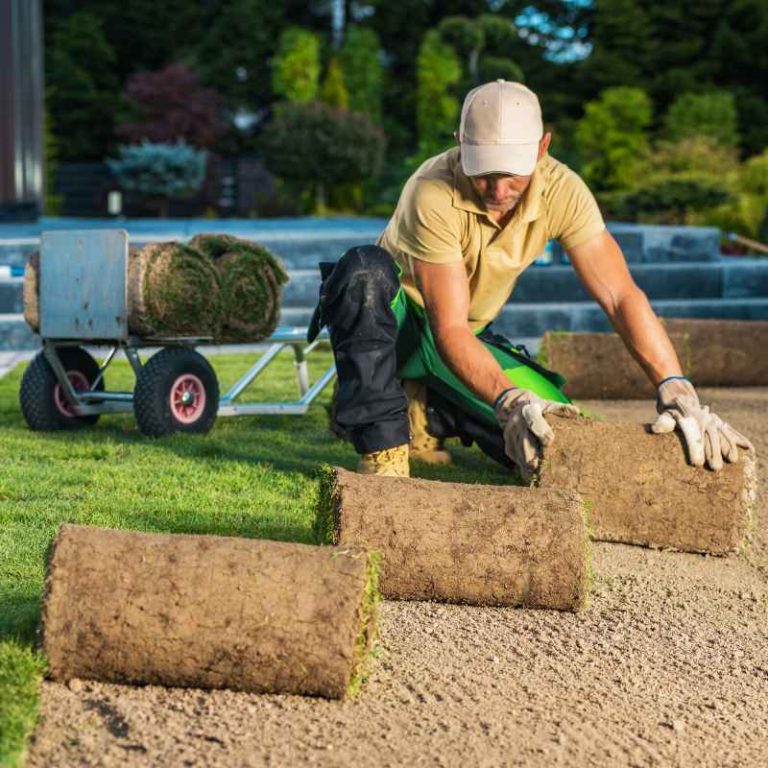
Weekly mowing is common from April through October. That pace keeps growth from getting ahead of the crew, and it matters more on large sites where missed weeks leave obvious strips and rough edges. Clippings are typically mulched back into the lawn unless bagging is requested, and larger trimmings are hauled away as part of the service.
Monthly work: pruning, irrigation checks, site walks
Regular visits should include pruning, spray-head adjustment, timer settings, and a walk-through to check for uneven coverage, runoff, and dry spots. Broken heads and uneven coverage are common irrigation problems, and they often get worse before they get noticed.
Seasonal work: cleanup, thatching, and reset work
Seasonal yard maintenance should cover spring growth, summer growth, and fall cleanup. Thatching removes dead grass so air reaches the soil and nutrients can move into the turf. It also helps lawns thicken when the grass has been compacted or matted down.
Which services matter most for acreage and multi-zone yards?
The most important services are the ones that stop the property from splitting into neglected zones. On acreage and multi-zone yards, that means keeping the front presentable, the side routes open, and the back acreage and drainage areas under regular review.
Front approach and curb-facing areas
These areas drive first impressions and property value. They need regular mowing, edging, and cleanup because curb appeal comes from visible order, not from one perfect photo. If the front approach looks unmanaged, the rest of the site is assumed to be worse.
Side setbacks and access lanes
Side setbacks often turn into growth corridors. They also carry the equipment route, so they need clear edges, controlled weeds, and enough width for safe movement. If the crew cannot reach the back without squeezing past overgrowth, service quality drops fast.
Back acreage, tree lines, and drainage zones
Back acreage needs mowing and debris removal before brush closes in. Tree lines need branch clearance, and drainage areas need inspection for pooling, channel blockages, and runoff paths. Those are the zones where large properties usually fail first.
Large-property service map by zone
A useful service map breaks the site into zones and assigns each one to weekly, monthly, and seasonal work. That keeps the schedule tied to function, not just appearance. It also helps the owner see where a provider is strong and where it is thin.
| Zone | Weekly tasks | Monthly tasks | Seasonal tasks |
|---|---|---|---|
| Front approach | Mow, edge, remove visible debris | Check trim lines and irrigation coverage | Reset beds, clean up seasonal growth |
| Side setbacks | Control growth and keep routes open | Walk access lanes and spot access issues | Cut back overgrowth and reset boundaries |
| Back acreage | Mow open areas and clear clippings | Check for missed pockets and brush creep | Heavy cleanup and growth reset |
| Irrigation zones | Watch for dry spots and runoff | Adjust spray heads and timer settings | Repair cracked lines and replace broken heads |
| Tree lines | Clear low branches near paths and roofs | Check sightlines and branch load | Trim in late winter or early spring for most trees |
| Drainage areas | Keep channels clear of debris | Look for pooling and runoff bottlenecks | Rework trouble spots after wet seasons |
How do I choose a service provider for a large yard?
Choose a landscaper who can show how they handle zones, access, staffing, and response time. A large yard needs more than a mower. It needs a schedule, enough crew depth to finish the route, and equipment that can handle the back acreage without slowing the whole job.
Crew size and equipment capacity
Ask how many people arrive on a typical visit and what machines they bring for large-property maintenance. A single small crew with light equipment may be fine for a compact yard, but it may struggle with long drives, thicker growth, and repeated visits across a bigger site.
Insurance, licensing, and response time
Ask for proof of insurance and any required licensing before the first visit. Then ask how fast they respond to broken heads, low branches, or blocked access. Large properties lose value when small problems sit open for weeks.
Proof of scheduling discipline and site communication
Look for a provider that confirms visit timing, notes completed tasks, and flags issues before they spread. Good communication matters when a site has multiple zones, because one missed area can make the whole property look behind.
How much do landscaping services for large properties usually cost?
Costs for large properties usually rise with acreage, access difficulty, crew size, and added work such as drainage or irrigation repair. A low quote can look attractive until it fails to cover the full route, the site walks, or the extra time needed for back zones.
What raises the quote: acreage, access, and complexity
The quote can climb when the property has long setbacks, steep grades, hidden edges, or routes that take extra labor to reach. More zones mean more time, more fuel, and more wear on equipment. That is why two lawns of the same size can price very differently.
When irrigation or drainage adds separate cost
Broken heads, cracked lines, runoff issues, and drainage bottlenecks often sit outside basic mowing. If a provider is fixing irrigation or correcting water flow, that work should be identified separately so the maintenance quote stays clear.
Why low bids can fail on bigger sites
Low bids often leave out details that matter on large sites, such as site walks, cleanup, trim work, or enough labor to finish the job. The result is missed zones, slower response, and repeat visits that cost more than a proper service plan.
What landscaping services improve curb appeal on a large property?
The biggest curb appeal gains come from clean mowing, sharp edging, controlled tree growth, and irrigation that keeps turf even instead of patchy. Presentability improves when the front approach is tidy, the entry sightline is open, and the lawn does not show stress or runoff lines.
Landscape design and layout planning
Landscape design matters on large properties because layout affects how the site is used. Good planning can separate guest entry from service access, give open areas a clear purpose, and improve the way the front of the property reads from the road.
Tree trimming for sightlines and roof clearance
Tree trimming removes low branches that scrape roofs or block sightlines. It also helps pathways feel open and safer to use. On most trees, late winter or early spring is ideal for that work.
Thatching and turf reset work
Thatching helps when the lawn has become dense with dead grass. By opening the surface, it improves airflow to soil and makes nutrients more available to the roots. That supports thicker turf and a cleaner finish in visible areas.
What questions should I ask before hiring a landscaper for a large property?
Ask about zone coverage, crew size, equipment, response time, and what is included versus billed separately. The right provider should explain how they handle recurring scheduling, access issues, irrigation problems, and seasonal changes without vague promises.
- How do you divide service by zone on a large property?
- How many crew members come on a normal visit?
- What equipment do you use for acreage, tree lines, and drainage areas?
- How do you handle broken heads, uneven coverage, and cracked lines?
- How quickly do you respond to access issues or overgrowth problems?
Frequently asked questions
What landscaping services are best for large properties?
The best services are recurring maintenance, irrigation repair, tree trimming, thatching, and landscape design. Large properties need a provider that can handle multiple zones, regular mowing, and seasonal care without leaving any important areas outside the schedule.
How do I choose a landscaper for a large yard?
Choose a landscaper with enough crew depth, the right equipment, clear insurance, and a reliable response time. Ask how they manage access lanes, irrigation issues, and seasonal cleanup. If they cannot explain their process by zone, the service plan is probably too thin.
What should be included in landscaping for an estate or large property?
An estate or large property should include mowing, edging, debris removal, pruning, irrigation checks, seasonal cleanup, and tree trimming. The plan should also cover layout planning and the areas that affect presentability, access, and usability the most.
How often should large properties be serviced?
Large properties are often serviced on a weekly or regular basis during active growth, with periodic checks for pruning, irrigation, and site walks. Seasonal work should be added for spring growth, summer growth, and fall cleanup. Weekly mowing is common from April through October.
Do I need irrigation repair or drainage work on a large property?
Yes, if you see dry spots, runoff, pooling, broken heads, or uneven coverage. Those are signs the system is not distributing water correctly. Irrigation work may include replacing cracked lines, adjusting spray heads, and resetting timer settings.
How much do landscaping services for large properties usually cost?
Pricing depends on acreage, access, crew size, and whether the job includes irrigation or drainage work. Large, complex sites cost more because they take longer to service and need more equipment. Low bids often miss the labor needed to do the full property well.