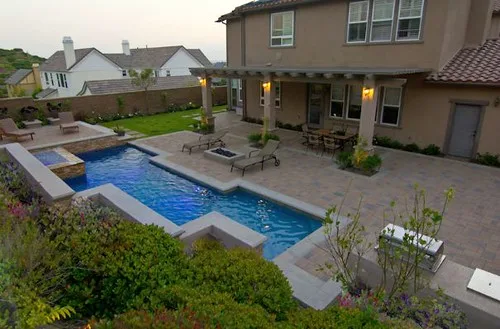
Landscaping Services for Backyard Upgrades: What to Buy
Choose landscaping services for backyard upgrades by matching the service stack to your yard’s condition, budget, and goal: fix drainage and grading first, then add hardscape or planting, and skip full design-build unless the layout is changing. A generic package can send money toward cosmetic work before problems that damage plants, patios, and drainage are fixed. This guide compares common landscaping service options and shows how to prioritize them for repair, refresh, or full-yard transformation.
What landscaping services do you need for a backyard upgrade?


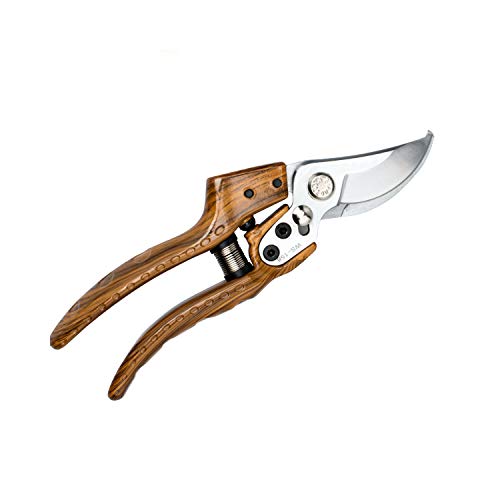

Start by separating cosmetic refreshes from functional fixes. If the yard has standing water, runoff, or slope erosion, you need grading or drainage work before planting, mulch, or hardscape. If the layout is sound, a maintenance-focused package may be enough: cleanup, trimming, weed control, and selective planting.
Choose the service stack by yard condition, not by package name
Contractors usually fall into two roles. Design-build teams handle layout changes, installations, and larger repair work. Maintenance providers focus on mowing, trimming, cleanup, and bed care. Some local specialists and app-based providers also bundle cleanups and installations, which helps when you need a short list of tasks instead of a full redesign.
The right bundle depends on what is wrong with the yard and what you want it to do. A patio-ready entertaining space needs a different order of work than a patchy lawn with weed pressure and crowded shrubs.
Backyard upgrade decision matrix
| Yard problem | Best-fit services | Recommended order | Budget priority |
|---|---|---|---|
| Bare patches and thin turf | Lawn treatment, soil prep, overseeding or sod installation, cleanup | Cleanup → soil prep → seed or sod → lawn treatment | Medium |
| Overgrown shrubs and crowded beds | Bush trimming, flower bed weeding, debris removal, mulching | Trim → weed → haul-off → mulch | Low to medium |
| Drainage issues and standing water | Grading, drainage correction, erosion control, delayed planting | Assess flow → grade → drain → wait on planting | High |
| Slope, runoff, and erosion control | Grading, retaining or stabilization work, erosion control planting, cleanup | Stabilize slope → manage runoff → install plants | High |
| Weed pressure and bed cleanup | Flower bed weeding, leaf removal, mulch, seasonal maintenance | Weed → clear debris → mulch → maintain monthly | Low |
| Low light and plant selection | Shade-tolerant planting, bed preparation, irrigation review, cleanup | Measure light → choose plants → prep bed → install | Medium |
Map common goals to the right work
If the goal is a cleaner yard, buy cleanup, mowing, trimming, and haul-off. If the goal is more planting, buy bed prep, weed removal, mulch, and installation. If the goal is to make the space usable after rain, put drainage and grading ahead of everything else. Cosmetic work cannot fix water flow.
Say your larger backyard has one corner that stays soggy after storms and a few shrubs that have outgrown the bed. The practical order is drainage first, then shrub trimming, then planting. Mulch can wait until the bed is weeded and the soil issue is handled.
📊 The landscaping services industry group employed 994,281 people in 2024. Source: Datausa.
What is included in a backyard landscaping service package?
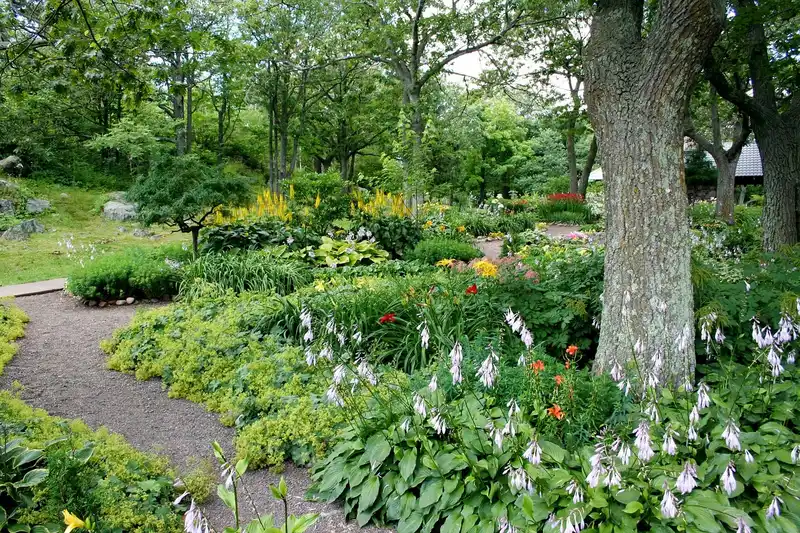
A backyard landscaping service package usually combines cleanup, basic maintenance, and light installation work. Common inclusions are debris removal, leaf removal, mowing, bush trimming, flower bed weeding, and mulching. Better packages also include site prep for planting or small hardscape additions.
Backyard cleanup, leaf removal, and debris haul-off
Backyard cleanup prepares the site for planting or hardscape work. That usually means clearing branches, leaves, dead plant material, and loose debris before new work starts. Seasonal spring or fall cleanup helps before planting beds, fresh mulch, or a patio extension.
Mowing, trimming, and bed care
Maintenance packages often include mowing, bush trimming, and bed care. Bush trimming generally comes up three to four times yearly, often in spring, summer, and fall. Flower bed weeding is often handled about monthly during the growing season and less often in winter, based on common guidance.
Mulching, planting, and minor installations
Mulch is used in beds for weed suppression and moisture retention. It is usually installed after weeding, not before it, and it works best when paired with planting beds that already have healthy soil and sensible drainage. Minor installations may include edging, small plantings, or simple bed reshaping.
When a package should include measurement and site prep
If the work includes sod, planting beds, or hardscape, the package should include yard measurement and site prep. Square footage pricing matters because driveways, garden beds, pools, patios, and access points all change labor time. A narrow side yard with a fence gate is not priced like an open front-to-back lot.
How much do landscaping services cost for a backyard?
Backyard pricing depends on square footage, site obstacles, slope, access, and prep work. The same service can cost more on a steep or crowded lot because crews need more labor time and sometimes more specialized equipment. Exact measurement produces better pricing than a generic quote.
How yard size changes pricing
Larger yards usually cost more because cleanup, trimming, mulching, and planting scale with area. Square footage also affects haul-off and material quantity. A small bed refresh and a full-yard cleanup may use the same service type, but they do not use the same labor or materials.
How obstacles change pricing
Driveways, garden beds, pools, patios, and narrow access paths increase labor. Crews may need to move materials by hand, protect finished surfaces, or work in smaller sections. That is why square footage alone is not enough for an exact quote; the path into the yard matters almost as much as the yard size.
How slope, access, and drainage affect labor
Slope adds risk and time. Drainage issues often require diagnosis before installation, and that prep work can outweigh the cost of the visible upgrade. A yard that needs grading or erosion control should be priced as a functional repair, not as a simple cosmetic refresh.
Suppose a mid-sized backyard needs leaf removal, bed weeding, and mulch, but access is limited to a side gate with a step-down. That gate can raise labor more than a larger open yard, because moving materials and debris takes longer. The quote should reflect that extra handling.
Which backyard upgrades are best on a budget?
The best budget upgrades are the ones that clean up what is already there before you pay for new materials. Start with cleanup, then weed removal, then shrub trimming, then mulch. Delay nonessential installs until the site is ready and the problem areas are fixed.
Start with cleanup before planting
Backyard cleanup gives the fastest visual return per dollar because it removes clutter, leaf buildup, and dead growth. It also exposes hidden issues such as poor drainage or crowded roots, which helps you avoid spending on plants that will struggle later.
Use mulching after weeding
Mulching is effective after flower bed weeding because it suppresses new weeds and helps retain moisture. It is not a fix for compacted soil, poor grading, or standing water. Putting mulch on top of a problem only hides it for a while.
Trim shrubs before replacing them
Bush trimming can restore shape, improve airflow, and reduce crowding around beds. Since trimming is usually needed three to four times yearly, a good schedule can postpone replacement for shrubs that are healthy but overgrown. That is often cheaper than replanting a whole border.
Delay nonessential installs until the site is ready
Skip decorative additions if drainage, weed pressure, or slope still need attention. A decorative bed edge or plant purchase looks better when the base work is done. In backyard upgrades, functional fixes usually protect the budget by preventing repeat work.
Should you choose landscaping services or lawn care services for backyard improvements?
Choose lawn care services when the job is mainly mowing, fertilizer, and weed control. Choose landscaping services when the backyard needs cleanup, trimming, mulching, planting, installation, grading, or drainage work. Mixed service plans make sense when the yard needs both upkeep and targeted upgrades.
When lawn care is enough
Lawn treatment is usually a seasonal program, not a one-off. It can include fertilizer, pre-emergent, and post-emergent weed control. If the backyard is structurally fine and the main issue is turf health, lawn care may cover most of the work.
When you need a contractor
Bring in a contractor when the project includes site prep, cleanup, planting, or hardscape. Design-build teams are the better fit for layout changes, while maintenance crews are better for ongoing trimming, mowing, and bed care. The difference matters because the wrong provider may quote the work but not the repair behind it.
When a mixed service plan makes more sense
Many backyards need both. A maintenance crew can handle mowing, bush trimming, leaf removal, and mulch, while a contractor handles drainage, grading, or installations. That split avoids overbuying a full redesign when the yard only needs targeted work.
What should you ask before hiring a landscaper for backyard work?
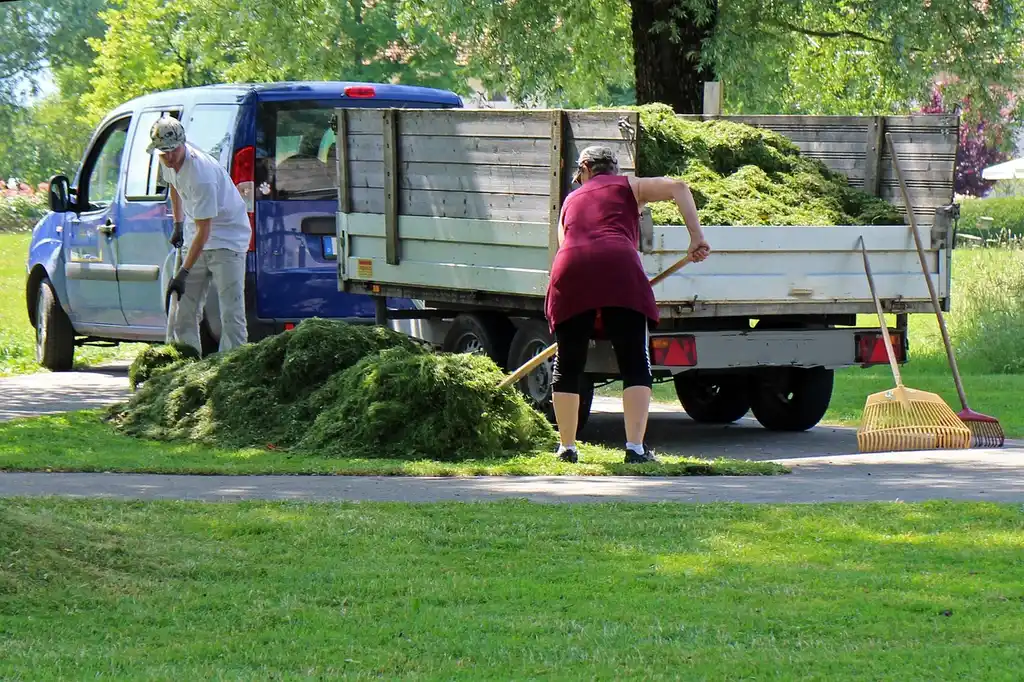
Ask what is included, how the yard will be measured, whether obstacles change the quote, and whether drainage or grading is part of the scope. You should also ask when trimming, cleanup, and planting are scheduled, because poor timing can weaken the result or create repeat work.
Ask what is included and excluded
Some packages list mowing and trimming but exclude debris haul-off, weed removal, or mulch installation. Others include cleanup but not measurement or plant material. A clear scope keeps you from comparing two quotes that are not actually the same job.
Ask how quoting handles yard measurements and obstacles
Exact square footage helps, but pricing should also account for access points, patios, pools, garden beds, and slopes. Ask whether the quote is based on the full yard, the treated area, or the accessible work zone. That answer often explains price differences better than the service name does.
Ask about timing for trimming, cleanup, and planting
Timing matters. Bush trimming is commonly done three to four times yearly, while flower bed weeding may be monthly in the growing season. Cleanup should happen before planting or mulch, not after. If the sequence is wrong, the work can look finished while still being poorly prepared.
Ask whether drainage or grading is part of the scope
If water pools near a patio, shed, or planting bed, ask directly whether the company handles grading or drainage correction. If it does not, you may need a separate contractor. That prevents the common failure case where decorative work goes in before water movement is corrected.
How do I compare landscaping service quotes?
Compare quotes by scope, measurements, and task order, not by price alone. The cheapest bid may omit cleanup, prep, or haul-off, while a higher bid may include grading, obstacle handling, or a better maintenance schedule. A useful quote names the yard area, service sequence, and exclusions.
- Check the measured area and confirm whether it matches the treated space.
- List the included tasks: cleanup, mowing, trimming, weeding, mulch, planting, or installation.
- Note exclusions such as haul-off, debris disposal, grading, drainage, or materials.
- Look for site factors like slope, narrow access, patios, pools, and garden beds.
- Compare the order of work. Prep should come before mulch, planting, or hardscape.
Landscaping services industry data also gives context for the labor pool behind those quotes. In 2024, the landscaping services industry group employed 994,281 people, with an average annual salary of $41,006. The top three occupations include landscaping and groundskeeping workers, firstline supervisors, and tree trimmers and pruners. Full-time employees work 43.3 hours per week on average, and part-time employees earn an average annual salary of $19,665.
There is also meaningful variation by state and establishment count. California had the largest workforce concentration with 124,923 workers, while Florida and California stand out as the states with the largest number of establishments. Landscaping services has a wage GINI of 0.401, which points to a broad spread in pay and role types across the industry.
Frequently asked questions
Can I get landscaping services for a sloped backyard?
Yes, but slope changes the job. A sloped backyard may need grading, runoff control, or erosion control before planting or hardscape. If a quote skips those steps, the work may fail sooner because water and soil movement were never addressed.