Landscaping Services for Curb Appeal Improvements Guide
For the best curb appeal before a sale or photo deadline, hire landscaping in this order: cleanup and edging first, mulch and bed definition second, plant replacement third, then minor grading and a few hardscape accents if the front entry still looks flat. Skip that order and you pay for visible fixes while the yard still reads untidy or uneven. This guide ranks the highest-ROI landscaping services for curb appeal improvements and tells you what to pay for first on a tight budget and timeline.
What landscaping services improve curb appeal fastest?
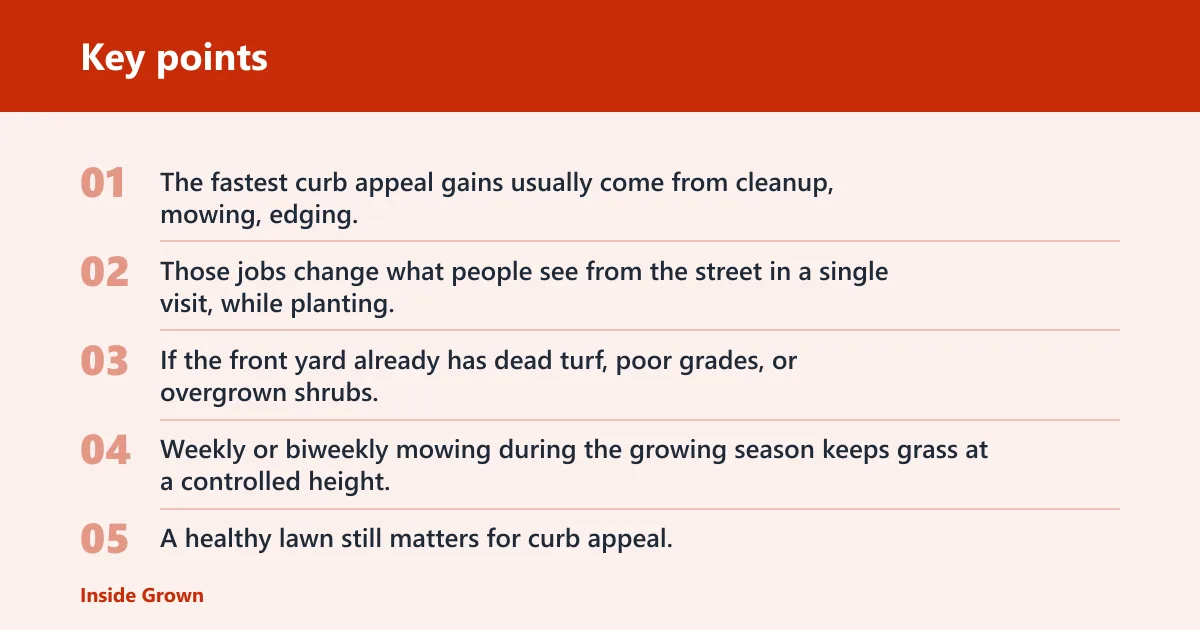


The fastest curb appeal gains usually come from cleanup, mowing, edging, and a mulch refresh. Those jobs change what people see from the street in a single visit, while planting, hardscape, and drainage work matter more when the yard has deeper problems. If the front yard already has dead turf, poor grades, or overgrown shrubs, the order matters.
Cleanup and mowing: the fastest visual reset
Weekly or biweekly mowing during the growing season keeps grass at a controlled height, and edging, string trimming, and blow-off cleanup remove the messy cues that make a yard feel neglected. A healthy lawn still matters for curb appeal, but it has to look maintained before it can look attractive.
A common first-timer mistake is paying for new plants before removing leaf litter, dead stems, and ragged turf edges. That swaps one visible problem for another. Fresh cleanup usually gives the best before-and-after improvement per dollar when time is short.
Bed edging and mulch refresh: the highest-return finish work
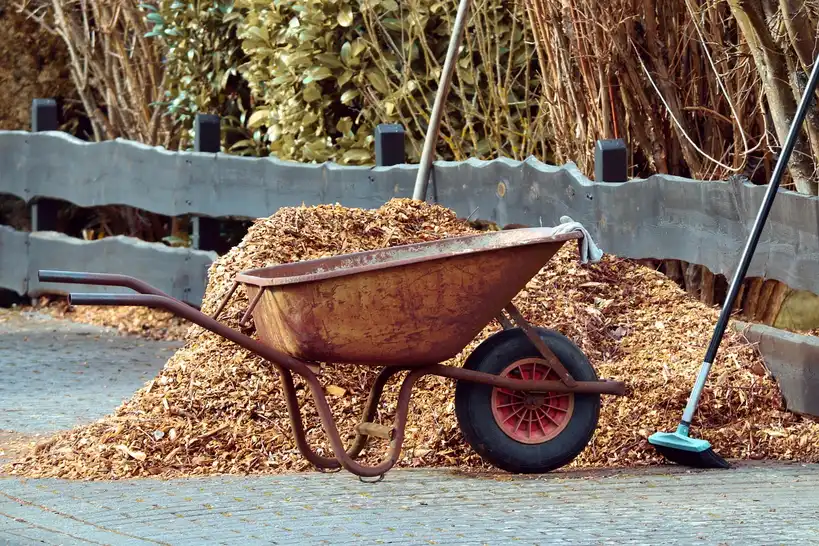
Bed edging defines sidewalks and driveways, sharpens the boundary between turf and beds, and slows grass encroachment. A mulch refresh adds clean visual contrast, helps suppress weeds, and helps soil hold moisture longer. Together, those two jobs make beds look intentional instead of unfinished.
Suppose a front yard has three small planting beds but the lines have gone soft. A clean edge and a new mulch layer will usually read as a full upgrade even before any plant replacement happens.
Pruning and plant replacement: when plants are part of the problem
Pruning helps when shrubs have outgrown their shape, block the entry, or hide the front elevation. It is not a fix for a bad plant choice, poor sun exposure, or standing water. Flowering shrubs need timing care, and many shrubs should be pruned in late winter to early spring or late summer, depending on bloom cycle.
Tree trimming can become a safety issue when trees are too tall for ladder or chainsaw work. In those cases, a professional is the safer choice. If plants are dead, sun-starved, or repeatedly failing, replacement beats repeated trimming.
📊 Gary’s Landscaping has been serving Staten Island for over 25 years. Source: Garyslandscapingsi.
What landscaping services include for a front yard makeover?
A front-yard makeover can include design, cleanup, planting, sod or seed, mulch, river rock, edging, hardscape accents, irrigation planning, and drainage fixes. The right mix depends on whether the property needs maintenance, a redesign, or site correction. A good scope starts with the visible problem, not a shopping list.
Landscaping design basics for the front yard
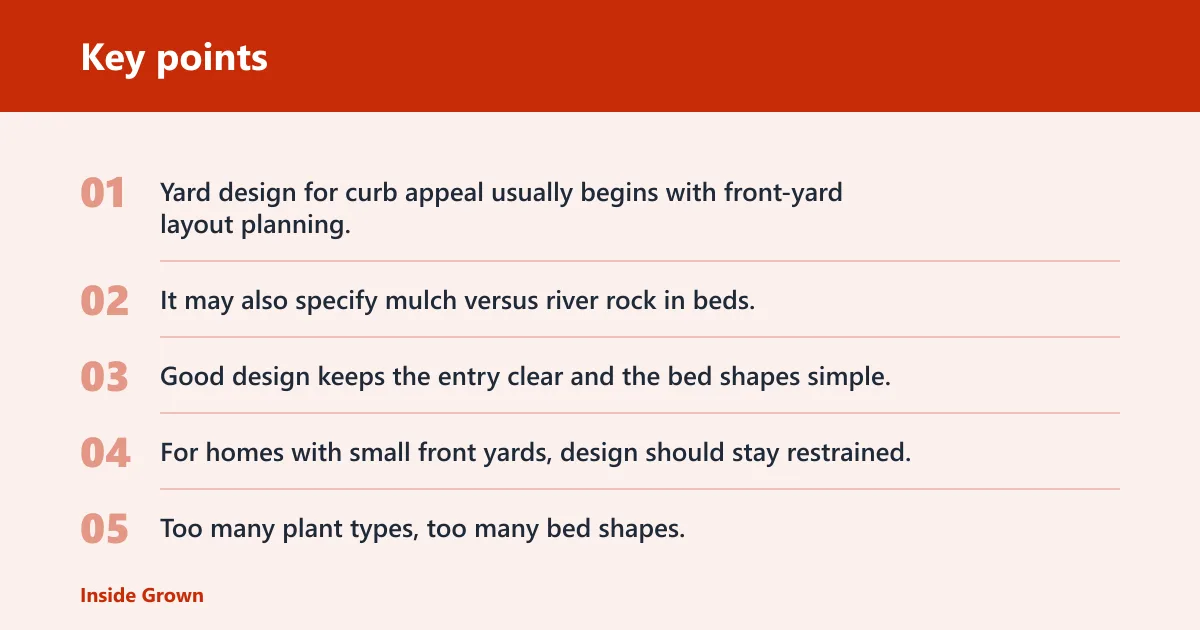
Yard design for curb appeal usually begins with front-yard layout planning, plant selection, and a choice between sod or seed for the lawn area. It may also specify mulch versus river rock in beds, plus bed edging around walks and drives. Good design keeps the entry clear and the bed shapes simple.
For homes with small front yards, design should stay restrained. Too many plant types, too many bed shapes, and too many material changes can make a tight space feel busier rather than better.
Maintenance tasks: mowing, edging, trimming, and cleanup
Lawn maintenance is the regular work that keeps the yard presentable after the install is done. That usually means weekly or biweekly mowing, edging, string trimming, and blow-off cleanup. It is the ongoing support layer under curb appeal, not the redesign itself.
Install and redesign work: planting, sod, hardscape, irrigation, and drainage
Installation work changes the structure of the yard. That includes plant replacement, sod installation, hardscaping, irrigation planning, and drainage solutions. These jobs cost more because they often require soil preparation, grading, material delivery, and more than one trade skill.
When a front yard needs both
If the property looks cluttered but otherwise functions well, maintenance and finish work may be enough. If the lawn is thin, water pools near the walk, or beds are failing in sun or shade, the yard needs both maintenance and install work. The right service stack depends on the problem, not the category name.
Front-yard curb appeal service prioritization table
This table ranks common services by visible impact, cost tendency, and risk level. Use it to decide what belongs in the first budget round and what should wait until the yard’s core problems are fixed.
| Service | Visible impact | Cost tendency | Risk level | Main problem it solves |
|---|---|---|---|---|
| Cleanup, mowing, edging, blow-off | High | Low | Low | Neglect, ragged edges, clutter |
| Bed edging | High | Low to medium | Low | Soft bed lines, grass creep |
| Mulch refresh | High | Low to medium | Low | Weeds, dull beds, moisture loss |
| Pruning shrubs and small trees | Medium | Low to medium | Medium | Overgrowth, blocked entry, shape issues |
| Plant replacement | Medium to high | Medium | Medium | Dead plants, bad fit, bare spots |
| Sod installation | High | High | High | Patchy or failed lawn |
| Hardscape accents | High | High | Medium to high | Flat entry, weak arrival sequence |
| Drainage or grading corrections | High | High | High | Standing water, slope problems |
Top priority services for small budgets
For limited budgets, it often makes sense to start with cleanup, edging, and mulch. Add pruning only where the plant shape is visibly harming the front view. If there is still money left, replace one or two failed foundation plants rather than trying to rework every bed at once.
Services to delay until core issues are fixed
Delay decorative hardscape, new specimen plants, and expensive bed materials if water pools, turf is dying, or the front entry is still messy. Those upgrades look best after the site reads clean, level, and healthy.
How much should you spend on curb appeal landscaping?
Spending should follow the scale of the problem, the size of the front yard, and whether the property is being sold soon. For a full new landscaping install, HomeLight cites an average cost of $13,200 for a 1,200 sq. ft. yard, while it also notes a common planning target of 10% of a home’s value for landscaping improvements. Smaller refreshes should stay well below that level.
Budget bands by job type
Light maintenance, cleanup, edging, and mulch refresh sit at the low end of the budget scale. Plant replacement, sod, and irrigation planning cost more because they involve materials and site preparation. Hardscape and drainage work usually sit at the top because they solve structural or water-management problems.
What changes the price
Size is only one factor. Access to the front yard, the number of planting beds, whether grading is needed, the plant types selected, and how much old material must be removed all affect cost. A flat yard with clear access is simpler than a narrow entry with broken turf and pooled water.
Where to spend first if you are selling soon
Put money into the parts buyers see first: entry cleanup, straight bed lines, healthy turf, and a few well-placed plants. If the yard still looks unbalanced, add one hardscape accent rather than spreading the budget across many small changes.
Which front-yard upgrades make the biggest visual difference?
The biggest visual difference comes from changes that clean the entry, frame the home, and repair the lawn’s first impression. That usually means yard design choices that simplify the front yard, sod or seed decisions that restore turf, and a small amount of hardscape that makes the approach feel finished.
Landscape design choices that clean up the front entry
Good front-yard layout planning removes visual noise. That can mean fewer plant types, simpler bed shapes, and cleaner transitions between lawn, beds, and walkways. Mulch, river rock, and bed edging work best when they support a clear plan instead of standing in for one.
Sod or seed decisions for tired turf
Sod gives an instant lawn, but it needs soil preparation, grading, and establishment care to hold up. Seed costs less upfront, but it takes longer to fill in and usually demands more patience from the homeowner. If the front lawn is patchy only in a few places, targeted repair may be enough.
Hardscape accents that make the yard feel finished
Walkways, patios, retaining walls, steps, and borders add structure to the front yard. They matter most when the entry feels flat or disconnected from the house. Even one simple border or a refined walk can make the home read as cared for.
When should you choose drainage or grading work first?
Choose drainage or grading first when the yard holds water, erodes, or keeps killing plants in the same spot. Mulch, pruning, and new flowers cannot fix standing water, and they usually fail again if the slope or runoff pattern stays the same. Water problems should be solved before cosmetic planting work.
Signs that standing water is more than a surface issue
If puddles stay after rain, soil stays soft for long periods, or turf repeatedly thins in the same low area, the problem is likely below the surface. Those symptoms often point to a grading or drainage issue rather than a simple maintenance issue.
Downspout management and slope correction
Downspouts that dump water near the foundation or across beds can ruin plantings and create mud near walkways. Redirecting runoff and correcting slope are often more useful than adding more plants. A front yard should shed water away from the entry, not trap it there.
Where French drains fit and where they do not
French drains can help when water needs a controlled path away from a problem area. They are not a cure for every wet yard, and they do not replace a bad grade. If the lot slopes the wrong way, the grading problem still has to be addressed.
How do I choose low-maintenance plants for curb appeal?
Low-maintenance curb appeal plants should fit the site first, then the look you want. Native and drought-tolerant plants can lower water needs once established, but only when they match your climate, sun exposure, and drainage. A good plant choice reduces replanting, not just watering.
Native and drought-tolerant plants
These plants work well when the goal is lower upkeep after establishment. They are especially useful in beds where irrigation is limited or where the homeowner wants less frequent replacement. They are not automatic fits for every front yard.
Matching sun, soil, and watering needs
Check sun levels, soil drainage, and water access before planting. A shrub that thrives in full sun may fail under shade, and a plant that likes dry soil may struggle in a low spot. Planting without that check is one of the fastest ways to waste curb appeal money.
Avoiding overplanting and repeat replacement
Too many plants can make a front yard look crowded and increase maintenance. Fewer, better-fitted plants usually create a cleaner result. For homes near the street, the goal is a sharp frame for the house, not a packed collection of beds.
What is the difference between landscaping and lawn care services?
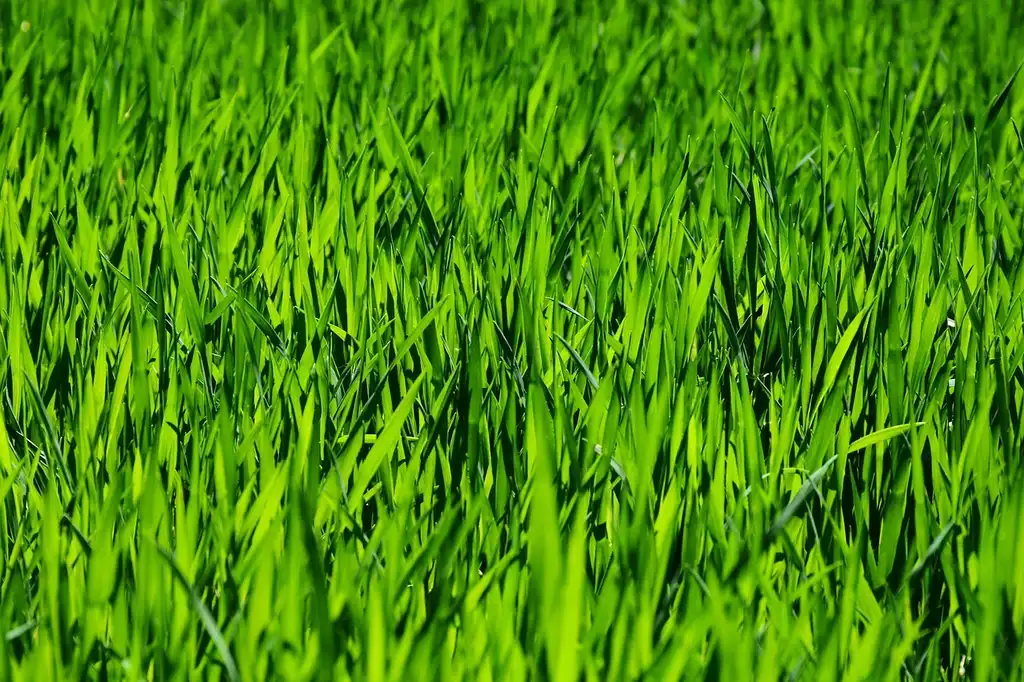
Lawn care is the routine maintenance side of the yard. Landscaping is broader and can include design, planting, sod, hardscape, irrigation, and drainage. A front yard that only needs routine upkeep may need lawn care alone, but a yard with dead plants, poor shape, or wet spots needs landscaping as well.
Maintenance work versus install work
Mowing, edging, string trimming, and cleanup keep the yard orderly. Plant selection, bed edging changes, sod installation, and hardscape are install or redesign tasks. The first group preserves appearance; the second changes the property.
When a front yard needs both
If the lawn looks trimmed but the beds are messy or the entry lacks structure, maintenance alone will not be enough. If the front yard also has drainage or grading issues, a landscape contractor may need to handle both the visible and structural parts of the job.
When should I schedule landscaping before selling my home?
Schedule the work early enough to solve maintenance, planting, and water issues before listing photos or showings begin. Cleanup can happen close to the deadline, but planting, sod, grading, and irrigation planning need lead time. A yard should look settled, not freshly disturbed, when buyers first see it.
Practical timing for sale prep
Start with cleanup, edging, pruning, and mulch first. Move to plant replacement and sod after that, because those items need time to settle and, in the case of sod or new plants, to establish. Put drainage or grading work at the front of the schedule if water damage is visible.
Quick pre-photo checklist
- Remove debris, leaf litter, and dead material.
- Mow, edge, trim, and blow off hard surfaces.
- Refresh mulch and sharpen bed lines.
- Replace dead or badly placed plants.
- Fix visible water, grading, or entry problems if present.
Which landscaping upgrades are best for small front yards?
Small front yards need restraint. The best upgrades are cleanup, precise bed edging, a fresh mulch layer, a few well-fitted plants, and one clear hardscape feature if the entry feels unfinished. Large planting schemes can crowd the space and make every problem more obvious.
Keep the layout simple
Simple front-yard layout planning works better in tight spaces because every line is visible. One bed shape, one strong edge, and a small plant palette usually create a cleaner result than multiple tiny zones.
Use hardscape sparingly
A small front yard may benefit from a better walk, a low border, or a step that improves the approach. Full patios or heavy walls can overwhelm a small lot unless they solve a real grade or entry problem.
Frequently asked questions
What landscaping services improve curb appeal the fastest?
Cleanup, mowing, edging, and mulch refresh usually improve curb appeal the fastest because they change the street view right away. Pruning and plant replacement help next, especially when overgrowth or dead material is hiding the home. Drainage, grading, and sod take longer but matter more when the yard has deeper problems.
How much should I spend on curb appeal landscaping?
Spend based on the problem, not a flat rule. HomeLight cites an average of $13,200 for a 1,200 sq. ft. yard, and it also notes a planning target of 10% of home value for landscaping improvements. Small curb appeal projects should start with the lowest-cost visible fixes first.
Which front-yard updates make the biggest visual difference?
The biggest visual gains usually come from clean lawn maintenance, sharp bed edging, mulch refresh, and a few strong plant replacements. If the front yard feels unfinished, a walkway or border can help. If turf is thin or dead, sod repair may matter more than decorative changes.
Should I hire a landscaper for mulch, planting, or hardscaping?
Hire for mulch when the goal is a fast clean-up and bed definition. Hire for planting when the beds need new structure or the current plants are wrong for the site. Choose hardscaping when the front entry needs steps, borders, retaining support, or a clearer path to the door.
What landscaping services include for a front yard makeover?
A front-yard makeover can include design, plant selection, sod or seed, mulch, river rock, bed edging, pruning, hardscape, irrigation planning, and drainage correction. A good scope starts with the visible problem and then adds structural fixes only where the yard needs them.
Do I need drainage or grading before new curb appeal landscaping?
If water pools, soil stays soggy, or the same plants keep failing in one area, yes. Drainage and grading should come before new planting or mulch because those visible updates will not last if the site keeps collecting water. Fix runoff first, then add the finishing work.