Where to Buy River Rocks for Landscaping Near You Or Online
Transforming a dull outdoor space into a visually captivating landscape often comes down to the details. One of the most impactful yet accessible choices is river rocks—natural stones shaped and smoothed by water over centuries. Their versatility, durability, and beauty make them a top choice for garden beds, pathways, water features, and even as mulch alternatives. Whether you’re aiming for a tranquil Zen garden or a rugged, low-maintenance xeriscape, the right river rocks can elevate your landscaping project from ordinary to extraordinary.
But sourcing the best river rocks isn’t always straightforward. With countless options—local suppliers, big-box retailers, online marketplaces, and specialized stone yards—the process can be overwhelming. Factors such as price, stone quality, delivery logistics, and environmental impact all come into play.
This comprehensive guide cuts through the confusion, offering a step-by-step roadmap for where to buy river rocks for landscaping, whether you prefer shopping near you or online. You’ll find data-driven insights, supplier comparisons, expert tips, and practical advice to ensure your project is both successful and sustainable.
Key Takeaways
- River rocks offer durability, aesthetic appeal, and functional versatility for landscaping projects.
- Local suppliers, big-box retailers, online platforms, and specialty stone yards each have unique advantages.
- Key considerations include price, quality, delivery options, and environmental impact.
- Understanding stone sizes, color options, and application types helps match your needs to the right supplier.
- Real-world examples and comparison tables help you make informed buying decisions.
- Always inspect quality, calculate accurate quantities, and compare shipping costs before purchasing.
Understanding River Rocks: Types, Uses, And Benefits
River rocks are more than just decorative stones; they’re an essential element in sustainable landscaping. Before you buy, it’s crucial to understand the different types, their uses, and the benefits they bring to your outdoor spaces.
Types Of River Rocks
River rocks come in various shapes, sizes, and colors, each suitable for different landscaping applications:
- Pea gravel (1/4”–3/8”): Ideal for walkways, patios, and playgrounds. Its small size allows for a comfortable walking surface and is less prone to shifting than larger stones.
- Small river rocks (1/2”–1”): Great for drainage, garden beds, and decorative accents. They blend well into the soil while still standing out visually.
- Medium river rocks (1”–2”): Used in dry creek beds, edging, and ground cover. Medium-sized stones are heavy enough to stay in place during rain, making them practical for controlling erosion.
- Large river rocks (2”–6”+): Perfect for water features, retaining walls, or statement pieces. Large stones can also serve as informal seating or stepping stones.
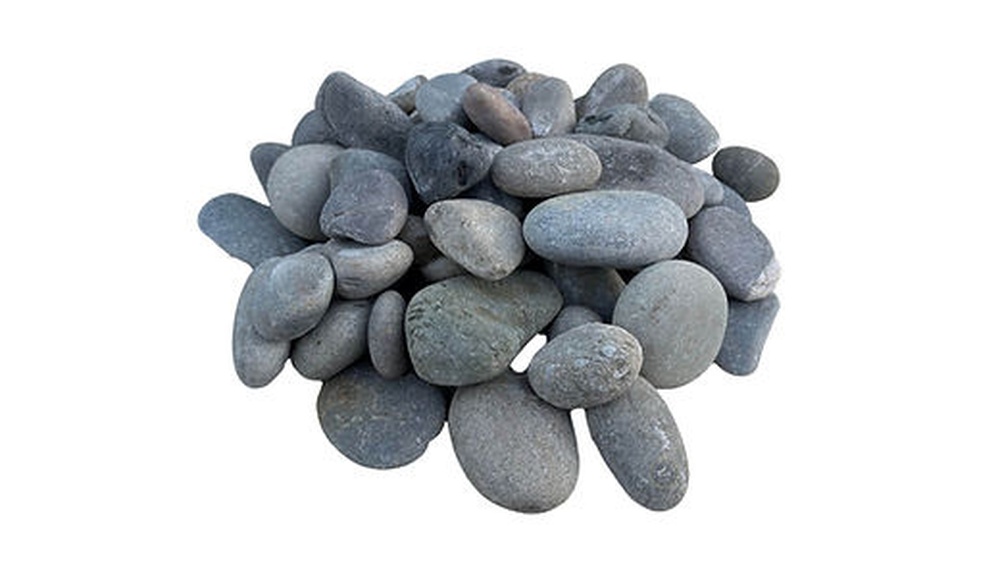
Their smooth, rounded texture makes them safe for foot traffic and visually appealing compared to jagged stones. The tumbling process caused by water over centuries creates a finish that’s both functional and elegant, making river rocks a favorite for professional landscapers and homeowners alike.
Some suppliers even offer specialty river rocks, such as polished black or white stones for modern landscapes, or mixed-color blends for a natural creek bed look. The choice depends on the aesthetic and functional goals of your project.
Common Landscaping Uses
- Garden Beds & Borders: River rocks act as a physical barrier, preventing soil erosion and retaining moisture. Their weight keeps them in place, unlike lighter organic mulches.
- Pathways & Walkways: Creates durable, attractive surfaces. Stones compact well, forming a stable base that’s comfortable to walk on.
- Water Features: Enhances ponds, streams, or fountains by mimicking natural watercourses. They also help hide mechanical elements like pumps or liners.
- Erosion Control: Reduces runoff on slopes and embankments. The stones slow water flow, minimizing soil loss during heavy rains.
- Mulch Alternative: Long-lasting, low-maintenance ground cover that doesn’t decompose or need annual replacement.
Other innovative uses include integrating river rocks into fire pit surrounds, accenting retaining walls, or outlining driveways for a tidy, finished look. Their flexibility means you can get creative with your landscape design, mixing stone sizes and colors for custom effects.
Key Benefits
- Durability: Resistant to weathering and decomposition. River rocks retain their appearance for years, even in harsh climates.
- Low Maintenance: No need for annual replacement like organic mulch, and they don’t attract pests or mold.
- Aesthetic Variety: Wide range of colors and sizes for customization—choose subtle earth tones for a natural feel or bold hues for modern contrast.
- Eco-Friendly: Natural, non-toxic, and often locally sourced. Stones don’t leach chemicals and can be reused or relocated as your landscape evolves.
- Increased Property Value: Well-designed rock features can boost curb appeal and add to a home’s resale value.
For more on the geological formation of river rocks, visit Wikipedia’s river rock page.
Where To Buy River Rocks Near You
Local sourcing remains a popular, sustainable option for purchasing river rocks. From landscape supply yards to garden centers, exploring nearby suppliers offers several unique advantages.
Local Landscaping Supply Yards
Landscaping supply yards specialize in bulk stone products, offering the widest selection and best prices for large projects. Benefits include:
- Variety: Multiple sizes, colors, and types on display. You can see and touch the stones before buying, ensuring you get exactly what you want.
- Bulk Pricing: Significant discounts for large quantities (by the cubic yard or ton). Some yards also offer loyalty discounts for frequent buyers or contractors.
- Expert Guidance: Staff knowledgeable in matching stone to your project needs. They can recommend the right size for your application and provide installation tips.
- Immediate Pickup: Reduce wait times with same-day loading. Many supply yards have drive-through service or forklift assistance for heavy loads.
Example: Green Acres Landscape Supply in Sacramento, CA, offers over a dozen river rock varieties, with bulk discounts for contractors and homeowners. They also provide sample buckets so you can test the look of stones at home before committing to a full order.
Garden Centers And Nurseries
While focused on plants, many garden centers and nurseries stock bagged river rocks for smaller projects:
- Convenience: Easy to pick up during plant shopping. Ideal for quick touch-ups or accent features in container gardens.
- Pre-packaged Bags: Typically 0.5–1 cubic foot bags. These are easy to transport and store if you’re working in phases.
- Limited Selection: Fewer color and size options, often at higher per-unit prices. However, you may find unique specialty stones not available at larger yards.
Case Study: A homeowner in Denver sourced 10 bags of 1” river rocks from their local nursery for a small border project, paying a premium for convenience but avoiding delivery fees. The nursery also provided planting advice, allowing the homeowner to coordinate their stone selection with new shrubs and perennials.
Building Material Retailers
Big-box stores like Home Depot and Lowe’s often carry river rocks in their outdoor sections:
- National Availability: Easy to locate stores in most regions, making these a go-to for DIYers.
- Online Inventory Checks: See stock levels before visiting. Some stores even allow you to reserve your bags or schedule pickup.
- Frequent Sales: Seasonal promotions can lower costs. Watch for spring and fall landscaping events for the best deals.
Tip: For large projects, these retailers can sometimes arrange bulk pallet orders, though selection may be limited compared to specialty yards. If you’re planning a major renovation, ask about volume discounts or special order programs.
Local Quarry Direct
Buying direct from local quarries is ideal for large-scale landscaping or commercial installations:
- Lowest Per-Ton Pricing: Cut out the middleman and save significantly on big orders.
- Custom Orders: Request specific sizes or blends. Some quarries will even mix stone colors or shapes to match your vision.
- Delivery Logistics: Quarries may require you to arrange your own haulage, but some offer partnerships with local trucking companies.
External Resource: Find local quarries using the National Stone, Sand & Gravel Association directory.
How To Find Local Suppliers
- Use Google Maps with queries like “river rocks near me” or “landscape stone supplier [your city].” Visit their websites for up-to-date product lists and hours.
- Check local business listings, community forums, and landscaping contractor recommendations.
- Visit supplier yards in person to compare quality, negotiate pricing, and ask about installation services or equipment rental.
Buying River Rocks Online: Top Platforms And What To Expect
The rise of e-commerce has made it easier than ever to order river rocks from the comfort of your home. Online suppliers offer expansive selections, home delivery, and often competitive pricing.
Major Home Improvement Retailers
Home Depot, Lowe’s, and Menards offer river rocks online with in-store pickup or home delivery. Advantages include:
- Order Tracking: Real-time updates on your shipment, so you can plan labor and installation accordingly.
- Customer Reviews: Insights from other buyers on stone quality, color accuracy, and packaging.
- Returns & Guarantees: Easier resolution if product isn’t as expected, including simple return or exchange policies.
Example: Home Depot’s website allows you to filter river rocks by size, color, and brand, simplifying the selection process. You can also read customer-uploaded photos to see how stones look in real landscapes.
Specialized Stone Suppliers
Online stone yards like Stone Universe and Wicki Stone cater to high-end landscaping projects, providing:
- Premium Quality: Sourced from specific river basins for color consistency and unique characteristics.
- Custom Orders: Match stones to design specifications. Some suppliers offer “design consultations” via phone or video chat.
- Nationwide Shipping: Delivery to residential or commercial sites, often with lift-gate service or curbside placement.
Case Study: A landscape architect in Austin, TX, ordered 5 tons of mixed-color river rocks from Stone Universe, leveraging their online calculator to estimate required quantities and arranging direct-to-site delivery. The supplier provided photos of the exact stone batch prior to shipping, ensuring satisfaction.
General Online Marketplaces
Platforms such as Amazon, Walmart, and Wayfair offer pre-bagged river rocks suited for smaller projects:
- Convenience: Order with a few clicks, with options for recurring purchases if you need more over time.
- User Ratings: Quickly gauge product satisfaction through reviews, photos, and Q&A sections.
- Prime/Expedited Shipping: Fast delivery options for tight project timelines, sometimes with free shipping for members.
Note: Selection and color consistency may be more limited on general marketplaces. Be sure to read product descriptions closely to ensure you’re getting natural, not synthetic, stones.
Landscaping Aggregators
Websites like Mulch and Stone and Gravelshop aggregate suppliers and provide transparent pricing, making comparison shopping easier. Aggregators often show multiple options for your zip code, giving you more control over cost and delivery times.
External Resource: Check Gravelshop for real-time quotes by zip code.
What To Watch For When Buying Online
- Shipping Costs: Bulk deliveries can add hundreds to the total price, especially for long-distance or rural locations.
- Minimum Order Quantities: Some suppliers require full pallet or ton orders, so check before adding to cart.
- Color Variation: Natural stone varies; request photos or samples when possible to avoid surprises.
- Delivery Logistics: Ensure your site is accessible for large trucks or pallets. Some deliveries are curbside only, requiring extra labor to move stones where needed.
- Return Policy: Review the return or exchange process, especially for bulk orders, as restocking fees may apply.
Comparing Local Vs. Online River Rock Suppliers
Choosing between buying locally and online is a balance of cost, convenience, selection, and speed. The table below summarizes key differences:
| Factor | Local Suppliers | Online Platforms |
|---|---|---|
| Selection | Wide, see in person | Broader, but virtual only |
| Price | Lower for bulk; less shipping | Competitive, but shipping adds cost |
| Convenience | Immediate pickup, local delivery | Shop from home, scheduled delivery |
| Quality Control | Inspect before buying | Photos only; risk of mismatch |
| Customer Support | In-person expertise | Online chat/phone/email support |
| Environmental Impact | Lower (less transport) | Higher (long-distance shipping) |
Real-world Example: Local Vs. Online Purchase
A landscaping company in Charlotte, NC, priced out 3 tons of 2” river rocks:
- Local yard: $180/ton + $75 local delivery = $615 total, 2-day lead time.
- Online supplier: $170/ton + $250 shipping = $760 total, 5-day lead time.
Local purchase saved $145 and delivered faster, with the ability to inspect stones before buying. Additionally, the company benefited from direct advice on installation and care from the local supplier, while the online platform offered only basic support.
When To Buy Local
- Large quantities (over 1–2 tons)
- Need to match existing stone color/size
- Tight project timelines or weather-sensitive installations
- Preference for in-person shopping and hands-on selection
When To Buy Online
- No local suppliers nearby, or limited selection in your area
- Specialty stones not available locally
- Smaller quantities or unique colors needed
- Willing to pay for convenience and scheduled delivery
Key Factors To Consider When Purchasing River Rocks
Before finalizing your purchase, evaluate these critical factors to ensure the best outcome for your landscaping project.
Quality And Sourcing
- Uniformity: Check for consistent size and color, especially if you’re covering a highly visible area.
- Cleanliness: Stones should be washed and free from debris or clay, reducing mess and labor during installation.
- Source Location: Local rocks blend better with native materials and have lower environmental impact. Imported stones may offer unique colors but can be costlier and less sustainable.
External Source: Learn about sustainable sourcing at US Geological Survey.
Quantity Calculations
Ordering the right amount prevents costly overages or shortages. Use this formula for coverage:
- 1 ton of river rock covers ~80–100 sq ft at 2” depth.
- 1 cubic yard covers ~120–150 sq ft at 2” depth.
Most suppliers offer online calculators—always round up to account for settling and compaction. For irregular areas, break your space into rectangles, calculate each separately, and sum totals for accuracy.
Price Comparison
Prices range from $80–$250 per ton, depending on size, color, and supplier. Delivery fees and minimum order sizes can significantly impact the total cost.
Tip: Get itemized quotes from multiple suppliers, including all fees. Don’t forget to factor in taxes, equipment rental (like wheelbarrows or carts), and potential labor costs if you’re hiring help.
Delivery And Logistics
- Access: Can trucks reach your site? Some require curbside drop-off, which means you’ll need a plan to move stones to their final location.
- Equipment: Will you need wheelbarrows, shovels, or bobcats to move stones? Many yards offer equipment rental, or you can contract local labor for unloading and spreading.
- Timing: Schedule delivery to align with your project timeline. Delays may lead to extra labor costs or weather-related issues.
Environmental Considerations
- Local Sourcing: Reduces transportation emissions and supports the local economy.
- Responsible Mining: Ask about quarrying practices to minimize ecological damage. Some suppliers adhere to strict restoration and habitat protection guidelines.
- Recycled Options: Some suppliers offer reclaimed or recycled river rocks, which can add unique character and further reduce environmental impact.
External Resource: More on sustainable landscaping at EPA Green Infrastructure.
Top River Rock Suppliers: Local And Online Options
To simplify your search, here’s a curated list of reputable river rock suppliers—both local and online—with their unique strengths.
Local Suppliers
- SiteOne Landscape Supply: Nationwide chain with bulk and bagged options, landscape design services, and equipment rental in some locations.
- Pioneer Sand & Gravel: Western US, extensive stone yards, custom blends, and landscape materials beyond just river rocks.
- Local stone yards: Family-owned businesses often offer best pricing and local stone varieties, plus personalized service.
- Regional quarries: Direct purchase for large projects, often at lowest prices. Some offer quarry tours or let you select your own stones.
Tip: Always read recent reviews and request samples before placing large orders. If possible, visit in person to inspect stone quality and color.
Online Suppliers
- Home Depot (Home Depot): National delivery, in-store pickup, competitive pricing, and reliable customer service.
- Lowe’s (Lowe’s): Bagged and bulk options, useful customer reviews, and easy returns.
- Stone Universe (Stone Universe): Premium stones, custom orders, nationwide shipping, and project consultation.
- Gravelshop (Gravelshop): Aggregator, real-time pricing, wide geographic reach, and transparent quotes.
- Amazon (Amazon): Good for small projects, fast shipping, and a broad range of brands.
How To Choose The Best Supplier
- Proximity: Local suppliers for bulk, online for specialty stones or remote areas.
- Selection: Visit in person or request photos/samples to ensure you get exactly what you want.
- Customer Service: Responsive support and clear return policies. Check for installation guides, calculators, and after-sale assistance.
- Certifications: Check for environmental or quality certifications where relevant. Ask about sustainability and ethical sourcing for peace of mind.
Example Supplier Comparison Table
| Supplier | Type | Order Size | Delivery Area | Unique Feature |
|---|---|---|---|---|
| Home Depot | Big-box retailer | Bags, pallets | Nationwide | Easy returns |
| Local Stone Yard | Specialist | Bulk, custom | Regional | On-site selection |
| Gravelshop | Aggregator | Bulk | Most states | Transparent quotes |
| Stone Universe | Online specialist | Bulk, custom | Nationwide | Premium quality |
| Amazon | Marketplace | Small bags | Nationwide | Fast shipping |
How To Ensure Quality And Value When Buying River Rocks
Your investment in river rocks should pay off with both beauty and longevity. Here’s how to maximize quality and value.
Inspect Before You Buy
- In-person: Examine stones for uniformity, cleanliness, and cracks. Check for sharp edges or chips, especially for walkways or play areas.
- Online: Request high-resolution photos, videos, or physical samples. Ask for images in different lighting to assess true color.
Ask For Certifications
Some suppliers offer certifications of origin, environmental stewardship, or washing processes. These add peace of mind, especially for high-value projects or municipal installations.
Compare Costs Holistically
- Unit Price: Consider per-ton or per-bag cost.
- Delivery Fees: Include shipping and offloading charges. For remote locations, delivery can be a significant portion of your total cost.
- Return Policy: Ensure you can exchange excess or mismatched stones. Some suppliers allow returns within a certain window, but restocking fees may apply.
Real-world Example: Maximizing Value
A community garden project in Portland, OR, saved 20% by:
- Sourcing from a local stone yard.
- Negotiating a group purchase with other gardeners to meet minimum order requirements.
- Choosing native river rocks to match local aesthetics and reduce costs.
- Coordinating delivery with other landscaping materials to minimize transport fees.
River Rock Sizes, Colors, And Application Tips
Choosing the right size and color of river rocks is essential for both function and aesthetics.
Size Selection
- Smaller stones (pea gravel, 1/2”): Best for walkways and tight spaces. They’re comfortable underfoot and easy to level.
- Medium (1”–2”): Good for beds, borders, and drainage. Medium stones provide more visual impact and are less likely to scatter.
- Large (2”–6”+): Use for statement features, water elements, or erosion control. Large rocks anchor sloped gardens and add a bold design element.
For mixed-use areas, consider layering sizes—for example, a base of smaller stones topped with larger accent rocks for texture and stability.
Color Choices
Common river rock colors include:
- Gray
- Brown
- Tan
- Multi-color blends
- White or black (specialty stones)
Choose colors that complement your home’s exterior, existing landscape, or desired theme. Earth tones blend naturally, while white or black stones create modern, high-contrast features. Keep in mind that wet stones may appear darker, so view samples in both dry and wet states.
Application Tips
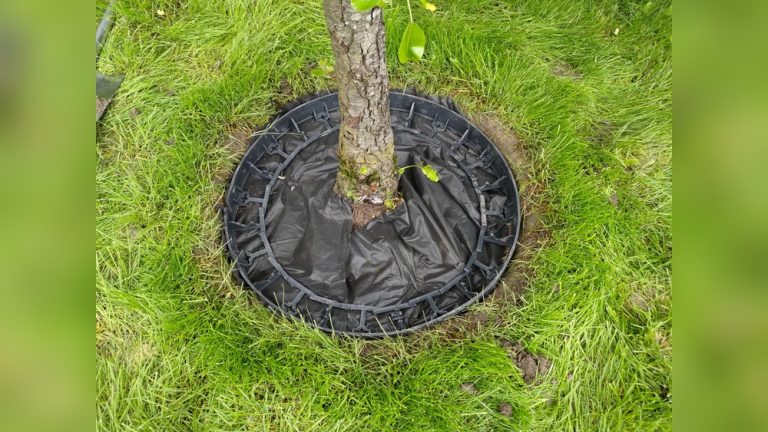
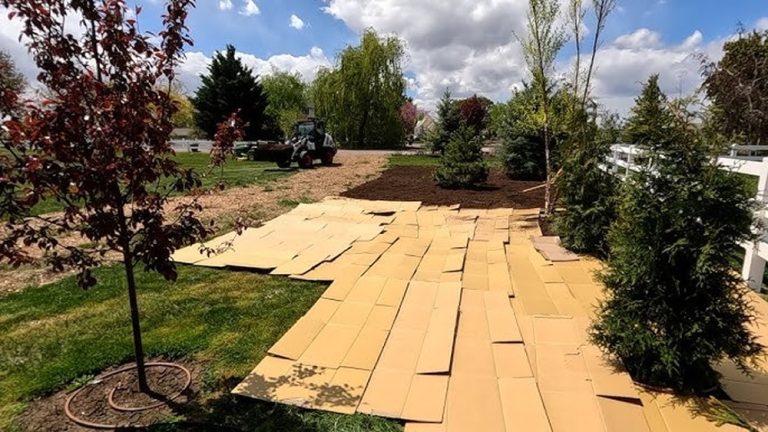
- Weed Barrier: Lay landscape fabric before spreading rocks to prevent weed growth, reduce maintenance, and keep stones from sinking into the soil.
- Depth: 2”–3” is standard for coverage; deeper layers may shift or become unstable, especially on slopes.
- Edging: Use steel, plastic, or stone edging to contain rocks and reduce spread. Edging also makes mowing and trimming easier.
- Slope Considerations: On sloped sites, anchor large rocks at intervals to prevent smaller stones from migrating.
- Mixing Materials: Combine river rocks with boulders, flagstone, or mulch for dynamic, multi-textured designs.
External Resource: More landscaping tips at Better Homes & Gardens.
Case Studies: River Rock Success Stories
Case Study 1: Suburban Water Feature
A homeowner in Atlanta transformed their sloped backyard with a dry creek bed using 3 tons of local river rocks. The project:
- Solved drainage issues by channeling runoff away from the house
- Added curb appeal, increasing the home’s market value
- Used native stones for a natural look, blending seamlessly with the local environment
- Featured driftwood and native plants to complete the effect
- Cost: $575 including delivery, with the homeowner handling installation to save on labor
Case Study 2: Commercial Pathway Upgrade
A corporate campus in Phoenix replaced mulch with river rocks for durability. Sourcing from a regional supplier, they:
- Reduced annual maintenance by 40%, saving thousands over time
- Improved weed suppression, leading to fewer herbicide applications
- Achieved a uniform, professional appearance that impressed clients and staff
- Installed steel edging to keep rocks in place and facilitate future upgrades
Case Study 3: Small Urban Garden
In San Francisco, a rooftop garden used 20 bags of river rocks from Lowe’s. Benefits included:
- Lightweight bags for easy transport up stairs and elevators
- Consistent color for a minimalist design, complementing modern planters and furniture
- Online ordering with scheduled delivery, saving time for busy city dwellers
- River rocks doubled as both mulch and drainage layer in raised beds
Frequently Asked Questions
What Size River Rocks Are Best For Landscaping?
The ideal size depends on application. Pea gravel (1/4”–3/8”) is perfect for pathways, while 1”–2” stones suit garden beds and edging. Larger stones (2”–6”+) are best for water features, retaining walls, or statement pieces.
How Much Do River Rocks Cost Per Ton?
Prices range from $80–$250 per ton, depending on size, color, quality, and supplier location. Bulk purchases from local yards are usually most cost-effective, while specialty or shipped stones will be more expensive.
Can I Buy River Rocks In Small Quantities?
Yes. Many retailers, including Home Depot, Lowe’s, and Amazon, offer river rocks in pre-packaged bags (0.5–1 cubic foot) for small projects. For larger needs, bulk options are recommended for better value.
Are River Rocks Environmentally Friendly?
Generally, yes—if locally sourced and quarried responsibly. They are durable, non-toxic, and require little maintenance. Opting for native stones and asking suppliers about sustainable practices helps minimize environmental impact.
How Do I Calculate How Much River Rock I Need?
Measure your area’s length and width, multiply to get square footage, then divide by coverage rate (typically 80–100 sq ft per ton at 2” depth). Most suppliers offer online calculators or can assist with quantity estimates. Always round up to allow for settling and future adjustments.
Selecting the right river rocks can transform your landscaping project, blending functionality with natural beauty. By carefully choosing where and how you buy—whether locally or online—you’ll ensure your investment adds lasting value, curb appeal, and enjoyment to your outdoor space.
Always compare options, ask questions, and prioritize quality to achieve the best results for your unique landscape vision. With proper planning, river rocks offer a timeless solution that elevates any garden or outdoor area, making every detail count.