Landscaping services for drought-tolerant yards checklist
Landscaping services for drought-tolerant yards should include site assessment, zone-based plant selection, soil prep, drip irrigation, and phased conversion; begin with a water budget and a zone map for each yard area. Bad work wastes water, kills plants, and can leave runoff, bare soil, and higher maintenance costs. This guide explains the services involved, how they change by zone, and what to ask before you hire.
This guide is part of our Landscaping services guide series.
What landscaping services do I need for a drought-tolerant yard?
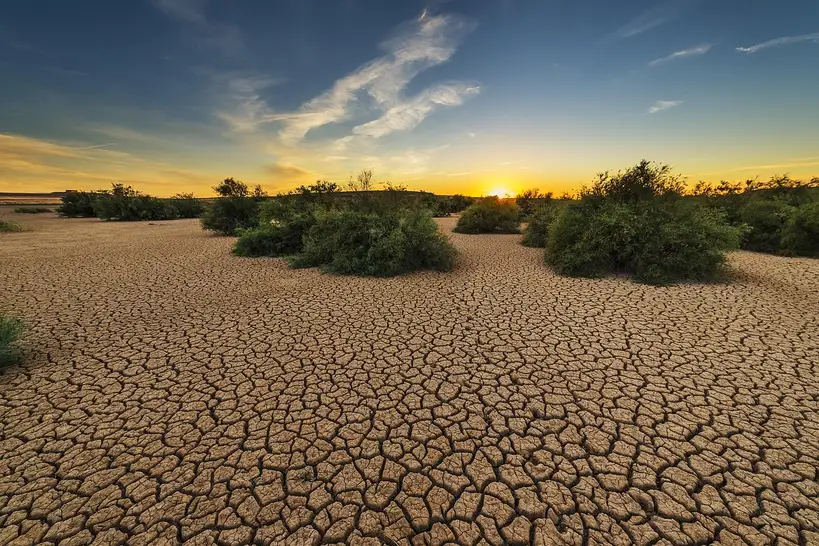



A drought-tolerant yard plan often starts with a site audit, then may include soil work, irrigation changes, and planting by zone. Drought-tolerant landscaping uses lower-water plantings and should match local climate and soil. Xeriscaping is a water-wise design approach that may replace part or all of turf, often by organizing the yard by sun and moisture.
Site audit and yard zoning
The landscaper should map sun exposure, shade, cooler and warmer zones, edge problems, and moisture movement across the lot. That includes front beds, side yards, slopes, and spots that collect runoff. The point is not to buy a plant list first. The point is to match service scope to the site.
Soil, drainage, and irrigation planning
Before planting, the crew should check soil type, drainage, and whether the current spray system fits the new layout. Many yards need more than a swap from lawn to shrubs. They may need grading fixes, drip conversion, or a different sprinkler schedule for separate zones.
Plant installation versus full redesign
Some projects need a full rework. Others only need a few problem areas converted. Drought-tolerant yards often reduce irrigation demand, but the design should still fit the yard’s traffic, shade, and slope. A clean scope prevents bare patches, overspray, and weak plant establishment.
📊 Data USA reports 994,281 workers in the landscaping services industry group in 2024. Source: Datausa.
How do landscapers assess sun, shade, slope, and moisture?
They should read the yard as separate microclimates. Warm, open areas behave differently from cool side yards or shaded corners. Slope changes how water moves. Edge conditions can dry faster, while low spots can stay wet after storms. Good service planning follows those patterns.
Cool zones, warm zones, and edge conditions
Some parts of a yard get full sun for most of the day. Others may get only partial light. Many shade grasses tend to do best with several hours of direct sunlight each day, while full, dense shade can lead to thinner growth. That matters for plant selection and for how much of the yard can stay planted.
Suppose a side yard gets morning sun, afternoon shade, and foot traffic from a gate to the driveway. That strip needs tougher groundcover or a hardy grass choice, not the same shrubs used in a sunny front bed.
Reading stormwater flow and drainage patterns
Landscapers should track where water enters, slows, ponds, or runs off after rain or irrigation. That helps decide whether to regrade, add mulch, or split a zone into wetter and drier sections. Poor drainage is one of the clearest failure cases for drought-tolerant planting.
Matching service scope to problem spots
Slopes may need erosion control before planting. Heavy foot traffic may call for a more durable ground layer. Pet damage can require a different turf choice or a tighter planting plan. Edge areas often dry faster than interior beds, so they may need deeper mulch or a tougher plant palette.
What soil and drainage work should happen before planting?
Soil and drainage work should come before plant installation. A landscaper should confirm soil type, check whether water moves through or across the site, and decide if grading, compost, mulch, or other fixes are needed. Planting into bad drainage usually creates repeat failures and higher maintenance later.
Soil type checks and amendment decisions
Soil type affects drainage and moisture retention. Sandy soil drains fast and may need different plant spacing than clay-heavy soil, which can hold water longer. Compost can help some beds, but it is not a cure-all. The decision should follow the site, not a habit.
Grading fixes for pooling or runoff
If water pools near the house, along a fence, or at the bottom of a slope, grading may need correction first. If runoff sheets across a bed, the soil may need reshaping before any drought-tolerant shrubs go in. Regrading is often the difference between a stable bed and a repeat repair.
When mulch, compost, or regrading matters
Mulch helps reduce evaporation and keep soil temperatures steadier. Compost may improve structure in some beds. Regrading matters when water moves the wrong way. A landscaper should explain which fix addresses which problem. Otherwise, the quote may hide a planting issue inside a soil issue.
How should irrigation change in a water-wise redesign?
Irrigation should be redesigned around plant needs, not copied from a lawn layout. That usually means drip conversion in beds, spray head changes where needed, and grouped watering zones. During establishment, new plants still need a watering plan, and drip irrigation can be one option for beds. After that, the system should fit the site’s moisture patterns.
Drip conversion and spray head changes
Drip works well for shrubs, many perennials, and some groundcovers because it places water near roots. Existing spray systems may waste water if they hit pavement, turf edges, or plants with different needs. A good contractor should say where spray still fits and where drip makes more sense.
Grouping plants by water need
Dry beds, transition beds, and shaded beds should not share the same irrigation schedule if their moisture needs differ. Grouping plants by water need reduces waste and weak growth. It also helps avoid overwatering drought-tolerant plants that are already matched to a drier zone.
Watering during establishment
New plantings need more attention at first. Establishment time is not optional. Homeowners should ask how long the crew expects to water deeply, how often zones will be checked, and when the system should be adjusted after roots settle in.
Use this drought-tolerant yard service checklist
Use this checklist to turn a vague idea into a quoteable scope. It helps separate design, installation, and handoff tasks. It also reveals whether a landscaper understands phased conversion, turf replacement, and maintenance planning.
| Service phase | What should be included | Questions to ask |
|---|---|---|
| Site audit | Sun map, shade map, slope notes, soil type check, drainage observations, moisture flow paths | Which parts of the yard are dry, wet, hot, or shaded? |
| Soil and drainage fixes | Compost or mulch decisions, regrading, erosion control, pooling repair, runoff control | What gets fixed before planting? |
| Irrigation plan | Drip conversion, spray head changes, zone adjustments, establishment watering plan | Which beds stay on spray, and which switch to drip? |
| Plant palette by zone | Sun plants, shade plants, transition plants, groundcover, shrubs, grasses | Which plant goes in each yard segment? |
| Turf conversion | Partial removal, full removal, buffalograss, blue grama, Dog Tuff Grass, edge treatment | Should the lawn be removed all at once or in sections? |
| Handoff and maintenance | Watering schedule, pruning plan, weed control, re-mulching, replacement window | What maintenance is expected in year one? |
- Ask for a map of each yard zone.
- Ask which areas need grading or drainage work.
- Ask where drip irrigation will replace spray.
- Ask for the plant list by sun and moisture zone.
- Ask how turf removal will be phased.
- Ask for establishment and maintenance handoff details.
Which plants and grasses fit different yard zones?
Plant choice should follow sun exposure, moisture, and use. Drought-tolerant landscaping can include shrubs, grasses, and groundcover. Native shrubs can support wildlife habitat, and some can serve as bird cover or host moth and butterfly larvae. That makes them useful beyond simple water savings.
Native shrubs for habitat and screening
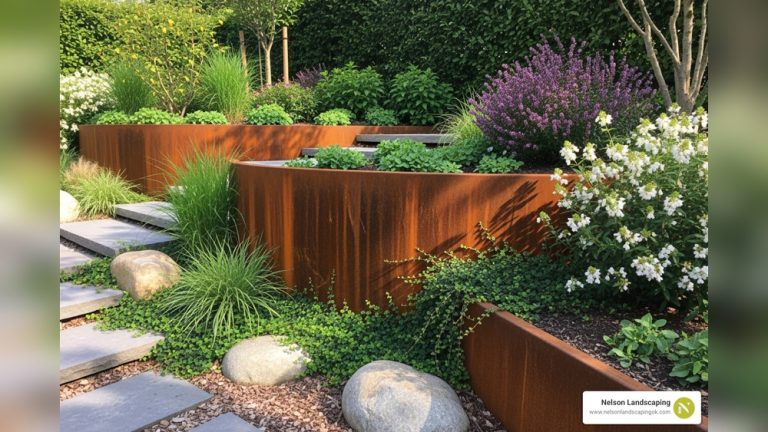
Shrubs work well in back corners, along fences, and in front beds where structure matters. They can provide screening and support local wildlife habitat. A landscaper should place them where their mature size fits the site and where irrigation can be grouped logically.
Ornamental grasses for part sun and dappled shade
Ornamental grasses add movement and texture without depending on a full turf layout. Some ornamental grasses for shade are suited to low-light landscape areas. That group can include sedges and mondo grass variants, especially where light is filtered or uneven.
Turf alternatives and where they fit
Some drought-tolerant turf options can include low-water grasses suited to your site. These options can fit sunny areas where a lawn-like surface still makes sense. Spring green-up is often slower than Kentucky bluegrass, so expectations should match the species rather than a traditional lawn calendar.
Yardwork recommends matching grasses to conditions like soil, moisture, and light exposure. That applies to turf alternatives too. A front patch with heavy foot traffic may need a different treatment than a decorative side strip or a pet run.
Should you replace turf all at once or phase it?

Phasing usually lowers risk. Small-chunk conversions, perimeter-first work, and focal-point upgrades let the yard keep functioning while the design changes. Full turf removal can make sense in some sites, but it is not the default answer for every homeowner or every budget.
Perimeter-first conversions
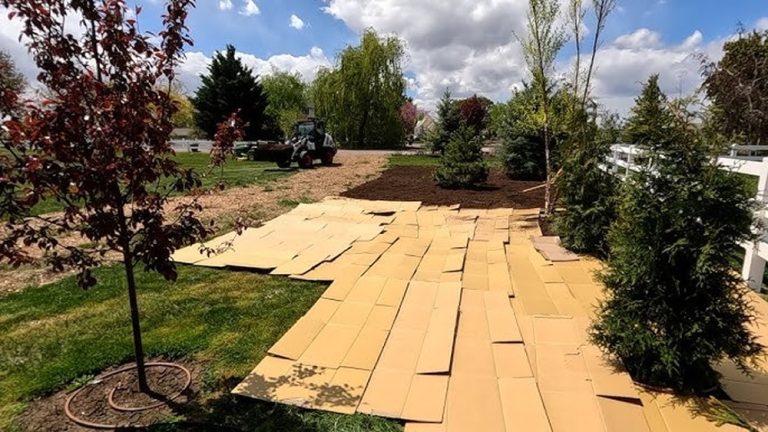
Perimeter-first work replaces lawn edges, fence lines, and bed borders before the center of the yard. That can make irrigation adjustments cleaner and reduce the visual shock of a full teardown. It also helps test soil and drainage fixes in one part of the site before scaling up.
Small-chunk and focal-point upgrades
Small sections are easier to convert first than whole yards. A front bed, a sunny side strip, or a problem slope can become the first phase. Focused upgrades work well when the goal is to reduce watering and maintenance without losing all turf at once.
When full turf removal makes sense
Full removal makes sense when the grass is failing, the irrigation is obsolete, or the site will be regraded anyway. It also makes sense when a homeowner wants a complete xeriscaping plan with zone-based planting from the start. Even then, the plan should account for establishment time.
A common first-timer mistake is treating every square foot the same. A yard with a hot front strip, a shaded side yard, and a soggy back corner may need different scopes, not one plant list copied across all three areas.
How much does it cost to convert a yard to drought-tolerant landscaping?
Costs vary because the scope varies. Site audit work, grading, irrigation changes, plant size, turf removal, and phasing all affect price. A shallow design-only quote is different from a project that includes drainage repair, drip conversion, and full installation. Ask for line items, not one lump number.
Cost drivers to compare in quotes
- Survey or site map work
- Soil testing and amendment needs
- Drainage correction or regrading
- Spray-to-drip irrigation changes
- Plant size, quantity, and spacing
- Turf removal and haul-away
- Mulch, edging, and erosion control
- Establishment watering and follow-up visits
For context, the landscaping services industry group employed 994,281 workers in 2024, and Data USA reports an average annual salary of $41,006 for that group. Those figures do not set a project price, but they help explain why labor-heavy work is often the biggest share of a quote.
How do I compare landscapers for a water-wise redesign?
Compare landscapers by scope clarity, not only by price. A good bid explains what happens before planting, how the irrigation changes, which zones get which plants, and how the yard will be phased. If a quote skips drainage or establishment care, it is incomplete.
What to look for in a proposal
Look for a zone map, a list of service phases, and a plant palette tied to specific yard segments. The proposal should say how the contractor handles slopes, shade, and heavy-use areas. It should also state whether the project includes handoff instructions for maintenance.
Questions that expose weak bids
Ask what happens if a zone stays too wet, if a bed dries out too quickly, or if turf dies in a pet area. Ask whether the design assumes full sun, and whether shade-specific materials are included. Ask how the contractor will handle replacements if establishment fails.
What should I ask before hiring a landscaper for xeriscaping?
Before hiring, ask about the site audit, the soil and drainage plan, the irrigation redesign, and the phasing strategy. Xeriscaping is not only a plant list. It is a service approach that should be matched to your yard’s sun, moisture, slope, and maintenance goals.
- Which yard zones will you map first?
- What soil or drainage problems do you expect?
- Will you convert spray irrigation to drip where needed?
- How will you group plants by sun and moisture?
- Which turf areas will stay, and which will be removed?
- How will you handle slopes, shade, pets, and foot traffic?
- What does establishment watering look like?
- What maintenance should the homeowner expect in year one?
Frequently asked questions
What landscaping services do I need for a drought-tolerant yard?
You need a site audit, a zone map, soil and drainage fixes if needed, irrigation changes, plant selection by sun and moisture, and an installation plan that can be phased. The best projects also include establishment watering guidance and a maintenance handoff so the design keeps working after install.
How do landscapers handle shade, slope, and drainage in a dry yard?
They should treat those as separate site problems. Shade changes plant choice and water demand, slopes affect runoff and erosion, and drainage issues may require grading or soil work before planting. A good plan matches each zone to its light, moisture, and traffic conditions.
What maintenance does a drought-tolerant yard still need?
It still needs watering during establishment, weed control, pruning, mulch refreshes, and occasional irrigation checks. Some plants may need seasonal cleanup or replacement after stress. Lower-water does not mean no care. It means the yard should be easier to maintain once the system is set up correctly.
Which drought-tolerant plants and grasses work best in my area?
The best choices depend on sun hours, soil type, drainage, shade level, and use patterns. Some drought-tolerant turf options include buffalograss, blue grama, and Dog Tuff Grass. For part sun or dappled shade, ornamental grasses, sedges, and mondo grass variants may fit better.
Should I replace turf completely or convert small sections first?
Small sections are often the safer first step, especially when the yard has mixed sun, shade, or drainage issues. Perimeter-first and focal-point upgrades let you test the plan and keep the yard usable. Full removal makes sense when the lawn is failing or the whole site needs a reset.
What should I ask before hiring a landscaper for xeriscaping?
Ask for a written site audit, a zone-by-zone plant plan, soil and drainage recommendations, irrigation changes, and a phased scope with establishment care. Also ask how the contractor handles slopes, shady corners, heavy traffic, and pet damage, since those problems often decide whether the project lasts.