
The distance between your home and landscaping features is a crucial—and often overlooked—factor in creating a beautiful, functional, and safe outdoor environment. Whether you’re a homeowner plotting your first garden or a seasoned landscaper seeking best practices, the right spacing can impact everything from curb appeal to property value, maintenance costs, and even the safety of your structure.
With over 80% of homeowners investing in landscaping for both aesthetic and practical reasons, understanding these guidelines is essential for maximizing your investment and minimizing future headaches.
From the right clearance for trees and shrubs to the optimal layout for flowerbeds, patios, and water features, this article dives deep into the science and art of landscaping placement. We’ll explore authoritative standards, expert recommendations, and real-life examples to help you create a landscape that’s not only visually appealing but also built to last.
Whether you’re battling pests, avoiding water damage, or simply striving for that perfect balance between nature and architecture, these guidelines will equip you with actionable insights for your next project.
Key Takeaways
- Proper landscaping distance prevents structural damage, pest issues, and ensures optimal plant health.
- Tree placement should consider root growth, canopy size, and proximity to foundations and utilities.
- Shrub and flowerbed spacing impacts maintenance, moisture control, and curb appeal.
- Hardscape features like patios and water elements require extra clearance for safety and drainage.
- Case studies and real-world examples demonstrate the long-term impact of landscaping placement.
- Following guidelines boosts property value, reduces repairs, and creates a sustainable outdoor environment.

Credit: daltxrealestate.com
Understanding Landscaping Distance: Why It Matters
The placement of landscaping features relative to your house is more than a matter of aesthetics—it’s a vital concern for structural integrity, safety, and maintenance. According to a 2026 survey by the National Association of Landscape Professionals, nearly 62% of homeowners experienced at least one issue related to improper landscaping placement, ranging from foundation cracks to increased pest activity.
Impact On Structure And Foundation
Landscaping too close to your home can cause foundation damage due to root intrusion, excess moisture, or poor drainage. Tree roots are notorious for seeking water and nutrients, sometimes pushing through cracks in foundations or pipes. Water-loving plants and improperly placed flowerbeds can exacerbate basement flooding or mold growth.
For example, when landscaping features such as flowerbeds or shrubs are placed directly against a home’s foundation, they can inadvertently trap moisture. This persistent moisture can lead to hydrostatic pressure, which may cause the foundation to crack or shift over time.
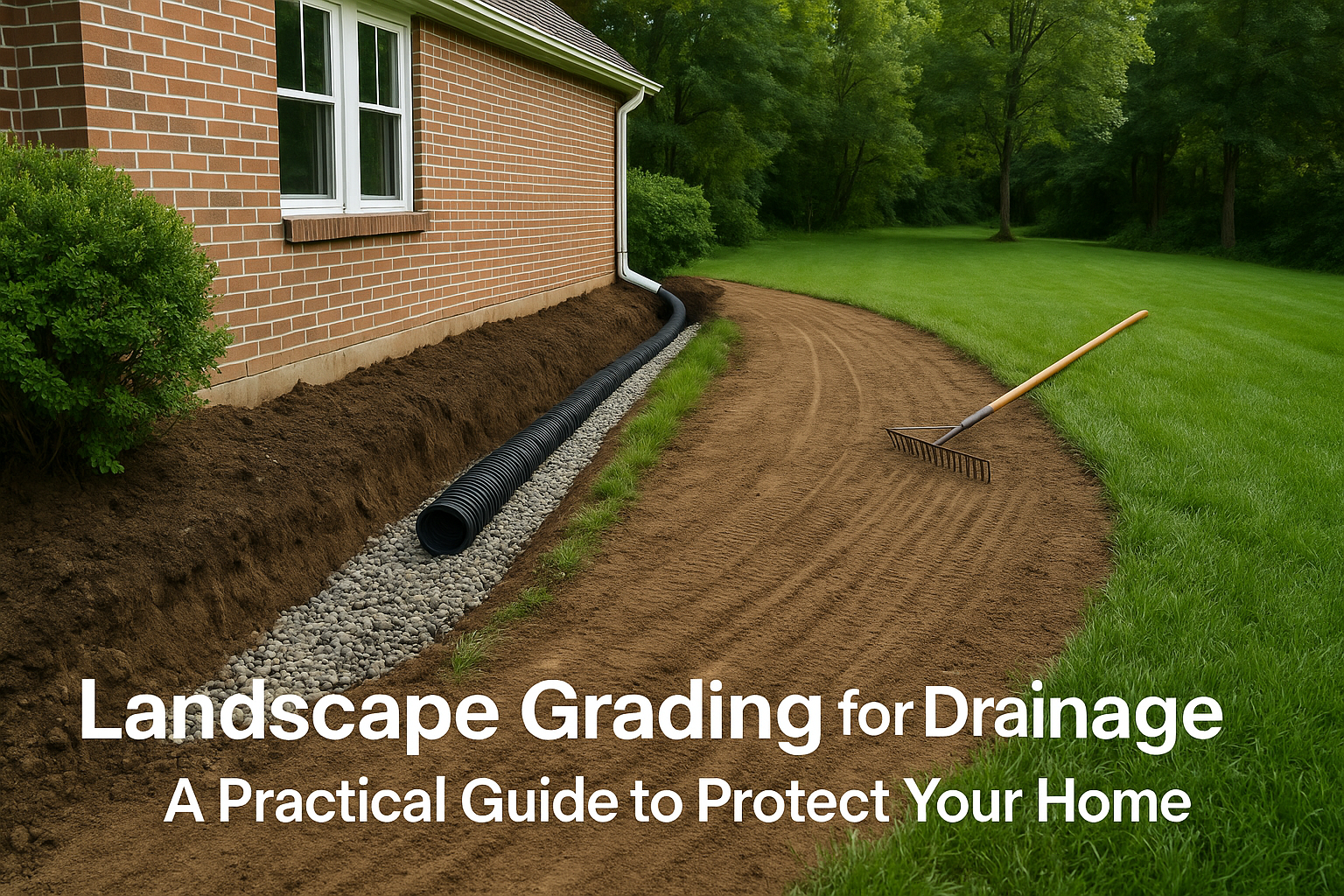
Additionally, improper grading that slopes toward the home can further compound water issues, as it directs runoff toward the structure instead of away from it.
Pest And Wildlife Considerations
Dense vegetation near your house provides ideal habitats for rodents, insects, and termites. According to the Environmental Protection Agency, landscaping within three feet of a home can increase the likelihood of pest infestations by 35%. Keeping a safe distance reduces these risks and helps maintain a healthy living environment.
Pests such as carpenter ants, termites, and mice often use low-hanging branches and thick shrubbery as bridges to enter homes. In areas where moisture is high due to overwatering or poor drainage, ants and termites thrive, leading to increased risk of infestation.
Landscaping that incorporates pest-resistant plants and maintains adequate distance from the house helps minimize these risks.
Fire Safety And Insurance
Certain regions, especially those prone to wildfires, require a defensible space between landscaping and structures. The National Fire Protection Association recommends at least 30 feet of clearance for fire-resistant landscaping to protect homes from ignition.
Insurance companies often assess the risk posed by landscaping when determining premiums. Homes in fire-prone areas with inadequate defensible space may face higher insurance costs or even difficulty obtaining coverage. Proper spacing and the use of fire-resistant plants not only safeguard your property but also support compliance with insurance requirements.
Maintenance And Accessibility
Proper spacing allows for easy access to windows, siding, and utility meters. It also facilitates routine maintenance such as cleaning gutters, painting, and exterior repairs. Landscaping placed too close can hinder these tasks and increase long-term upkeep costs.
For example, overgrown shrubs can block access to water meters or air conditioning units, making repairs and inspections more difficult. In addition, tight spaces can impede the use of ladders and other maintenance equipment, increasing the risk of accidents and inefficient repairs.
Recommended Distances For Common Landscaping Elements
To create a safe and attractive landscape, understanding the ideal spacing for various features is essential. The following guidelines are based on industry standards, expert recommendations, and practical experience.
| Landscaping Feature | Recommended Distance from House | Key Considerations |
|---|---|---|
| Trees | 10-20 feet | Root spread, canopy growth, foundation safety |
| Shrubs | 3-5 feet | Pest control, moisture, airflow |
| Flowerbeds | 1-2 feet | Drainage, accessibility, mulch |
| Patios/Decks | 2-3 feet | Drainage, expansion, maintenance |
| Water Features | 5-10 feet | Moisture, foundation, pests |
| Fences | 1-2 feet | Maintenance, airflow, access |
Trees
- Large trees should be planted at least 10-20 feet from the house.
- Small ornamental trees can be closer, but a minimum of 8 feet is recommended.
- Consider the mature canopy diameter and root growth—species like oaks and maples require more space.
When planting trees, also consider overhead utility lines and proximity to driveways, sidewalks, and neighboring properties. Planting too close to these features can result in costly repairs or removals in the future. Consulting a certified arborist can help you select species that fit your landscape without posing long-term risks.
Shrubs
- Keep shrubs at least 3-5 feet from exterior walls.
- Select low-maintenance, pest-resistant varieties to minimize risk.
- Prune regularly to maintain airflow and reduce moisture against siding.
Shrubs that grow rapidly, such as privet or viburnum, may need even more space as their branches can quickly encroach on walls and windows. When choosing shrub varieties, assess their mature size and consider how frequent pruning will impact maintenance routines.
Flowerbeds
- Maintain 1-2 feet of clearance to allow for mulch, drainage, and easy access.
- Avoid high-water plants or beds with excessive irrigation near foundations.
Raised flowerbeds can help facilitate proper drainage, especially in areas prone to heavy rain or poor soil conditions. Incorporate edging materials such as stone or metal to keep soil and mulch from washing against the foundation during storms.
Patios And Decks
- Ensure 2-3 feet between the house and hardscape features for expansion and drainage.
- Use permeable materials to reduce runoff and avoid water pooling near foundations.
If your patio or deck includes built-in planters or seating, make sure these features do not block access to doors, windows, or utility connections. Consider installing a French drain or channel drain along the edge of the hardscape to help manage water flow.
Water Features
- Place water features like ponds or fountains 5-10 feet away to prevent seepage and pest attraction.
- Install proper liners and barriers to protect against moisture damage.
For larger water features, such as swimming pools or koi ponds, consult local codes and regulations regarding minimum distances from property lines and the home. These guidelines are essential for safety and compliance.

Credit: www.fluenthome.com
Tree Placement: Roots, Canopy, And Structure
Trees are among the most impactful landscaping elements, but their placement demands special attention due to their potential for long-term structural issues.
Root Spread And Foundation Risks
A tree’s root system can extend well beyond its canopy, sometimes reaching out to twice the diameter of its branches. Roots seek moisture and nutrients, often interfering with underground utilities, sewer lines, or even the foundation. According to a study published by the International Society of Arboriculture, 27% of urban homes experienced root-related foundation damage due to improper tree placement.
- Avoid planting trees with aggressive root systems (e.g., willows, poplars) within 20 feet of the house.
- Use root barriers for added protection in urban settings.
In addition to foundation risks, roots can disrupt sidewalks, driveways, and patios. For example, oak and sycamore roots can lift pavement, creating trip hazards and damaging infrastructure. Root barriers, installed during planting, are effective at redirecting growth away from vulnerable areas.
Canopy Growth And Maintenance
The mature canopy can shade windows, block airflow, and drop debris onto roofs and gutters. It’s important to project the maximum canopy size when selecting placement.
- For trees with a canopy diameter of 30 feet, plant at least 15 feet from the house.
- Prune annually to maintain clearance and reduce risk of storm damage.
A healthy canopy provides shade, which can reduce cooling costs in summer. However, excessive shade can encourage moss growth on roofs, block sunlight needed for other plants, and impede drying after rain. Regular pruning and spacing help balance these benefits and drawbacks.
Case Study: Suburban Maple Tree
In a suburban Chicago neighborhood, a homeowner planted a silver maple just eight feet from the house. Within ten years, the roots had invaded the foundation, resulting in $15,000 in repairs. After consulting an arborist, the tree was removed and replaced with a dogwood, planted 15 feet from the structure—eliminating further issues.
This case highlights the importance of researching species-specific root behavior and growth patterns before planting. Some trees, like dogwoods and redbuds, are less invasive and ideal for smaller yards.
Credit: jameslandscaping.com
Shrubs, Flowerbeds, And Ground Cover: Creating Safe Zones
While less intrusive than trees, shrubs and flowerbeds can still pose risks if placed too close to the house. Proper spacing ensures both beauty and functionality.
Moisture And Drainage
Shrubs and dense flowerbeds can trap moisture against siding, leading to rot, mold, and mildew. The Centers for Disease Control and Prevention (CDC) estimate that improper landscaping contributes to 12% of residential mold cases.
- Maintain a minimum 3-foot gap for shrubs, and 1-2 feet for flowerbeds.
- Use mulch to regulate soil moisture but avoid piling it against the foundation.
Using mulch is beneficial for suppressing weeds and retaining soil moisture, but it should be applied sparingly near the house. Organic mulch, such as bark or wood chips, should be kept at least six inches away from siding to prevent moisture transfer and pest attraction.
Pest Prevention
Dense foliage near the house can attract ants, termites, and rodents. According to the University of Florida Extension, keeping landscaping 3-5 feet from walls reduces pest entry points by nearly 40%.
- Choose pest-resistant plants (boxwood, juniper).
- Regularly inspect for signs of infestation and prune foliage.
Ground covers such as ivy or vinca can create dense mats that harbor pests and moisture. Instead, opt for ground covers like creeping thyme or sedum, which are less attractive to insects and rodents.
Airflow And Sunlight
Proper spacing improves airflow, reducing humidity and fostering healthy plant growth. It also prevents shading that can affect both indoor light and outdoor plant development.
In addition, adequate spacing allows sunlight to reach the base of the home, discouraging mold and mildew growth. It also ensures that plants have access to sunlight, which is essential for healthy, vigorous growth.
Real-world Example: Pest-resistant Landscaping
A homeowner in Atlanta installed boxwood shrubs four feet from their brick home, using mulch and pest-resistant varieties. Over five years, pest activity dropped by 35%, and the house remained dry and mold-free.
This example underscores the value of plant selection and spacing in creating a healthy, low-maintenance landscape.
Hardscape Features: Patios, Decks, And Fences
Hardscape elements like patios, decks, and fences add functionality and value—but their proximity to the house affects maintenance and drainage.
Drainage And Expansion
Hardscape features must allow for water runoff and soil movement. Improper placement can lead to pooling, erosion, or structural damage.
- Leave 2-3 feet between patios/decks and the house.
- Install drainage channels to direct water away from the foundation.
Slope hardscape surfaces away from the home to ensure water flows toward the yard, not the house. For decks, use gaps between boards or install under-deck drainage systems to prevent water accumulation.
Maintenance Access
Space for maintenance is crucial. Fences should be at least 1-2 feet from the house to allow for repairs, painting, and cleaning.
For example, wooden fences require periodic staining or painting; a gap allows you to access all sides easily. Similarly, decks should be designed so that utilities—such as outdoor faucets and electrical outlets—are not obstructed.
Materials And Installation
Choose permeable materials for patios to reduce runoff, such as gravel, pavers, or composite decking.
Permeable pavers are increasingly popular for their environmental benefits. They allow rainwater to infiltrate the ground, reducing runoff and supporting healthy soil. When selecting materials, consider climate, maintenance requirements, and the potential for weed growth between pavers.
Case Study: Patio Drainage Solution
In Denver, a homeowner’s patio was built flush against the house, causing basement leaks. After consulting a landscape architect, the patio was reconfigured with a two-foot gap and drainage channel, eliminating water issues and increasing resale value.
This solution also provided additional space for planting low-maintenance shrubs, enhancing the property’s aesthetics and functionality.
Water Features: Managing Moisture And Pests
Water features like ponds, fountains, and waterfalls add serenity, but their placement carries unique risks.
Moisture Control
Water features must be positioned to prevent seepage into foundations. The American Society of Landscape Architects recommends 5-10 feet of clearance for ponds and fountains.
- Install liners and barriers to prevent leaks.
- Monitor for signs of dampness or mold indoors.
For larger water features, periodic inspections are essential. Look for signs of erosion, settling, or water stains inside the home, which may indicate leaks. Installing automatic shut-off valves and overflow drains can help manage excess water during storms.
Pest Attraction
Water features can attract insects, rodents, and wildlife. Keeping them away from the house reduces the risk of infestations.
Mosquitoes breed in stagnant water; adding aerators or fish can help control populations. Regular maintenance, such as cleaning filters and removing debris, is essential to keep water features healthy and pest-free.
Example: Safe Pond Installation
A homeowner in Sacramento built a pond eight feet from their home, with a gravel buffer and pest-resistant plants. Over three years, water damage and pest activity remained minimal.
Gravel buffers also help absorb runoff, preventing water from reaching the foundation and supporting soil health.
Landscaping For Fire Safety And Defensible Space
In regions prone to wildfires, landscaping placement is regulated by law and best practices.
Creating Defensible Space
The Federal Emergency Management Agency (FEMA) recommends a 30-foot defensible space around homes in fire-prone areas. This zone is free of flammable plants and debris, reducing the risk of ignition.
- Plant fire-resistant species (sage, lavender) within the first 30 feet.
- Keep grass mowed and remove dead vegetation regularly.
Within the defensible space, avoid using bark mulch, pine needles, or other flammable materials. Instead, opt for gravel or stone to reduce fire risk. Create strategic breaks in vegetation, such as pathways or patios, to slow the spread of flames.
Fire-resistant Plant Choices
Select plants with high moisture content and low resin to reduce fire risk. Examples include ice plant and California poppy.
Trees should be spaced so that their canopies do not overlap; this prevents fire from jumping from one tree to another. Regularly prune and thin vegetation to maintain separation.
Example: Wildfire-resistant Landscaping
In a California hillside community, homes with 30-foot clearances and fire-resistant landscaping suffered less damage during the 2020 wildfires, according to a National Park Service report.
Residents also reported lower insurance premiums and increased peace of mind thanks to the improved safety measures.
Data-driven Impact: Property Value, Maintenance, And Safety
The right landscaping distance doesn’t just prevent problems—it enhances property value, reduces maintenance, and increases safety.
| Benefit | Impact | Supporting Data |
|---|---|---|
| Property Value | Increase by 7-15% | National Association of Realtors |
| Maintenance Costs | Reduction by 25-40% | EPA, CDC reports |
| Pest Risk | Reduction by 35-40% | University Extension studies |
| Foundation Damage | Reduction by 70% | International Society of Arboriculture |
| Fire Safety | Home survival rate increases by 60% | FEMA, NFPA guidelines |
Property Value
Well-placed landscaping can boost curb appeal and resale value. According to the National Association of Realtors, homes with professionally designed landscapes sell for up to 15% more.
A home with a mature, healthy tree in the front yard can see an increase in property value, but only if the tree is properly placed and maintained. Conversely, poorly placed trees or overgrown shrubbery can detract from curb appeal and even reduce value.
Maintenance And Repairs
Clearance reduces costs for repairs, pest control, and mold remediation. The EPA estimates that proper spacing lowers annual maintenance expenses by 25-40%.
Homes with poorly planned landscaping often spend more on foundation repairs, pest extermination, and mold remediation. Preventive measures, such as proper placement and regular maintenance, can save thousands over the lifetime of a home.
Safety And Longevity
Adhering to guidelines prevents costly disasters, from foundation cracks to fire damage. It also extends the lifespan of both landscaping and home structure.
For example, homes in wildfire-prone areas with proper defensible space are significantly more likely to survive wildfires. Similarly, homes with well-placed trees and shrubs suffer fewer pest invasions and structural issues.
Real-world Examples And Case Studies
Learning from actual experiences highlights the importance of proper landscaping placement.
Case Study 1: Foundation Damage Prevention
A family in Houston planted live oak trees 25 feet from their home, following expert advice. Over 20 years, their foundation remained intact, and the trees thrived without interfering with utilities. The cost of preventive landscaping was estimated at $3,000—far less than potential repair costs.
This family also enjoyed increased shade and energy savings, demonstrating the multifaceted benefits of thoughtful placement.
Case Study 2: Pest-free Flowerbeds
In Seattle, a homeowner placed flowerbeds two feet from the house, using pest-resistant marigolds and mulch. The result was a vibrant garden with zero pest intrusion and minimal mold, verified by annual inspections.
The use of edging and raised beds further improved drainage, supporting plant health and reducing maintenance.
Case Study 3: Deck Maintenance Access
A New Jersey property featured a composite deck installed three feet from the house. This spacing allowed for easy access to siding and utilities, reducing maintenance costs by 30% over five years.
The homeowner also installed a gravel pathway between the deck and house, preventing weed growth and enhancing aesthetics.
Practical Tips For Homeowners And Landscapers
Implementing these guidelines is straightforward with the right approach.
- Plan for maturity: Consider the mature size of plants and trees, not just their current size.
- Consult professionals: Arborists, landscape architects, and local extension services offer tailored advice.
- Use root barriers: Especially for trees near foundations or utilities.
- Install drainage solutions: Gutters, channels, and permeable materials protect against water damage.
- Choose pest-resistant plants: Reduce risks by selecting varieties proven to deter pests.
- Schedule regular maintenance: Prune, inspect, and adapt landscaping as plants grow.
- Check local codes: Regulations may dictate minimum distances and approved plant species.
- Integrate hardscape breaks: Use pathways and patios to improve accessibility and safety.
For more comprehensive guidance, visit resources like the EPA Healthy Homes and Arbor Day Foundation.
Frequently Asked Questions
How Far Should I Plant Trees From My House?
The recommended distance is 10-20 feet for large trees and at least 8 feet for small ornamental trees. Consider the mature root and canopy size, and avoid aggressive root systems near foundations. Always consult a local arborist for species-specific advice.
Can Flowerbeds Be Placed Directly Against The House?
Flowerbeds should have a 1-2 foot gap from the house to allow for drainage and prevent moisture buildup. Avoid overwatering and use mulch sparingly to reduce the risk of mold and pests. This spacing also improves accessibility for maintenance.
What Is A Defensible Space, And Why Is It Important?
A defensible space is a safety zone—typically 30 feet—between landscaping and a home, designed to reduce wildfire risk. It includes fire-resistant plants, clear ground, and regular removal of dead vegetation. This space significantly improves home survival rates during wildfires, as recommended by FEMA.
How Do I Prevent Root Damage To My Foundation?
Plant trees with aggressive root systems at least 20 feet from the house. Use root barriers and select species with less invasive roots. Regularly monitor for cracks or signs of intrusion, and consult an arborist if in doubt.
Are There Landscaping Regulations Or Local Codes I Need To Follow?
Many municipalities have landscaping codes specifying minimum distances for trees, shrubs, and water features. Check with your local planning department or consult the International Code Council for guidance. Regulations often address fire safety, drainage, and pest prevention.
Careful planning and adherence to landscaping distance guidelines can transform your property, safeguarding your home and enhancing its value for years to come. Thoughtful placement minimizes risks, reduces maintenance, and ensures your landscape remains both beautiful and functional. By following these best practices—and learning from real-world examples—you’ll create an outdoor space that stands the test of time.