Do You Need Drip Irrigation For Drought-Resistant Landscaping?
Yes, drip irrigation can be highly beneficial for drought-resistant landscaping. It delivers water directly to plant roots, reducing waste through evaporation and runoff. While not always strictly necessary for all drought-tolerant plants, it significantly improves their establishment, health, and ability to thrive in dry conditions.

As an Amazon Associate I earn from qualifying purchases.

Understanding Drought-Resistant Landscaping
Drought-resistant landscaping, often called xeriscaping, is all about smart planting. It uses plants that naturally need less water. Think of plants like succulents, cacti, lavender, and many native species. These plants are built for dry spells. They have special features like deep roots or waxy leaves. These help them store water or lose less of it.
The main goal is to create a beautiful yard that uses less water. This is great for your wallet. It’s also fantastic for the planet. We can help conserve a precious resource. Especially in areas where water is scarce.
Why Water is Still Important
Even drought-resistant plants need water. They just need it less often. They still need water to get started when you first plant them. They also need it during very long, very hot dry spells. Think of it like a camel. A camel can go a long time without drinking. But it still needs water eventually.
New plants need time to grow strong roots. These roots help them find water deep in the soil. Until those roots are ready, they can’t survive on their own. This is where careful watering comes in. Even established drought-tolerant plants might need a drink if it hasn’t rained for months and months.
The Role of Drip Irrigation
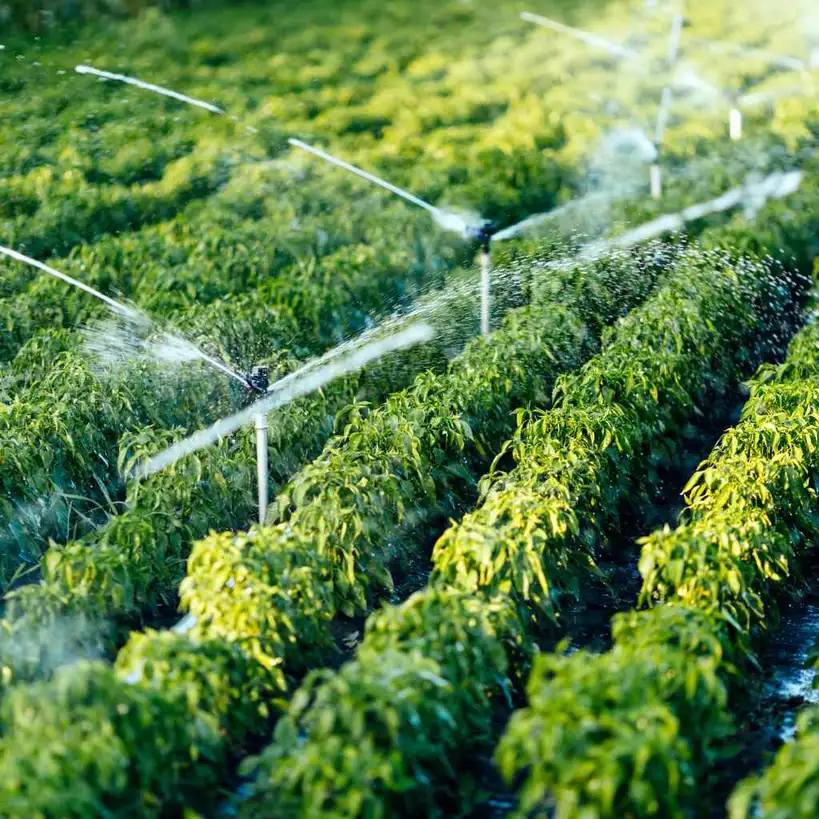
Drip irrigation is a watering system. It sends water right to the base of your plants. It uses small tubes and emitters. These drip water slowly and steadily. This is very different from sprinklers. Sprinklers spray water everywhere. A lot of that water can be lost to the air. It can also land on paths or walls.
This slow, direct watering is a big deal. It gets water deep into the soil. This encourages plant roots to grow deeper. Deep roots mean healthier plants. They are better able to find water on their own. Drip systems also prevent water from sitting on leaves. This can help stop some plant diseases.
Benefits for Your Yard
Using drip irrigation for your drought-resistant plants offers many pluses.
Water Savings: This is the big one. You use much less water. Estimates show you can save 30-50% of water compared to sprinklers. This is because water goes straight to the roots. Less is lost to wind or sun.
Healthier Plants: Plants get the water they need. It’s not too much or too little. This helps them grow strong. It makes them less likely to get sick.
Less Weeding: Water only goes where you want it to. Weeds don’t get watered as much. This means fewer weeds for you to pull.
Saves Time: Once set up, drip systems are often automatic. You can set a timer. This saves you the chore of daily watering.
Prevents Soil Erosion: Slow watering doesn’t wash away soil. This is good for your garden beds. It keeps the soil in place.
When Drip Irrigation Is a Must-Have
So, is drip irrigation always needed? Not exactly. But there are times it makes a huge difference.
New Plantings: When you first put in your drought-resistant plants, they are vulnerable. Drip irrigation is almost essential here. It ensures they get consistent moisture. This helps them establish strong root systems. Without it, new plants might struggle to survive hot, dry weather.
Sloping Yards: If your yard has a slope, water from sprinklers can run off quickly. It washes away soil. Drip systems deliver water slowly. This allows it to soak in. It stays where it’s needed.
Water Restrictions: If your area has strict watering rules, drip irrigation is your best friend. It helps you use your allowed water very efficiently. You can keep your plants alive and looking good.
Specific Plant Needs: Some drought-resistant plants still need more consistent moisture than others. Especially during their first year. Drip ensures they get this regular care.
When You Might Get By Without It
Sometimes, you can manage without drip. This usually applies to established plants.
Very Hardy Natives: If you choose very tough native plants that are suited to your exact climate, they might be okay. They have evolved to handle dry spells. They have deep roots already.
Natural Rainfall: If you get decent rainfall throughout the year, your plants might get enough. This is especially true if you mulch well. Mulch helps soil hold moisture.
Established Plants in Mild Climates: If you live in an area with mild summers and occasional rain, your established drought-tolerant plants might do fine with just occasional hand watering.
My Own Experience with Water-Wise Yards
I remember working on a friend’s garden in Arizona. It was beautiful, full of cacti and succulents. They had decided against drip irrigation, thinking it was overkill. They had bought some very tough, native plants. For the first few months, things looked okay. They got some rain in the winter.
Then came the summer. It was brutal. Weeks and weeks of 100+ degree heat. No rain at all. Their new plants started to look sad. The leaves drooped. Some even started to turn brown at the edges. My friend was watering them by hand. But it was hard to get water deep enough. They were spending hours with the hose. It was frustrating.
That’s when we decided to install a simple drip system. It was a weekend project. We laid out the tubing. We put in the emitters. We connected it to a timer. The change was amazing. Within a week, the plants looked perkier. They were getting consistent, deep watering. My friend was so relieved. They had saved their plants. And they saved so much time. It really showed me that even tough plants benefit greatly from targeted watering.
Infographic-Style Section: Drip vs. Sprinklers
Drip vs. Sprinklers: The Water Showdown
Drip Irrigation:
- Water at the roots.
- Slow and steady flow.
- Saves water (up to 50%).
- Less weed growth.
- Reduces evaporation.
- Good for slopes.
Sprinkler Systems:
- Water the whole area.
- Fast spray.
- More water waste.
- Waters weeds too.
- More evaporation.
- Can cause runoff on slopes.
Real-World Context: Choosing the Right Approach
The best watering method depends on your specific situation.
Your Climate Matters
Are you in a dry climate like California or Arizona? Or somewhere with more rain, like parts of the Pacific Northwest? If you get a lot of sun and little rain, drip irrigation is a no-brainer. If you get regular rainfall, you might be able to get by with less.
Soil Type Affects Water Use
Sandy soil drains quickly. Clay soil holds water longer. If you have sandy soil, drip irrigation helps water soak in before it drains away. For clay soil, slow watering from a drip system is important. You don’t want to overwater.
Plant Choices are Key
As we’ve discussed, some plants are tougher than others. Native plants are usually best. They are already adapted to your local conditions. Succulents and cacti need very little water. Plants like lavender or rosemary need less water once established.
Installation and Maintenance
Installing a drip system can seem daunting. But it’s often simpler than you think. Many kits are available. They are designed for DIYers. Maintenance usually involves checking emitters to make sure they aren’t clogged. You might need to adjust timers for the seasons.
What This Means for You
So, what’s the takeaway? Do you need drip irrigation?
When It’s Perfectly Normal
It’s totally normal to use drip irrigation for drought-resistant landscaping. It’s the smart, water-wise way to do it. Especially when you are starting out. Or when you want the best results. It helps your plants thrive. It also helps you save water and money.
When to Worry (or Re-evaluate)
You might worry if your plants are consistently struggling. If they look dry or stressed, even with your current watering. This could mean your watering isn’t reaching the roots well. Or it’s not happening often enough. It might be time to consider a drip system. Or at least improve your hand-watering technique.
Simple Checks You Can Do
Dig a little: Use a trowel to check how deep the soil is moist after watering. Can you get a good 6 inches down?
Look at your plants: Are the leaves perky? Or are they wilting or yellowing?
Feel the soil: Stick your finger in the ground. Does it feel dry a couple of inches down?
Quick Fixes & Tips for Water-Wise Yards
If you’re not ready for a full drip system, or want to boost what you have, try these:
Mulch, Mulch, Mulch: A thick layer of mulch (2-3 inches) is a game-changer. It keeps soil cool. It reduces water loss. It also adds nutrients as it breaks down. Use wood chips, straw, or gravel.
Water Deeply, Less Often: When you do water, water well. This encourages deep root growth. Avoid frequent, shallow watering. That just wets the surface.
Water in the Morning: The best time to water is early morning. This is before it gets too hot. Less water evaporates. It also gives plants time to dry before nightfall. This helps prevent fungal diseases.
Group Plants by Water Needs: Put plants that need similar amounts of water together. This makes watering easier and more efficient.
Hand Watering with Care: If you hand water, use a watering can or a hose with a gentle spray. Aim for the base of the plant. Try to water for a good amount of time.
Rain Barrels: Collect rainwater. Use it to water your plants. This is a free, sustainable water source.

Frequent Questions
Is drip irrigation necessary for established drought-resistant plants?
For well-established drought-resistant plants in suitable climates, drip irrigation might not be strictly necessary. However, it can still help them look their best, especially during prolonged dry spells. It ensures consistent moisture, which promotes overall health and vigor.
For brand-new plantings, it is highly recommended.
Can I use sprinklers for my drought-tolerant garden?
While you can use sprinklers, they are often less efficient for drought-resistant landscaping. Much of the water can be lost to evaporation or wind. It also waters areas you don’t need water, like paths.
This can lead to more weed growth. Drip irrigation is a more targeted approach.
How much water do drought-resistant plants really need?
This varies a lot by plant type and climate. Generally, they need less water than traditional plants. Once established, many can survive on natural rainfall alone.
For new plants, or during extreme heat and drought, they will need supplemental watering. Drip irrigation helps provide this precisely.
How often should I water my drought-resistant landscape if I use drip irrigation?
The frequency depends on your climate, soil, and plant types. Start by checking the soil moisture. Water when the top few inches feel dry.
In hot, dry weather, you might water more often. In cooler, wetter periods, you’ll water much less. A timer can help you manage this.
What are some alternatives to drip irrigation for watering drought-resistant gardens?
Good alternatives include careful hand watering with a watering can or a hose with a shut-off nozzle. Soaker hoses can also work well, as they deliver water slowly to the soil. Mulching is crucial regardless of your watering method, as it helps retain soil moisture.
Will drip irrigation save me money on my water bill?
Yes, absolutely. By delivering water directly to plant roots and minimizing waste, drip irrigation can significantly reduce your water consumption. This directly translates to lower water bills, especially in areas with high water rates or during dry seasons.
Conclusion
Drought-resistant landscaping is a smart choice for many homes. It saves water and creates beautiful spaces. While some very tough plants might survive without it, drip irrigation offers clear advantages. It helps new plants get established. It keeps your garden healthy. It saves you time and water. For most people aiming for thriving, water-wise yards, drip irrigation is a fantastic tool. It’s an investment that pays off in beauty and resource conservation.
Related pick: Check today's price on Amazon