

When you think of Mexico, what comes to mind? Maybe sandy beaches, ancient ruins, or vibrant cities. But Mexico also holds vast, beautiful desert areas.
These regions are full of unique life and amazing sights. Many people don’t realize how much desert Mexico actually has. Let’s explore these often-overlooked parts of the country.
The Sonoran Desert and Chihuahuan Desert are the primary regions in Mexico known for their expansive and iconic desert landscapes. These areas boast a rich diversity of plant and animal life adapted to arid conditions.
Understanding Mexico’s Desert Regions
Mexico is a huge country. It has many different kinds of places. Some parts are very wet and green.
Other parts are very dry and hot. These dry parts are called deserts. Deserts are not empty places.
They are full of life that has learned to survive with little water. Mexico has two main desert areas. They cover a large part of the country.
These are the Sonoran Desert and the Chihuahuan Desert.
The Sonoran Desert
The Sonoran Desert is perhaps the most famous. It stretches across parts of the southwestern United States and northwestern Mexico. In Mexico, it covers much of the state of Sonora.
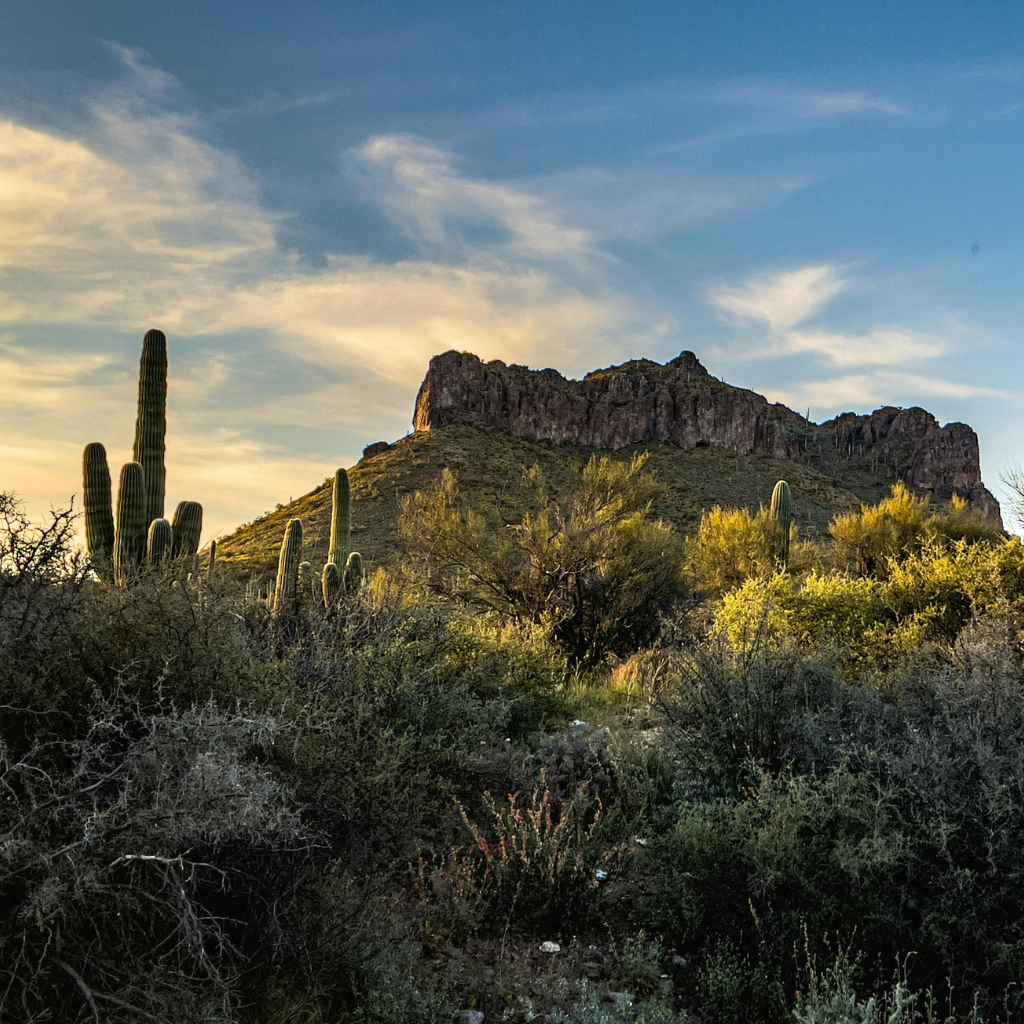
It also reaches into Baja California. This desert is known for its saguaro cacti. These are the big, tall cacti with arms.
But it has many other plants too. There are palo verde trees and ocotillo plants. The desert floor can be covered in wildflowers after the rains.
The Sonoran Desert is also home to many animals. You might see roadrunners, Gila monsters, and desert tortoises. Many kinds of snakes and lizards live here too.
Birds like quail and hawks are common. Even coyotes and desert foxes roam these lands. The heat can be intense.
But the plants and animals are perfectly suited for it.
The Chihuahuan Desert
The Chihuahuan Desert is larger than the Sonoran Desert. It covers a big area in northern Mexico. It also extends into parts of Texas, New Mexico, and Arizona in the U.S.
In Mexico, it covers most of Chihuahua. It also includes parts of Coahuila, Durango, Zacatecas, and Nuevo León. This desert is different from the Sonoran.
It gets a bit more rain in the summer. This allows for different kinds of plants to grow.
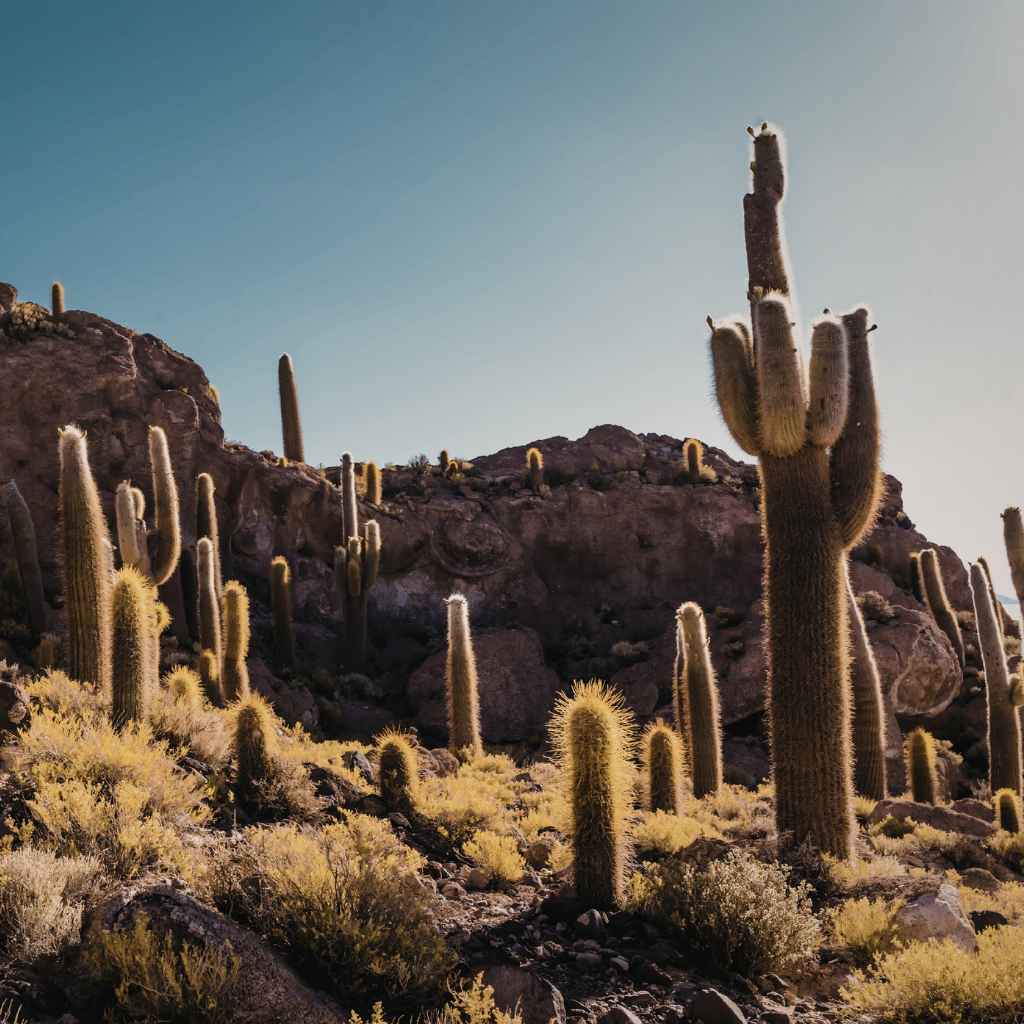
You’ll find many types of cacti here. These include prickly pear and cholla. There are also many shrubs and grasses.
Agaves are common. These are the plants that tequila comes from. The landscape can look a bit different.
It might have more low-lying plants and fewer giant cacti. Animals like pronghorn, desert bighorn sheep, and many small rodents live here. Various birds and reptiles also call this desert home.
Why These Regions Are Distinctly Desert
What makes a place a desert? It’s mostly about how much rain it gets. Deserts get very little rain.
They are dry places. The Sonoran and Chihuahuan Deserts get less than 10 inches of rain per year. This low rainfall shapes everything.
It affects the plants, the animals, and the land itself.
The temperatures in these deserts can be very high. Summer days can easily go above 100 degrees Fahrenheit. But deserts can also get cold.
Especially at night. The Chihuahuan Desert can experience freezing temperatures in winter. The Sonoran Desert can get hot too, but the coastal parts can be milder.
The soil in deserts is also special. It is often sandy or rocky. It doesn’t hold much water.
Plants and animals have special ways to cope with this. They store water. They have ways to find it.
They can also survive long periods without it.
Desert Life: Amazing Adaptations
Water Storage: Cacti have thick, waxy skins. This helps them keep water inside. Their stems are often ribbed.
These ribs expand when they absorb water. They shrink as the plant uses it.
Deep Roots: Many desert plants have very deep roots. These roots can reach down to find underground water. Other plants have shallow roots that spread wide.
They can quickly soak up any rain that falls.
Dormancy: Some desert plants can go dormant. This means they shut down during the driest times. They wait for rain to come back.
Then they grow quickly.
Animal Survival: Desert animals often are active at night. This is called being nocturnal. It helps them avoid the hottest part of the day.
Many animals get water from the food they eat. Some can store water in their bodies.
Personal Experience: A Trip to the Sonoran Desert
I remember my first visit to the Sonoran Desert. It was early spring. The air was warm but not yet scorching.
We were driving near Hermosillo, Sonora. The landscape unfolded like a painting. Giant saguaro cacti stood like silent sentinels.
Some looked like they were waving their arms at us. The ground was a mix of sand and rocks. Small shrubs dotted the land.
Green and brown dominated the colors.
I stepped out of the car. The silence was striking. It wasn’t an empty silence.
It was a quiet filled with the hum of insects. The sun felt strong on my skin. I noticed the prickly pear cacti.
They had bright yellow flowers. It was a burst of color against the dry ground. We saw a small lizard dart across the path.
It was quick and camouflaged. I felt a sense of wonder. This place was harsh but so alive.
It made me think about how tough life can be. And how beautiful survival is.
Real-World Context: Living in the Desert
Life in Mexico’s desert regions is unique. It’s shaped by the environment. People have lived in these areas for thousands of years.
They learned to adapt to the dry climate. They built homes that stayed cool. They found ways to get water.
They learned which plants were safe to eat. And which ones could be used for medicine.
Modern life has changed things. But the challenges of the desert remain. Water is still a precious resource.
Many towns and cities in these desert areas rely on wells or rivers. Managing water use is very important. Farming in these areas is difficult.
It often requires irrigation. Some crops grow well, like certain types of beans and vegetables. But it takes careful planning.
The culture in these regions is rich. It’s a mix of indigenous traditions and Spanish influence. Music and art often reflect the desert landscape.
The food uses local ingredients. Think about dishes with chiles, beans, and corn. Tortillas are a staple.
Many traditional crafts are still made. These include pottery, weaving, and leatherwork.
Desert Cities and Towns
Tijuana, Baja California: A large city bordering the U.S. It’s near the coast, so it’s a bit milder. It’s a gateway city with a lot of culture.
Hermosillo, Sonora: The capital of Sonora. It’s in the heart of the Sonoran Desert. Known for its heat and its role in agriculture.
Ciudad Juárez, Chihuahua: A major industrial city on the border. It sits in the Chihuahuan Desert. It’s a bustling hub.
Saltillo, Coahuila: Another important city in the Chihuahuan Desert. It’s known for its manufacturing and its history.
What This Means for You: Visiting and Understanding
If you plan to visit Mexico’s desert regions, be prepared. The most important thing is water. Always carry plenty of water with you.
Even if you don’t feel thirsty. The sun is strong. Wear a hat and sunscreen.
Light, loose clothing is best. Wear closed-toe shoes to protect your feet.
The best times to visit are usually in the cooler months. This is from late fall to early spring. December, January, and February are often pleasant.
Avoid the peak summer months if you don’t like extreme heat. Mornings and late afternoons are the best times for outdoor activities.
Respect the environment. Don’t litter. Stay on marked trails.
Cacti are protected. Do not touch or break them. They can damage your skin.
And they are important to the ecosystem.
Quick Scan: Desert Trip Essentials
- Water: Carry more than you think you need.
- Sun Protection: Hat, sunglasses, sunscreen.
- Clothing: Light, long sleeves, long pants.
- Footwear: Sturdy, closed-toe shoes.
- Timing: Visit in cooler months (fall/winter/early spring).
- Respect: Stay on trails, don’t touch plants.
Quick Fixes & Tips for Desert Exploration
When exploring, plan your routes. Know where you are going. Tell someone where you are going and when you expect to be back.
This is especially important if you are hiking or exploring remote areas. Always check the weather forecast before you go. Desert storms can appear quickly.
If you see wildlife, admire it from a distance. Do not try to feed the animals. They have their own food sources.
And feeding them can harm them. Also, it can make them aggressive towards humans. Be aware of your surroundings.
Some desert creatures can be venomous. Learn to identify them if possible.
For photographers, the desert offers amazing light. The soft light of dawn and dusk is perfect. The desert landscape can look magical.
The colors are often muted during the day. But they become rich and vibrant in the golden hours.
Myth vs. Reality
Myth: Deserts are barren and lifeless.
Reality: Deserts are full of specialized life. Plants and animals have amazing survival skills.
Myth: You only need water when you feel thirsty.
Reality: In hot, dry climates, you can become dehydrated before you feel thirsty. Drink water regularly.
Myth: All desert plants are dangerous.
Reality: While some desert plants have spines, many are harmless. And many are vital to the ecosystem.
Frequent Questions About Mexico’s Deserts
What is the main difference between the Sonoran and Chihuahuan Deserts?
The Sonoran Desert is known for its iconic saguaro cacti and has a bit more rainfall in the winter. The Chihuahuan Desert is larger, gets more summer rain, and has different types of plants like more shrubs and agave.
Are Mexico’s desert regions safe to visit?
Yes, many desert regions are safe. Like any travel, it’s important to be prepared. Stay hydrated, protect yourself from the sun, and be aware of your surroundings.
Stick to known tourist areas or travel with a guide if you explore remote spots.
What kind of animals can I see in the Mexican deserts?
You might see roadrunners, various lizards and snakes, desert tortoises, coyotes, foxes, pronghorn, and many types of birds. Some animals are nocturnal, so you might see them at dawn or dusk.
Is it always hot in the Mexican deserts?
No, it’s not always hot. Daytime temperatures can be very high, especially in summer. But nights can get quite cool.
Winters can be mild to cold, especially in the Chihuahuan Desert.
What are the best months to visit Mexico’s desert areas?
The cooler months are generally best. From about November to April. This avoids the extreme heat of summer and offers pleasant temperatures for exploring.
Can I hike in these desert regions?
Yes, hiking is popular in many desert areas. Always check for designated trails. Go with a buddy, carry lots of water, and let someone know your plans.
It’s also wise to check if any areas have special access rules or warnings.
Conclusion
Mexico’s desert landscapes are truly special. The Sonoran and Chihuahuan Deserts offer a unique beauty. They are full of life adapted to harsh conditions.
Visiting these regions is an adventure. It’s a chance to see a different side of Mexico. A side that is resilient and full of wonder.
Remember to respect the land and its inhabitants.