Landscaping Services for Vegetable Garden Setup
For vegetable garden setup, common planning includes site grading, soil-bed construction, irrigation, and access planning; a common guideline is about 6 to 8 hours of direct sun and a finished bed depth of about 12 inches or more. Bad layout, poor drainage, and weak soil cut yield, create standing water, and turn maintenance into weekly repair work. This guide covers what a vegetable garden installation includes, how to compare quotes, and which build details affect production most.
Planning and building productive vegetable garden spaces



A full-service landscaper can handle the site assessment, layout, grading, bed build, irrigation, and cleanup needed for a productive vegetable garden. The job is closer to a small outdoor construction project than a planting bed refresh, so the quote should reflect excavation, drainage, materials, soil work, and access planning.
Design usually starts with sun, slope, soil, and water. Good installers map where trees, fences, and structures cast shade through the day, then place the most sun-demanding crops where light is strongest and drainage is safest.
Design and site assessment
The first step is measuring usable sun, slope, and access. A vegetable garden needs direct sun for much of the day, plus a layout that leaves room to move a wheelbarrow, service irrigation, and reach the far side of each bed without stepping into soil.
Site assessment should also flag low spots, runoff paths, compacted soil, and nearby roof drains. A landscaper who understands those conditions can avoid placing beds where water pools or where root zones stay saturated after a storm.
Build and installation work
Installation can include raised bed construction, soil import, drip lines, edging, weed control, and pathways. Some projects also need small-scale grading, swales, or French drains before a single bed goes in.
Earth Works has operated since 2019 and says it has over 20 years of experience; it serves the greater Moses Lake area and Ephrata and is fully licensed and bonded. EnvyUs says it has over 15 years of experience and includes complete design and installation, along with irrigation installation and sod installation. Dircio’s has over 20 years local experience, works in Wenatchee, Moses Lake, and Ephrata, and offers plantings in planting beds, trees, and shrubs as well as sod installation. Nature’s Landscape Solutions includes edible landscaping, raised garden beds, organic food gardens, and soil testing and amendments.
What a full-service quote usually includes
A complete quote should separate site prep, soil work, irrigation, bed construction, and finish work. That makes it easier to compare bidders and see whether one proposal leaves out drainage, soil depth, or access paths that affect long-term use.
Ask whether the quote covers haul-off, soil import, bed fill depth, emitters, timer setup, and final grading around the beds. If those details are missing, the low price may only reflect a partial install.
Vegetable garden setup scope checklist
This checklist shows the kind of line items that should appear in a vegetable garden installation quote. The must-have items are the ones that affect production, water management, or daily access. The optional items are useful in some yards, but they depend on budget, space, and site conditions.
| Category | Must-have or optional | Sample line-item description |
|---|---|---|
| Site prep | Must-have | Clear the footprint, mark utilities, correct slope issues, and remove debris before layout. |
| Soil work | Must-have | Test pH and organic matter, then blend compost and topsoil to correct nutrient limits. |
| Irrigation | Must-have | Install drip zones with bed-specific emitters and a timer or controller. |
| Bed construction | Must-have | Build 12- to 24-inch beds with reachable widths and durable frame materials. |
| Pathways | Optional | Add gravel, mulch, or pavers for wheelbarrow access and cleaner maintenance routes. |
| Maintenance setup | Optional | Set seasonal service visits for spring prep, summer checks, fall cleanup, and replanting. |
Should you choose raised beds or in-ground rows?
Raised beds are usually the better choice when soil is poor, drainage is slow, or you want tighter control over bed depth and amendments. In-ground rows can work well on level, fertile ground with good drainage and enough room for wider spacing and simpler access.
A mixed layout often gives the best result. Use raised beds near problem soil, keep in-ground rows where the native grade drains well, and reserve wider paths for the areas that need wheelbarrow or hose access.
When raised beds are the better fit
Choose raised beds when the site has heavy clay, shallow topsoil, compaction, or a slope that sends water across the planting area. They also help where the native soil needs major correction and you want more consistent root-zone depth from bed to bed.
When in-ground planting makes sense
In-ground rows make sense on flat, well-drained sites with usable native soil and enough room for crop rotation. They are often simpler to build, but they depend more heavily on drainage control and soil quality across the whole garden footprint.
When a mixed layout works best
Mixed layouts suit yards with one sunny, well-drained zone and one marginal zone. For example, a common first-timer mistake is placing all beds in the same low corner because it is convenient; that often leads to wet roots on one side and uneven growth across the whole garden.
Raised bed specs that affect yield
Bed dimensions and materials matter because they control root depth, soil temperature, drainage, and how easily you can reach the center of the bed. If the frame is too wide or too shallow, the garden becomes harder to plant, weed, water, and harvest.
Height, width, and reachability
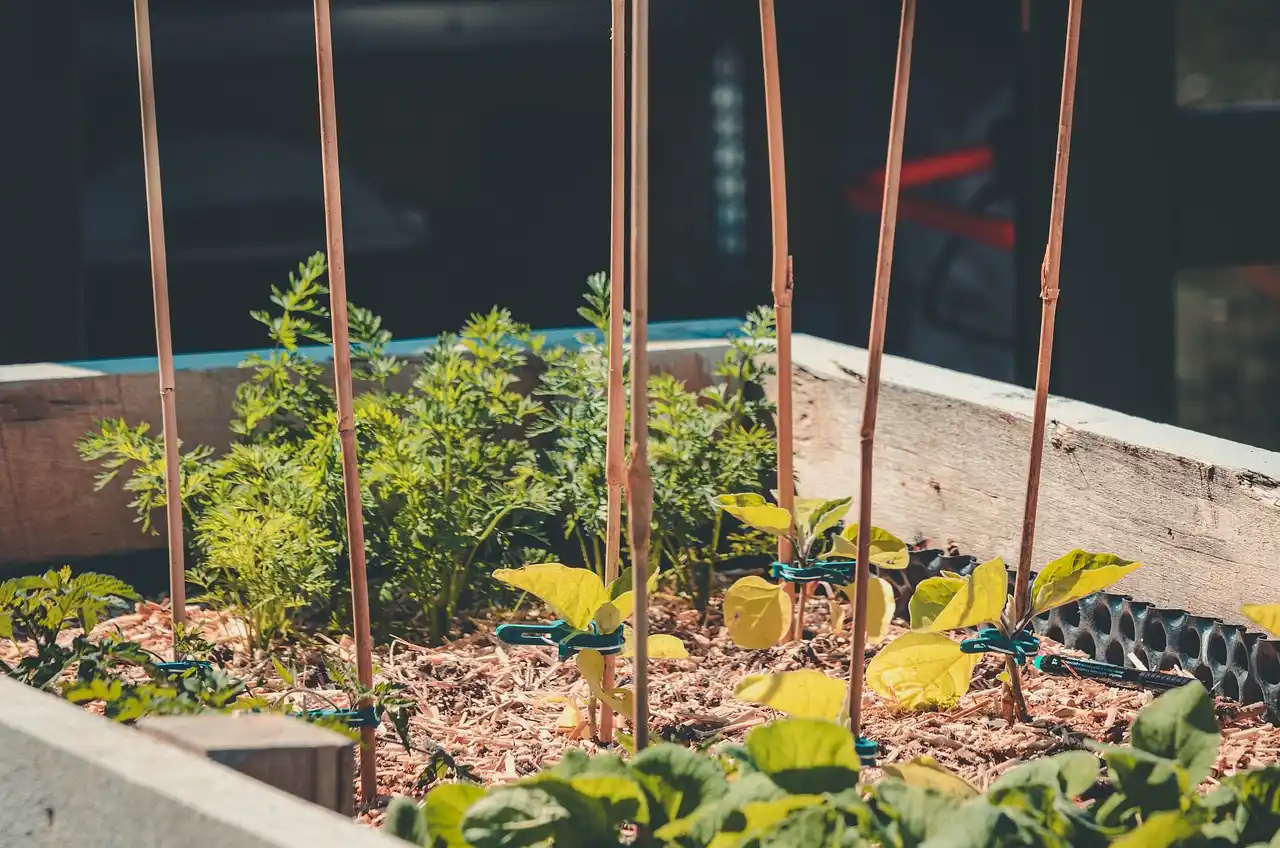
Bed height commonly ranges from about 12 inches to 24 inches. A 12-inch bed can work for many crops, while 18 to 24 inches helps where native soil is poor, drainage is slow, or you want extra root room.
Width should stay reachable from both sides. A bed about 3 to 4 feet wide is often practical, since many people can reach the center without stepping into the bed and compacting the soil.
Wood, metal, or composite materials
Wood is common because it is easy to size and install. Metal beds last well and shed water easily, while composite beds reduce rot concerns and can hold a cleaner edge over time. The right material depends on budget, heat exposure, and the look the homeowner wants.
Drainage layer and soil fill depth
Raised beds still need drainage design. A free-draining base, good side-wall construction, and a soil profile deep enough for roots matter more than a decorative frame alone.
A practical target is a finished soil depth of at least 12 inches, with more depth for crops that root deeper or for sites with compacted subsoil below the bed. If the bottom sits in a wet pocket, even a tall frame will fail without grading or drainage work first.
How should soil and drainage be handled?

Soil and drainage should be treated as a build system, not a finishing touch. Testing the soil, correcting pH, adding organic matter, and moving water away from the beds all affect yield, disease risk, and how often you need to rework the garden.
Testing pH and organic matter
Soil testing should check pH, organic matter, and basic nutrient needs before amendments go in. That tells you whether the existing soil can support vegetables or needs correction before planting.
Low organic matter usually means weaker moisture holding and poorer soil structure. A landscaper should use test results to decide how much compost, topsoil, or nutrient correction to add instead of guessing.
Amending compost, topsoil, and nutrients
Good amendments improve texture, water handling, and fertility without creating an overly rich mix that ties up growth. Compost adds organic matter, topsoil improves fill quality, and nutrient corrections should match the test results rather than follow a generic recipe.
Suppose a back corner stays wet after rain and the soil test also shows low organic matter. The right fix is not only fertilizer; it is better grading, more suitable fill, and amendments that help the bed drain while holding enough moisture for roots.
Grading, runoff control, and low spots
Grading should move water away from planting beds and prevent low spots from collecting runoff. In many yards, that means subtle slope correction, a shallow swale, or a French drain where water has no clear exit path.
Runoff control matters because standing water can rot roots, compact the soil, and leave beds unworkable after every storm. Erosion control also matters if a sloped site sheds mulch or topsoil into walkways.
How should irrigation and access be planned?
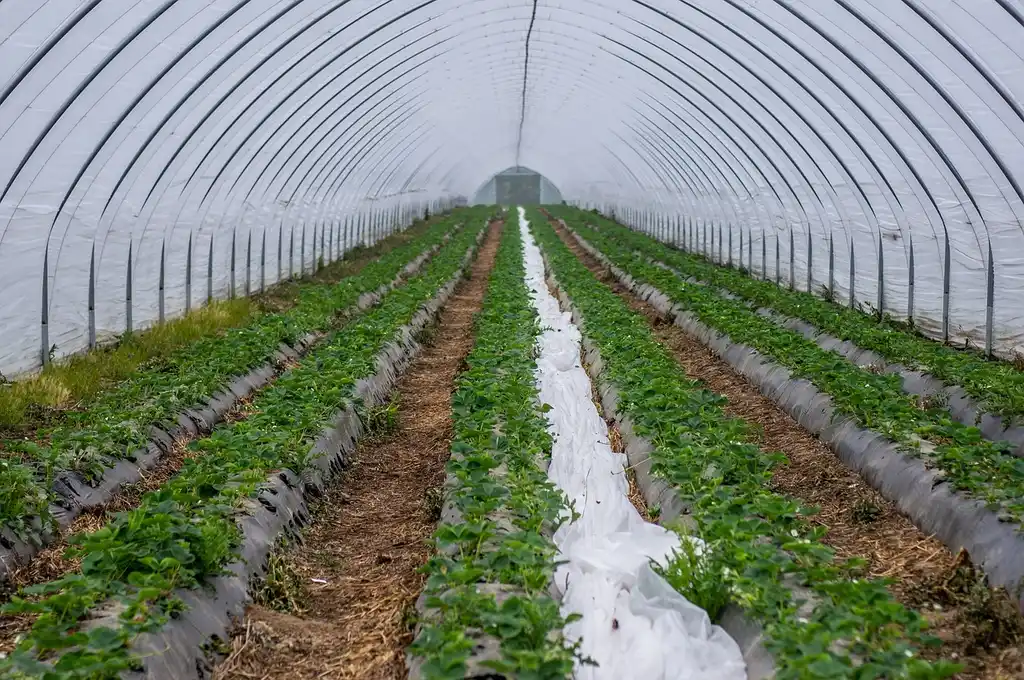
Irrigation and access should be planned together because water has to reach each bed without turning the garden into a muddy obstacle course. The best systems deliver water directly to roots, keep paths clear, and leave room for seasonal service and harvest traffic.
Drip zones, emitters, and controllers
Drip irrigation is usually the best irrigation system for a vegetable garden because it sends water to the bed instead of spraying the whole area. Zones let you water sun-exposed beds differently from shaded ones, and emitters can be matched to bed size and crop needs.
A timer or controller matters because vegetable beds need regular, repeatable watering. Bed-specific coverage reduces waste, keeps foliage drier, and supports more even growth than a single hose line sprayed across the whole garden.
Pathways, spacing, and wheelbarrow access
Pathways need enough width for maintenance access and, ideally, wheelbarrow movement. Surface options include gravel, compacted stone, mulch, or pavers, depending on drainage, cost, and how often the beds will be serviced.
Path spacing should also leave enough room to prune, harvest, and repair irrigation without stepping into the soil. ADA-friendly planning may call for firmer, wider paths and more careful turning space, especially where the garden must be used with mobility devices.
Microclimates, sun exposure, and crop placement
Vegetable placement should follow the sun path through the season, not just the summer view from the back door. The garden should get 6+ hours of direct sun, but trees, fences, and walls can create microclimates that make one bed better for leafy crops and another better for fruiting crops.
Place tall crops where they will not shade shorter ones. Put heat-lovers in the brightest spots, and reserve cooler or partially shaded areas for crops that bolt quickly in peak heat.
How do layout and upkeep affect a food garden?
Layout and upkeep determine whether the garden stays productive or slowly becomes crowded, weedy, and hard to manage. Bed orientation, crop spacing, rotation, mulch, and replanting all shape how much food the space can produce across the season.
Bed orientation and crop spacing
Bed orientation should limit self-shading and support even light across the rows. Many installers favor long runs that keep taller crops from blocking lower ones, while spacing still needs to match the final size of each crop rather than the size of the seed packet alone.
Crop rotation, companion planting, and succession planting
Rotation helps prevent soil fatigue and pest buildup. Companion planting can help with spacing and pest pressure, but it should not replace good soil, water, or sun planning.
Succession planting keeps beds productive after early crops finish. That means replanting spring lettuce with summer beans or replacing harvested greens with fall brassicas instead of leaving soil bare.
Mulch, weed control, and seasonal maintenance
Mulch should be deep enough to suppress weeds and hold moisture without burying stems. Organic mulch options include shredded bark, straw, and leaf mulch, and a clean edge around each bed keeps material from washing into paths.
Seasonal maintenance should include spring prep, summer irrigation checks, fall cleanup, replanting, and pruning support for trellised crops. Those tasks keep the system working after installation, when small issues can otherwise turn into lost yield.
Frequently asked questions
What landscaping services do I need to set up a vegetable garden?
You usually need site assessment, grading, soil testing, bed construction, irrigation, pathways, and final planting layout. A solid install also accounts for drainage, sun exposure, and maintenance access so the garden works after the first rain and the first harvest.
Can a landscaper build raised beds and install drip irrigation?
Yes. A landscaper can build raised beds, set the frame height and width, import soil, and install drip zones with emitters and a timer. That combination is common when the goal is a productive garden rather than a simple planting bed.
What should be included in a vegetable garden installation quote?
The quote should list site prep, soil work, irrigation, bed construction, pathways, drainage work, and cleanup. It should also say what materials are included, how deep the beds will be filled, and whether follow-up maintenance is part of the plan.
Do I need grading or drainage before installing a vegetable garden?
If water pools, soil stays soggy, or runoff crosses the future bed area, yes. Grading and drainage should come before planting because wet beds can lead to root rot, erosion, and repeated repair work. A landscaper should flag those issues during the site visit.
Can a landscaping company help with soil testing and amendments?
Yes. Soil testing and amendments are part of many food-garden installs, including work from Nature’s Landscape Solutions, which includes soil testing and amendments. The goal is to correct pH, organic matter, and nutrient limits before crops go in.
What maintenance is included after vegetable garden installation?
Maintenance commonly includes spring cleanup, drip checks, summer watering adjustments, weed control, fall removal of spent plants, and replanting between seasons. Some crews also provide pruning support for trellised crops and seasonal soil refreshes for beds that need it.