Landscaping Services for Pollinator-Friendly Yards
Pollinator-friendly yard work usually starts with native plant selection, reduced mowing or meadow zones, and maintenance plans that avoid broad-spectrum pesticides. Done poorly, these yards can turn messy, drain badly, or feed very few pollinators. This guide explains which services build habitat while keeping borders, paths, drainage, and curb appeal in order.
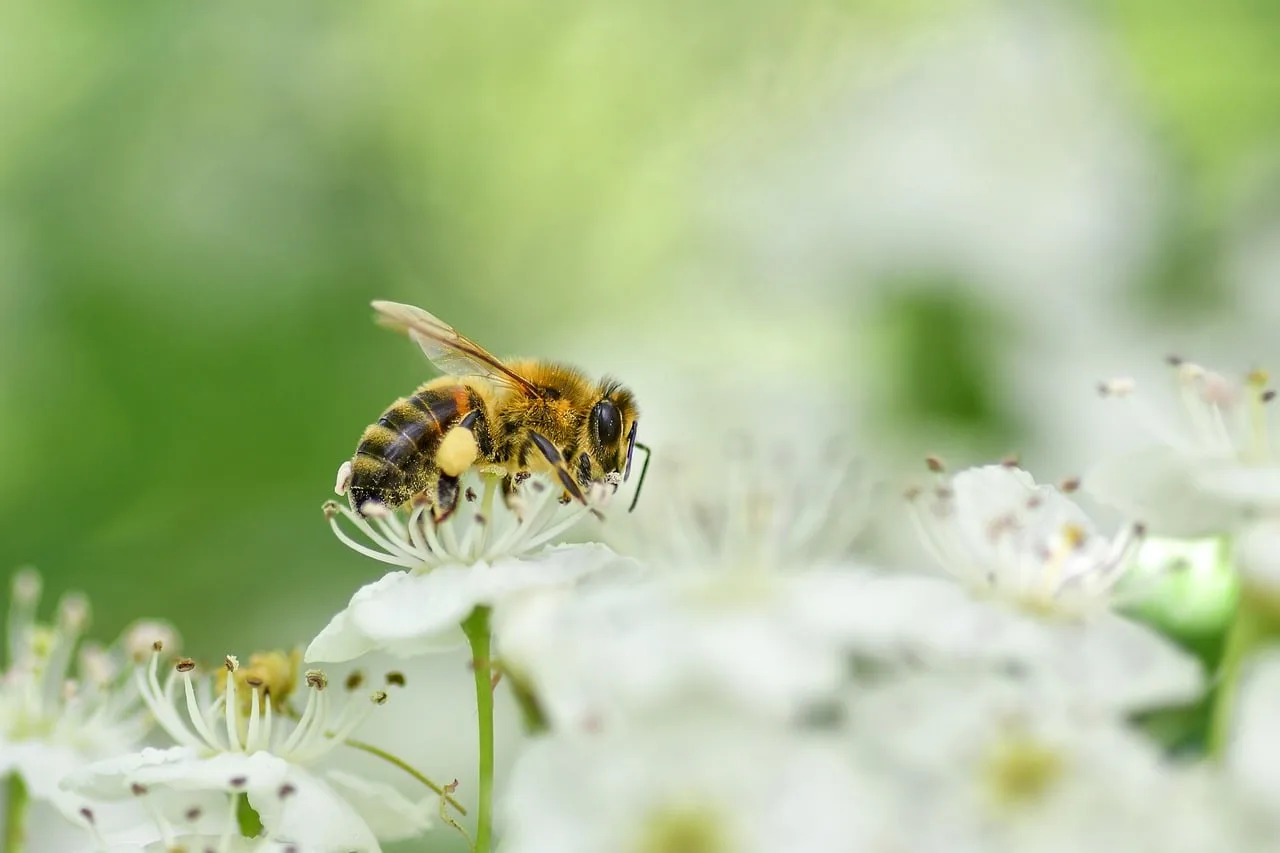
Pollinators include bees, butterflies, moths, beetles, hummingbirds, and other animals that need nectar, pollen, and shelter. Around 75 percent of all plants rely on pollinators, so the planting plan matters well beyond one yard. Residential gardens can play a critical role in conserving pollinators.
What pollinator-friendly landscaping includes

The service goals
Good pollinator-aware work does three things at once: it adds food, adds habitat, and keeps the property readable as maintained. That usually means diverse garden beds, cleaner edges near hardscape, and a lawn strategy that uses turfgrass where people actually need it. Turfgrass is generally lower in habitat value than native planting, so the goal is usually less lawn, not zero structure.
Pollinator-friendly yard design can look good and work hard. The best services do not treat those goals as opposites. They place plants, mulch, cleanup timing, and drainage so the yard looks deliberate from the street and still supports insects through the season.
Which pollinators a yard can support?
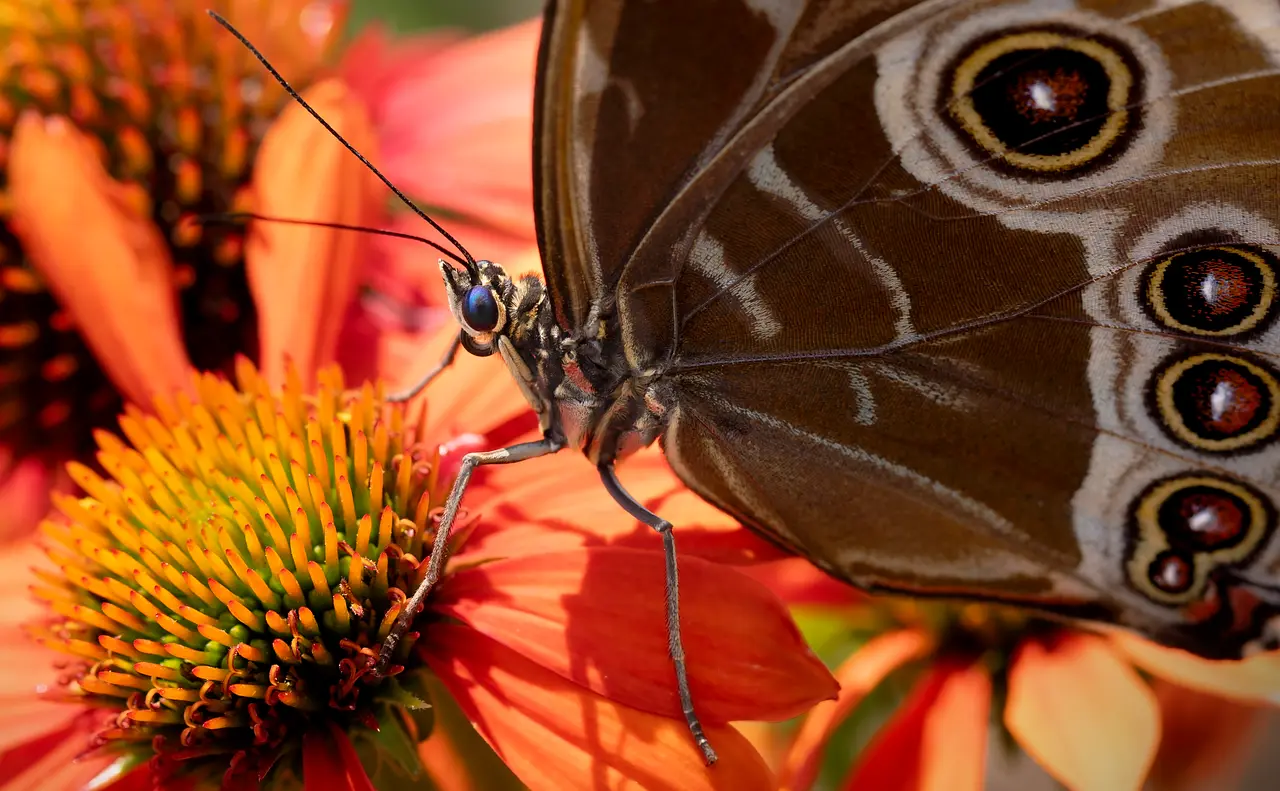
Bees, butterflies, moths, and beetles are the main group to plan for, but the same plantings can also support hummingbirds and other wildlife. Different pollinators use a yard differently. Some need open flowers for nectar. Others need host plants, bare soil, hollow stems, leaf litter, or sheltered corners to complete part of their life cycle.
Native pollinators are struggling because of habitat loss, pesticides, disease, and climate change. That is why the service plan should be practical, not decorative only. A yard that offers bloom, cover, and seasonal shelter is more useful than one with a few flowers and a lot of exposed turf.
Where landscaping services fit in the plan
The most useful services usually move the property from “all lawn” to “mixed function.” That means planting beds, edge conversions, selective mowing reduction, leaf management, and drainage corrections before planting. If the site has soggy spots, those need attention first. Native plants improve stormwater infiltration compared with turfgrass, but they are not a cure for standing water caused by grading or runoff problems.
Which landscaping services help pollinators?
The most useful services are native planting, bed design, turf reduction, reduced mowing, leaf and stem management, and drainage fixes before planting. Those actions create nectar, pollen, nesting structure, and seasonal cover. They also keep the yard tidy enough to work as a front-yard yard instead of an unmanaged patch.
Native planting and bed design
Native plants are the main planting choice because they are locally adapted and support native pollinators more directly than most ornamental imports. They work best in garden beds and mixed borders, where you can combine flowering species, structural plants, and clear edges. A bed should not be a single flat mass of one plant. Diversity helps the yard bloom longer and look intentional.
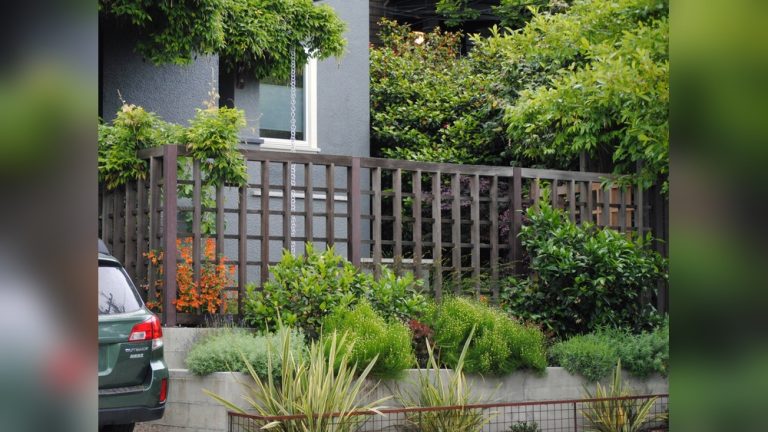
For a clean result, ask for beds with a defined border, plant groupings by mature height, and enough spacing for maintenance access. That makes seasonal cleanup easier and keeps mulch from wandering into turf or drainage paths.
Reduced mowing and turf reduction
Reducing mowing lowers noise pollution, soil compaction, and fossil-fuel emissions. It also creates room for plants that do more than turfgrass can. This works best when the lawn is replaced with native groundcover, narrow borders, or planted strips rather than a random patchwork of half-mowed grass.
Keep turf where it still earns its place: play areas, paths, sight lines, and practical access zones. Cut back lawn first along edges, side yards, and narrow strips that are hard to use anyway. That usually preserves curb appeal while opening space for habitat.
Leaf and stem management
Leaves and stems are not waste in a pollinator yard. Left whole or mulched in fall and winter, leaf litter can provide overwintering habitat. Stems and plant debris also hold shelter for insects that need a place to survive cold months. The trick is placement. Habitat belongs in beds and back corners, not on walks, drains, or street edges.
Drainage fixes before planting
If water collects after rain, fix that before planting. Soggy ground can mean grading issues, compacted soil, or runoff that needs to be redirected. Pollinator plantings generally do better in well-drained soil than in waterlogged soil. In practical terms, drainage and infiltration work should happen before mulch, not after the plants are already struggling.
Native plants by bloom season
Choose native plants in waves so the yard has food across the season. Early bloomers feed the first active pollinators. Mid-season plants carry the heaviest load. Late-season anchors keep nectar and pollen available into fall, when many yards have already faded.
Early-season plants for first forage
Use early bloomers at bed fronts, along sidewalks, and in mixed borders where they are easy to see. Good choices are locally adapted species that flower as temperatures rise: native phlox, Columbine, wild geranium, spring-blooming Penstemon, and serviceberry where a shrub or small tree fits the space. These plants help bridge the gap before summer bloom begins.
Mid-season plants for steady bloom
Mid-season species keep the yard working when pollinator activity is high. Coneflower, bee balm, black-eyed Susan, milkweed, coreopsis, and native salvias are common examples in many regions. Use them in groups, not single scattered plants, so they read as part of the design and provide a stronger forage patch.
Late-season anchors for fall support
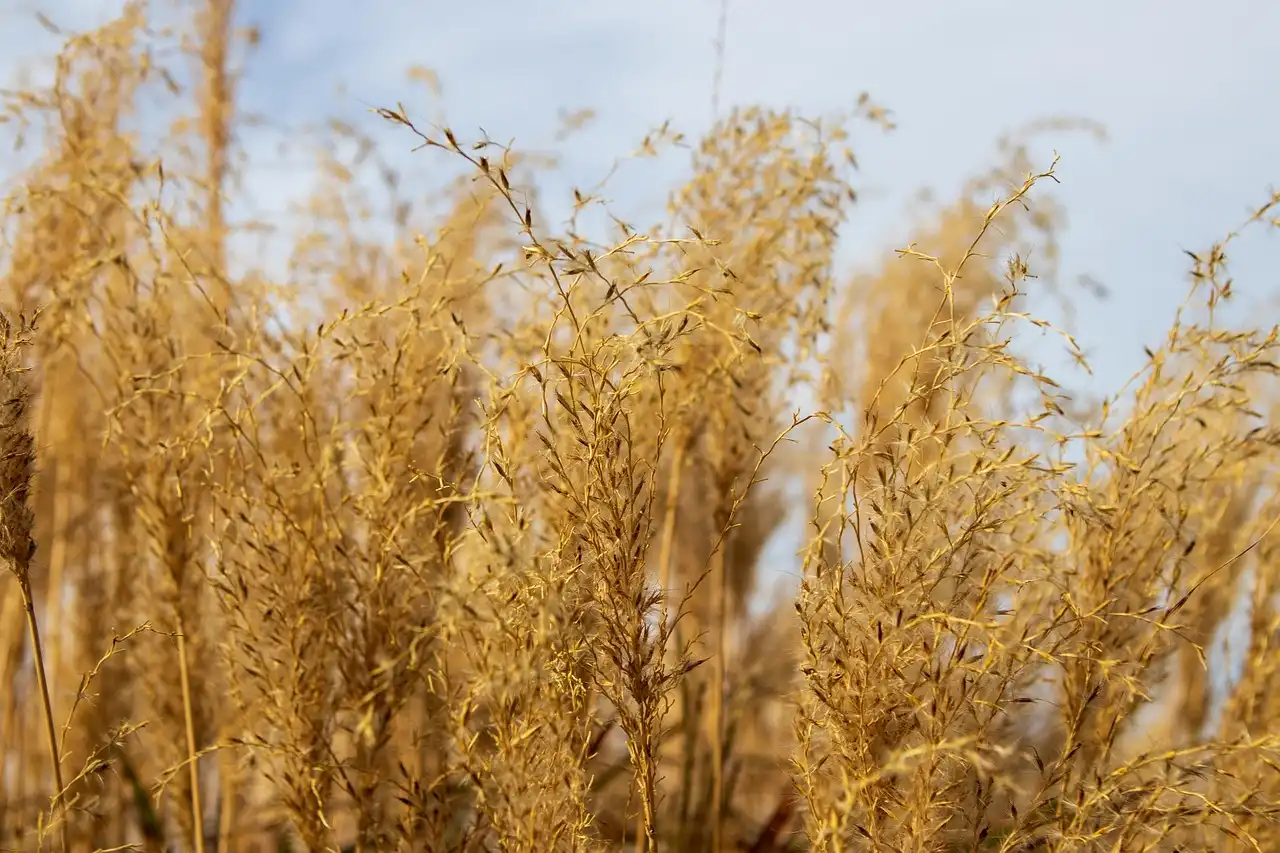
Late bloomers matter because many pollinators are still active after summer. Asters, goldenrod, ironweed, joe-pye weed, and other late-season natives can keep nectar available into autumn. These plants are also useful at back borders where taller growth will not block the view from the street.
How to mix plants in beds and borders
A practical planting plan uses layers: low plants at edges, mid-height bloomers in the middle, and taller species toward the back or center of a bed. That structure keeps the yard neat and gives pollinators more choices. If you are replacing turf, start with the strips closest to the house, walks, or visible corners. Those are the highest-value spaces for both appearance and habitat.
Say your front lawn is a 12-foot strip between the sidewalk and the house. Replacing the entire strip at once is not always necessary. Cutting it into a 3-foot planting border along the walk, then keeping the remaining grass as a narrow path edge, can still change the site enough to support more bloom and reduce mowing.
How do you reduce mowing without losing curb appeal?
You keep the lawn where it serves a purpose, then convert the rest into cleanly edged planting zones or groundcovers. Reduced mowing works best when the boundaries are obvious, the turf stays trimmed near walks and driveways, and the taller plant areas look planned rather than abandoned.
Where to keep lawn and where to cut it back
Keep lawn in utility areas: children’s play space, dog paths, open circulation areas, and the most visible strips near hardscape if a continuous lawn still suits the house. Cut back mowing first in side yards, rear corners, fence lines, and narrow bands that are difficult to use. Those places often become the best candidates for native beds or low groundcovers.
Groundcovers and bed edges that read cleanly
Groundcovers can replace small pockets of turf where mowing is awkward, especially along steps, slopes, and foundation edges. The important part is a crisp transition. A defined bed edge, a mulched strip, or a shallow stone border tells the eye that the shift is intentional. That is what protects curb appeal when the lawn area shrinks.
Mowing frequency, height, and boundaries
There is no single mowing schedule for every yard, but the principle is simple: mow less often in habitat zones, and keep a neat cut where lawn remains. Avoid leaving a rough fringe next to the sidewalk. A narrow, trimmed edge can make a reduced-mow plan look deliberate even when the back section is allowed to grow taller for pollinators.
Leaf litter and spring cleanup timing
Leave leaves and stems in place through winter where they can serve as habitat, then delay major cleanup until overnight temperatures are consistently around 50F. That timing protects overwintering insects. Clean only the places where leaves create a safety issue or block drainage, walks, or street edges.
What to leave for overwintering insects
Whole leaves can stay in planting beds, under shrubs, and in back corners of the yard. Mulched leaves also work when you want a neater look while still keeping habitat value. Standing stems from perennials can remain until spring as well. They give shelter to insects that overwinter above ground.
When to delay cleanup until temperatures are stable
The safest approach is to wait until overnight temperatures stay consistently at about 50F before doing broad spring cleanup. That gives overwintering insects a better chance to emerge. Cutting back too early removes shelter before the season has truly started.
A common first-timer mistake is clearing every bed in the first warm week of March. A yard can look tidy that day and still lose a lot of habitat value. Leaving the stems in place a few more weeks usually costs nothing and supports the plants and insects that depend on that cover.
Where leaves should still be removed
Keep leaves off sidewalks, steps, drains, street gutters, and other drainage paths. Those places need clearance for safety and water flow. The goal is not to scatter leaves everywhere. It is to keep them where they help, then remove or redistribute them where they cause problems.
Drainage and mulch for pollinator beds
Pollinator beds work best when water moves properly and mulch stays where it belongs. Fix soggy areas before planting, then use mulch as a finishing layer, not a blanket. Too much mulch can smother small plants, hide stems that should remain upright, and make bed edges look bulky.
Fix soggy spots before planting
If a low area stays wet after rain, do not treat planting as the fix. Correct the grading, soil structure, or water route first. Native plants can help with infiltration, but they cannot compensate for a surface that holds water in the wrong place. In functional yards, drainage comes before species selection.
How mulch supports beds without smothering habitat
Mulch helps suppress weeds, hold moisture, and make beds look finished. Use it in beds, around young plants, and along edges that need a clean visual line. Keep it shallow enough that stems are not buried and crowns are not pressed under a mound. That is especially important near perennials you want to overwinter in place.
Where mulch should not pile up
Do not pile mulch against trunks, over drainage inlets, or across the base of dense perennial clumps. Avoid burying leaf litter that is already serving as habitat unless the area needs a light topdress for appearance. Pollinator yards need structure, not mulch volcanoes.
Service-by-season checklist
| Seasonal task | What to do | What to avoid | Best timing | Pollinator impact |
|---|---|---|---|---|
| Spring cleanup | Cut back stems in stages, leave some debris in beds, and clear walks and drains first | Removing every stem and leaf before insects emerge | After temperatures are consistently at 50F overnight | Protects overwintering insects and preserves shelter |
| Mowing reduction | Trim lawn less often, keep a neat edge, and convert awkward strips to beds or groundcovers | Leaving ragged borders beside sidewalks or driveways | Late spring through summer | Creates more habitat and reduces compaction and emissions |
| Leaf management | Leave whole or mulched leaves in beds and under shrubs; move excess off hardscape | Blowing all leaves out of the yard or burying drains | Fall into winter | Provides overwintering habitat and cover |
| Planting | Add locally adapted native plants in layered beds and mixed borders | Using only one bloom season or one plant type | Spring or fall, depending on the plant and region | Supplies nectar, pollen, and season-long bloom |
| Mulching | Use a shallow, even mulch layer in beds and keep crowns and stems clear | Deep piles against stems, trunks, or drains | After planting and after cleanup | Supports bed health without smothering habitat |
| Drainage fixes | Correct grading, soil, or runoff paths before planting in wet zones | Planting into standing water or compacted basins | Before bed installation | Improves survival and stormwater infiltration |
Can a small yard still support pollinators?
Yes. A small yard can support pollinators if you choose the highest-value spaces first: front borders, side yards, fence lines, and narrow strips that do not need to be all lawn. The layout should stay tidy, with defined edges and a few strong planting zones rather than a crowded scatter of plants.
Using side yards, front borders, and narrow strips
Small spaces are often easier to turn into useful habitat because every square foot matters. A front border can hold early bloomers. A side strip can carry mid-season flowers. A back corner can keep leaves, stems, and shelter. Those pieces can work together without making the whole yard feel overgrown.
Choosing the highest-value planting zones first
Start with the areas that are easiest to see and easiest to maintain. That usually means the border closest to the street or walk, then the strip most likely to be mowed just because it exists. If you put native plants there first, you get both curb appeal and a stronger pollinator return from limited space.
Keeping the layout tidy in a small footprint
Small yards need sharper boundaries than large ones. Use consistent mulch, a clear mowing line, and repeated plant groupings so the design reads as intentional. That keeps the space usable while still giving pollinators flowers, foliage, and shelter.
What mistakes make a yard less pollinator-friendly?
The most common mistakes are too much mowing, cleanup that happens too early, mulch that is too deep or in the wrong place, and ignored drainage problems. Any one of those can cut habitat value. Together, they can turn a promising yard back into a low-value lawn with a few flowers on top.
Too much mowing
Mowing too often keeps the yard visually tidy, but it also limits flowering and shrinks habitat. It is especially wasteful in strips that are hard to use. If a lawn section is only there because it has always been there, that is usually the first place to reduce mowing.
Too-early cleanup
Spring cleanup done before insects emerge can remove stems and leaf litter that are still serving a purpose. That timing mistake is common because the yard looks ready. A better rule is to wait until the weather is stable enough for pollinators to move again, then clean in stages.
Poor mulch placement
Mulch helps when it is shallow, even, and confined to beds. It hurts when it buries crowns, blocks water paths, or hides the base of plants that should stay open through winter. In a pollinator yard, mulch is a tool, not a substitute for habitat structure.
Ignoring drainage
Planting into wet or compacted ground without correcting the cause usually ends badly. The plants may fail, and the area can become a maintenance problem that gets paved with turf again. If water does not move well now, fix that before planting the bed.
Frequently asked questions
What landscaping services help make a yard pollinator-friendly?
The core services are native planting, bed installation, reduced mowing, leaf and stem management, and drainage correction before planting. Those tasks create food, shelter, and a cleaner layout at the same time. Broad pesticide use and heavy cleanup work against the goal, even if the yard looks neat afterward.
Which native plants are best for a pollinator-friendly yard?
Use locally adapted native plants with staggered bloom times. Early bloomers such as Columbine and spring phlox help first forage. Mid-season choices like coneflower, milkweed, and bee balm keep bloom going. Late-season asters and goldenrod support fall activity. Mix them in beds and borders, not scattered alone.
How do I reduce mowing without hurting curb appeal?
Keep lawn where it serves a function, then convert awkward edges, side strips, and back corners to beds or groundcovers. A clean border, repeated plant groupings, and a trimmed edge near walks make the change look intentional. The yard can look more ordered, not less, when the plan is clear.
Should I leave leaves and stems for pollinators or clean them up?
Leave leaves whole or mulched in beds and sheltered corners, and keep some stems in place through winter. Clean leaves from sidewalks, drains, and streets where they cause problems. Delay major spring cleanup until temperatures are consistently at 50F overnight so overwintering insects are not removed too early.
How do I balance drainage, mulch, and planting beds in a pollinator yard?
Fix soggy spots first, then plant. After that, use mulch as a thin finishing layer in beds, not a deep blanket. Keep it off trunks, crowns, and drainage points. Native plants will perform better in soil that drains properly, and the yard will look cleaner if the water problem is solved first.
What maintenance schedule do pollinator-friendly yards need through the seasons?
In fall, leave habitat where possible and clear only dangerous or drainage-blocking debris. In winter, keep leaves and stems in beds. In spring, wait until temperatures are consistently at 50F overnight, then clean in stages. In summer, mow less often in habitat zones and keep planted edges neat.