How to Landscape a Front Yard on a Busy Street Safely
Landscaping a front yard on a busy street presents a unique blend of challenges and opportunities. Homeowners want their outdoor space to be inviting, increase curb appeal, and provide functional beauty. However, proximity to heavy traffic raises safety concerns, noise issues, pollution, and privacy dilemmas.
With strategic planning, thoughtful design, and the right plant selections, it is possible to transform a front yard on a bustling street into a safe, attractive, and tranquil retreat.
Whether your goal is to create a buffer from traffic, reduce noise, improve security, or simply establish a welcoming entrance, landscaping can make a profound difference. This guide explores expert-backed strategies, practical design tips, and real-world examples to help you landscape your front yard safely and beautifully—no matter how busy the street outside your door.
Key Takeaways
- Safety should be the top priority when landscaping near busy roads, using plant barriers, fencing, and visibility considerations.
- Noise reduction and privacy can be achieved with thoughtful plant selection, berms, and hardscape features.
- Choosing pollution-tolerant and low-maintenance plants ensures long-term beauty and resilience.
- Lighting, walkways, and entry points must be designed for both aesthetics and security.
- Professional advice and city regulations should be considered for optimal results.
- Real-world case studies demonstrate the effectiveness of strategic front yard landscaping.
Credit: www.terracastproducts.com
Understanding The Challenges Of Busy Street Front Yards
Landscaping a front yard adjacent to a busy street brings several distinct challenges that influence both design and plant selection. Addressing these concerns at the outset is crucial for a successful, long-lasting landscape.
Safety Risks And Mitigation
The most pressing concern for homes near traffic is pedestrian and child safety. Fast-moving vehicles, distracted drivers, and limited visibility can pose risks to residents, especially children and pets. Proactive landscaping mitigates these dangers by:
- Installing physical barriers like dense hedges, fences, or stone walls.
- Creating buffer zones between the street and yard with wide planting beds.
- Directing foot traffic safely with clearly marked walkways.
Noise, Dust, And Pollution
High-traffic streets generate constant noise, dust, and vehicle emissions. These factors affect outdoor enjoyment and the health of both residents and plants. Effective landscaping solutions include:
- Incorporating evergreen trees and shrubs as living noise barriers.
- Using dense foliage to filter airborne particles and pollutants.
- Designing for airflow to reduce dust accumulation on surfaces.
Privacy Concerns
Busy streets often mean limited privacy for front-facing rooms and yards. Landscaping can restore a sense of seclusion by:
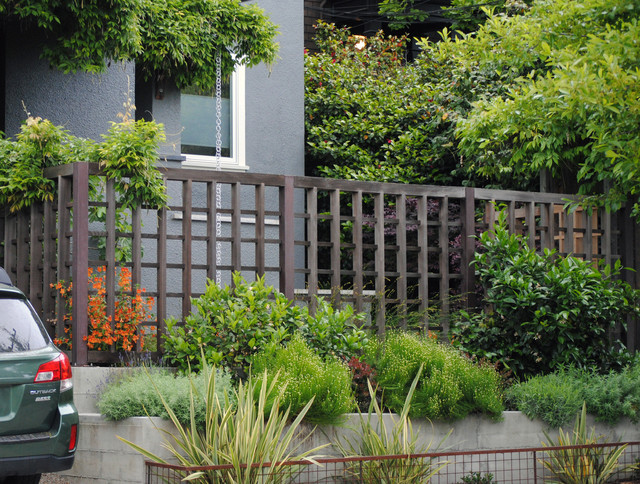
- Strategic placement of tall plants, lattice screens, or trellises.
- Layered plantings to block sightlines from the road.
- Integrating decorative structures like pergolas or archways.
City Regulations And Hoa Rules
Every municipality or Homeowner Association (HOA) may have specific rules regarding fence heights, setback distances, and plant types for front yards. Before breaking ground:
- Consult local codes and HOA guidelines.
- Obtain necessary permits for fences or major landscape alterations.
- Choose designs that comply with visibility and safety requirements at driveways and intersections.
Case Example: The Miller Residence
The Miller family’s suburban home faced a four-lane arterial road. By installing a 4-foot wrought iron fence backed by a double row of evergreen holly, they reduced noise levels by 30%, improved privacy, and created a safe play area for their young children. Their project complied with local codes and increased property value by 8% within a year.
Safety-first Landscaping Design Principles
A well-designed front yard on a busy street requires balancing aesthetics with safety. The following principles ensure that your landscape not only looks beautiful but also protects your family and property.
Creating Effective Barriers
Physical barriers are the first line of defense against traffic hazards. Choices include:
- Fences: Materials range from wrought iron to wood and composite. Fences should be sturdy, at least 3-4 feet tall, and compliant with local ordinances.
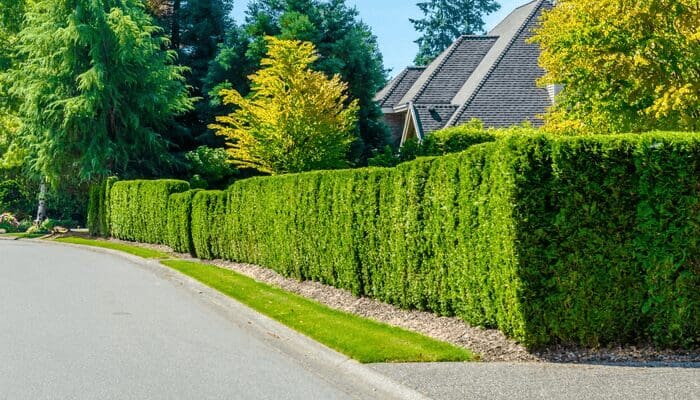
- Hedges and Shrubs: Dense, thorny varieties like holly or barberry deter trespassing and discourage children from running into the street.
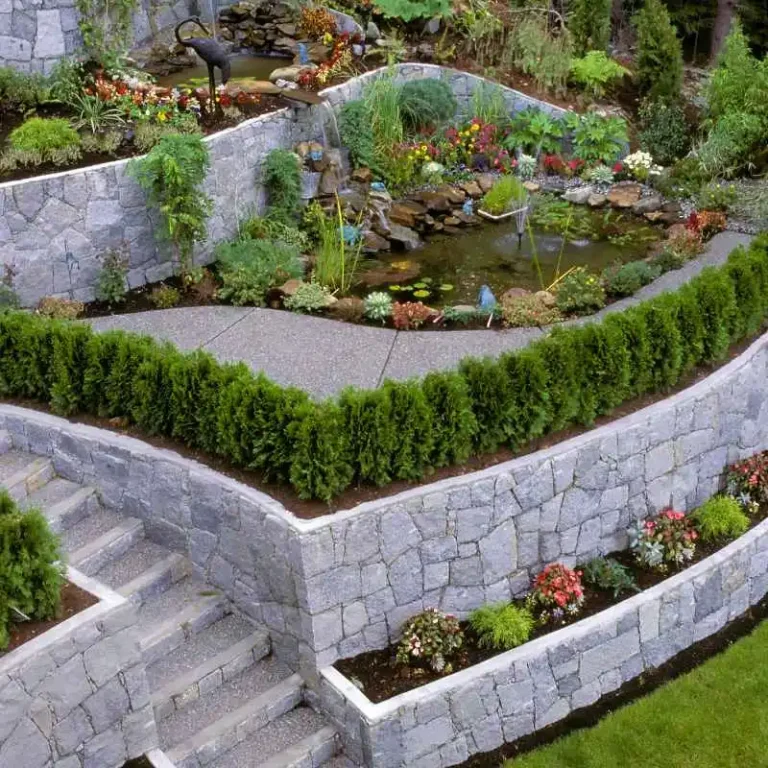
- Stone Walls: Low stone walls offer both protection and visual appeal.
Comparison Table: Barrier Types For Front Yards
| Barrier Type | Safety Level | Maintenance | Noise Reduction | Cost (Est.) |
|---|---|---|---|---|
| Wrought Iron Fence | High | Low | Low | $25–$40/ft |
| Hedge (Evergreen) | Medium | Medium | Medium | $15–$30/ft |
| Stone Wall | High | Low | High | $30–$60/ft |
Maximizing Visibility And Sight Lines
While barriers are essential, it’s equally important not to compromise visibility for both drivers and pedestrians:
- Keep corners and driveways free of tall, dense plantings.
- Use lower-growing plants near entrances and exits.
- Install see-through fences (like wrought iron or picket styles) to maintain sight lines.
Safe Walkways And Entry Points
Design pathways and gates with safety and accessibility in mind:
- Curved walkways guide visitors away from traffic zones.
- Non-slip surfaces reduce fall hazards.
- Well-lit entryways deter crime and enhance nighttime safety.
Case Example: The Nguyen Front Walk
The Nguyen family’s home sits just 10 feet from a busy urban street. Their landscape designer used a combination of ornamental grasses and a gently curving stone path, set 15 feet from the road, to direct guests safely to the front door. This design reduced jaywalking and improved curb appeal.
Credit: www.homelight.com
Selecting Plants For Noise, Pollution, And Privacy
Choosing the right plants is pivotal for landscaping success on busy streets. The best options offer noise reduction, pollution resistance, and year-round privacy—all while thriving in challenging conditions.
Noise-reducing Plant Choices
Plants with dense foliage and evergreen leaves are most effective for noise control. Research from the University of Florida found that a double row of evergreen shrubs can reduce street noise by 3-5 decibels.
Top choices include:
- Arborvitae
- Holly
- Privet
- Bamboo (clumping varieties only)
Pollution-tolerant Plants
Urban environments expose plants to higher levels of vehicle emissions and dust. Select species known for pollution tolerance:
- Boxwood
- Yew
- Serviceberry
- Japanese Zelkova
These plants have waxy or textured leaves that trap and filter particulates.
Privacy-enhancing Plantings
For year-round privacy, favor evergreen trees and layered plantings. Combine tall shrubs with medium and low-growing perennials for a lush, full effect.
- Leyland Cypress for height
- Rhododendron for mid-level screening
- Hostas or ferns for ground cover
Native And Low-maintenance Options
Native plants are adapted to local conditions and generally require less care. The Lady Bird Johnson Wildflower Center recommends native grasses and perennials for sustainable landscapes near traffic.
Examples:
- Switchgrass
- Purple Coneflower
- Black-eyed Susan
Comparison Table: Plant Characteristics For Busy Streets
| Plant Species | Noise Reduction | Pollution Tolerance | Privacy Level | Maintenance |
|---|---|---|---|---|
| Arborvitae | High | Medium | High | Low |
| Boxwood | Medium | High | Medium | Low |
| Bamboo (Clumping) | High | High | High | Medium |
| Leyland Cypress | High | Medium | High | Medium |
Case Example: Sound Barrier Success
A row of Leyland Cypress planted by a home in Atlanta, Georgia, facing a four-lane road, reduced measured noise levels at the front porch from 68dB to 60dB—a significant improvement for outdoor enjoyment.
Credit: www.houzz.com
Designing For Noise Reduction And Air Quality
The right landscape design can significantly lower street noise and improve air quality. Integrating both living and non-living elements maximizes these benefits for front yards on busy streets.
Building Earthen Berms
A berm is a raised mound of soil, typically 2–4 feet high, planted with turf, shrubs, or groundcover. Berms:
- Deflect traffic noise and block sight lines.
- Can be combined with fences or hedges for enhanced effect.
- Improve drainage and visual interest.
Layered Planting Strategies
Layering plants in rows of increasing height increases the absorption of noise and pollutants. An effective sequence might be:
- Tall evergreens (e.g., arborvitae or cypress) at the back.
- Medium shrubs (e.g., boxwood or holly) in the middle.
- Dense perennials or ornamental grasses at the front.
This structure creates a natural buffer zone.
Hardscape Elements For Noise Deflection
Hardscape features like stone walls, water fountains, or decorative screens can help:
- Reflect sound waves away from the house.
- Mask traffic noise with more pleasant sounds.
- Double as design focal points.
Air-purifying Plants
According to a NASA Clean Air Study, certain plants excel at filtering airborne toxins:
- Peace Lily
- Spider Plant
- Boston Fern
- English Ivy
Incorporating these around seating areas boosts both air quality and aesthetic appeal.
Data Table: Noise Reduction By Feature
| Feature | Average Noise Reduction (dB) | Additional Benefits |
|---|---|---|
| Double Evergreen Hedge | 3–5 | Privacy, aesthetics |
| Berm + Hedge | 6–8 | Drainage, visual barrier |
| Stone Wall (3 ft) | 7–10 | Security, style |
| Water Feature | Perceived 2–4 | Ambiance, cooling |
Case Example: The Urban Oasis
In downtown Seattle, a homeowner installed a 3-foot berm planted with boxwood and ornamental grasses, topped with a low stone wall. Noise measurements at the home’s entry dropped from 70dB to 62dB, while air quality improved due to dense foliage filtering particulate matter. The project was featured in Houzz for its innovative approach.
Enhancing Security And Curb Appeal
Front yard landscaping should protect residents and property while boosting visual appeal. With intentional design, you can deter trespassing, prevent accidents, and create a welcoming atmosphere.
Security Through Landscaping
Well-designed landscapes use CPTED (Crime Prevention Through Environmental Design) principles:
- Defensible space: Clear boundaries signal private property.
- Lighting: Path and entryway lights increase visibility and deter intruders.
- Thorny shrubs: Planted under windows, these discourage access.
Balancing Openness And Privacy
Total enclosure isn’t always desirable—front yards should feel welcoming. Achieve balance by:
- Combining see-through fences with layered plantings.
- Using open-pattern gates for entry points.
- Keeping main entrances visible from the street for guest safety.
Seasonal Interest And Plant Variety
Year-round appeal is crucial for property value and enjoyment:
- Spring: Flowering bulbs and perennials.
- Summer: Lush grasses and evergreens.
- Fall: Ornamental maples for color.
- Winter: Berries and textured bark for interest.
Low-maintenance, High-impact Features
Busy street landscapes should not require constant upkeep. Durable, resilient features include:
- Mulched beds to suppress weeds and conserve water.
- Automatic irrigation systems.
- Perennial groundcovers instead of turf.
Case Example: Security Upgrade
A home in Boston replaced a chain-link fence with a decorative metal fence and holly hedge, added path lighting, and installed a smart gate. Security incidents dropped, and the home’s curb appeal increased, resulting in a higher appraisal value.
Smart Lighting, Pathways, And Entry Design
Functional and beautiful outdoor lighting, walkways, and entry points are essential for safety and curb appeal on busy streets.
Lighting For Safety And Ambiance
Install lighting that serves both security and aesthetic purposes:
- Motion-activated lights at gates and pathways.
- Low-voltage path lighting to guide visitors safely.
- Accent lights to highlight focal plants or features.
According to the National Association of Home Builders, well-lit entryways can reduce the risk of home break-ins by up to 20%.
Pathway Materials And Layout
Choose durable, non-slip materials for walkways:
- Concrete: Long-lasting and low-maintenance.
- Pavers or brick: Attractive and customizable.
- Natural stone: Premium look with good traction.
Curved or offset paths slow foot traffic and provide visual interest, while straight paths offer direct access and clear sight lines.
Entry Gate And Access Control
Gates and controls play a vital role in front yard safety:
- Smart locks and video doorbells for modern security.
- Self-closing gates to prevent children or pets from wandering.
- Clear house numbers for emergency responders.
Integrating Technology
Modern landscapes incorporate technology for added security and convenience:
- Wi-Fi-enabled lighting allows remote control and scheduling.
- Surveillance cameras can be discreetly placed among plants.
- Irrigation sensors optimize water use for plant health.
Case Example: Tech-enabled Entry
In a San Francisco home, a combination of solar-powered path lighting, smart gate lock, and low hedge border provided secure, attractive access. The design was featured in Architectural Digest for blending technology and curb appeal.
Maintenance Strategies For Long-term Safety And Beauty
Long-term success for a front yard on a busy street depends on sustainable maintenance practices. A well-kept landscape remains safe, attractive, and functional year-round.
Regular Pruning And Trimming
Frequent pruning ensures:
- Clear sight lines at driveways and intersections.
- Healthy, dense growth for privacy and noise reduction.
- Reduced risk of branches obstructing walkways or blowing into roads.
Debris And Litter Management
Proximity to traffic means more dust, litter, and road debris may accumulate:
- Schedule weekly clean-ups for leaves, trash, and pollutants.
- Use mulch to reduce dust on soil surfaces.
- Install litter screens or low barriers at property edges.
Irrigation And Plant Health
Urban conditions can stress plants. Maintain health by:
- Installing drip irrigation for efficient watering.
- Monitoring for pests and diseases common in high-traffic areas.
- Using slow-release fertilizers for steady growth.
Seasonal Adjustments
Prepare your landscape for each season:
- In winter, use salt-tolerant plants near sidewalks to withstand deicing chemicals.
- In summer, increase watering for plants near heat-reflective pavement.
- Refresh mulch and check lighting before fall and winter.
Sustainable Practices
Adopt eco-friendly strategies such as:
- Composting leaves and clippings.
- Choosing organic pest control.
- Utilizing native species to minimize resource use.
Case Example: Maintenance Pays Off
A Chicago homeowner implemented a monthly maintenance plan with a local landscaping company, focusing on regular hedge trimming, debris removal, and smart irrigation. Their front yard remained lush and safe, with reduced costs for plant replacement over five years.
Real-world Success Stories
Transforming a front yard on a busy street is challenging, but these real-world examples demonstrate the power of strategic landscaping.
Case Study 1: The Suburban Sound Barrier
A family in New Jersey faced persistent noise from a nearby highway. Their solution:
- Built a 3-foot berm topped with a double row of white pine and boxwood.
- Added a wrought iron fence for security.
- Integrated a water fountain near the entry for soothing sound.
Results: Outdoor noise levels dropped by 8dB, privacy increased, and the property value rose by 10% according to a local appraisal.
Case Study 2: The Urban Green Screen
An apartment building in Portland, Oregon, created a green buffer for tenants:
- Planted bamboo and arborvitae along the street edge.
- Installed permeable paver walkways for rainwater management.
- Used native perennials for seasonal color.
Results: Improved air quality, reduced dust indoors, and increased tenant satisfaction.
Case Study 3: The Safe Play Zone
A young family in Austin, Texas, wanted a safe play area for their children:
- Enclosed the front yard with a 4-foot wooden fence and thorny shrubs.
- Designed a meandering stone path set back from the road.
- Used mulched play zones with shade trees.
Results: No safety incidents in three years, and the yard became a neighborhood gathering spot.
Case Study 4: The Curb Appeal Makeover
A Maryland homeowner aimed to boost curb appeal for resale:
- Replaced the lawn with layered evergreen plantings.
- Installed LED path lighting and a decorative entry arch.
- Added a smart irrigation system for easy care.
Results: The home sold in under 30 days, with buyers citing the “private oasis feel” as a key selling point.
Frequently Asked Questions
What Are The Safest Types Of Barriers For Front Yards On Busy Streets?
The safest barriers combine physical strength and visibility. Wrought iron fences, stone walls, and dense evergreen hedges are top choices. Always check local codes for allowable heights and designs to maintain safe sight lines at driveways and intersections.
Which Plants Are Best For Reducing Traffic Noise?
Arborvitae, Leyland Cypress, bamboo (clumping types), and dense hollies are proven to dampen noise. Layering these with medium shrubs and groundcovers maximizes sound absorption. Placement and density matter as much as species choice.
How Can Landscaping Improve Air Quality Near Busy Roads?
Plants with waxy or textured leaves (like boxwood, serviceberry, or Japanese Zelkova) trap airborne pollutants. Layered plantings create a filter effect, and certain indoor/outdoor plants—like English Ivy—are especially effective at removing toxins. For more information, see the EPA’s air quality research.
What Are Some Low-maintenance Options For Busy Street Front Yards?
Opt for native plants, drought-tolerant perennials, and mulched beds to minimize care. Automatic irrigation, groundcovers instead of turf, and durable hardscape materials further reduce upkeep. Consult the Lady Bird Johnson Wildflower Center for native plant lists.
Do I Need Permission To Install Fences Or Berms In My Front Yard?
Yes, most cities and Homeowners Associations (HOAs) have rules about fence heights, setback distances, and berm sizes. Always check local regulations, obtain permits if required, and ensure your design does not block views at intersections. Find local guidelines at your city’s official website or American Planning Association.
Landscaping a front yard on a busy street can be both a challenge and an opportunity to create a safe, beautiful, and private retreat. By prioritizing safety, selecting the right plants, incorporating smart design elements, and maintaining your landscape, you can transform even the most exposed property into a welcoming oasis.
With the strategies