Landscaping Services for Garden Bed Installation
For landscaping services for garden bed installation, compare quotes on about six items: layout, soil depth, drainage, edging, plant list, and finish materials. If one is missing, the bed is likely to fail early. Bad installs wash out, settle, and invite weeds, which means rework costs. This guide explains what a complete quote should include and how to judge whether the beds will hold up.
What do garden bed installation services include?
Garden bed installation should read like a build plan, not a planting list. A complete service commonly covers bed layout and sizing, soil preparation, edging, plant selection, irrigation access, finish materials, cleanup, and follow-up so the beds function after the crew leaves.
Bed layout and sizing
Good layout starts with where the bed belongs, how wide it should be, and how people will move past it. The plan should account for sightlines, entry paths, mower clearance, windows, and the mature spread of plants so the bed does not crowd the house or block access.
A useful quote names the bed shape and approximate footprint, then briefly explains why that size fits the site. If the proposal only says “install beds,” ask for dimensions and the reason for each boundary.
Edging and bed definition
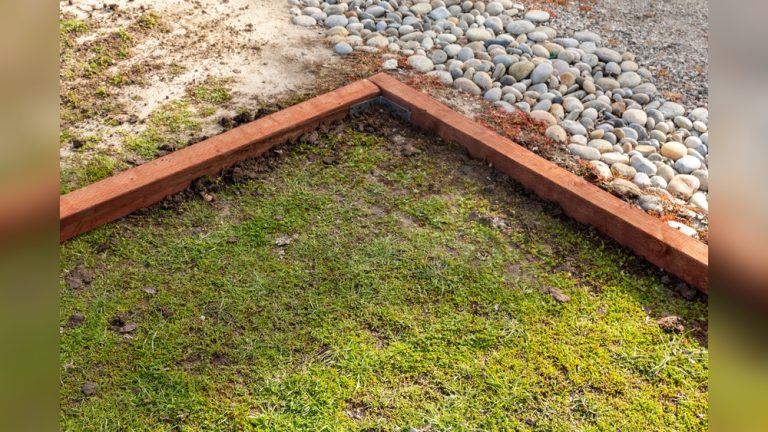
Edging keeps the bed from bleeding into turf and mulch from spilling into walkways. Depending on the site, that edge may be a hard border, steel edging, stone, or a clean cut line. The right choice depends on traffic, slope, maintenance habits, and whether the bed needs a firm stop for mulch or soil.
Hard borders help where beds meet patios, driveways, or steep grades. Clean cut lines can work on flatter sites with light maintenance, but they need regular reshaping.
Cleanup and finish work
Finish work should include debris removal, soil smoothing, mulch or pine straw placement, and a final check for exposed roots, low spots, or runoff paths. A quote that stops at planting often leaves out the steps that keep the bed tidy and stable.
What should happen before planting starts?
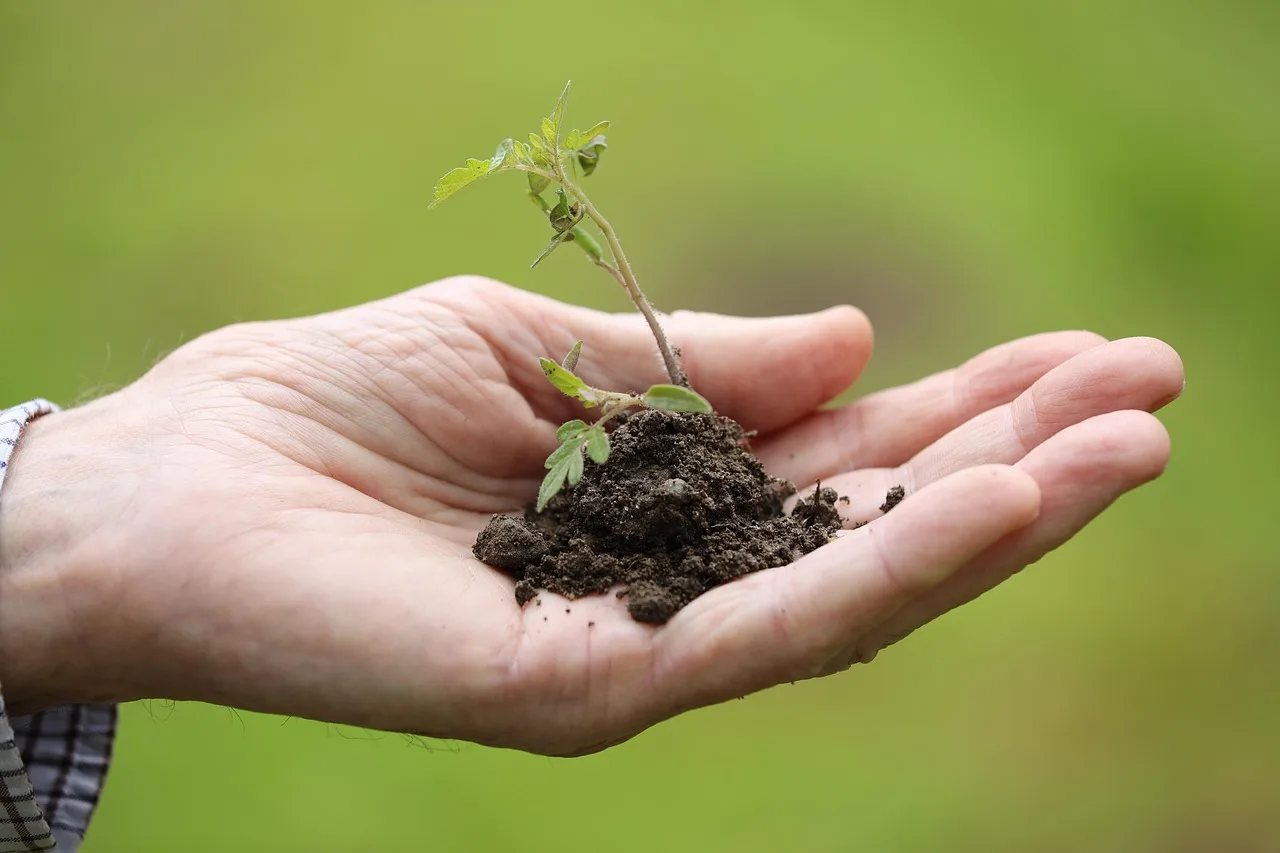
Before any plant goes in, the crew should inspect the existing soil, address obvious grading issues, confirm where water moves, and check whether compaction or poor drainage could trap roots. Planting into a bad base creates shallow rooting, sinking beds, and water stress that shows up later.
Existing soil condition
The soil should be checked for texture, compaction, debris, and whether it drains too fast or too slowly. A bed built over thin subsoil, fill dirt, or construction debris usually needs amendment or replacement before planting.
Soil preparation also includes planting depth and root zone setup. Plants set too deep struggle; plants set too high dry out. A good installer should explain how the root flare will sit relative to the finished grade.
Grading and slope checks
Leveling before installation matters because a bed that starts uneven often settles unevenly. The crew should manage slope so water moves away from the house, not toward it. If the bed sits downhill from a structure, runoff can pool at the foundation, erode the edge, or carry mulch out of the bed.
Suppose a front bed sits beside a sidewalk that slopes toward the house. If the installer ignores that slope, water can collect against the foundation after rain and the bed may sink at the low end within a season.
Drainage and runoff direction
Drainage work should be site-specific. A strong quote says where water will go, how foundation protection is handled, and whether the bed needs regrading, drain lines, or erosion control. Drainage systems protect property from water damage, and drainage should ensure water flows away from the foundation.
Failure cases are easy to spot later: pooling near the house, washout along the bed edge, soil that stays saturated, or mulch that migrates downhill after storms. Those are not cosmetic issues; they are signs the base was wrong.
Soil preparation and grading
Soil preparation is where long-term performance starts. The installer should decide whether to amend the native soil, replace part of it, change the grade, loosen compaction, and set planting depth so roots can establish without sitting in water.
Amendments and compaction
Amendments should fit the existing soil condition, not replace it blindly. In some beds, a small amount of organic matter helps; in others, too much amendment creates a pocket that drains differently from the surrounding soil. That mismatch can trap water or leave roots circling in a soft pocket.
Compacted soil needs loosening before planting. If the top layer is hard from equipment traffic or construction, roots can stall near the surface and plants decline during hot weather.
Planting depth and root zone setup
Planting depth should place the plant at the right height in the finished bed, with the root zone wide enough for establishment. A quote should state whether the installer will adjust grade around each plant, especially for shrubs and perennials that fail when buried too deeply.
Foundation protection
Bed grading should never push water toward a foundation. Where the house edge is close, the installer may need to rework slope, add a border, or add drainage so the bed sheds water away. That detail matters more than ornamental finish choices.
How do you choose plants for a new bed?
Choose plants by climate fit, soil fit, sun exposure, mature size, and spacing. The best plant list is the one that matches the bed’s conditions after installation, not just the look you want on day one. Poor plant choice can turn a neat bed into a crowded maintenance problem.
Climate fit and microclimate
Plants need to match the local climate and the site’s microclimate. A bed near a south-facing wall may run hotter and drier than one under open shade. A plant that survives elsewhere can still fail if that specific bed stays reflective, windy, or waterlogged.
Sun, shade, and soil match
The quote should identify which parts of the bed are full sun, part shade, or shade, then name plants that fit those conditions. Soil fit matters too. A plant that prefers well-drained soil will struggle in a bed that stays wet after rain, even if the light is right.
Mature size and spacing
Spacing should be based on mature width, not just the nursery container size. Too-tight planting creates overcrowding, hidden disease pressure, and constant pruning. A good plan leaves room for airflow and maintenance access from the start.
Picture a 12-foot front bed planted with shrubs that will reach 6 feet wide. If the crew places them shoulder to shoulder for an instant full look, the bed will need heavy pruning long before it should.
Drainage and hardscaping choices
Drainage and hardscaping belong in the bed plan when water, slope, or space make a standard planting bed unstable. Retaining walls, borders, and drainage features can protect the bed structure, create usable space, and reduce erosion when the site needs more than mulch and plants.
When drainage work is needed
Drainage work is needed when water pools, runs across the bed, or cuts channels into the soil after storms. If the site has repeated washout, sinking, or saturated roots, the quote should name the fix instead of treating the symptom with more mulch.
One competitor includes drainage solutions and water management as a core service, and another says drainage systems protect property from water damage. Those are the right categories to look for in a proposal, but the real test is whether the installer explains the runoff path.
Retaining walls and borders
Retaining walls and strong borders belong in a bed project when the slope is too sharp for a simple edge or when the bed needs a stable elevation change. They can also support a cleaner transition to patios, paths, or lawn areas.
Erosion control and usable space
Where erosion is active, hardscaping can stop soil from moving and preserve plant roots. It can also create a flat area for a seating edge or access path. A common service list may include site construction and installation, grading and site preparation, and even sod installation and lawn restoration, but the quote should state how those pieces work together.
Mulch, pine straw, or another finish?
Finish materials should be chosen for coverage depth, weed suppression, moisture retention, appearance, and upkeep. Mulch, pine straw, and bare soil each behave differently. They are not interchangeable, and the wrong choice can make maintenance harder or shorten plant establishment.
Coverage depth
Ask what depth the installer plans and whether that depth is consistent across the bed. Too little cover leaves soil exposed to weeds and evaporation. Too much can bury stems, hold excess moisture, or block air flow around plant crowns.
Weed suppression and moisture retention
Mulch generally suppresses weeds better and holds moisture longer than a thin pine straw layer. Pine straw can work well on slopes because it locks together and stays in place more easily. Bare soil looks finished only briefly and usually needs the most maintenance.
Refresh timing and upkeep
Mulch often needs seasonal refresh timing, while pine straw may need touch-ups after wind or rain. A good quote should say who returns for maintenance follow-up and what the refresh plan includes. If the installer does not mention upkeep, the bed finish may be treated as a one-time task.
How much does garden bed installation cost?
Garden bed installation cost depends on site conditions more than on a simple per-bed formula. Slope, drainage work, soil replacement, edging, irrigation changes, plant count, and hardscaping can move the price a lot. Quotes that ignore those factors are usually incomplete.
Expect a lower price when the site is flat, the soil is usable, and the bed needs only layout, a few plants, edging, and finish material. Expect a higher price when the installer must correct grading, repair drainage, install borders or retaining walls, extend irrigation, or replace poor soil.
Ask each bidder to separate base installation from extras. That way you can compare layout, soil prep, drainage, edging, plant list, irrigation access, and finish materials line by line instead of guessing why one quote is cheaper.
Garden bed installation readiness checklist
Use this checklist before approving a quote. A good answer should explain the site, the fix, and the long-term effect. Vague reassurance is a warning sign.
| What must be evaluated | What a good answer sounds like | Red flags |
|---|---|---|
| Soil | The installer identifies whether the soil is compacted, thin, sandy, clay-heavy, or mixed, and explains any amendments or replacement needed. | “We’ll just add topsoil” with no look at what is already there. |
| Drainage | The quote says where water will flow, whether runoff must move away from the foundation, and whether erosion control is needed. | No mention of pooling, washout, or foundation runoff. |
| Sun exposure | The plant list matches full sun, part shade, or shade in the exact bed locations. | One generic plant list for every side of the property. |
| Edging | The proposal names the edge type and explains why hard border, steel edging, stone, or a clean cut line fits the site. | No edge detail, or a border choice that fights the slope. |
| Plant spacing | Spacing is based on mature size and allows airflow, maintenance access, and growth room. | Plants placed for instant fullness with no room to grow. |
| Irrigation access | The crew checks whether watering coverage is adequate and whether new installation or repair is needed. | “Water it by hand” as the only plan for establishment. |
| Maintenance plan | The quote says who handles follow-up, refresh timing, and what gets checked after installation. | No post-install care beyond cleanup. |
- Confirm the final bed layout and size.
- Ask what the existing soil needs before planting.
- Ask where stormwater will go.
- Check the edge detail and finish material.
- Review plant names, mature size, and spacing.
- Confirm irrigation access and establishment watering.
- Ask who handles follow-up and when.
A common first-timer mistake is approving a quote that lists plants and mulch, but skips grading and drainage. The bed may look finished on day one, then settle into low spots or wash out after the first hard rain.
Frequently asked questions
What do landscaping services include for garden bed installation?
For garden bed installation, a complete service usually includes layout, soil prep, grading, edging, plant selection, irrigation access, finish materials, cleanup, and maintenance follow-up. Some companies also include site design and installation, drainage solutions, grading and site preparation, or site construction and installation when the site needs more than planting.
What should be done before planting a new garden bed?
Before planting starts, the crew should evaluate the existing soil, correct grading, confirm runoff direction, and check compaction and drainage. The bed should also be set to the right planting depth so roots do not sit too deep or too high. Skipping those steps usually shortens plant life.
Do I need drainage or grading before installing garden beds?
If water pools, runs toward the foundation, or erodes the bed edge, yes. Drainage and grading are not cosmetic add-ons; they keep soil in place and protect roots. The quote should say how the installer will move water away from the house and reduce washout or sinking.
What plants work best in my soil and climate?
The best plants match your local climate, your bed’s sun exposure, and the actual soil condition. A plant that likes dry, well-drained ground will struggle in a wet low spot, even if it is sold as “easy care.” Ask for plant names, mature sizes, and spacing.
Should I choose mulch, pine straw, or another bed ground cover?
Choose based on slope, maintenance, and moisture needs. Mulch usually gives stronger weed suppression and moisture retention; pine straw can perform well on slopes because it stays in place better; bare soil needs the most upkeep. Ask how deep the cover will be and how often it will be refreshed.
How do I know if a landscaper will install beds that last?
Look for specifics: bed layout, soil prep, drainage path, edging type, plant spacing, irrigation access, and a maintenance plan. A company with over 30 years of experience or more than 30 years of experience may sound reassuring, but the quote still needs a clear sequence from grading to finish.
What should I ask before hiring for garden bed installation?
Ask what happens to the existing soil, where stormwater will go, how the bed edge will be defined, which plants are included, and whether irrigation or drainage repair is part of the job. Also ask for the follow-up plan. If the answers stay general, the quote is probably incomplete.