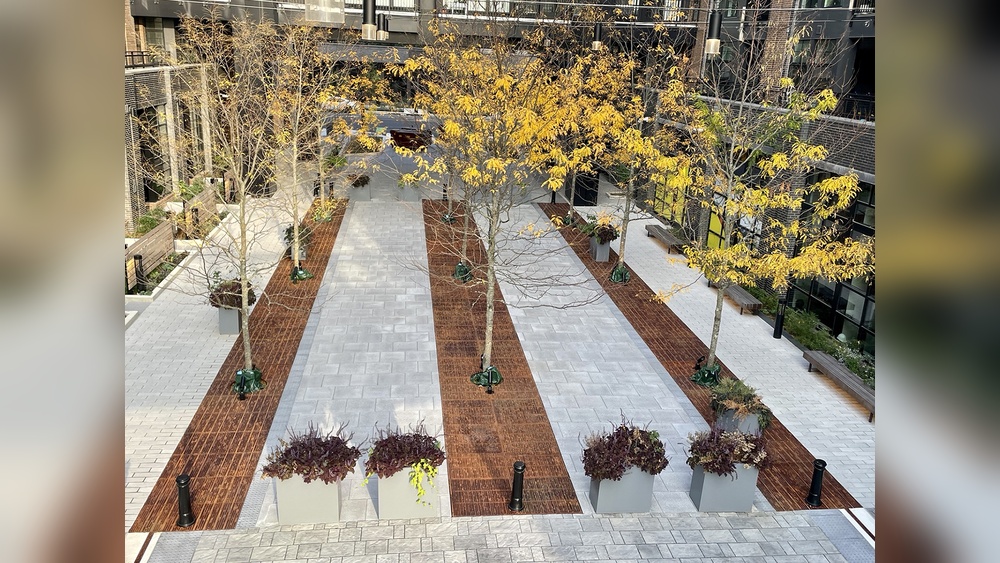

Urban environments thrive when infrastructure and nature coexist seamlessly. As cities expand, integrating trees into pedestrian spaces has become essential for environmental, aesthetic, and social well-being. However, maintaining healthy urban trees requires specialized solutions—one of the most crucial being tree grates. These protective installations ensure tree roots have room to breathe while safeguarding sidewalks and public spaces from trip hazards and soil compaction.
For landscape architects, city planners, and property developers, selecting the right supplier for tree grates is a decision that impacts project longevity, public safety, and city aesthetics. With a growing range of options—each varying in design, durability, price, and sustainability—knowing where to buy the best tree grates is more critical than ever. This guide explores top sources, buying criteria, and insider tips to help you make informed procurement decisions for your next urban landscaping project.
Key Takeaways
- Tree grates are essential for protecting urban trees and enhancing pedestrian safety in city landscapes.
- Major suppliers include specialized manufacturers, landscape supply companies, and online retailers—each with unique strengths.
- Key purchasing criteria include material, customization, load rating, and compliance with accessibility standards.
- Comparing vendors based on price, warranty, sustainability, and customer support can streamline your buying process.
- Case studies highlight real-world successes and pitfalls in tree grate procurement.
- Bulk ordering, local sourcing, and leveraging supplier relationships can result in significant cost savings.

Credit: www.jonite.com
Understanding Tree Grates: Function And Importance
What Are Tree Grates?
Tree grates are metal or composite covers placed around the base of urban trees, flush with the surrounding pavement. Designed with slots or perforations, they allow water, air, and nutrients to reach the roots while preventing soil erosion and minimizing trip hazards.
Tree grates also serve as a transitional element between hardscape and softscape. In high-traffic urban areas, they help trees survive by reducing soil compaction, which is a common cause of urban tree mortality. The design of tree grates can be both utilitarian and decorative, ensuring they blend seamlessly into a variety of architectural styles.
Why Are Tree Grates Essential In Urban Landscaping?
- Root Protection: Prevents soil compaction, ensuring trees have room to grow. Without grates, soil surrounding the tree can become compacted from foot traffic, severely limiting root expansion and water absorption.
- Safety: Reduces uneven surfaces that can cause pedestrian accidents. In busy city centers, exposed soil pits are not only unsightly but can also pose serious tripping hazards.
- Aesthetics: Offers a clean, integrated look that complements modern urban design. Well-designed grates can enhance visual appeal, contribute to the identity of a public space, and even feature artistic elements or city branding.
- Accessibility: Ensures compliance with ADA (Americans with Disabilities Act) for smooth, navigable walkways. This is vital for creating inclusive environments where people of all abilities can move freely.
Types Of Tree Grates
Tree grates come in various shapes, sizes, and materials:
- Cast Iron: Extremely durable, traditional look, high load-bearing. Ideal for historic districts or areas requiring longevity.
- Steel: Modern aesthetic, customizable, lighter than cast iron. Often used in contemporary urban landscapes where flexibility in design is desired.
- Aluminum: Lightweight, corrosion-resistant, ideal for coastal cities. Aluminum grates are increasingly used in regions exposed to salt and moisture.
- Recycled Composite: Eco-friendly, resistant to weathering. These grates are often selected for projects with sustainability goals and are available in a range of colors and finishes.
Some grates are designed with removable growth rings or expandable panels, allowing for easy adjustments as the tree matures. Others feature unique patterns to enhance water infiltration or discourage vandalism.
Data Snapshot: Tree Grate Material Comparison
| Material | Durability | Maintenance | Cost (per sq. ft.) | Eco-Friendliness |
|---|---|---|---|---|
| Cast Iron | 30+ years | Low | $35–$55 | Moderate |
| Steel | 20–30 years | Moderate | $30–$45 | Low |
| Aluminum | 15–25 years | Low | $40–$60 | Moderate |
| Recycled Composite | 20+ years | Very Low | $25–$40 | High |

Credit: www.ironagegrates.com
Where To Buy Tree Grates: Leading Suppliers
Specialized Tree Grate Manufacturers
Manufacturers specializing in urban infrastructure often provide the broadest selection, highest quality, and most customization options. Some notable leaders include:
- Neenah Foundry: With over 150 years of experience, Neenah offers a wide range of cast iron and steel tree grates, many with ADA-compliant designs. Their catalog supports custom branding and unique shapes. Neenah Foundry is well-regarded for its technical support and ability to handle large municipal contracts.
- Urban Accessories: Known for innovative patterns and eco-friendly options, Urban Accessories offers both standard and custom grates, with a focus on sustainability. They frequently partner with cities and landscape architects to create signature site furnishings.
- Ironsmith: Specializing in recycled materials and modular grates, Ironsmith is a go-to for projects emphasizing environmental impact. Their product range includes innovative modular grates that can be easily expanded or replaced as trees grow.
- TreeGrate.com: A dedicated platform for tree grate solutions, offering a wide array of materials and design services. TreeGrate.com also provides educational resources for planners and architects on best practices for urban tree protection.
Landscape Supply Companies
Regional and national landscape suppliers often carry tree grates from multiple manufacturers, making them a one-stop shop for urban landscaping projects. Examples include:
- SiteOne Landscape Supply: With locations across the US, SiteOne stocks leading tree grate brands and can coordinate large orders for municipalities. Their logistics network is especially useful for projects with tight timelines or phased installations.
- Landscape Forms: Focused on design and integration, Landscape Forms provides tree grates as part of comprehensive site furnishing packages. They offer both standard products and custom solutions, often collaborating with architects for cohesive site designs.
Landscape supply companies are also adept at handling complex procurement and can advise on matching grates with other site furnishings such as benches, bollards, and lighting.
Online Retailers
For smaller-scale projects or those needing quick delivery, online marketplaces are an accessible option:
- Grainger: A major distributor of industrial and landscaping supplies, Grainger offers a selection of standard-size tree grates, often with fast shipping. They are ideal for facility managers, schools, or small commercial projects.
- Amazon Business: While limited in customization, Amazon provides basic tree grates suitable for simple installations or private properties. Their easy ordering process is convenient for projects where speed outweighs customization.
Online retailers typically carry only standard sizes and materials, so they may not be suitable for complex municipal projects requiring custom designs.
Local Foundries And Fabricators
For custom designs or rapid turnaround, many cities have local foundries or metal fabricators able to produce bespoke tree grates. Sourcing locally can reduce shipping costs and support regional businesses. Local suppliers can also adapt designs to match historic streetscapes or unique site conditions and provide faster responses for urgent replacements.
International Vendors
For unique designs or cost savings on large orders, some projects source tree grates from international manufacturers. However, it’s critical to verify product certifications and shipping logistics. International sourcing can be cost-effective but requires careful planning for import duties, lead times, and compliance with local standards.
Real-world Example: Neenah Foundry’s Role In Boston’s Greenway
When the Rose Kennedy Greenway in Boston required robust, aesthetic tree grates, the city selected Neenah Foundry for their proven durability and customization capabilities. The result was a series of grates that blended seamlessly with the Greenway’s modern design, reducing maintenance costs and enhancing pedestrian safety. Neenah’s ability to produce grates with custom motifs reflecting Boston’s history was a key factor in the project’s success.

Credit: www.ironagegrates.com
Comparing Top Tree Grate Suppliers
Key Criteria For Evaluation
When comparing vendors, consider the following:
- Material Quality: Durability and resistance to corrosion. Evaluate whether the supplier uses high-quality alloys or advanced composites that will withstand urban conditions.
- Design Flexibility: Custom shapes, logos, and patterns. Some suppliers offer full design services, while others provide only standard patterns.
- Load Rating: Suitability for pedestrian, bike, or vehicle traffic. Be sure grates can handle expected traffic loads without warping or cracking.
- ADA Compliance: Ensuring slot widths and surface are accessible. ADA compliance is not only a legal requirement but also ensures inclusivity.
- Warranty & Support: Length of coverage and post-purchase assistance. Look for suppliers with responsive customer service and clear warranty terms.
- Sustainability: Use of recycled materials or low-impact production. Increasingly, cities are prioritizing suppliers who can document their environmental credentials.
Vendor Comparison Table
| Supplier | Custom Design | Lead Time | ADA Options | Warranty | Materials Offered |
|---|---|---|---|---|---|
| Neenah Foundry | Yes | 4–8 weeks | Yes | 10 years | Cast Iron, Steel |
| Ironsmith | Yes | 3–6 weeks | Yes | Lifetime | Recycled Composite, Iron |
| Urban Accessories | Yes | 6–10 weeks | Yes | 5 years | Iron, Steel, Aluminum |
| SiteOne | Limited | Stock/2–4 weeks | Yes | Varies | Iron, Steel |
| Grainger | No | Stock/1–2 weeks | No | 1 year | Steel, Composite |
Case Study: Sustainable Procurement In Seattle
The City of Seattle prioritized recycled composite tree grates for its downtown revitalization, sourcing from Ironsmith. As a result, maintenance costs dropped by 15% over five years, and the city earned credits for sustainable purchasing under LEED for Cities certification. The lighter weight of composite grates reduced installation labor, and their resistance to corrosion eliminated the need for costly repainting.
Key Factors To Consider Before Buying Tree Grates
Project Requirements And Specifications
- Tree Pit Size: Measure pit dimensions carefully; grates must fit flush to avoid hazards. Mis-sizing can lead to trip hazards and costly retrofits.
- Traffic Load: Specify whether grates must withstand pedestrian, bicycle, or light vehicle traffic. High-traffic areas require higher load ratings.
- Growth Rings: Some grates feature removable inner rings to accommodate tree growth over time. This allows the tree to mature without lifting or breaking the grate.
Consider whether the tree grates will need to be coordinated with other site furnishings or pavement patterns for a cohesive look.
Compliance And Accessibility
- ADA Standards: Slot openings should not exceed 1/2 inch in width. Surfaces must be flush and free from sharp edges.
- Slip Resistance: Surface texture must minimize slip risk, especially in wet conditions. Look for grates with raised patterns or anti-slip coatings.
Accessibility is increasingly emphasized in city planning, so selecting grates that meet or exceed standards is essential for public approval and legal compliance.
Sustainability And Environmental Impact
- Recycled Content: Opt for grates made from post-consumer recycled materials. Suppliers should provide documentation of recycled content percentages.
- Life Cycle Cost: Consider maintenance and replacement intervals in total cost of ownership. Sustainable grates may cost more upfront but save money over time.
Sustainability factors often contribute to grant eligibility for municipal projects, so documenting eco-friendly choices can support funding applications.
Budget And Total Cost
- Purchase Price: Compare upfront costs but factor in shipping, installation, and long-term maintenance.
- Bulk Discounts: Large projects may qualify for volume pricing. Negotiating for multi-phase projects can yield further savings.
- Grants & Incentives: Some municipalities offer incentives for using sustainable materials. Research local programs and tax credits that may offset costs.
Budgeting should account for contingency funds in case of site changes or additional customization requirements.
Warranty And After-sale Support
- Coverage Length: Longer warranties indicate supplier confidence. Lifetime warranties are a sign of robust product design.
- Replacement Parts: Ensure grates have readily available replacement components. Modular designs can make replacements easier and faster.
Ask suppliers about their support policies for damaged or vandalized grates, especially in high-risk areas.
Example: Ada Compliance In Washington, D.c.
A streetscape project in Washington, D. C. faced delays after original tree grates failed ADA slot-width requirements. The project team quickly sourced compliant replacements from Urban Accessories, highlighting the importance of pre-purchase compliance checks. This experience underscores how regulatory oversight can impact project timelines and budgets.
How To Order Tree Grates For Urban Projects
Step 1: Define Your Specifications
- Measure tree pits and adjacent pavement. Include any irregular shapes or site constraints.
- Determine required load rating. Consider anticipated foot traffic and any potential vehicle crossings.
- Specify material, finish, and pattern preferences. Factor in local climate and maintenance needs.
- Identify any custom branding or city logo needs. Custom motifs often require additional design and approval cycles.
Consult with landscape architects and urban foresters to ensure specifications meet both aesthetic and functional requirements.
Step 2: Solicit Quotes And Samples
- Request detailed quotes from 2–4 suppliers. Compare not only price but also lead time and warranty terms.
- Ask for product samples or CAD drawings to evaluate appearance and fit. Physical samples can be invaluable for assessing color, texture, and durability.
- Review supplier certifications, references, and warranty details. Favor vendors with proven municipal experience.
Step 3: Compare Proposals
- Use a comparison matrix to score vendors on price, lead time, warranty, and customization.
- Evaluate shipping and installation support. Some suppliers offer onsite supervision or installation guides.
Involve procurement teams and site contractors in the comparison process to ensure all technical and practical concerns are addressed.
Step 4: Place Order And Schedule Delivery
- Confirm specifications, delivery window, and installation support.
- For large orders, negotiate bulk discounts and extended warranties. Clarify payment terms and contingency plans for supply delays.
Coordinate delivery with project milestones to avoid storing grates onsite for long periods, which can risk damage or theft.
Step 5: Installation And Inspection
- Ensure installation follows manufacturer guidelines. Proper installation preserves warranty coverage.
- Inspect grates for fit, finish, and compliance before final acceptance. Document any issues immediately for resolution.
Post-installation inspections should be scheduled regularly to ensure grates remain flush and functional.
Real-world Example: Bulk Procurement In San Antonio
San Antonio’s downtown redevelopment sourced 1,200 tree grates from SiteOne, leveraging bulk pricing and rapid fulfillment. By standardizing specifications, the city cut procurement time by 30% and reduced per-unit costs by 12%. The streamlined process allowed for phased installation, minimizing disruption to pedestrian traffic.
Customization And Branding Options
Why Customize Tree Grates?
Custom tree grates can reinforce city branding, commemorate events, or enhance neighborhood identity. Options include:
- Logos and Motifs: Incorporate municipal seals, neighborhood icons, or thematic patterns. Custom designs can tell a story about the city or reflect its cultural heritage.
- Color Finishes: Powder coating in custom colors for visual impact. Colored grates can be used to demarcate district boundaries or create artistic focal points.
- Unique Shapes: Accommodate non-standard tree pit designs or historic pavements. Irregular shapes may be required in historic or constrained sites.
Custom grates also serve as deterrents to theft and vandalism, as unique designs are less likely to be stolen or tampered with.
Customization Process
- Collaborate with the supplier’s design team. Share branding guidelines and project goals.
- Approve CAD drawings and prototypes. Review physical samples or mockups for final approval.
- Coordinate with city or project stakeholders for final approval. Engage public art committees or community groups as needed.
The customization process may involve multiple rounds of design review and input from local artists or historians.
Lead Time Considerations
Custom designs typically require 4–10 weeks from approval to delivery. Factor this into your project schedule to avoid delays. Early engagement with suppliers is key to integrating custom grates into broader project timelines.
Case Study: Branding Success In Miami
The City of Miami commissioned custom grates featuring palm motifs for its Arts District. The unique design became an Instagrammable landmark, boosting local business foot traffic and enhancing the city’s identity. The grates also served as conversation starters, drawing attention to Miami’s commitment to urban greening.
Cost Analysis: Price Ranges And Budgeting Tips
Typical Price Breakdown
- Standard Cast Iron Grates: $350–$900 each (24–36” diameter)
- Custom Designs: $1,000–$2,500 each, depending on complexity and finish
- Installation Costs: $50–$200 per grate, varying by region
Installation costs can vary based on site preparation, labor rates, and the complexity of integrating grates into existing pavements.
Factors Affecting Price
- Material: Aluminum and custom finishes cost more than standard cast iron.
- Order Size: Bulk orders often receive discounts of 10–25%.
- Shipping: Heavy grates incur higher freight charges—local sourcing can reduce costs.
Complex projects or sites with challenging access may incur additional costs for specialized equipment or labor.
Data Table: Estimated Total Project Costs
| Project Size | Number of Grates | Average Unit Price | Total Grate Cost | Estimated Installation | Grand Total |
|---|---|---|---|---|---|
| Small Park | 20 | $500 | $10,000 | $2,000 | $12,000 |
| City Block | 60 | $450 | $27,000 | $6,000 | $33,000 |
| Downtown District | 300 | $400 | $120,000 | $30,000 | $150,000 |
Budget Optimization Tips
- Standardize Specifications: Use uniform sizes and patterns to leverage volume pricing. Standardization simplifies procurement and inventory management.
- Negotiate Warranty Extensions: Longer warranties reduce long-term costs. Suppliers may be willing to offer extended coverage for large projects.
- Local Sourcing: Reduces freight costs and supports regional economies.
Consider partnering with local governments or agencies for joint purchasing to further reduce costs.
Example: Cost Savings In Denver
By standardizing on a single grate model and negotiating a five-year supply agreement, Denver’s Parks Department saved over $45,000 on its multi-phase streetscape project. The city also benefited from reduced administrative overhead and streamlined maintenance protocols.
Sustainability And Green Purchasing
Environmental Benefits Of Tree Grates
Properly installed tree grates extend tree lifespan, reduce urban heat islands, and support stormwater infiltration. Sourcing grates made from recycled or low-impact materials amplifies these benefits.
Tree grates also help prevent soil erosion and can be designed to facilitate water infiltration, reducing runoff and supporting urban biodiversity. By protecting tree roots, grates enable trees to thrive, which in turn improves air quality and mitigates city heat.
Choosing Sustainable Suppliers
- LEED Credits: Some tree grates contribute to LEED or SITES certification for sustainable landscapes. Documentation from suppliers can be used in certification applications.
- Certifications: Look for suppliers with ISO 14001 or similar environmental management certifications. These certifications indicate commitment to environmentally responsible manufacturing.
- End-of-Life Recycling: Ensure grates can be recycled or repurposed at end of service life. Some suppliers offer take-back programs or guidance on recycling.
Sustainable purchasing is increasingly required in municipal procurement policies, so selecting suppliers with verifiable environmental credentials is essential.
Notable Example: Melbourne’s Green Infrastructure
Melbourne requires tree grates with at least 50% recycled content for its downtown plantings, contributing to the city’s ambitious carbon reduction goals. Learn more about sustainable urban forestry from the United Nations Environment Programme.
Case Study: Leed Certification In Chicago
Chicago’s Millennium Park used tree grates with recycled content from Urban Accessories, earning LEED credits and local acclaim for its commitment to green infrastructure. The grates also feature innovative slot designs that maximize permeability and support stormwater management.
Real-world Examples And Lessons Learned
Example 1: Avoiding Installation Pitfalls In Los Angeles
A Los Angeles project suffered costly delays after ordering tree grates without verifying pit sizes. The mismatched grates required custom retrofitting, adding $20,000 to the budget. Lesson: Always conduct thorough site measurements and double-check specifications before ordering.
Example 2: Enhancing Accessibility In Toronto
Toronto’s city planners worked with Neenah Foundry to design grates that exceeded ADA accessibility standards, earning positive media coverage and community praise for commitment to inclusive design. Read about urban accessibility standards on the ADA official site.
Example 3: Streamlining Maintenance In Houston
Houston’s switch to composite grates from Ironsmith cut annual maintenance hours by 40%. The lighter weight and corrosion resistance reduced the need for repairs and replacements, freeing city crews for other priorities. The city also noted fewer incidents of theft or vandalism compared to metal grates.
Example 4: Iconic Branding In Paris
Paris’s Champs-Élysées features custom grates that mirror the avenue’s art deco motifs, reinforcing the city’s global brand. Learn more about Paris’s design guidelines at Paris Trees Program.
Example 5: Community Engagement In Portland
Portland involved local artists in designing tree grates for its Pearl District, fostering community pride and reducing vandalism. This collaborative approach has become a model for public space improvements nationwide. Public engagement led to unique grates that reflect Portland’s cultural heritage and values.
How To Choose The Right Supplier: Actionable Steps
1. Assess Your Project Needs
- Define tree pit sizes, load requirements, and desired aesthetics.
- Consider the local climate and exposure to elements. Coastal or snowy areas may require special materials.
2. Shortlist Qualified Vendors
- Use references, case studies, and certifications to vet suppliers.
- Prioritize those with proven municipal or commercial experience.
3. Request Proposals And Samples
- Evaluate real product samples for fit, finish, and durability.
- Review vendor response times and customer service quality.
4. Compare Total Value
- Balance price with warranty, sustainability, and after-sale support.
- Consider long-term maintenance and replacement costs.
5. Build A Long-term Relationship
- Establish a trusted supplier for future projects and phased installations.
- Leverage repeat business for better pricing and service.
Further Resources
For more guidance on sustainable urban landscaping, visit the American Society of Landscape Architects and the US EPA Green Infrastructure Program.
Frequently Asked Questions
What Size Tree Grate Do I Need For My Project?
Tree grate size depends on the tree pit dimensions and the expected mature size of the tree. Common diameters range from 24 to 48 inches. Always measure the pit and consult with your supplier to ensure a proper fit and room for tree growth. Consider future expansion as trees mature, using grates with removable inner rings.
Are Tree Grates Ada Compliant?
Many modern tree grates are designed to be ADA compliant, featuring slot openings no wider than 1/2 inch and slip-resistant surfaces. Always verify compliance with your supplier, as regulations may vary by location. Learn more from the US Access Board.
Can I Get Custom Designs Or Logos On Tree Grates?
Yes, most specialized manufacturers offer customization options such as logos, city seals, or unique patterns. Custom grates usually require additional design time and higher costs, but they can significantly enhance the branding and appeal of public spaces. Involving local artists or community groups can add further value to custom projects.
What Materials Are Best For Tree Grates In Coastal Cities?
For coastal environments, aluminum and recycled composite grates are popular due to their corrosion resistance and durability against salt exposure. Cast iron can be used if treated with corrosion-resistant coatings. Choose materials proven to withstand harsh weather and frequent moisture.
How Do I Maintain And Clean Tree Grates?
Routine maintenance involves clearing debris from slots, checking for damage, and ensuring grates remain flush with pavement. Many cities schedule annual inspections and maintenance as part of their urban forestry programs. Replacement of damaged sections or repainting may be needed over time, especially for metal grates.
As cities continue to reimagine their public spaces, choosing the right tree grates is a small but significant decision that shapes the urban experience for decades. By understanding your options, comparing leading suppliers, and considering sustainability and accessibility, you can ensure your landscaping projects are both beautiful and resilient. For further reading, explore the Wikipedia page on tree grates and consult with local landscape architecture experts before making your final purchase.