Is Mulch Or Rock Better For Landscaping
Choosing between mulch and rock for landscaping is a decision that shapes the look, functionality, and maintenance needs of your outdoor space for years to come. Homeowners, landscape architects , and gardening enthusiasts often weigh these two materials for their ability to boost curb appeal, nurture plant health, and reduce upkeep. But the right choice isn’t always obvious: it depends on factors like climate, budget, desired aesthetic, and environmental impact.
Both options have passionate advocates. Mulch, whether organic or synthetic, is praised for nourishing soil and supporting plant growth, while rock, pebbles, gravel, or river stones, offers durability and striking visual texture. To make a well-informed decision, you need to understand the practical differences, long-term costs, and how each material performs under real-world conditions.
This guide provides a comprehensive, data-driven comparison, including expert insights, concrete examples, and actionable advice for every type of landscaping project.
Key Takeaways
- Mulch improves soil health and supports plant growth, but requires regular replenishment.
- Rock offers long-lasting durability and minimal maintenance, but can impact soil and plant health negatively.
- Climate, budget, and desired landscape style are key factors in choosing the right material.
- Real-world examples show mulch excels in gardens, while rock is ideal for xeriscaping and high-traffic areas.
- Both materials affect property value, water usage, and sustainability, understanding their pros and cons is critical.
Credit: stroberttree.com
Comparing Mulch And Rock: What Sets Them Apart?
Selecting the right landscaping material starts with a clear understanding of what mulch and rock offer. Their distinct properties create different outcomes in your yard, from soil health to visual appeal.
Material Composition And Types
Mulch comes in two primary forms: organic (wood chips, bark, straw, leaves) and inorganic (rubber, plastic). Organic mulch is valued for its ability to decompose and enrich soil. Inorganic mulch lasts longer but doesn’t offer nutrients.
Rock landscaping typically involves natural stone (river rock, pea gravel, granite) or manufactured aggregates. These materials don’t break down and are available in various sizes and colors.
- Organic mulch: Bark, shredded wood, compost, straw
- Inorganic mulch: Rubber, landscape fabric, plastic
- Rock: Gravel, pebbles, crushed stone, river rock
Longevity And Maintenance
Mulch decomposes over time , requiring annual replenishment. Organic mulch lasts 1-2 years; inorganic mulch can persist up to 5 years. Rock is highly durable, often lasting decades with minimal maintenance.
Example: A homeowner in Seattle reported needing to replace bark mulch every spring, while their gravel paths remained unchanged for 10 years.
| Material | Average Lifespan | Annual Maintenance | Initial Cost (per sq ft) |
|---|---|---|---|
| Organic Mulch | 1-2 years | High | $0.50, $1.50 |
| Inorganic Mulch | 3-5 years | Medium | $1.00, $2.50 |
| Rock | 10+ years | Low | $1.50, $3.00 |
Visual Impact And Landscape Style
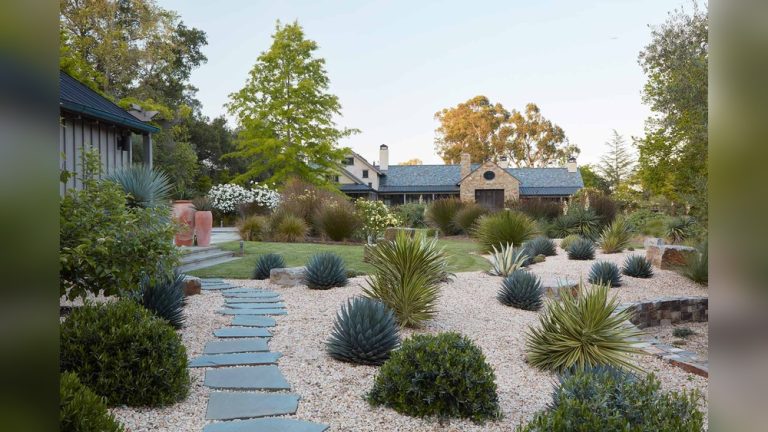
Mulch creates a natural, earthy look, ideal for gardens and woodland landscapes. Rock delivers a modern, clean, and structured aesthetic, often used in xeriscaping, desert gardens, and contemporary designs.
Pro Tip: Use mulch in shaded gardens for a softer appearance; rocks work best in sun-drenched, minimalist spaces.

Credit: newtonrock.com
The Benefits And Drawbacks Of Mulch
Mulch is widely used for its ability to improve soil, support plant growth, and boost garden health. However, it also brings challenges that must be considered.
Soil Enrichment And Plant Health
Organic mulch decomposes, releasing nutrients into the soil and fostering microbial activity. This process enhances plant growth, maintains moisture, and suppresses weeds. For vegetable gardens and flower beds, mulch is often the preferred option.
- Benefits: Soil enrichment, weed suppression, moisture retention
- Drawbacks: Needs replenishment, can attract pests, may harbor mold
According to the University of Florida Extension, mulched soil retains up to 20% more moisture than bare soil (UF/IFAS Extension).
Maintenance Requirements
Mulch must be replaced periodically. Organic mulch requires annual or biannual replenishment, while inorganic mulch lasts longer but can be harder to clean. Mulch can wash away in heavy rain or blow away in strong winds.
- Tip: Apply mulch in spring and fall for best results; keep a layer 2, 4 inches thick.
Cost Considerations
Mulch is generally less expensive up front, but recurring costs for replenishment add up over time. For large areas, the labor and materials can become significant.
- Initial cost: Lower than rock
- Long-term cost: Higher due to replenishment
Environmental Impact
Organic mulch supports sustainable landscaping by recycling natural materials. However, certain types (like dyed mulch) may contain chemicals. Inorganic mulch (rubber, plastic) can be less eco-friendly.
Warning: Avoid mulch made from treated wood or recycled tires near edible plants.
The Benefits And Drawbacks Of Rock
Rock brings durability, minimal maintenance, and striking visual impact to landscaping. It’s a popular choice in arid regions and for modern designs, but it’s not without downsides.
Durability And Maintenance
Rock doesn’t decompose, so it rarely needs replacement. It resists wind, rain, and foot traffic, making it ideal for pathways, driveways, and heavily used areas.
- Benefits: Long lifespan, minimal upkeep, good for high-traffic zones
- Drawbacks: Difficult to remove, can get hot in sun, doesn’t enrich soil
Example: In Phoenix, a commercial property used river rock to reduce water usage and maintenance costs, achieving a 30% reduction in landscape spending over five years.
Heat And Water Retention
Rock absorbs and radiates heat. In hot climates, this can increase ambient temperatures and stress plants. Rocks do not retain moisture, which can lead to dry soil and reduced plant health.
- Tip: Use light-colored rocks to reduce heat absorption; avoid rock near sensitive plants.
Cost Considerations
Rock is more expensive up front but saves money in the long term. Installation can be labor-intensive, especially for large stones. The initial investment pays off in reduced maintenance and replacement costs.
- Initial cost: Higher than mulch
- Long-term cost: Lower due to longevity
Environmental Impact
Rock is a natural material, but extraction and transportation can carry environmental costs. It does not support soil health, and runoff from rock areas can impact local water quality.
Pro Tip: Source rocks locally to reduce environmental footprint.

Credit: arborhilllandscaping.com
Real-world Examples: Mulch Vs Rock In Practice
To illustrate how mulch and rock perform under real conditions, let’s look at three landscaping projects.
Residential Garden: Mulch For Plant Health
A homeowner in Portland, Oregon, chose organic bark mulch for their vegetable garden. The mulch improved soil moisture retention and reduced weeds by 80%. Annual replenishment cost about $150 for a 500 sq ft area. The garden saw healthier plants and higher yields, but required regular maintenance.
Commercial Xeriscape: Rock For Low Maintenance
A corporate office in Denver, Colorado, installed river rock throughout their xeriscape. Maintenance dropped by 40%, and water usage was reduced significantly. The rocky landscape provided a clean, modern look and required only occasional weed removal. The upfront cost was higher, but the investment paid off in reduced labor and water bills.
Community Park: Mixed Materials For Functionality
A public park in Atlanta, Georgia, used mulch in shaded play areas and rock on sunny walking paths. The mulch created a soft, safe surface for children, while rock paths resisted erosion and required little upkeep. The mixed approach balanced aesthetics, safety, and sustainability.
| Location | Material | Primary Benefit | Annual Cost |
|---|---|---|---|
| Portland Home | Mulch | Soil health, plant growth | $150 |
| Denver Office | Rock | Low maintenance, water savings | $100 |
| Atlanta Park | Mulch & Rock | Safety, durability | $250 |
Which Is Better For Your Climate And Landscape Goals?
Climate and landscape design goals play a critical role in choosing between mulch and rock. Each material performs differently depending on regional conditions and intended use.
Mulch In Cool, Moist Climates
Mulch thrives in regions with moderate temperatures and regular rainfall. It keeps soil cool, retains moisture, and fosters healthy plant growth. In northern states or coastal areas, mulch is often the best choice for gardens and shaded landscapes.
- Best for: Vegetable gardens, flower beds, woodland settings
- Challenges: Frequent replenishment, potential for mold in humid climates
Rock In Arid And Sunny Regions
Rock excels in dry, hot climates where water conservation is a priority. It resists erosion and provides a durable surface for paths and patios. Southwestern and western US landscapes often use rock for xeriscaping.
- Best for: Desert gardens, pathways, driveways, contemporary designs
- Challenges: Heat absorption, limited support for plant health
Matching Material To Landscape Style
Consider your design goals:
- Natural, lush look: Mulch is preferred
- Modern, minimalist look: Rock is ideal
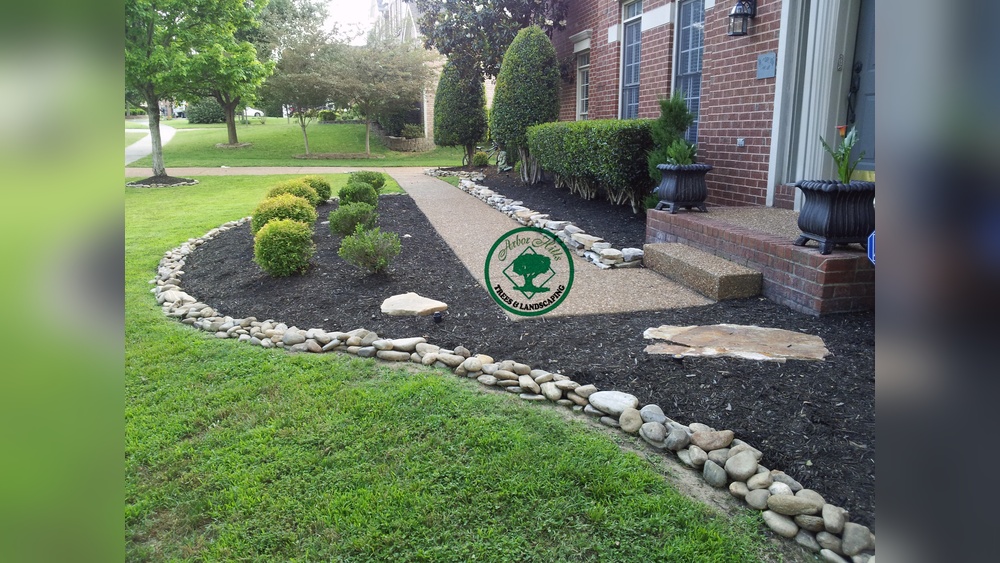
- Mixed-use spaces: Combine mulch and rock for functional variety
Example: In my experience, integrating mulch around trees and shrubs while using rock for walkways creates a visually appealing, functional landscape.
Cost Analysis: Short-term And Long-term Expenses
Understanding the financial implications of mulch vs rock is essential for budget-conscious homeowners and property managers. The initial investment and ongoing costs vary significantly.
Upfront Installation Costs
Mulch is generally less expensive to install. Organic mulch can be purchased in bulk for $0. 50, $1. 50 per square foot. Rock costs more, with prices ranging from $1. 50, $3. 00 per square foot depending on the type and source.
- Mulch: Lower upfront cost, ideal for large areas on a tight budget
- Rock: Higher upfront cost, investment in durability
Annual Maintenance Costs
Mulch requires regular replenishment and occasional cleaning. Over 10 years, the cumulative cost can exceed initial rock installation. Rock has minimal annual maintenance, limited to weed control and occasional cleaning.
- Mulch: Replenishment, weed removal, cleaning
- Rock: Weed removal, cleaning
| Material | 10-Year Total Cost (per sq ft) | Maintenance |
|---|---|---|
| Mulch | $10, $15 | High |
| Rock | $8, $12 | Low |
Impact On Property Value
Both materials can improve curb appeal and property value. Well-maintained mulch beds are attractive to buyers seeking a lush, inviting landscape. Rock features appeal to those prioritizing low maintenance and modern design.
Pro Tip: Invest in professional installation for high-value properties to maximize curb appeal.
Sustainability, Water Usage, And Environmental Effects
Sustainability is increasingly important in landscaping decisions. Mulch and rock affect water usage, soil health, and ecosystem balance in different ways.
Water Conservation
Mulch retains moisture, reducing the need for irrigation. This is particularly beneficial in drought-prone regions. Rock does not retain water and may require supplemental irrigation for nearby plants.
- Mulch: Supports water conservation, reduces evaporation
- Rock: May increase water runoff, limited moisture retention
According to the University of California Agriculture & Natural Resources, mulched landscapes use up to 25% less water compared to bare soil (UC ANR).
Soil Health And Ecosystem Support
Organic mulch enriches soil and supports beneficial organisms. Rock prevents soil improvement and can inhibit plant growth over time. Inorganic mulch and manufactured rocks may introduce pollutants.
- Mulch: Supports biodiversity, improves soil structure
- Rock: Limits soil health, may impact local flora
Recyclability And Eco-friendliness
Organic mulch is biodegradable and often made from recycled materials. Rock is natural but extraction and transport can affect ecosystems. Inorganic mulch (rubber, plastic) is less eco-friendly and harder to recycle.
Warning: Avoid synthetic mulch in areas where runoff could impact waterways.
Making The Best Choice: Guidelines And Recommendations
Choosing between mulch and rock depends on your landscape goals, climate, budget, and environmental priorities. Use these guidelines to make an informed decision.
Assessing Your Needs
Consider these factors:
- Plant health: Choose mulch for gardens and areas with frequent planting.
- Durability: Opt for rock in high-traffic or erosion-prone locations.
- Aesthetic preferences: Select mulch for natural settings; rock for modern landscapes.
- Budget: Mulch is cheaper initially; rock is more cost-effective long-term.
- Environmental impact: Organic mulch is sustainable; rock is durable but less supportive of soil health.
Combining Mulch And Rock
Many landscapes benefit from a combination of both materials. Use mulch around trees, shrubs, and beds, and rock for pathways, patios, and xeriscapes.
Example: A mixed landscape in Dallas, Texas, uses mulch in shaded garden beds and gravel for sunny walkways, balancing plant health and maintenance.
Professional Consultation
For complex projects, consult a landscape architect or horticulturist. They can assess soil, drainage, and design goals to recommend the best material.
Pro Tip: Request a site analysis before choosing a material for large or public spaces.
Frequently Asked Questions
What Are The Best Plants To Use With Mulch And Rock?
Certain plants thrive with mulch, such as azaleas, hydrangeas, and vegetables. Mulch supports moisture-loving species and woodland perennials. With rock, drought-tolerant plants like succulents, agave, and ornamental grasses perform best. Avoid using rock with moisture-sensitive plants, as it can dry out soil and stress roots.
Can I Use Mulch And Rock Together In One Landscape?
Yes, combining mulch and rock is common. Use mulch around plants and trees to enhance soil health, and rock for paths, patios, or areas where durability is needed. This approach allows you to optimize both appearance and function, especially in mixed-use gardens or public spaces.
How Does Mulch Affect Pest Populations?
Mulch can attract insects and rodents, especially when applied too thickly or when using organic materials. To minimize pests, keep mulch layers at 2, 4 inches and avoid piling it against plant stems or trunks. Inorganic mulch, like rubber or plastic, is less likely to harbor pests but can affect soil health.
What Is The Best Way To Prevent Weeds With Rock Landscaping?
Install a weed barrier fabric under the rock layer to block weed growth. Choose rocks that are large enough to suppress weeds but not so small that they allow seeds to settle. Regularly inspect and remove any weeds that emerge, as seeds can germinate in debris that accumulates between rocks.
Are There Alternatives To Mulch And Rock For Landscaping?
Yes, alternatives include ground covers (like clover or creeping thyme), recycled glass, and living mulch (low-growing plants that suppress weeds). These options provide unique aesthetics, support biodiversity, and can offer lower maintenance in some situations. Consult a professional to determine which alternative fits your landscape goals.
Choosing between mulch and rock for landscaping is a nuanced decision that depends on your climate, budget, design preferences, and sustainability goals. Both materials offer distinct benefits and limitations. By understanding their practical differences and real-world performance, you can create a beautiful, functional landscape that meets your needs and supports long-term outdoor enjoyment.