Landscaping Services for Sod Installation
For sod installation, choose a contractor that includes grading, soil prep, irrigation checks, and a 2-to-4-week aftercare plan. Without those items, the lowest turf quote often fails within the first season. Bad prep can leave dead strips, drainage problems, and another full lawn replacement. This guide explains the scope to ask for, the prep items that matter, and the aftercare that helps sod root fast.
Sod installation basics
Sod installation means laying pre-grown turf rolls or slabs onto a prepared surface, then watering immediately so roots can knit into the soil below. It is a site-prep job as much as a turf job. The finished lawn depends on grading, drainage, soil depth, and root-to-soil contact, not on the rolls alone.
Landscaping services for sod installation often sit inside broader work. Brooke’s Blooms includes design, build, and maintenance, and it lists “laying new turf” in construction services. Human Nature Landscapes lists “Turf / Lawn / Grass” as a service area and includes irrigation, drainage, and garden edging. Human Nature Landscapes also says it provides a complete landscaping service from design to construction.
How sod differs from seed and artificial turf
Sod gives you an immediate grass surface, but it still needs a prepared base and post-install watering. Seed is slower and more exposed to washout, bird damage, and patchy germination. Artificial turf avoids growth and irrigation, but it is a different surface and usually belongs to a different scope, with its own base, edging, and drainage demands.
Use sod when you want a natural lawn fast and the site can be prepared properly. Use seed when time is less urgent and you can wait for establishment. Use artificial turf only when a low-growth surface fits the property goals and the installer is designing for that product, not for living turf.
Where landscaping services fit into the job
A good sod quote should read like a small site-construction scope, not a turf drop-off. That usually includes design choices, grading, soil correction, irrigation checks, edging decisions, and cleanup. Brisbane Landscaping says it provides services “from garden design to swimming pool design to hardscaping,” which reflects how sod work often sits alongside other site work.
If the same contractor also handles retaining walls, paving, or planting beds, the layout can be coordinated before the turf arrives. That matters because a lawn edge, a wall line, and a drainage fall all affect one another.
Why site prep decides lawn success
Sod fails most often because the ground below it is wrong. Uneven grading, thin soil, debris, compaction, or poor drainage can stop roots from reaching stable moisture and air. The lawn may look finished on day one and still fail in stripes, seams, or low spots within weeks.
Grading and level changes
Grading should move water away from the house and out of low pockets, while still leaving a smooth surface for mowing and foot traffic. A practical check is a visible fall away from structures and no standing water after a normal irrigation cycle or rain. If water sits, the sod is being asked to solve a drainage problem it cannot fix.
Do not rely on sod to hide a bad slope. If the yard has a depression, soft spot, or runoff path that crosses the lawn, the installer should correct it before laying turf.
Soil depth and root contact
A workable prepared layer is often about 100 to 150 mm deep, with enough loosened soil for roots to enter and spread. That depth is not about luxury; it gives the sod a usable root zone and helps level minor changes without burying the turf crown.
Root-to-soil contact matters more than a perfect visual fit. If the underside of the sod bridges over air pockets, roots dry out faster and seams can lift. Light topsoil addition and firm tamping can help, but avoid creating a packed, hard crust under the new lawn.
Debris removal and compaction control
The site should be cleared of rocks, old turf clumps, construction debris, and anything that blocks roots from reaching soil. Raking or levelling should leave a fine, even surface. Compaction should be controlled, not increased, because overly tight soil sheds water and slows establishment.
A common first-timer mistake is laying sod over a lawn that still has buried rubble from prior work. The turf may root in one area and fail in the next because the soil depth changes from patch to patch.
Can your yard take sod now?
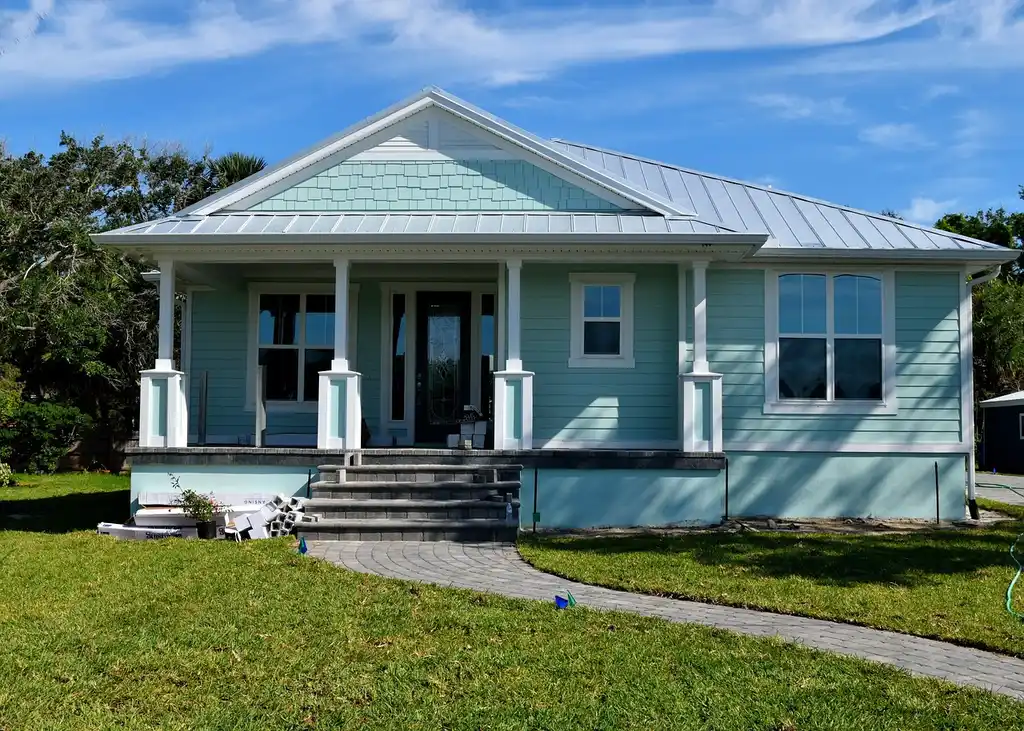
Your yard is ready for sod when drainage, sun exposure, temperature, and irrigation coverage all support establishment. If one of those parts is missing, sod may still go down, but the failure risk rises fast. A contractor should be able to explain what is ready now and what needs correction first.
Drainage and slope checks
Surface drainage should move water away from the lawn instead of trapping it, and subsoil drainage should be considered where the ground stays wet or heavy. Waterlogging can suffocate roots and create soft, unstable patches. If a lawn already ponds after rain, sod installation should be paired with drainage work or soil remediation.
Suppose a back yard has a shallow bowl near the patio and water stays there after irrigation. Laying sod over that low spot may make the lawn look finished for a short time, but the roots will struggle in saturated soil and the seam line often breaks down first.
Sun, shade, and seasonal temperature window
Sod establishes best when temperatures are mild enough to limit heat stress and when the site has the right light for the grass type. Full sun can speed drying, while deep shade can slow root growth and leave thin turf. Install timing should match the species and the season, not just the contractor’s calendar.
If the yard has heavy afternoon sun in midsummer, the watering plan needs to be stronger and more disciplined. If the same yard is in deep shade for much of the day, the grass choice and installation timing should be reviewed before the rolls arrive.
When irrigation coverage is ready
Irrigation should cover the full lawn evenly before sod is installed. Dry corners and oversprayed edges both cause problems. Coverage uniformity matters because new roots cannot chase water far from the surface, and weak spots show up first along borders, corners, and narrow strips.
Temporary watering can work, but it still needs a real plan. If the site depends on hoses and portable sprinklers, confirm that every part of the lawn can be watered without missing seams or soaking one area while leaving another dry.
Sod readiness checklist
Use this checklist before signing a contract. A pass means the item is confirmed in writing or visually verified on site. A fail means the contractor should correct it, explain the risk, or change the scope. If more than one item fails, the job likely needs more than a simple turf install.
| Check item | Pass if you can confirm | Fail means |
|---|---|---|
| Soil grade | Surface falls away from structures and has no obvious low pockets | Water may collect and stress roots |
| Drainage slope | Runoff moves off the lawn instead of into it | Drainage work is needed first |
| Irrigation coverage | Sprinklers or hoses reach every area evenly | Dry strips or overwatered zones are likely |
| Debris removal | Rocks, sticks, old turf, and construction waste are cleared | Roots may bridge over obstacles |
| Soil depth | Prepared soil is at least 100 to 150 mm deep | Root growth will be limited |
| Compaction | Soil is firm enough to walk on but not sealed hard | Water infiltration and rooting may suffer |
| Edge restraint | Edges are defined with rock, masonry, timber, aluminium, or another fixed border | Edges can lift, spread, or fray |
| Delivery timing | Sod arrives the same day it is installed | Rolls can dry out before placement |
| Shade/sun exposure | The grass type matches the site light pattern | Heat stress or thin growth is more likely |
| Seasonal temperature window | Installation is planned for mild weather, not peak heat or cold stress | Establishment slows and watering demand rises |
| Watering plan | A phase-based schedule is written into the scope | Aftercare will be inconsistent |
| Post-install maintenance schedule | The contractor states who handles mowing, inspections, and follow-up visits | No one is accountable after handoff |
Use the checklist to compare quotes line by line. A low price without drainage, soil depth, or watering detail is usually a poor value. A better quote may cost more because it includes the work that makes the turf survive.
How should new sod be installed and watered?
New sod should be laid on prepared soil, pressed into contact with the surface, and watered right away. The first days and weeks are about keeping the root zone moist without flooding it. Rolling can help in some cases, but only when soil moisture and compaction risk are under control.
- Finish grading, remove debris, and confirm soil depth.
- Lay sod tightly with staggered seams and no gaps.
- Trim edges so borders fit cleanly against paths, beds, or edging.
- Water immediately after install until the sod and topsoil are fully moist.
- Check corners, seams, and slopes for dry patches within the first hour.
- Keep traffic off the lawn until roots begin to take hold.
First-week watering targets
For the first 3 to 4 days, water often enough to keep the sod and the top 25 to 50 mm of soil consistently moist. That often means short applications about two to three times a day, adjusted for heat, wind, and shade. Do not let the edges dry out while the center stays wet.
From day 5 through day 14, reduce frequency but water more deeply so moisture reaches below the immediate surface. A useful target is one to two deeper waterings per day, depending on weather and soil type, with the goal of steady rooting rather than constant saturation.
After roots begin to anchor, move toward less frequent watering with longer intervals between cycles. The lawn should then shift into a normal maintenance plan instead of a nursery-style watering routine.
When rolling helps and when to skip it
Rolling can improve root-to-soil contact after installation, especially where seams are slightly uneven or the surface is lightly fluffy. It is most useful on firm, moist soil that can accept pressure without deforming it.
Skip rolling if the soil is already wet enough to smear, puddle, or compact under foot. On soft or saturated ground, the roller can seal the surface and make rooting worse. In that case, hand pressing and careful watering are safer.
When should sod be bundled with other landscape work?
Bundle sod with other site work when the lawn problem is really a site problem. Drainage fixes, edging, retaining walls, paving, and mulch can all affect how turf performs. If those items are already planned, doing them together reduces rework and mismatched levels.
Drainage fixes and subsoil work
Pair sod with drainage repair when the yard holds water, the subsoil stays wet, or previous turf has failed in the same low area. Surface drainage and subsoil drainage should be addressed before the new lawn goes down. Otherwise, the same wet patch will return under fresh turf.
Garden edging and bed definition
Garden edging helps separate turf from beds and keeps the lawn line crisp. Material options include rock, masonry, timber, and aluminium. Human Nature Landscapes includes garden edging among its services, which matters because the edge shape and the turf line need to match before installation starts.
Mulch is often installed alongside turf in planting beds, not on the lawn itself. It helps with moisture retention in the beds, keeps edges clean, and reduces soil splash onto the new grass.
Retaining walls, paving, and mulch
Retaining walls and paving change slope, runoff, and access. If a lawn borders a new wall or path, those hardscape lines should be set before sod is cut to size. That keeps the finish level and avoids tearing up fresh turf later for masonry or concrete work.
Brooke’s Blooms says it offers landscaping services covering design, build, and maintenance, and Enviroscaping says it has over 40 years of landscaping expertise and serves both residential and commercial projects. Those details matter because sod is often one piece of a larger project, not a stand-alone task.
How do you compare landscaping services for sod installation?
Compare landscapers by scope, not by turf price alone. Ask what they will do before the sod arrives, how they handle water and drainage, and who manages the first few weeks after installation. The best quote should explain the base, the timing, and the follow-up in plain language.
Questions to ask before signing
Ask whether the quote includes grading, debris removal, soil depth correction, irrigation checks, and cleanup. Ask how the contractor will handle seams, edges, and low spots. Ask who is responsible if drainage problems show up once the lawn is watered.
Also ask whether the project includes a maintenance handoff. A good handoff should cover watering phases, mowing timing, traffic limits, and a contact point for early issues.
What should appear in the scope of work?
The scope should name the square footage or square metres to be covered, the prep steps, the turf type, and the watering responsibility during establishment. If other work is included, it should be named separately: edging, drainage, retaining walls, paving, or mulch.
Do not accept vague wording like “prep as needed.” That leaves too much room for skipped grading or shallow soil work. A clear scope gives you something to inspect before the crew leaves.
Handoff items to confirm at completion
At completion, confirm that seams are tight, edges are cut cleanly, all dry spots are marked, and the irrigation pattern is working. Check that the first watering has been completed and that you have the aftercare schedule in writing.
Picture a 120-square-metre front yard installed in spring with one dry strip along the driveway edge. If the handoff does not identify that strip and explain how it will be watered, that weak line can become a dead band within days.
Frequently asked questions
What is sod installation?
Sod installation is the placement of pre-grown turf rolls or slabs onto prepared soil so the lawn can establish quickly. It depends on grading, soil depth, drainage, and immediate watering. Without root-to-soil contact, the turf may look finished at first but fail to anchor well.
How to install and maintain sod
Install sod on a leveled, moist base, stagger the seams, trim the edges, and water immediately. Maintain it by following a phase-based watering plan, limiting traffic, mowing only after roots begin to hold, and keeping an eye on seams, corners, and drainage. Early aftercare matters as much as the install.