Landscaping Services for Seasonal Cleanup
Seasonal cleanup should be bought by task, not by blanket package: spring cleanup clears winter debris and dead growth, fall cleanup handles leaves and cutback, and storm-between-season cleanup targets downed limbs, clogged drains, and broken plant material. Skip the wrong scope and you can trap disease, smother turf, block drainage, and pay for work your yard does not need. This guide breaks down what belongs in spring, fall, and storm cleanup so you can compare bids line by line.
What seasonal cleanup should cover
Seasonal cleanup is a scope decision. Start with the yard condition, then match the service to the job: winter debris removal in spring, leaf removal in fall, and storm debris clearing when weather breaks branches or blocks drainage. That approach helps you avoid paying for add-ons that do not fit the site.
Scope first, package second
A good quote names the surfaces, the debris type, and the follow-up work. It should say whether the crew will bag, haul, recycle, edge, mulch, prune, or clear drains. If the quote only says “seasonal cleanup,” ask what is included and what triggers extra charges.
Common add-ons that change the job
Leaf volume, bed size, haul-off distance, and access all change the scope. So do dethatching, core aeration, irrigation winterizing, and gutter or drainage work. Commercial sites may also need parking lot sweeping and entrance area detailing, which changes equipment and scheduling.
How to read a cleanup quote
Read for verbs, not marketing. “Remove leaves” is different from “remove and haul off leaves,” and “edge beds” is different from “redefine beds and add mulch.” If a bid does not mention disposal, ask whether debris leaves the property or gets piled at the curb.
Spring cleanup: what does it include?
Spring cleanup should clear winter damage and built-up debris before vigorous new growth starts. The usual scope includes dead leaves, branches, and other organic matter, plus bed edging and a mulch refresh where the beds need it. Timing matters because delaying the work can bury new growth and leave wet debris mats in place.
Winter debris removal and branch pickup
Spring work usually starts with the debris that winter left behind: windblown litter, twigs, broken limbs, and dead leaves caught in beds and turf. That first pass also exposes areas where snow load or ice caused breakage, so the crew can separate simple pickup from storm damage that needs pruning.
Bed edging and mulch refresh
Bed redefining gives the property crisp edges and a cleaner transition between turf and planting beds. Fresh mulch can improve curb appeal, help suppress weeds, and protect plants from rapid temperature swings. It is most useful when beds have faded, thinned, or been pushed out of shape by snowmelt and foot traffic.
Why timing matters before new growth
Spring cleanup should happen before plants fully break dormancy. That is the window for removing winter debris without tearing tender shoots or compacting wet soil. In Clarence, NY, spring cleanups ideally occur between late March and early May, but local weather and plant growth should still decide the exact date.
Suppose a 1/4-acre yard still has a mat of dead oak leaves in the beds and a few snapped ornamental branches after thaw. A spring visit should focus on debris removal, edging, and a light mulch refresh, not a full rework of healthy shrubs or a heavy renovation that could stress new growth.
What should a fall landscaping cleanup include?
Fall cleanup should prepare the yard for winter after most leaves have dropped. It typically includes leaf removal, spent annual removal, bed prep, and drainage clearing before freeze-up. The goal is to prevent heavy leaf buildup, keep water moving, and reduce winter damage when snow and ice arrive.
Leaf removal after most leaves fall
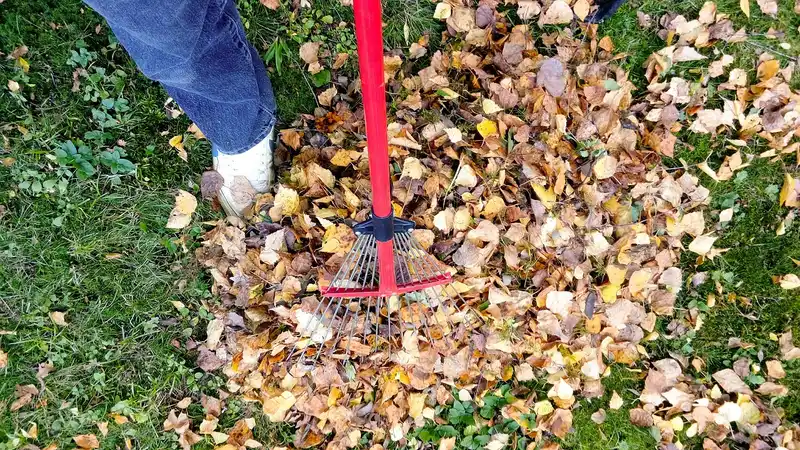
Leaf removal is a core fall cleanup task. Crews may use backpack blowers, mulching mowers, vacuum systems, or leaf loaders on larger or commercial sites. The right tool depends on leaf volume, terrain, access, and whether the leaves stay on-site for mulching or leave in a haul-off load.
Spent annual removal and pre-winter prep
Spent annuals should come out before they collapse into wet mats that trap moisture and pests. Fall cleanup may also include cutting back perennials and preparing garden beds. If the site needs it, the crew may also winterize irrigation systems so lines are protected before hard freezes.
Drainage clearing before freeze-up
Drainage systems should stay unobstructed so water can move away from beds, walks, and low spots. Clearing leaves and sediment before freeze-up helps prevent clogging and reduces water damage risk. It also keeps drainage areas from turning into slick, frozen problem spots once temperatures drop.
Seasonal cleanup scope matrix
This matrix helps you match the service to the site condition. Use it to decide whether you need spring work, fall work, storm-between-season work, or a combination of all three. It also separates what should be included from what should be added only when the property actually needs it.
| Season or trigger | Yard condition | Tasks included | Tasks to add if needed | Common mistakes to avoid | Decision guide: small yard / large property / HOA or commercial site |
|---|---|---|---|---|---|
| Spring | Winter debris, dead leaves, broken twigs, flattened beds, slow start to growth | Debris removal, branch pickup, bed edging, mulch refresh, light cleanup of dead plant material | Dethatching, core aeration, pruning deadwood, drainage checks, irrigation start-up | Cleaning too late, working wet soil, leaving debris mats in turf and beds | Small yard: one focused visit. Large property: split into front, back, and perimeter zones. HOA or commercial site: schedule before peak traffic and stage equipment off the main entrance. |
| Fall | Most leaves down, annuals spent, beds filling with debris, water pooling in low areas | Leaf removal, spent annual removal, bed prep, drainage clearing, pre-winter prep | Perennial cutback, irrigation winterizing, pruning deadwood, haul-off of heavy debris | Starting before most leaves fall, leaving drains clogged, piling debris at the curb | Small yard: one pass may be enough. Large property: plan repeated leaf removal. HOA or commercial site: use off-peak scheduling and keep common areas open. |
| Storm-between-season | Downed limbs, scattered debris, blocked paths, clogged drains after wind or heavy rain | Storm debris clearing, pruning broken wood, drainage clearing, haul-off and disposal | Bed repair, turf inspection, safety checks for walks and entries | Ignoring hidden branches, leaving slippery walkways, missing drain blockages | Small yard: quick safety pass. Large property: prioritize access routes. HOA or commercial site: focus on entrances, parking, and common areas first. |
Do you need leaf removal, dethatching, or aeration?

Leaf removal is the first question, but it is not the only one. If leaves are the main issue, use the right collection method for the volume. If a dead grass layer is blocking water and nutrients, dethatching may be needed. If the soil is compacted, core aeration belongs in the same visit or soon after.
When leaf volume calls for different equipment
Backpack blowers work well for tight residential areas and bed edges. Mulching mowers are useful when the leaf layer is light enough to chop and return to the turf. Vacuum systems and leaf loaders fit heavier volumes and commercial-grade work, especially when crews need to move debris quickly and keep large areas open.
When dethatching belongs in the plan
Dethatching removes the dead grass layer that sits between living turf and the soil surface. Residential cleanup may include dethatching when necessary, but only when that layer is thick enough to block water and nutrient penetration. If the lawn already has thin thatch, a cleanup crew should not treat dethatching as automatic.
When core aeration is the better next step
Core aeration creates openings that improve soil oxygen penetration and nutrient penetration. It is a restoration step for compacted lawns, not a substitute for leaf removal. If tire traffic, foot traffic, or heavy clay has tightened the soil, aeration may matter more than another pass of surface cleanup.
A common first-timer mistake is asking for “everything” on a small, thin lawn after a dry fall. If the turf has light leaf cover but the soil is already loose, leaf removal may be enough. Add dethatching or aeration only when the lawn condition supports it.
Bed cleanup, pruning, and haul-off details
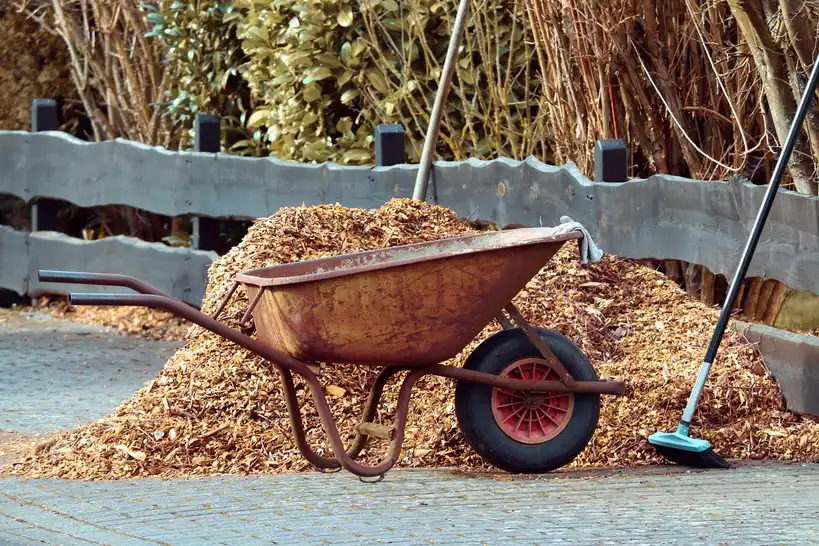
Bed redefining and mulching are separate from basic leaf pickup. So is pruning deadwood. If the quote includes haul-off and disposal, the crew should remove debris from the site, send it to proper disposal or yard waste recycling, and leave no piles behind.
Pruning deadwood after storm damage
Pruning deadwood from shrubs and trees helps restore plant health and removes broken material after a storm. That work is different from cosmetic trimming. Broken limbs, hanging branches, and split stems are safety and health issues, especially when they overhang walks, drives, or common areas.
Haul-off, disposal, and recycling questions to ask
Haul-off and disposal are included in the service, but confirm the destination and the method. Ask whether the debris leaves as green waste, whether yard waste recycling is part of the plan, and whether extra haul time is charged for large leaf loads or storm debris. No piles should be left behind unless the bid says so.
What to ask before you sign
Ask whether the crew will remove debris from beds, turf, and hard surfaces; whether mulch is included or priced separately; whether pruning is limited to deadwood; and whether drainage areas are part of the scope. Those questions keep the quote tied to the actual yard condition, not a generic package.
How do seasonal cleanup services differ for commercial properties?
Commercial cleanup needs faster execution, tighter scheduling, and less disruption than most homes. Some sites often need off-peak timing, parking lot sweeping, and entrance area detailing in addition to yard work. The goal is to keep common areas usable while the crew clears leaves, debris, and safety hazards.
Access and disruption matter more
For HOAs, office parks, retail sites, and multifamily properties, the crew has to work around traffic, deliveries, and residents. That means shorter visits, staged equipment, and a plan for common areas first. It also means fewer loose debris piles and more attention to walkways, entries, and curb lines.
Equipment choices change on larger sites
Commercial-grade use often calls for stronger blowers, larger vacuum systems, and leaf loaders that can move more material with fewer trips. That is not just a speed choice. It changes how the crew handles parking lots, access roads, and large planting beds without shutting down the site.
Why the scope should be tighter
Commercial properties do not benefit from guesswork. If the quote includes parking lot sweeping, entrance detailing, and common area cleanup, it should also say when the work happens and what stays open. A clean site matters, but minimal disruption matters too.
Frequently asked questions
What does spring clean up include landscaping?
Spring cleanup usually includes dead leaves, branches, and other winter debris, plus bed edging and mulch refresh when the beds need it. It should happen before vigorous new growth, so the crew can remove debris without damaging tender shoots or compacting wet soil.
When should seasonal yard cleanup happen?
Timing should follow weather and plant condition, not a fixed calendar alone. Spring work belongs before new growth pushes hard, and fall work belongs after most leaves have dropped but before the first heavy snow. Storm cleanup should happen as soon as damage or blocked drainage is noticed.
Is leaf removal included in landscaping cleanup services?
Usually, yes. Leaf removal is a core fall cleanup task, and many crews also handle light spring leaf pickup from winter holdover areas. Ask whether the quote includes leaf collection, hauling, and disposal, because some bids stop at blowing leaves into piles.
Do landscaping services include bed redefining and mulching?
They often can, but not every cleanup quote includes them. Bed redefining creates crisp edges, and fresh mulch can improve curb appeal, weed suppression, and plant protection. Because those tasks add labor and material, they should be listed separately if they are not part of the base scope.
What should I ask before hiring a seasonal cleanup crew?
Ask what the crew will remove, where debris goes, whether disposal is included, and whether add-ons like dethatching, aeration, pruning deadwood, or drainage clearing are priced separately. Also ask about timing, especially for commercial sites that need off-peak scheduling and minimal disruption.